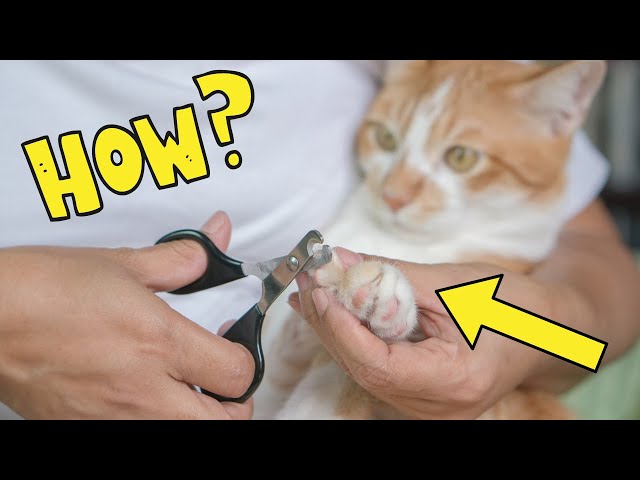
Can You Use Nail Clippers on a Cat: Safe Tips & Tricks
Have you ever looked at your cat’s claws and wondered if you could use your trusty nail clippers to give them a quick trim? You’re not alone.
Many cat owners face the challenge of keeping their feline friend’s nails in check without causing stress or harm. Your cat’s claws are more than just tools for scratching—they’re essential for climbing, playing, and even self-defense. But when they get too long, they can lead to discomfort for your pet and damage to your furniture.
So, can you use nail clippers on a cat? Before you attempt this at home, it’s crucial to understand the ins and outs of cat nail trimming. Read on to discover the dos and don’ts, and ensure your furry friend stays happy and healthy.
Credit: dogrook.com
Benefits Of Clipping Cat Nails
Clipping your cat’s nails offers many benefits for both you and your feline friend. Regular nail trimming can lead to a healthier and more comfortable life for your pet. It also helps maintain a peaceful home environment.
Preventing Damage
Long cat nails can scratch furniture and floors. Trimming them keeps your home safe from damage. It also prevents accidental scratches on your skin. Shorter nails are less likely to get caught in fabrics. This reduces the chances of your cat ripping items.
Reducing Injury Risk
Overgrown nails can cause pain for your cat. They may grow into the paw pads, leading to infections. Regular trimming reduces this risk. It also helps your cat walk comfortably. This simple step can prevent serious health issues. Ensuring your cat’s nails are short protects them from harm.

Credit: www.amazon.com
Choosing The Right Clippers
Trimming a cat’s nails requires the right tools. Selecting suitable nail clippers is crucial. With the right clippers, the task becomes easier and safer. Cats have delicate nails, so using the wrong tool can harm them. A good pair of clippers ensures a clean cut, reducing stress for both you and your cat.
Types Of Clippers
Several types of clippers exist for cat nails. Scissor clippers resemble small scissors. They are easy to control. Guillotine clippers have a hole to insert the nail. When squeezed, the blade cuts the nail. Electric grinders are another option. They grind nails down instead of cutting them.
Quality And Material
Quality clippers make a big difference. Stainless steel blades are preferred. They stay sharp longer and resist rust. Handles with a good grip provide control. This prevents slipping, ensuring safety. Durable clippers reduce the need for frequent replacements. Investing in quality saves time and money in the long run.
Preparing Your Cat
Trimming your cat’s nails using nail clippers is possible with some patience. Choose a quiet time when your cat feels calm. Gently hold your cat’s paw and clip the tips of the nails, avoiding the sensitive quick.
Preparing your cat for nail trimming requires patience and understanding. It’s not just about grabbing a pair of nail clippers and getting the job done. Building trust and creating a comfortable atmosphere is key. You might wonder, how do you make this experience stress-free for both you and your feline friend?Creating A Calm Environment
Start by choosing a quiet room where your cat feels safe. Avoid places with loud noises or distractions. You could use a room where your cat often relaxes, like the living room or a cozy corner in your bedroom. Consider playing some soft music to create a soothing ambiance. Cats are sensitive to their surroundings, and calming sounds can help ease their nerves. Have everything you need within reach: nail clippers, treats, and maybe a blanket. This minimizes your movement and keeps the focus on your cat.Familiarizing Your Cat
Introduce your cat to the nail clippers gradually. Leave them out where your cat can see and sniff them. This simple act can demystify the tool and reduce anxiety. Spend time gently handling your cat’s paws without the clippers. Use a soft touch, and reward them with treats and praise. This builds positive associations with paw handling. Have you ever noticed how your cat reacts to new objects? Pay attention to their body language. If they seem curious and calm, you’re on the right track. If they’re anxious, take a step back and try again later. How does your cat react to being held? Practice holding them for short periods, giving them treats to reinforce comfort. This can make the eventual nail trimming process smoother. Preparation is not just physical but emotional. By creating a calm environment and familiarizing your cat with the tools and handling, you’re setting the stage for a positive experience. Are you ready to make nail trimming a breeze for both you and your pet?Step-by-step Clipping Guide
Trimming your cat’s nails can feel daunting. Yet, it is essential for their well-being. Proper technique ensures safety and comfort. Here’s a step-by-step guide to help you. Follow these instructions for a successful clipping session.
Positioning Your Cat
First, find a quiet space. A calm environment helps your cat relax. Place your cat on your lap. Hold them gently but securely. Use a soft, reassuring voice. Make them feel safe and comfortable. You might need a second person to help. They can distract the cat with treats or toys. Ensure your cat’s paw is easy to reach.
Clipping Technique
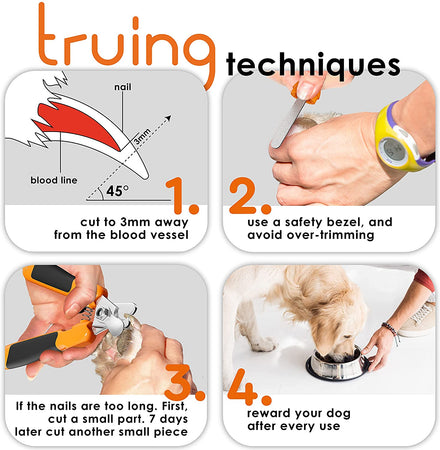
Use a sharp, clean nail clipper. Blunt clippers can harm your cat. Hold the paw firmly but gently. Press the pad to extend the claw. Identify the pink area inside the claw. This is the quick; avoid cutting it. Trim only the sharp tip of the nail. Make small, precise cuts. Check each claw closely before cutting. Praise your cat after each clip. Reward them with a treat to reinforce positive behavior.
Safety Tips For Clipping
Clipping your cat’s nails can be a tricky task, but with the right safety tips, it becomes manageable and even rewarding. When you approach your feline friend with nail clippers, the primary goal is ensuring their comfort and safety. You must focus on avoiding injuries and managing any resistance your cat might show. Remember, a calm and patient approach can make all the difference.
Avoiding Quick Cuts
One of the biggest fears in nail clipping is cutting the “quick,” the sensitive part of a cat’s nail that contains nerves and blood vessels. To avoid this, ensure you have a clear view of the nail and aim to trim only the sharp tip. A good practice is to use a flashlight to see the quick in translucent nails clearly. If your cat has dark nails, trim just a little at a time. This cautious approach helps prevent any accidental injuries.
Handling Resistance
What do you do when your cat resists nail clipping? Cats can be unpredictable, and resistance is common. Offer your cat treats or gentle petting to create a positive association with the process. You can also try clipping one or two nails at a time, spreading the task over several days. Gradually, your cat will feel less anxious. If your cat is particularly squirmy, consider enlisting help from a friend to gently hold your cat while you clip.
Have you ever found a technique that works best for your cat? Experiment with different approaches to discover what keeps your cat calm and cooperative. Each cat is unique, and understanding their preferences can transform nail clipping into a bonding experience rather than a dreaded chore.

Credit: www.youtube.com
Alternatives To Clippers
Clipping a cat’s nails can be stressful for both you and the cat. There are alternative methods to keep your cat’s claws in check. These options can be less intimidating and more effective.
Using A Nail File
A nail file offers a gentle way to manage your cat’s claws. It smooths the edges rather than cutting them. This method is quieter, which can soothe anxious cats. Use a pet-specific file for the best results. Metal or glass files work well. Regular use helps maintain claw length. It’s best for cats who dislike clippers.
Professional Grooming
Professional groomers can handle your cat’s nails with care. They have experience and tools to ensure safety. Groomers can also check for any claw issues. This option reduces your stress. It ensures your cat’s nails are well-maintained. Regular visits can prevent overgrowth and discomfort. Choose a groomer familiar with cats for the best experience.
Signs Of Trouble
Using nail clippers on a cat can cause discomfort or injury. Cats have sensitive nails that require special care. Regular grooming tools designed for pets are safer and more effective.
Trimming your cat’s nails can be a challenging task. While many cats tolerate it well, some may show signs of discomfort or distress. Observing these signs is crucial to ensure your cat’s safety and comfort. Ignoring them can lead to bigger issues, including pain or injury. So, how can you tell if something’s not right during a nail clipping session? Let’s explore the signs of trouble to watch for.Recognizing Pain
Cats are masters at hiding pain, but certain behaviors give them away. If your cat suddenly pulls back its paw or hisses, it’s likely in discomfort. Watch for physical signs like trembling or licking the clipped paw excessively. These are red flags indicating pain. You might notice your cat becoming unusually aggressive or fearful during future grooming sessions. This change in behavior suggests the experience was unpleasant. Take a moment to assess the situation and consider seeking guidance from a professional groomer or vet.Addressing Bleeding
Accidentally cutting into the quick can cause bleeding. It’s a common mistake, especially if your cat’s nails are dark and the quick is hard to see. If bleeding occurs, stay calm. Apply a styptic powder or cornstarch to the nail to stop the bleeding. Keep pressure on the area for a few seconds. If bleeding persists, a visit to the vet might be necessary. Prevent future mishaps by investing in a good quality pair of nail clippers designed for pets. They often have safety guards to help you avoid cutting too deep. Practice makes perfect, so don’t be discouraged if it takes a few tries to get it right. Are you paying attention to your cat’s cues? Recognizing the signs of trouble can make all the difference in keeping nail trimming sessions stress-free for both you and your feline friend.Regular Maintenance
Keeping your cat’s nails trimmed is essential for their health. Regular maintenance prevents overgrown nails, which can cause pain. It also reduces the chance of damage to furniture and skin. Using nail clippers on a cat may seem daunting. With a consistent routine, it becomes easier for you and your feline friend.
Establishing A Routine
Establishing a routine makes nail trimming less stressful. Begin by setting aside a specific day each week for this task. Choose a quiet moment when your cat is calm. This helps them associate trimming with a relaxed environment. Start by gently holding their paws and examining the nails. Over time, this routine becomes natural for your cat.
Monitoring Nail Growth
Monitoring nail growth ensures timely trimming. Check your cat’s nails regularly to assess their length. Cats that scratch often may need more frequent trims. Observe the curve and sharpness of the nails. Trim when you see the nails becoming curved or sharp. This regular check helps maintain healthy nail length and prevents issues.
Frequently Asked Questions
Can Human Nail Clippers Be Used On Cats?
Human nail clippers can be used on cats, but caution is essential. Cat nails are thinner and more delicate. Choose small clippers for better control and avoid cutting too short to prevent injury. Regular trimming helps maintain comfort and prevents overgrowth.
Always ensure your cat is calm during the process.
Can You Use Normal Nail Clippers To Cut Cat Nails?
Yes, you can use normal nail clippers to cut cat nails. Ensure they are clean and sharp. Use clippers carefully to avoid injury, and trim small portions to prevent cutting the quick. Regular trimming keeps your cat’s nails healthy and prevents damage to furniture and skin.
How To Cut Your Cat’s Nails If They Won’t Let You?
Use treats and toys to distract your cat. Gently wrap them in a towel for safety. Trim nails when they’re calm and relaxed. Seek assistance from a professional if needed. Regular practice helps them get accustomed to the process.
Is It Better To Grind Or Clip Cat Nails?
Grinding cat nails is safer and smoother, reducing the risk of splitting. Clipping is quicker but may cause accidental cuts. Choose based on your comfort and your cat’s tolerance.
Conclusion
Using nail clippers on a cat is possible with care. Choose clippers that are sharp and easy to handle. Ensure your cat is calm during the process. Clip only the tip of the nail to avoid injury. Regular trimming can prevent overgrowth and discomfort.
If unsure, consult a vet for guidance. It’s important to make nail clipping a stress-free experience for your cat. Patience and practice can help. Your cat’s comfort should always come first. With these tips, you can manage your cat’s nail care effectively.