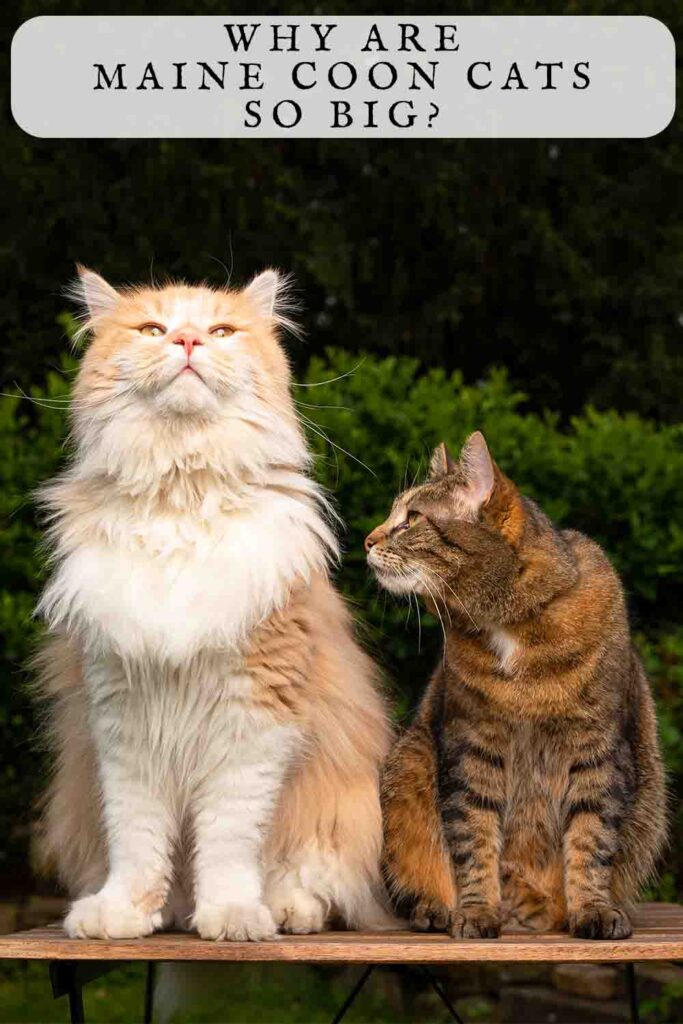
Why Are Maine Coon Cats So Big? Unveiling the Mystery
Have you ever wondered why Maine Coon cats are so big? If you’re a cat lover, their majestic size might have caught your eye and sparked your curiosity.
You’re not alone. Many people find themselves captivated by these gentle giants, eager to learn more about them. Their impressive stature makes them stand out from other cat breeds, but there’s more to their size than meets the eye. You’ll uncover the fascinating reasons behind their large physique, explore their unique traits, and discover why Maine Coon cats continue to charm cat enthusiasts around the world.
Get ready to delve into the intriguing world of Maine Coon cats and find answers to your questions. You won’t want to miss what we have in store for you!
Genetic Factors
Genetic factors play a vital role in the large size of Maine Coon cats. Their genes contribute to their muscular build and robust bone structure. These cats have inherited traits from ancestors adapted to survive harsh climates.
When you first encounter a Maine Coon cat, their sheer size might leave you in awe. One of the most fascinating aspects of these majestic felines is their genetic makeup, which plays a significant role in their size. By understanding the genetic factors, you get a glimpse into why Maine Coons are one of the largest domesticated cat breeds in the world.Natural Selection
Natural selection has played a crucial role in shaping the size of Maine Coon cats. These cats originally thrived in the harsh climates of Maine. Their large size was advantageous for survival, allowing them to maintain body heat during cold winters. Imagine a smaller cat trying to endure the icy winds and deep snow. A larger body, with thick fur, provided the necessary warmth and protection. Over time, the bigger, more robust cats were more likely to survive and reproduce, passing on their genes to the next generation. Have you ever considered how nature influences the traits of animals around you? In the case of the Maine Coon, natural selection ensured only the fittest survived and thrived.Origins And Ancestry
The origins of Maine Coon cats are shrouded in mystery and legends. Some say they are descendants of long-haired cats that belonged to Marie Antoinette, who planned to escape to America. Others believe they are the result of crossbreeding between domestic cats and wild bobcats. Despite the myths, their ancestry does have a significant impact on their size. Historical records suggest that long-haired cats, which are naturally larger, arrived in America on ships. These cats were likely bred with local short-haired cats, resulting in the sturdy and large Maine Coon we know today. What about your own family history? Just like how the ancestry of Maine Coons contributed to their size, your own lineage shapes who you are today. Understanding the genetic backdrop of these cats highlights how interconnected nature and nurture can be. In essence, the genetic factors of Maine Coons tell a story of adaptation and survival. Whether it’s the natural selection in harsh climates or their intriguing ancestry, each factor plays a part in their impressive size. Next time you see a Maine Coon, remember the powerful genetic journey that makes them so unique.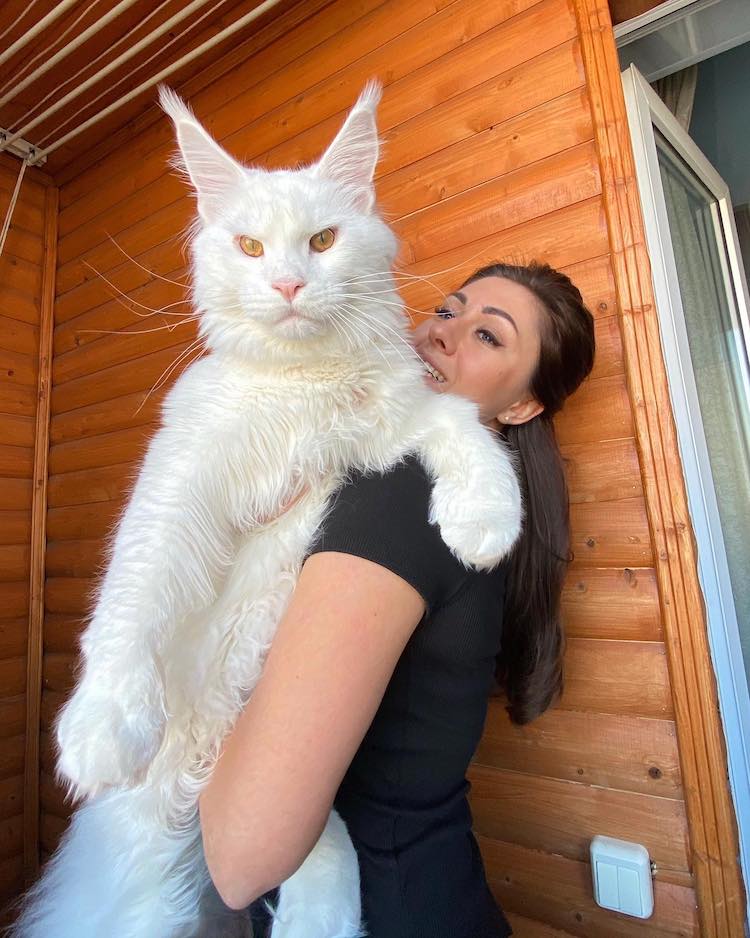
Credit: mymodernmet.com
Environmental Influences
Have you ever wondered why Maine Coon cats are so astonishingly large? It’s not just their genes at play; environmental influences have a significant role too. These factors shape their size and overall health in remarkable ways.
Climate Adaptation
Maine Coon cats originated in the cold climate of Maine, which helped them develop thicker fur and larger bodies. This adaptation was crucial for survival, providing warmth during chilly winters. If you’ve ever snuggled with a Maine Coon, you might have felt their dense fur and robust body, offering a hint of their historical need to fend off the cold.
Imagine living in a freezing environment where only the strongest thrive. This natural selection favored those with bigger sizes. Their large frame helps them retain heat better, ensuring they stay cozy even when temperatures drop.
Think about your own environment. How might it influence your pet’s characteristics? The climate can shape not just their physical traits but also their behavior and needs.
Diet And Nutrition
What your Maine Coon eats is just as important as where they live. A diet rich in protein supports their growth and muscle development. You might notice that they have a hearty appetite, often enjoying meals that promote healthy weight and size.
Consider the nutritional choices you make for your feline friend. Providing balanced meals ensures they grow to their full potential. Maine Coons have specific dietary needs that, when met, contribute to their impressive stature.
Have you ever tried adjusting your cat’s diet to see the effects on their size? The right food can make a noticeable difference, supporting their natural tendency to be larger than average.
Ultimately, the environment is a silent sculptor of the Maine Coon’s majestic size. From the frosty days of Maine to the food they consume, these factors intertwine to create the magnificent feline you cherish. What environmental influences shape your pet? Understanding these can enhance your bond and care routine.
Physical Characteristics
Maine Coon cats are renowned for their impressive size and striking appearance. Their physical characteristics contribute significantly to their majestic stature. Understanding these features can help appreciate why these cats are larger than most other breeds.
Bone Structure
Maine Coons have a robust bone structure. Their bones are thick and strong, supporting their hefty weight. This skeletal framework gives them a sturdy build. It allows for their distinctive large size. Their broad chest adds to their imposing presence. The skeletal design is not just about size; it helps in their agility.
Muscle Mass
Muscle mass is another key factor in their size. Maine Coons have well-developed muscles. These contribute to their strength and power. Their muscular bodies are built for endurance. This feature helps them in climbing and jumping. The muscle mass adds to their weight, making them heavier.

Credit: www.aspenmainecoons.com
Role Of Breeding
Maine Coon cats are known for their impressive size, often towering over other breeds with their majestic presence. One key factor contributing to their size is the role of breeding. Breeders have meticulously shaped this breed over generations, enhancing their natural characteristics to produce the large, lovable cats we admire today. But what goes into breeding these gentle giants, and how do breeder preferences play a part in their size?
Selective Breeding Practices
Selective breeding is the art of choosing specific cats to reproduce based on desirable traits. With Maine Coons, size is a prime focus. Breeders select the biggest and healthiest cats, ensuring their offspring inherit these traits. This intentional pairing has resulted in Maine Coons consistently growing larger.
Think of it as a family tradition. Just as you might inherit your grandmother’s eye color, Maine Coons inherit their ancestors’ robust size through carefully planned breeding. Breeders aim to accentuate these natural characteristics, crafting a lineage of cats that maintain the breed’s signature stature.
Impact Of Breeder Preferences
Breeders play a crucial role in shaping the Maine Coon’s size. Their preferences dictate which cats contribute to the next generation. While size is important, breeders also value health, temperament, and overall appearance. This ensures that Maine Coons are not only big but also healthy and friendly.
Consider a breeder who values the Maine Coon’s hunting abilities. They might select cats that exhibit strength and agility, indirectly influencing their size. These preferences ultimately create a distinctive blend of characteristics, resulting in the Maine Coon’s unique profile.
Have you ever wondered why your Maine Coon is so friendly? Breeders prioritize temperament alongside size, ensuring these cats remain gentle giants. Their choices are a blend of art and science, crafting cats that fit the breed’s renowned image.
Reflect on this: If you were breeding cats, what traits would you prioritize? Size, health, or perhaps a playful nature? Your choices would shape the future of your feline lineage, much like breeders have done with Maine Coons.
Comparisons With Other Breeds
When you first encounter a Maine Coon cat, their size immediately stands out. You might wonder how they stack up against other breeds. Let’s delve into the specifics and discover what sets Maine Coons apart in terms of size and behavior.
Size Differences
One of the most striking features of Maine Coon cats is their impressive size. While the average domestic cat weighs around 10 pounds, Maine Coons can tip the scales at over 18 pounds, with some males reaching up to 25 pounds.
Why are Maine Coons so big? Genetics play a significant role. Originating from the cold climates of Maine, their large size helps them stay warm and survive harsh conditions.
In contrast, breeds like Siamese or Abyssinian are much smaller, typically weighing between 6 to 12 pounds. This makes Maine Coons one of the largest domesticated cat breeds.
Behavioral Traits
Despite their size, Maine Coons are known for their gentle and friendly demeanor. You might think that a larger cat would be more aggressive, but Maine Coons defy this expectation.
They often get along well with other pets and children, making them an ideal family pet. Their playful nature is similar to that of smaller breeds like the playful Bengal.
However, their robust size can be an advantage in playful interactions. You might find them more resilient during play than smaller breeds, which can be a fun experience for both you and your cat.
What do you think makes a pet perfect for your home? Is it their size, their behavior, or perhaps a combination of both?
Understanding these comparisons can help you decide whether a Maine Coon is the right companion for you.

Credit: www.instagram.com
Cultural And Historical Context
Maine Coon cats are known for their impressive size. Their history and culture play a role. Understanding these aspects provides insight into their growth and nature.
Myths And Legends
Stories about Maine Coon cats abound in folklore. Some tales say they come from wild cats and raccoons. This myth explains their bushy tails and large size. Others claim they were ship cats on Viking vessels. These legends add mystery to their size and origins.
Popularity Through History
Maine Coons gained fame in the 1800s. Farmers valued them for hunting skills. Their size helped in catching pests. They appeared in early cat shows and won prizes. This increased their popularity. Their size and gentle nature made them a favorite. Today, they remain a beloved breed worldwide.
Care And Maintenance
Maine Coon cats, known for their size, require special care and maintenance. Their majestic appearance needs regular attention to keep them healthy and happy. Understanding their grooming needs and health considerations is essential for any owner.
Grooming Needs
Maine Coons have long, thick fur that tangles easily. Brushing them at least twice a week prevents mats and knots. Use a wide-toothed comb for best results. This routine helps reduce shedding and keeps their coat shiny.
Bathing is not often necessary but can help if they get dirty. Use a gentle cat shampoo to avoid skin irritation. Regular ear cleaning is important too, as they can build up wax.
Health Considerations
Maine Coons are prone to specific health issues. Heart disease is one common concern. Regular vet check-ups can catch problems early. Watch their weight, as obesity can lead to other health issues.
Dental hygiene is crucial for their overall health. Regular teeth brushing prevents plaque buildup. Use cat-specific toothpaste for safety. Ensuring a balanced diet is vital. High-quality cat food supports their large frame and energy needs.
Frequently Asked Questions
Is There A Cat Bigger Than A Maine Coon?
Yes, the Savannah cat can be larger than a Maine Coon. Savannahs can weigh up to 25 pounds. They are a hybrid breed, known for their tall and slender appearance. Maine Coons and Savannahs are among the largest domestic cats, but Savannahs can surpass them in size.
What Two Cat Breeds Make A Maine Coon?
The Maine Coon’s origins are unclear, but they are often thought to be a mix of long-haired cats from Europe and local short-haired domestic cats in North America. This breed developed naturally in the northeastern United States.
What Is So Special About Maine Coons?
Maine Coons are adored for their large size, friendly nature, and stunning bushy tails. Their intelligence and dog-like personalities make them great companions. Known as “gentle giants,” they are playful yet gentle. Their dense, water-repellent fur and tufted ears add to their unique charm, making them a beloved breed worldwide.
What Is The Lifespan Of A Maine Coon Cat?
Maine Coon cats typically live between 12 to 15 years. Proper care and regular vet visits can extend their lifespan. These gentle giants require a balanced diet and regular exercise to maintain health. Maine Coons are known for their friendly nature and resilience, contributing to their relatively long lifespan.
Conclusion
Maine Coon cats impress with their large size and gentle nature. Their big bones, fluffy coats, and long tails make them unique. These cats adapt well to different environments. Their size can be linked to their origin in cold climates.
They needed warmth and strength to survive. Maine Coons are not just big; they’re friendly and playful too. They fit well into family life. Their size and personality make them a favorite among cat lovers. Owning one means having a gentle giant as a companion.
Maine Coons are truly remarkable pets.