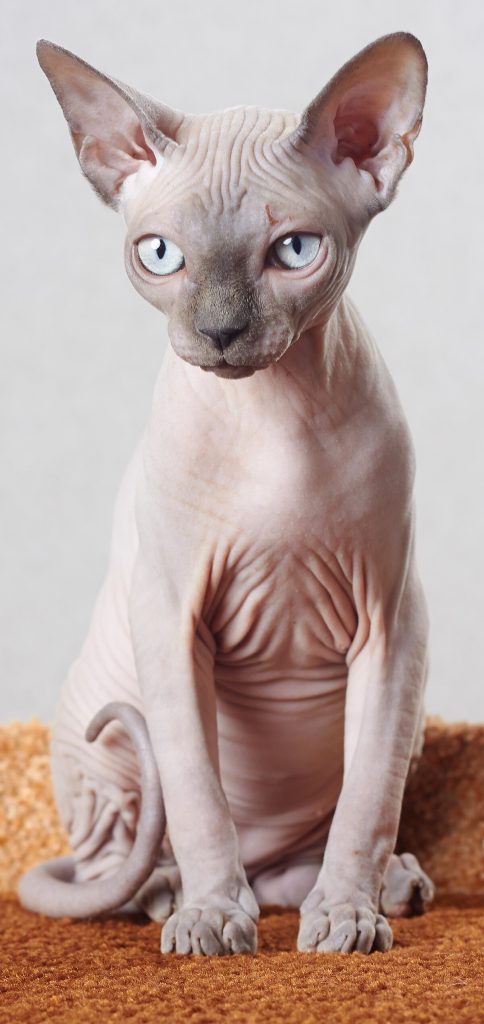
Are you curious about the mysterious allure of hairless cats? These unique feline companions, often seen as striking and exotic, have captured the interest of pet lovers everywhere.
Imagine a cat with no fur, yet full of personality and charm. What makes these cats so special, and why are they becoming increasingly popular? You’ll discover the fascinating world of hairless cats, from their intriguing history to their distinct personalities and care needs.
Whether you’re considering adopting one or simply want to learn more, this guide will unravel the secrets behind these captivating creatures. Stay with us as we reveal everything you need to know about hairless cats. Your new feline obsession awaits!
Origins Of Hairless Cats
Hairless cats, known for their distinct lack of fur, originated from natural genetic mutations. The Sphynx, a popular breed, first appeared in the 1960s in Canada. These cats have a warm, soft skin, requiring special care to maintain their unique beauty.
The origins of hairless cats are as fascinating as the cats themselves. These unique creatures, devoid of the typical feline fur, have captured the hearts of many with their distinct appearance and charming personalities. Understanding where these cats come from adds depth to their allure. Let’s dig into their historical background and explore the various breeds without fur.Historical Background
Hairless cats have a history that’s both intriguing and accidental. The first recorded mention of a hairless cat dates back to the early 1900s in Mexico. Known as the Mexican Hairless, this breed caught the attention of cat enthusiasts but eventually disappeared. Fast forward to the 1960s, when the hairless gene re-emerged in Canada. A domestic cat in Toronto gave birth to a hairless kitten, which sparked the interest of breeders. This Canadian lineage led to the development of the Sphynx, the most famous hairless cat breed today. The journey of hairless cats from rare genetic anomalies to beloved pets is quite remarkable. You might find yourself wondering how many other breeds exist beyond the Sphynx.Breeds Without Fur
While the Sphynx is the poster child for hairless cats, it’s not the only breed without fur. The Donskoy, originating from Russia, shares the hairless trait but has a slightly different genetic makeup. This breed is known for its friendly and social nature. Another fascinating breed is the Peterbald, also from Russia. It often surprises new cat owners with its velvety skin and slender build. This breed results from a cross between the Donskoy and the Oriental Shorthair, showing how intentional breeding can lead to unique results. Have you ever considered adopting a hairless cat? They require different care than their furry counterparts, but their affectionate personalities make them a rewarding choice. Each breed has its own charm, waiting to be discovered by curious cat lovers like you. Exploring the origins of hairless cats not only deepens your appreciation but also connects you to a broader community of feline enthusiasts. Whether you’re fascinated by their history or their unique breeds, there’s always more to learn. So, what part of their story piques your curiosity the most?Unique Characteristics
Hairless cats capture attention with their distinct appearance. They are unique. Their lack of fur sets them apart from other breeds. But there’s more to them than meets the eye. Their unique characteristics make them stand out. From physical traits to behavioral attributes, they surprise many.
Physical Traits
Hairless cats often have soft, warm skin. It feels like suede. Their skin color varies widely. Wrinkles are common, especially around the face. Their large ears are another standout feature. They give a bat-like appearance. Whiskers might be short or even absent. These cats often have a muscular build. They are medium-sized, agile, and elegant. Their eyes are usually large and expressive. They come in various colors.
Behavioral Attributes
Hairless cats are known for their affectionate nature. They love human company. These cats are often described as friendly and playful. They enjoy interacting with people. Many owners report their cats are curious and intelligent. They often seek warmth and cozy spots. This is due to their lack of fur. They are social creatures and enjoy being part of the family. Their energetic nature keeps them active and engaged.
Care And Maintenance
Hairless cats, known for their unique appearance, require special care. Regular baths keep their skin clean, while gentle lotions prevent dryness. Providing warm clothing and cozy blankets ensures they stay comfortable.
Caring for a hairless cat requires a unique approach due to their distinct characteristics. These cats, without fur, need special attention to maintain their health and happiness. Their skin, diet, and overall maintenance are crucial for their well-being. Let’s dive into the essentials of caring for these fascinating felines.Skin Care Essentials
Without fur, hairless cats have sensitive skin that demands regular care. You might be surprised to find your cat needing baths more often than a furry feline. Their skin tends to get oily and dirty quickly. Use gentle cat shampoos that protect their delicate skin without causing irritation. After bathing, moisturizing is key. Apply a pet-safe moisturizer to prevent dryness and flaking. It’s like giving your cat a spa day! Regular skin checks can help spot any irritation or unusual bumps early. Have you noticed your cat loves soaking up the sun? Be cautious, as their skin can easily burn. Consider using a pet-friendly sunscreen to keep them safe during sunbathing sessions.Dietary Needs
Diet plays a crucial role in maintaining the health of your hairless cat. These cats often have a faster metabolism to keep warm, requiring more calories than their furry counterparts. Opt for high-quality cat food rich in protein and healthy fats. Consider adding omega fatty acids to support skin health. These nutrients can be found in fish-based foods or supplements. Does your cat have any special dietary preferences or allergies? Keep an eye on their reactions to certain foods and adjust their diet accordingly. Hydration is equally important, so ensure fresh water is always available. Caring for a hairless cat is an adventure full of learning and adapting. Each cat is unique, and understanding their specific needs can make a world of difference in their happiness. What unique care tip have you discovered with your pet that made a big impact? Share your insights and continue to learn with your feline friend.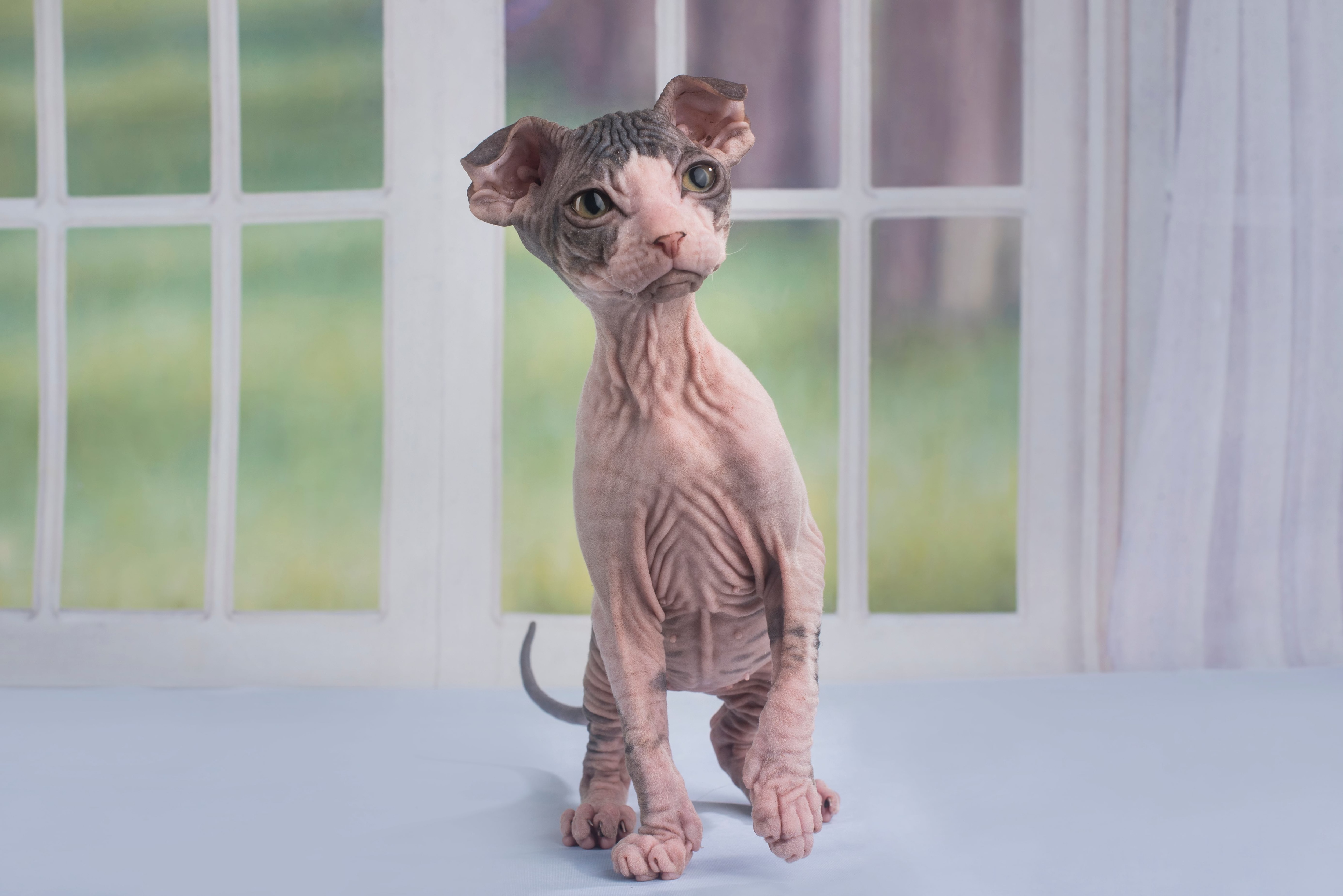
Credit: www.petmd.com
Popular Hairless Breeds
Hairless cats have captivated pet lovers with their unique look and charming personalities. If you’re considering welcoming one into your home, it’s worth knowing the popular hairless breeds. These felines not only stand out visually but also bring their own quirks and qualities to your household. Let’s dive into the fascinating world of these hairless wonders.
Sphynx Cats
Sphynx cats are perhaps the most recognizable hairless breed. They are known for their friendly and playful nature. Their lack of fur reveals their muscular bodies, which makes them surprisingly warm to the touch.
Have you ever felt a cat that feels like a heated blanket? Sphynx cats offer that cozy sensation. They thrive on human interaction, often seeking out your lap for cuddles. Be prepared for a companion that demands attention.
Peterbald Cats
Originating from Russia, Peterbald cats are another intriguing breed. They come in various degrees of hairlessness, ranging from completely bald to having a peach fuzz-like coat. This variety provides options based on your preference.
Imagine owning a cat that adjusts its coat to suit your tactile desires. Their slender, elegant frames contribute to their graceful demeanor. If you appreciate minimal grooming but want a touch of fur, Peterbalds might be your perfect match.
Donskoy Cats
Donskoy cats, also known as Don Sphynx, hail from Russia too. They are recognized for their wrinkled skin and affectionate nature. Unlike other breeds, they may develop a bit of a fuzz in colder months.
Have you considered how a cat adapts to the changing seasons? Donskoy cats show us that even hairless breeds can exhibit adaptability. Their sociable nature makes them excellent companions, often forming strong bonds with their owners.
Choosing a hairless cat involves understanding their unique care needs and personalities. Are you ready for a pet that challenges the conventional image of a feline? Embrace the quirks and warmth these breeds bring, and you’ll find yourself enchanted by their charm.
Health Considerations
Hairless cats, with their unique appearance, require special health attention. Their lack of fur makes them prone to various health concerns. Owners must be aware of common issues and preventive steps. Understanding these can ensure a happy life for these unique felines.
Common Health Issues
Hairless cats often face skin problems. Their exposed skin needs regular care to prevent irritation. Sunburn is a risk due to their lack of fur. These cats can also be sensitive to temperature changes. Without fur, they may feel cold more easily. Ear infections are more common in hairless breeds. Their ears need regular cleaning to avoid buildup. Some hairless cats may have dental issues. Routine dental care helps in maintaining their oral health.
Preventive Measures
Regular bathing helps maintain skin health. Use gentle products to avoid irritation. Applying sunscreen can protect them from sunburn. Ensure they have a warm place during colder months. Regular ear cleaning reduces infection risks. A balanced diet supports dental health and overall wellness. Visiting the vet regularly catches health issues early. Consistent check-ups are crucial for their well-being.
Living With Hairless Cats
Hairless cats, known as Sphynx, are unique due to their lack of fur. Their skin feels warm and suede-like. These cats require regular bathing to remove skin oils, which would typically be absorbed by fur.
Living with hairless cats can be a unique experience. These cats, known for their lack of fur, have specific needs. They require special care and attention. Their skin is exposed, so they need a warm and cozy environment. They are affectionate and love interacting with humans. Let’s explore how you can create a perfect home for them.Adapting The Home Environment
Hairless cats need a warm home. Their lack of fur makes them sensitive to cold. Provide soft blankets and heated beds. Ensure your home is draft-free. Consider using a pet-safe heater during cold months. They enjoy basking in the sun. Place their bed near a sunny window. Protect their skin from direct sun exposure. Use curtains or blinds for shade.Bonding And Socializing
Hairless cats are very social. They crave human interaction. Spend time playing and cuddling with them. Use toys to engage their minds. They enjoy interactive games. Consider puzzle toys or feather wands. Invite friends over to meet them. They adapt well to new people. Socializing helps them stay happy. They form strong bonds with their family.Myths And Misconceptions
Hairless cats, often misunderstood, aren’t completely bald. They have a soft, peach-like fuzz covering their skin. Despite popular belief, these cats require regular grooming to maintain healthy skin.
Hairless cats, often perceived as exotic and mysterious, are surrounded by a cloud of myths and misconceptions. Many people believe these unique creatures are challenging to care for or have strange characteristics. However, the reality is much simpler and more endearing. Let’s debunk some of the common myths and misconceptions about hairless cats, starting with their skin sensitivity and allergy myths.Skin Sensitivity
One prevalent myth is that hairless cats have extremely sensitive skin. While their skin is more exposed than that of furred cats, it is not overly delicate. They do require some care, like regular baths to remove oil buildup, but this is manageable with a routine. Imagine giving your hairless cat a gentle bath once a week. It becomes a bonding experience rather than a chore. Have you ever wondered if they need sunscreen? It’s not always necessary indoors, but if your cat loves basking in the sun, consider a pet-safe sunscreen.Allergy Myths
Another misconception is that hairless cats are hypoallergenic. Many believe that because they lack fur, they won’t trigger allergies. In reality, cat allergies often stem from proteins found in saliva and skin oils, not fur itself. Hairless cats produce these proteins just like any other cat. So, if you’re allergic to cats, a hairless breed might not be the magical solution you’re hoping for. However, some allergy sufferers find their symptoms less severe with hairless cats. Why not visit a friend with a hairless cat and see how you react? This small step can clarify whether a hairless cat is a feasible pet for you. By addressing these myths, you can better understand hairless cats and their needs. They are fascinating pets that deserve appreciation beyond the myths. Are you ready to see past the misconceptions and embrace the charm of these unique felines?:max_bytes(150000):strip_icc():focal(602x0:604x2)/xherdan-cat-2-1a0a928c0605461f851e49fb5b5f29af.jpg)
Credit: people.com
Hairless Cats In Popular Culture
Hairless cats have carved a niche in popular culture. Their unique appearance captures the imagination. From films to cartoons, these felines intrigue audiences. Their bald skin makes them stand out. This leads to memorable roles and representations. Let’s explore how hairless cats shine in media.
Famous Hairless Cats
Some hairless cats become stars. Mr. Bigglesworth from the Austin Powers movies is one. His bald look makes him unforgettable. He adds a comedic touch to the films. Another notable cat is Ted Nude-Gent. He appears in the TV show Friends. His cameo makes viewers laugh and remember him. These cats have left a mark on pop culture.
Representation In Media
Hairless cats often symbolize elegance. They appear in fashion shoots. This showcases their sleek image. Cartoons also feature them. They are portrayed as intelligent or quirky. Their distinctive look is ideal for animation. Comics use them to create intriguing characters. They offer a fresh perspective in storytelling. Hairless cats continue to captivate audiences worldwide.

Credit: en.wikipedia.org
Frequently Asked Questions
How Expensive Is A Hairless Cat?
Hairless cats, like the Sphynx, typically cost between $1,500 and $3,000. Prices vary by breeder and region.
What Is The Purpose Of A Hairless Cat?
Hairless cats, such as the Sphynx, are often bred for their unique appearance and hypoallergenic qualities. They require less grooming and can be ideal for individuals with allergies. These cats are known for their affectionate nature and strong bond with their owners, making them popular pets.
Do Sphynx Cats Smell?
Sphynx cats can have a slight odor due to their skin oils. Regular baths help reduce the smell. They lack fur, which absorbs oils, making them more noticeable. Ensure proper hygiene to minimize any scent. Regular grooming keeps them fresh and clean.
Are Sphynx Cats Like Dogs?
Sphynx cats are often compared to dogs due to their affectionate and social nature. They follow owners around, enjoy playing fetch, and crave attention. Known for their loyalty, Sphynx cats often act like canine companions, making them unique among feline breeds.
Conclusion
Hairless cats are unique and fascinating pets. Their lack of fur makes them stand out. They’re great for those with allergies. These cats are friendly and affectionate. They enjoy human company and warmth. Proper care keeps their skin healthy. Regular baths and moisturizing are essential.
Hairless cats often love to snuggle and play. They bring joy and companionship to any home. Consider adopting one if you seek an interesting pet. They might just become your best friend.