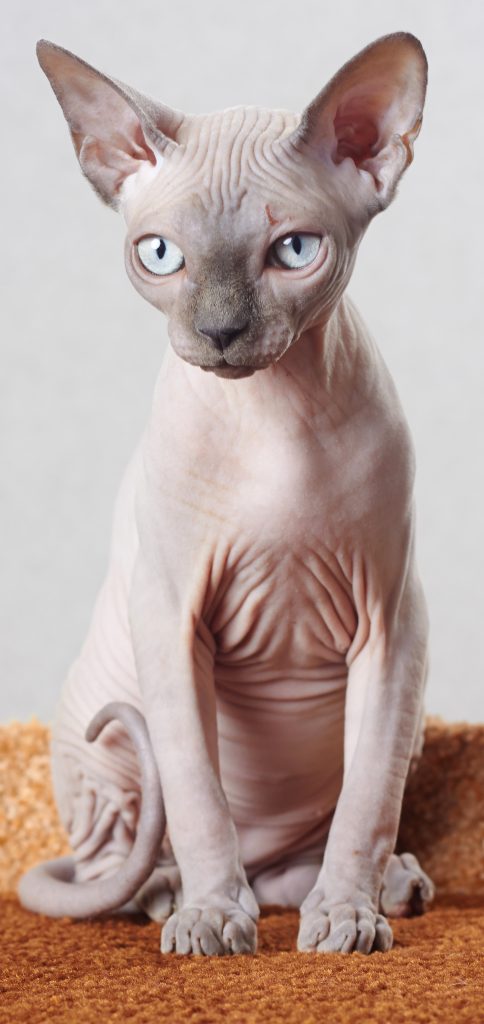
Have you ever seen a hairless cat and wondered if they are natural? These unique felines can capture your curiosity with their distinct appearance.
You might find yourself asking, “Are they born this way, or is it something else? ” As you dive deeper into the world of hairless cats, you’ll discover fascinating insights that challenge common perceptions. This article promises to unveil the truth behind their existence, sparking your interest and keeping you engaged.
With every sentence, you’ll uncover intriguing facts that will keep you hooked. Ready to explore the captivating reality of hairless cats? Let’s get started!
Origins Of Hairless Cats
Hairless cats, with their unique appearance, intrigue many cat enthusiasts. Their lack of fur sparks curiosity about their origins. Are these cats a product of nature or human intervention? Understanding their beginnings helps appreciate these fascinating creatures.
Origins Of The Hairless Gene
The hairless gene in cats is a natural mutation. It can appear spontaneously in cat populations. This gene causes the absence of a typical fur coat. While rare, this mutation has occurred in various parts of the world. The gene affects the skin and fur development.
The First Documented Hairless Cat
The first known hairless cat was found in Canada. In 1966, a domestic cat gave birth to a hairless kitten. This kitten was named Prune. Prune became the foundation of the Sphynx breed. Breeders worked to establish this unique breed using Prune’s lineage.
Development Of The Sphynx Breed
Breeders aimed to create a healthy hairless breed. They crossbred hairless cats with normal-coated cats. The goal was to ensure genetic diversity. This process took several years to stabilize the breed. The Sphynx cat, as we know it today, emerged.
Other Hairless Breeds
Hairless cats are not limited to the Sphynx breed. Other breeds, like the Donskoy and Peterbald, exist. These breeds also have unique origins and histories. Each has distinct characteristics and traits. Breeders continue to explore these fascinating cats.
Genetic Factors
Hairless cats, like the Sphynx breed, are a result of genetic mutations. These mutations occur naturally, affecting hair growth. Breeders often select these traits, making hairless cats popular pets.
Cats with no fur, often called hairless cats, have a unique charm that captivates many pet lovers. But what makes these cats naturally hairless? The answer lies in their genes, which play a crucial role in determining their appearance. Understanding the genetic factors behind hairless cats can provide insight into how these fascinating creatures came to be.Role Of Mutations
Genetic mutations are the primary reason some cats are hairless. These mutations affect the gene responsible for hair growth, leading to the absence of fur. Have you ever wondered why nature allows such mutations? Sometimes, mutations are nature’s way of trying out new things. In hairless cats, a specific mutation in the gene KRT71 affects the keratin protein, which is vital for hair formation. This mutation causes a disruption in hair production, resulting in a hairless appearance. While it may seem unusual, these mutations have led to the unique and affectionate pets many people adore today.Inheritance Patterns
The fascinating part about hairless cats is how these traits are passed down through generations. The inheritance of hairlessness often follows a recessive pattern. This means that both parent cats must carry the gene for their offspring to be hairless. Imagine you have two cats, each carrying one copy of the hairless gene. There’s a chance their kittens will inherit this gene and be hairless. This pattern explains why hairless cats aren’t as common as their furry counterparts. However, when two hairless cats breed, the likelihood of their kittens being hairless is significantly higher. Understanding these patterns can help potential cat owners predict the appearance of future litters. Would you be interested in adopting a hairless cat, knowing the genetic journey that shaped them? Hairless cats, with their unique genetic makeup, challenge our perceptions of what a cat should be. Their genetic story is as intriguing as their appearance, inviting us to appreciate the diversity within the feline world.Breeding Practices
Breeding practices play a vital role in the existence of hairless cats. These unique felines have captured the interest of many. Understanding their origins requires a look into selective breeding and ethical considerations.
Selective Breeding
Selective breeding involves choosing specific cats with desired traits. Breeders aim to produce offspring with those same traits. For hairless cats, the focus is on the gene responsible for the lack of fur. This gene must be present in both parent cats. Breeders carefully select pairs to ensure the continuation of hairlessness. This process requires extensive knowledge and patience. It is a delicate balance between science and art.
Ethical Considerations
Ethical considerations are crucial in breeding hairless cats. Breeding should prioritize animal welfare and health. Some critics argue that breeding for specific traits can lead to health issues. Hairless cats may have sensitive skin and require special care. Responsible breeders address these concerns. They ensure their breeding practices do not harm the cats. Ethical breeding respects the natural needs and wellbeing of animals.

Credit: en.wikipedia.org
Popular Hairless Cat Breeds
Curious about hairless cats? Breeds like the Sphynx naturally lack fur due to genetic mutations. Their unique appearance makes them a popular choice among pet lovers.
Curious about hairless cats? You’re not alone. These unique felines have captured the hearts of many pet lovers. They’re not just known for their lack of fur but also for their affectionate and playful nature. Let’s dive into some of the most popular hairless cat breeds that might just purr their way into your life.Sphynx Cats
The Sphynx cat is perhaps the most well-known hairless breed. Their wrinkled skin and large ears make them stand out. This breed is known for being social and friendly. They love human attention and often follow their owners around the house. You might find it surprising how warm a Sphynx cat feels. I remember the first time I held one; it felt like holding a warm suede blanket. If you’re looking for a cat that loves cuddles, the Sphynx might be your perfect match.Peterbald Cats
Peterbald cats originated in Russia and are known for their elegant and slender appearance. They can have varying degrees of hairlessness. Some might have a velvety coat, while others are entirely bald. These cats are intelligent and curious. They love to explore their surroundings, so having a few cat toys around will keep them entertained. If you’ve ever owned a Peterbald, you know they’re quick learners. They can even be taught to fetch!Donskoy Cats
Donskoy cats, also known as Don Sphynx, are another breed from Russia. They are known for their muscular build and distinctive webbed toes. Unlike other hairless breeds, their hairlessness is due to a dominant gene. These cats are affectionate and enjoy being around people. They have a calm demeanor and are quite adaptable to different living environments. If you’re someone who loves a quiet evening with a cat curled up on your lap, a Donskoy could be your ideal pet. Are you considering bringing a hairless cat into your home? They may require a bit more maintenance, like regular baths to keep their skin healthy. But the companionship they offer is unmatched. What do you think—are you ready for a hairless feline friend?Health Implications
Hairless cats captivate with their unique appearance. Their lack of fur raises questions. Health implications are crucial for owners to understand.
These cats require special care to maintain their well-being. Knowing their health needs is essential for owners.
Skin Care Needs
Hairless cats have sensitive skin. Their skin needs regular cleaning. Dirt and oil build up quickly.
Bathing is necessary to prevent skin issues. Use gentle products for best results. Avoid harsh chemicals. Their skin can dry out easily.
Moisturizers can help keep skin soft. Choose products made for cats. Check for allergies before use.
Common Health Issues
Hairless cats may face specific health problems. Skin infections are common. Watch for redness or irritation.
Temperature regulation is another concern. Without fur, they feel cold fast. Keep them warm with blankets or clothing.
Sunburn is a risk for outdoor cats. Limit sun exposure to protect their skin. Use pet-safe sunscreen if needed.
Regular vet check-ups are important. Early detection helps manage health issues. Stay informed about their unique needs.

Credit: danspetcare.com
Public Perception
Public perception often questions the naturalness of hairless cats. These unique felines, bred for their distinct appearance, challenge traditional views on feline beauty. Their lack of fur results from genetic mutations, sparking curiosity and debate among animal lovers.
When you think of cats, a fluffy, purring bundle of fur might come to mind. But hairless cats, like the Sphynx, challenge that image. Their unique appearance often sparks curiosity and varying public perceptions. These felines are not just about looks; they stir up cultural conversations and are portrayed in diverse ways across media.Cultural Views
Hairless cats are often a subject of intrigue in different cultures. In some places, they are seen as exotic and rare, making them a symbol of luxury. Others might view them as oddities or even associate them with superstitions. In my experience, visiting a cat café that featured a Sphynx was eye-opening. Some visitors were initially hesitant, unsure of how to react to their bare skin. Yet, those who interacted with them found them affectionate and warm, quite literally. What does this tell us about our cultural biases and the value we place on appearance?Media Representation
Media plays a significant role in shaping our perception of hairless cats. Films and TV often portray these cats as mysterious or even villainous. Think of the iconic image of a villain stroking a Sphynx cat. However, social media paints a different picture. Platforms like Instagram are filled with Sphynx cats dressed in adorable outfits, showing off their playful nature. This duality in media representation can influence how you perceive them. Do you see them as enigmatic or endearing? Hairless cats might not fit the typical feline mold, but they offer a fresh perspective on beauty and companionship. How we perceive them can say a lot about our own views and biases. Would you embrace the charm of a hairless cat, or do you find yourself sticking to traditional furry friends?Future Of Hairless Cats
Hairless cats, such as the Sphynx, appear unique but are a result of natural genetic mutations. Their distinct look often raises questions about their origin and future as a breed. With increasing interest, these cats continue to charm many pet lovers worldwide.
The future of hairless cats sparks curiosity and excitement among pet lovers and breeders alike. These unique feline companions, known for their distinctive look and affectionate nature, continue to gain popularity. As we look ahead, several factors will shape the evolution and care of hairless cats, including breeding trends and advances in genetic research.Trends In Breeding
Breeders are increasingly focused on maintaining the health and unique characteristics of hairless cats. With growing demand, there’s a push to ensure these cats are bred ethically and responsibly. You might notice a shift towards creating diverse hairless breeds, offering more choices for potential cat owners. This could mean a broader range of sizes, colors, and temperaments in the future. Have you ever considered how these trends might affect your choice if you’re planning to adopt a hairless cat?Impact Of Genetic Research
Genetic research is a game-changer for the future of hairless cats. Researchers are making strides in understanding the genetic makeup of these cats, aiming to enhance their health and longevity. Imagine a future where genetic testing can predict and prevent potential health issues before they manifest. This would ensure that your hairless cat not only looks unique but also lives a healthier, happier life. Such advancements could also lead to the development of new treatments and care guidelines, tailored specifically for the needs of hairless cats. Do you think these innovations will make hairless cats even more popular among pet enthusiasts? As you ponder these developments, it’s clear that the future holds exciting possibilities for hairless cats and their human companions. Whether you’re an avid cat lover or new to the world of felines, the evolution of hairless cats offers plenty to look forward to.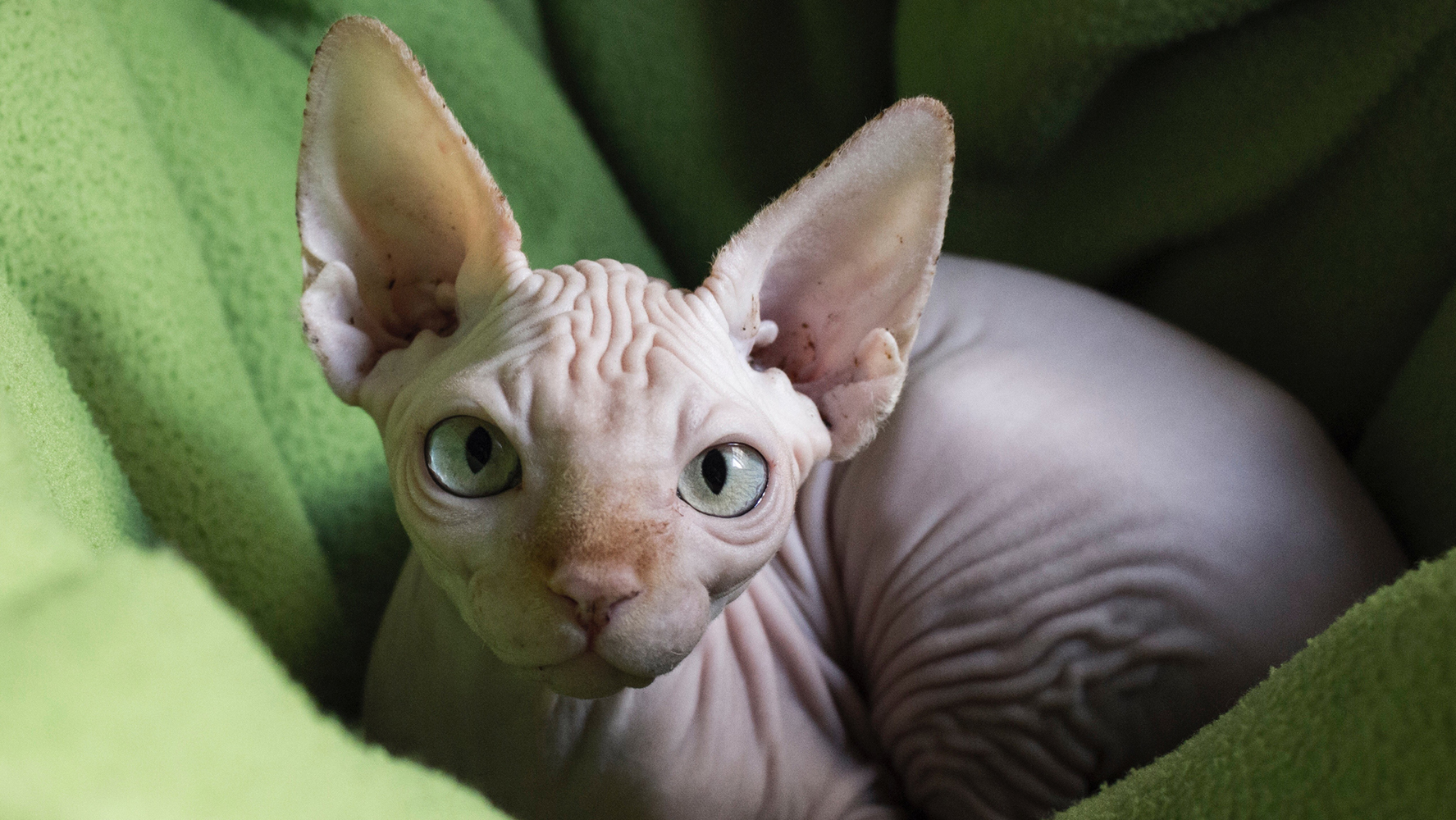
Credit: www.sciencefocus.com
Frequently Asked Questions
Is The Hairless Cat Natural?
Yes, hairless cats are natural. The Sphynx breed originated from a genetic mutation. Breeders developed this trait for pet lovers.
How Did The Hairless Cat Come To Be?
The hairless cat originated from natural genetic mutations. Breeders developed the Sphynx breed in the 1960s. They selectively bred cats with the hairless gene for distinctive appearance. This breed is known for its affectionate nature and unique look. The Sphynx requires special care due to its lack of fur.
Do Sphynx Cats Leave Oil Stains?
Yes, Sphynx cats can leave oil stains. Their skin produces natural oils, which can transfer to surfaces. Regular bathing helps minimize these stains. Keep furniture and bedding clean to manage oil residue effectively.
Are Sphynx Cats Actually Egyptian?
Sphynx cats are not Egyptian. They originated in Canada in the 1960s. Their name was inspired by their resemblance to ancient Egyptian statues. Despite their name, their roots are entirely North American. They are known for their unique appearance and friendly demeanor.
Conclusion
Hairless cats are a fascinating breed. Their lack of fur is natural. These cats have unique genetics. They don’t require special breeding processes. Understanding their care needs is important. They can be sensitive to cold. Regular skin care helps keep them healthy.
These cats offer companionship and warmth. Their striking appearance intrigues many pet lovers. Adopting a hairless cat can be rewarding. They bring joy and affection. Ensure you meet their specific needs. This helps them thrive. A hairless cat might be the perfect pet for you.
Their charm and personality are unmatched. Consider welcoming one into your home.