How to Stop Cats Scratching Furniture: Proven Solutions
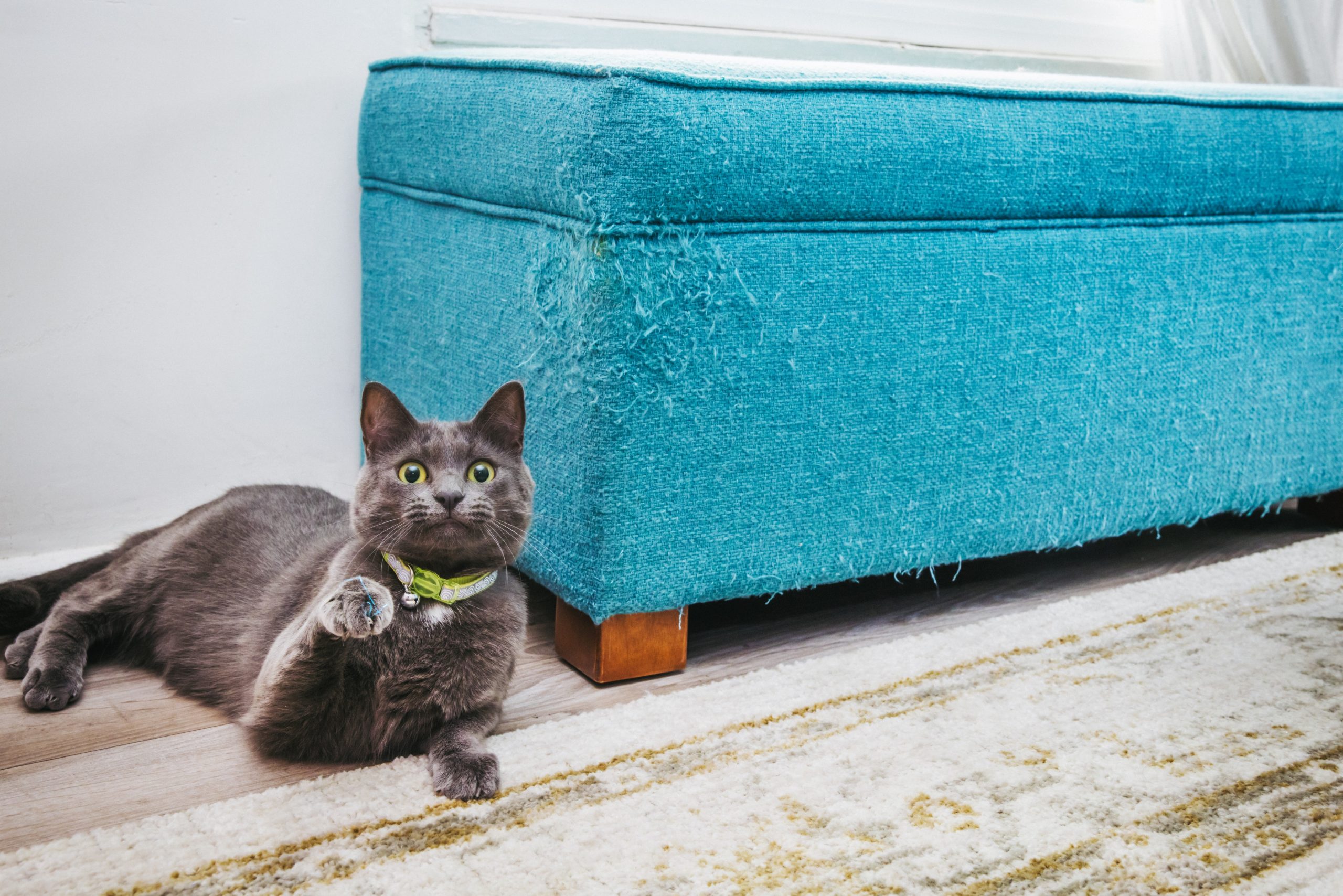
Are you tired of finding your beloved furniture turned into a scratching post by your furry friend? If so, you’re not alone.
Many cat owners face the same challenge, feeling a mix of frustration and love for their adorable yet destructive pets. But here’s the good news: there are simple, effective ways to protect your furniture without compromising your cat’s natural instincts.
Imagine a home where your couch remains intact, your cat remains happy, and you feel a sense of relief and control. This guide is your ticket to achieving that harmony. Keep reading to discover practical solutions that will transform your home into a scratch-free zone while keeping your feline companion content.
Understanding Cat Behavior
Understanding cat behavior is crucial if you want to stop your furry friend from transforming your couch into a scratching post. It’s not just about training; it’s about understanding why they do it and addressing their needs. Every cat owner has faced this challenge at some point, often finding themselves puzzled by their pet’s actions. So, let’s dive into the reasons behind this behavior and explore practical ways to redirect it.
Why Cats Scratch
Cats scratch to communicate. It’s their way of saying, “This is my space.” They also do it to mark territory, leaving visual and scent cues. Scratching helps them stretch muscles and maintain healthy claws. Imagine it like a workout and manicure combined. You might have noticed your cat scratching more during certain times of the day. This is normal, as it often follows waking up or a nap. They aren’t out to ruin your furniture; they’re just following their instincts.
Natural Instincts And Needs
Scratching satisfies several natural instincts. Cats are born hunters, and scratching helps them hone their skills. They need to keep their claws sharp for catching prey, even if the prey is just a feather toy. Moreover, scratching helps them relieve stress and express excitement. Remember, when your cat scratches, they’re fulfilling a deep-seated need. Consider providing alternatives like scratching posts or mats. Have you ever noticed a cat’s delight when they discover a new scratching post? It’s like gifting them a new toy.
Understanding these behaviors can shift your perspective. Instead of seeing scratching as a nuisance, view it as an opportunity to bond with your cat. Offer them appropriate places to scratch. Encourage your cat to use these spots by placing them strategically near their favorite hangouts. How could you make your home more cat-friendly without sacrificing style?
Take these insights to heart, and you’ll not only protect your furniture but also enrich your cat’s life. Address their needs, and you’ll find harmony between your home decor and your feline friend’s instincts.
Choosing The Right Scratching Posts
Scratching is a natural behavior for cats. They scratch to mark territory, sharpen claws, and stretch muscles. To protect your furniture, provide suitable scratching posts. The right scratching post can save your sofa and keep your cat happy. Let’s explore how to choose the perfect scratching post.
Types Of Scratching Posts
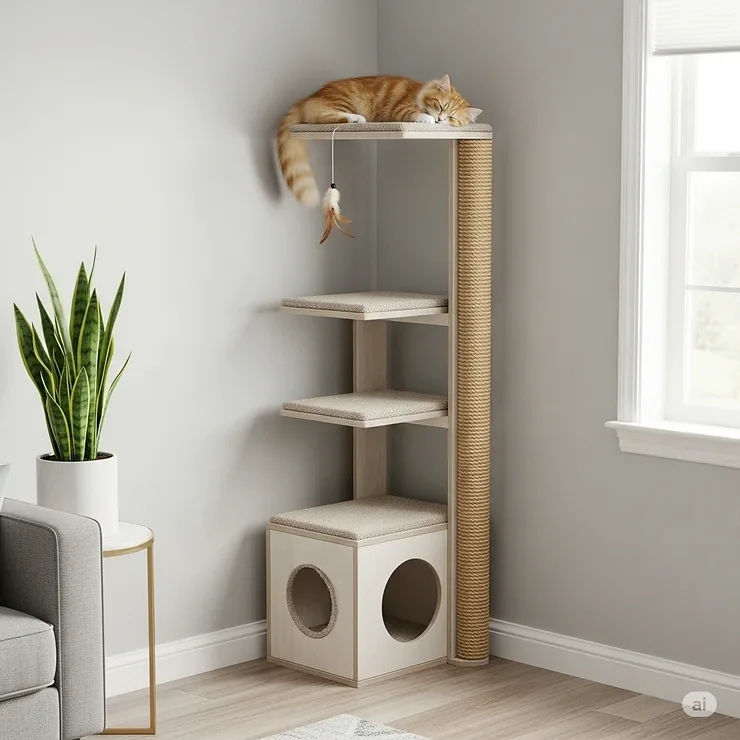
Scratching posts come in many types. Vertical posts are common. Cats like to stretch up high. Horizontal scratchers are great for floor-loving cats. Some posts are covered in sisal, a durable material cats love. Others have carpet or cardboard textures. Each type offers unique benefits. Consider your cat’s preferences. Some cats enjoy variety. Multi-surface posts offer different textures. They keep your cat entertained and satisfied.
Placement Tips For Maximum Use
Placement is key to success. Put the scratching post where your cat spends time. Near their favorite nap spot is ideal. Cats often scratch after waking up. Place posts near furniture they already scratch. This encourages them to switch. For multi-cat households, provide multiple posts. Ensure each cat has easy access. This reduces competition and stress. Move posts occasionally to maintain interest.
Training Techniques
Training your cat to stop scratching furniture can be simple. Implementing effective techniques is key. These approaches focus on understanding your cat’s behavior. They teach your cat alternatives to scratching furniture.
Positive Reinforcement
Positive reinforcement encourages good behavior in cats. Reward your cat for using a scratching post. Offer treats or affection each time. This builds a strong association with the scratching post. Your cat learns the post is a safe place to scratch. Praise your cat often for using it. Positive feedback boosts their confidence.
Redirecting Attention
Redirecting attention is another effective method. Distract your cat from furniture using toys. Play with them near their scratching post. This shifts focus away from the furniture. Cats need stimulation and exercise. Interactive toys are great for keeping them engaged. Provide a variety of toys to prevent boredom. This keeps their interest on acceptable alternatives.

Credit: wb-iisg.com
Protecting Furniture
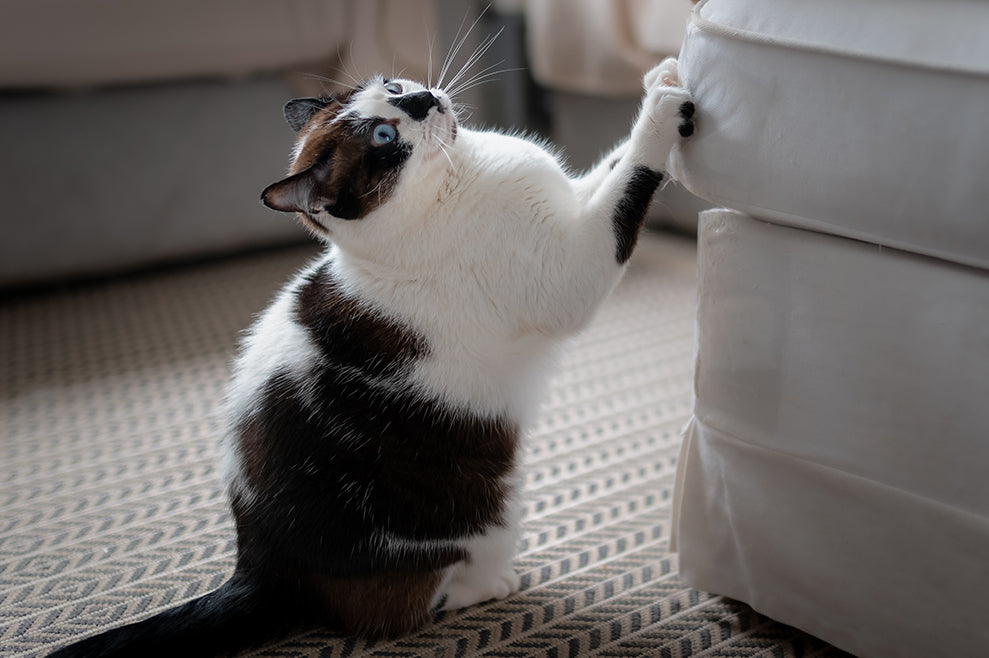
Cats naturally love to scratch, but furniture doesn’t have to suffer. Offer scratching posts to redirect their energy. Use furniture protectors and sprays to keep surfaces safe and discourage unwanted behavior.
Protecting your furniture from your cat’s sharp claws might feel like a daunting task, but with a few smart strategies, you can keep your living room looking pristine. Cats naturally scratch to keep their claws healthy and mark their territory, but this doesn’t mean your couch has to suffer. By understanding your feline friend’s habits and preferences, you can protect your furniture without compromising on your pet’s comfort.Using Furniture Covers
Furniture covers can be a lifesaver. They create a physical barrier between your cat’s claws and your beloved sofa. Opt for durable materials like thick cotton or microfiber that can withstand scratching. Some covers are stylish enough to blend seamlessly with your decor. They can be a temporary solution until your cat learns to scratch elsewhere. Plus, they’re easy to wash, keeping your home fresh and clean.Applying Deterrent Sprays
Deterrent sprays can be effective in keeping cats at bay. These sprays are designed to have smells that cats find unpleasant, like citrus or lavender. Apply them to areas you want to protect, and reapply regularly for the best results. Before using a spray, test it on a small fabric area to ensure it doesn’t stain. You might also consider making your own spray with water and essential oils. Does your cat seem unaffected by the spray? Try rotating between a few different scents to maintain its effectiveness. Protecting your furniture doesn’t mean you have to choose between style and practicality. By using covers and deterrents, you can maintain a beautiful home that both you and your cat love. What methods have you found most effective in keeping your furniture safe from scratching?Diy Solutions
DIY solutions offer effective ways to stop cats from scratching furniture. They allow you to use resources already available at home. This method is cost-effective and customizable. It is perfect for those who prefer hands-on approaches. Let’s explore some creative ideas to protect your beloved furniture.
Homemade Scratchers
Create a homemade scratcher using cardboard. Cardboard is affordable and easy to find. Cut cardboard into strips and stack them. Secure them with glue. This forms a durable scratcher. Place it where your cat loves to scratch. Cats enjoy the texture and will soon prefer it.
Another option is wooden planks. Wrap them with sisal rope. Sisal is sturdy and cats love it. Secure the rope tightly. The scratcher will last long. Add catnip to attract your feline friend. Your cat will be entertained for hours.
Repurposing Household Items
Old rugs make excellent scratchers. Cut the rug into small pieces. Place them near furniture. Cats find the texture appealing. It distracts them from scratching couches.
Use old towels for a quick fix. Hang them on furniture edges. Towels are soft but durable. Cats will enjoy the new scratching surface. It saves your furniture from damage.
Cardboard boxes can be repurposed too. Cut an entry hole and leave the box open. Cats love to scratch and play in boxes. They serve as both scratchers and hiding spots.
Credit: mademoggie.com.au
Understanding And Reducing Stress
Cats may scratch furniture due to stress. Stress can trigger unwanted behavior. Understanding stress can help manage it. Reducing stress can save your furniture. It also improves your cat’s well-being.
Identifying Stress Factors
Observe your cat’s behavior closely. Changes in routine can cause stress. New pets or family members can be stressful. Loud noises or moving furniture can upset cats. Identifying these factors is key.
Creating A Calm Environment
Provide a quiet space for your cat. A cozy bed or a corner can be perfect. Use calming scents like lavender. Soft music can soothe your cat. Ensure your cat has personal space.
Offer toys to distract and engage your cat. Scratching posts are a great option. They divert attention from your furniture. Regular playtime reduces anxiety. A happy cat scratches less.
Consulting Professionals
Sometimes, managing a cat’s scratching behavior alone can feel challenging. When home remedies don’t work, consulting professionals might be necessary. Experts can offer guidance tailored to your cat’s specific needs. This ensures both your peace of mind and your furniture’s safety. Let’s explore when and how to seek professional help.
When To Seek Help
Excessive scratching can signal deeper issues. If your cat scratches despite having alternatives, consider seeking professional advice. Persistent behavior may indicate stress or anxiety. Professional help can address these underlying problems. Don’t wait until the damage worsens. Act early to prevent long-term issues.
Working With Animal Behaviorists
Animal behaviorists specialize in understanding pets’ actions. They can identify triggers causing your cat’s scratching. With their expertise, they suggest practical solutions. This might include behavior modification techniques. Behaviorists often work closely with veterinarians. This ensures a comprehensive approach to your cat’s well-being.
Collaborating with an expert can lead to lasting change. It helps your cat feel more comfortable and reduces destructive behavior. Ultimately, this creates a harmonious living environment for both you and your pet.

Credit: wb-iisg.com
Frequently Asked Questions
How Do I Get My Cat To Stop Scratching My Couch?
Provide a scratching post near the couch. Use double-sided tape or a citrus spray on the couch. Reward your cat with treats when it uses the scratching post. Trim your cat’s nails regularly to reduce damage. Redirect your cat’s attention with toys when it approaches the couch.
What Scent Keeps Cats From Scratching Furniture?
Cats dislike citrus, lavender, and eucalyptus scents. These fragrances deter them from scratching furniture. Spray essential oils or use scented sachets to protect surfaces. Always ensure the scents are safe for pets. Regularly refresh the scent to maintain its effectiveness in repelling cats.
How To Punish A Cat For Scratching A Couch?
Redirect your cat’s behavior by offering scratching posts. Use deterrent sprays on the couch. Praise and reward your cat for using appropriate scratching areas. Consistency and patience are key in training. Avoid physical punishment, as it can harm your relationship with your cat.
How Do You Scratch Proof Furniture From Cats?
Use furniture covers or protective sprays. Trim your cat’s nails regularly. Provide scratching posts as alternatives. Use double-sided tape or aluminum foil on furniture edges. Train your cat with positive reinforcement to discourage furniture scratching.
Conclusion
Stopping your cat from scratching furniture takes patience. Use scratch posts. They help redirect your cat’s energy. Try sprays and covers to protect your furniture. Consistent training is crucial. Reward your cat with treats when they use the post. Keep nails trimmed to reduce damage.
Remember, cats scratch to mark territory and stretch. Understanding this helps in managing their behavior. Be patient and consistent. Eventually, your cat will learn. Your furniture will thank you. Enjoy a scratch-free home with your furry friend.

Similar Posts