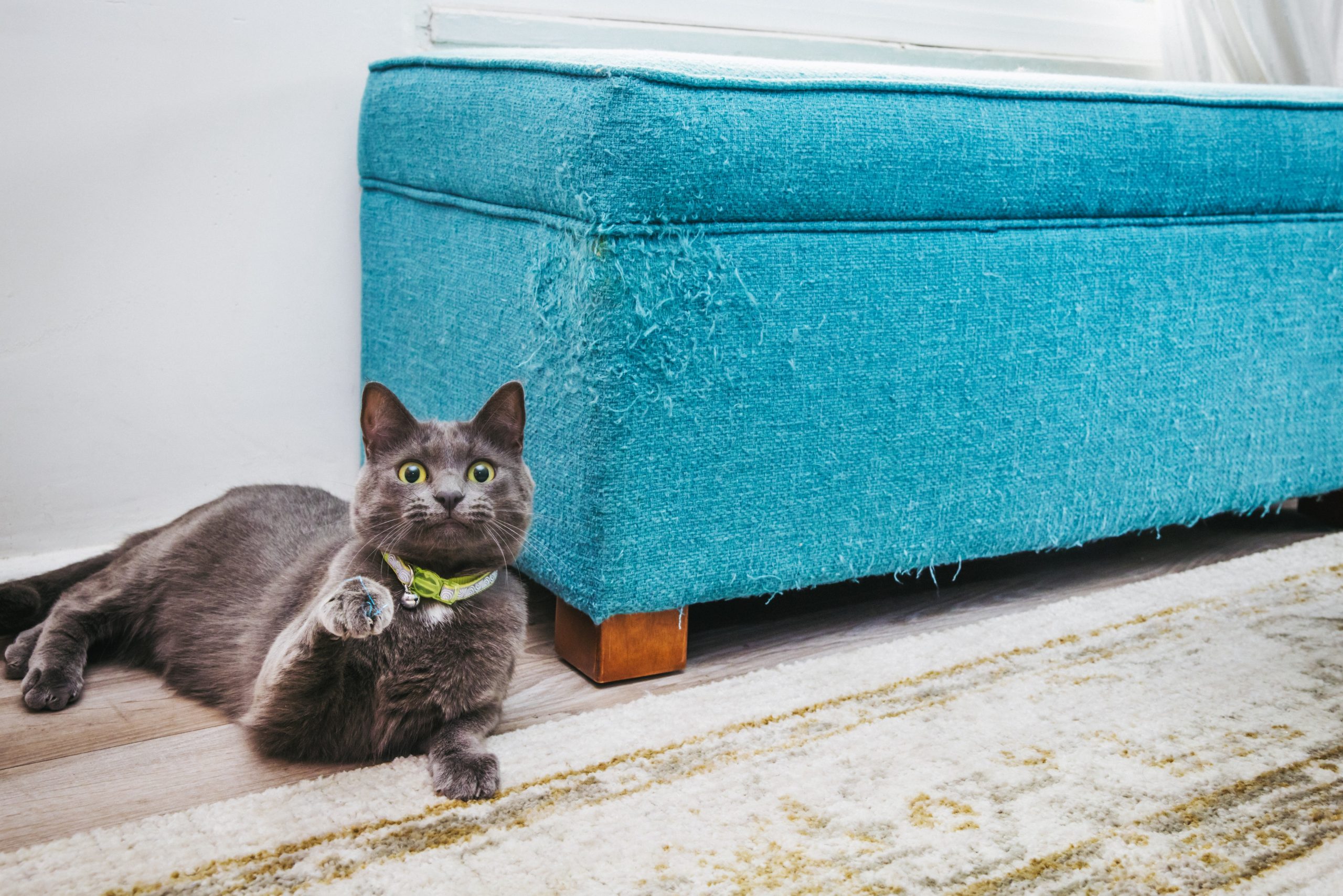
How to Stop Cats from Clawing Furniture: Effective Tips
Are your beloved cats turning your beautiful furniture into their personal scratching posts? You’re not alone.
Many cat owners face the frustrating challenge of keeping their furry friends from clawing up sofas, chairs, and other prized possessions. But here’s the good news: you can protect your furniture without sacrificing your cat’s happiness. We’ll share practical, effective strategies to redirect your cat’s clawing instincts.
Imagine a home where both your furniture and your feline can coexist peacefully. Read on to discover how to achieve this harmony and reclaim your living space from claw marks.
Understanding Cat Clawing Behavior
Cats clawing furniture can be a frustrating issue for pet owners. Understanding why cats claw is key to addressing this behavior. It’s not just about destruction. It’s rooted in their natural instincts and needs. This section will delve into the reasons behind cat clawing behavior.
Reasons Cats Claw
Cats claw for several important reasons. It’s not just a random act. One reason is to sharpen their claws. Sharp claws help them hunt and climb. Clawing also marks their territory. Cats have scent glands in their paws. When they claw, they leave their scent behind. This scent signals other animals.
Clawing is also a form of exercise. It stretches their bodies and flexes their feet. This activity helps keep them in shape. Finally, clawing relieves stress. A stressed cat might claw more often. Understanding these reasons can help manage clawing behavior.
Natural Instincts And Needs
Cats are natural hunters. Even domesticated cats have these instincts. Clawing is part of their hunting behavior. They need to keep their claws sharp and ready. Cats also have a strong need to mark their territory. They feel safe when they know their environment.
Scratching posts can help meet these needs. Provide alternatives to furniture. This satisfies their clawing instincts. It allows cats to exercise and mark territory safely. Meeting these natural needs reduces damage to furniture. Understanding these instincts is crucial.
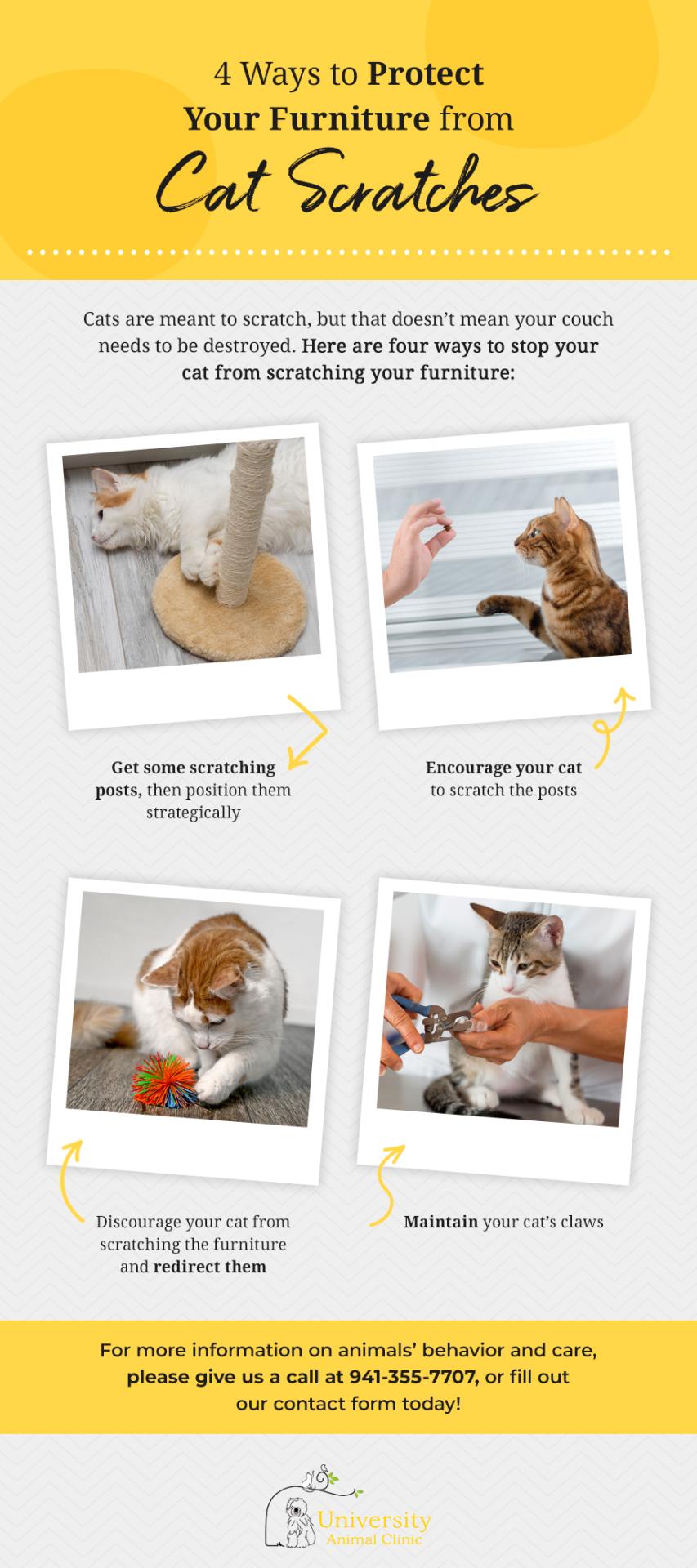
Credit: www.theuniversityanimalclinic.com
Choosing Suitable Alternatives
If your feline friend has been using your couch as a scratching post, it’s time to consider choosing suitable alternatives. There are practical solutions that can redirect your cat’s natural instincts to more appropriate outlets. With a few changes, you can save your furniture from further damage and keep your cat happy.
Scratching Posts And Pads
Scratching posts are a must-have for any cat owner. They provide a dedicated space for your cat to stretch and scratch, which helps them keep their claws healthy. Choose a post that’s tall enough for your cat to fully extend their body. A sturdy base will prevent it from toppling over during enthusiastic scratching.
Opt for different textures and materials. Cats love variety, so offering sisal, carpet, and cardboard can be more enticing. Place the scratching posts near areas where your cat spends most of their time. This makes it convenient for them to use the post instead of your furniture.
Interactive Toys And Activities
Interactive toys can distract your cat from targeting your furniture. Toys that move or make noise can keep them engaged and entertained. Try laser pointers, feather wands, or motorized toys to capture their attention.
Activities that stimulate your cat’s mind and body can reduce the urge to scratch furniture. Set up a play area with tunnels and climbing structures. These not only provide exercise but also satisfy their instinct to explore. Consider rotating toys to keep their interest alive.
Have you ever noticed how your cat reacts to new toys? Observing their preferences can guide you in selecting the best options. Engage with your cat during playtime to strengthen your bond and redirect their energy.
Are you ready to transform your home into a cat-friendly environment? By offering alternatives, you can protect your furniture and keep your cat content. What’s your strategy for dealing with your cat’s scratching habits?
Training Techniques
Cats love scratching. It keeps their claws healthy and marks territory. Sometimes, they pick your favorite couch as their scratching post. Training can change this behavior. Let’s explore techniques to stop your cat from clawing furniture.
Positive Reinforcement
Reward your cat for using a scratching post. Treats work well. Praise them when they scratch the post. Cats respond to positive feedback. It’s simple and effective.
Consistency is key. Regular rewards encourage good habits. Make sure the scratching post is attractive. Cats love sisal rope or carpet material. Place the post near the furniture they scratch. Gradually move it away.
Deterrents And Redirection
Use deterrents to keep cats away from furniture. Double-sided tape discourages scratching. Cats dislike sticky surfaces. Spray furniture with citrus scents. Cats avoid strong smells.
Redirect their attention. Offer toys or catnip near the scratching post. Engage them with playtime. Provide variety to keep them interested. Change toys often.
Redirecting helps them find new interests. Engage them with interactive toys. Keep them busy and away from furniture.
Protecting Your Furniture
Protecting your furniture from your cat’s claws can be a challenge. Cats naturally scratch to sharpen their claws and mark territory. It’s important to find ways to deter them without causing harm. This section explores practical methods to keep your furniture safe.
Furniture Covers And Guards
Furniture covers can be a simple solution. They add a layer of protection against scratches. Choose durable materials like canvas or denim. These fabrics withstand sharp claws better than delicate ones. Guards are another option. They attach to the sides of furniture. Guards can be transparent, maintaining the look of your home. They provide a barrier, preventing direct contact with the upholstery.
Effective Use Of Repellents
Repellents are useful in deterring cats from furniture. Citrus scents are unpopular with cats. Use sprays with orange or lemon oils. Apply them to your furniture regularly. Always test a small area first to ensure no damage. Use commercial cat repellents as a stronger option. Follow instructions carefully for the best results. Repellents are not a one-time fix. Consistent use is key to effectiveness.
Creating A Cat-friendly Environment
Creating a cat-friendly environment is essential to stop furniture clawing. Cats need spaces that cater to their natural instincts. This includes areas for climbing, scratching, and exploring. Providing such spaces can protect your furniture from unwanted claw marks. A well-designed environment keeps your cat happy and engaged.
Designing Engaging Spaces
Engaging spaces stimulate a cat’s curiosity. Start by selecting a variety of textures for scratching. Cardboard, sisal, and carpet can be great options. Place scratching posts near their favorite spots. Offer toys that mimic prey. Balls, feathers, and interactive toys keep them active. Rotate toys regularly to maintain interest.
Adding vertical spaces encourages exploration. Cats love to perch high and observe. Install shelves or cat trees to satisfy this need. Ensure they are stable and safe. Cats enjoy lounging in sunny spots. Set up cozy beds near windows. This lets them watch the outside world.
Incorporating Climbing Structures
Climbing structures can transform a room into a playground. Cat trees are a popular choice. They combine scratching, climbing, and lounging areas. Choose ones that match your cat’s size. Wall-mounted shelves can add variety. They create pathways for exploration. Ensure they are securely attached.
Tunnels and hideaways add excitement. Cats love to hide and seek. Place tunnels in different corners. This offers new routes and hiding spots. Create multi-level spaces. A mix of high and low areas keeps cats engaged. This setup satisfies their climbing instincts.
:strip_icc()/keep-cat-from-scratching-carpet-554831_final-a8dcf3bb9e3b4c269259604c244f42d5.png)
Credit: wb-iisg.com
Maintaining Consistency
Cats often scratch furniture to sharpen their claws. Provide scratching posts as alternatives. Consistently reward them for using posts.
Cats are adorable companions, but their natural instinct to claw can wreak havoc on your furniture. Consistency is key when training your feline friend to redirect their scratching habits. Without a consistent approach, your efforts might be in vain, leaving you and your furniture in a constant battle.Monitoring Behavior
Pay close attention to your cat’s scratching patterns. Do they target a specific piece of furniture or a particular time of day? Understanding these habits can help you intervene effectively. Keep a log of your observations. This can be as simple as jotting down notes about when and where your cat scratches. Ask yourself: What triggers this behavior? Is it a particular texture or location?Adjusting Strategies as Needed
If your initial strategy isn’t working, don’t hesitate to tweak it. Maybe your cat isn’t interested in the scratching post you provided. Try different materials or locations to see what captures their interest. Experiment with deterrents like double-sided tape or citrus sprays on your furniture. If one deterrent doesn’t work, there’s a good chance another might. Share your experiences with other cat owners. You might discover an innovative solution you hadn’t considered. Consistency doesn’t mean rigidity. It’s about maintaining a steady approach, yet being flexible enough to adapt as you learn more about your cat’s preferences. Have you tried rewarding your cat for using their scratching post? Positive reinforcement can be a powerful tool in shaping their behavior.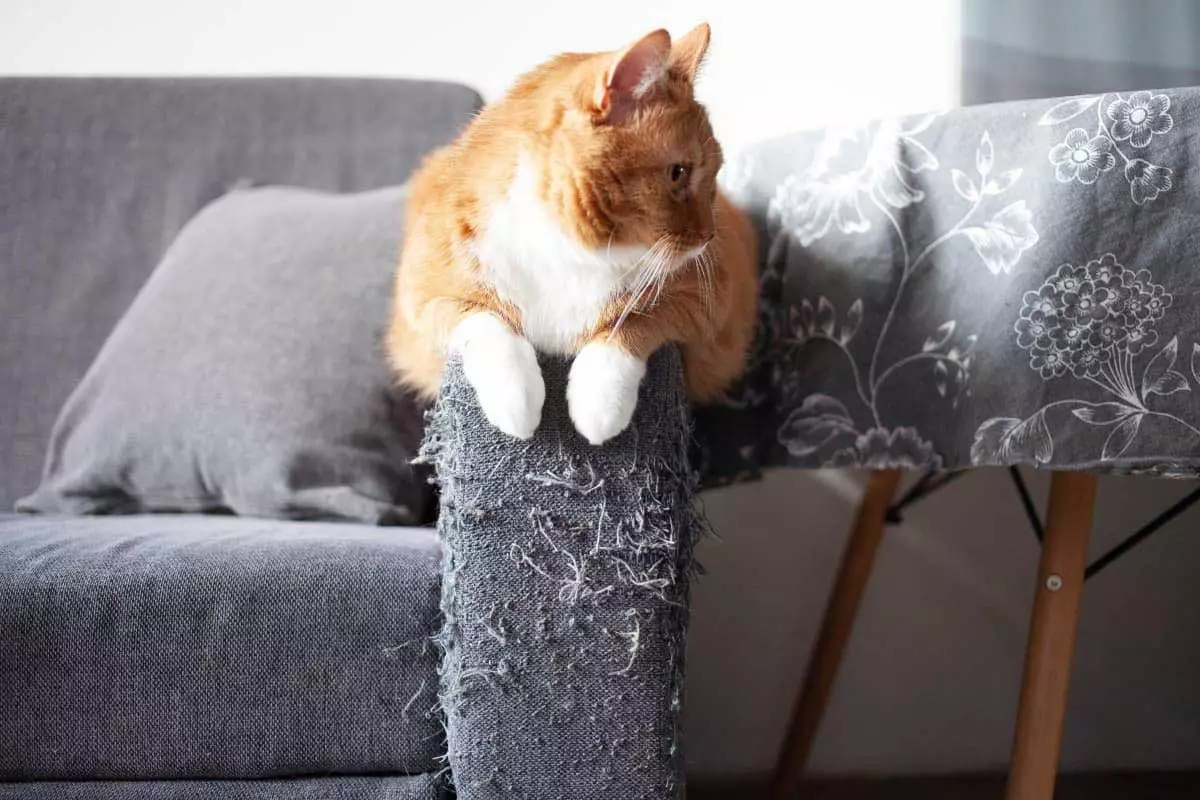
Credit: blog.homesalive.ca
Frequently Asked Questions
How Do I Get My Cat To Stop Scratching My Furniture?
Place scratching posts near furniture. Reward your cat for using them. Use furniture covers or double-sided tape. Trim your cat’s nails regularly. Consider spray repellents made for cats.
What Scent Keeps Cats From Scratching Furniture?
Cats dislike citrus scents like orange, lemon, and lime. Lavender and eucalyptus also deter them. Use these natural scents to keep cats from scratching furniture. Spray essential oils or place peels near targeted areas to protect your furniture effectively.
How Do You Scratch Proof Furniture From Cats?
Use furniture covers or scratch guards to protect surfaces. Trim your cat’s nails regularly. Provide scratching posts to divert their attention. Use deterrent sprays like citrus scents on furniture. Train your cat with positive reinforcement to discourage scratching.
At What Age Do Cats Stop Clawing?
Cats never completely stop clawing, but the behavior often decreases with age. Training and alternatives like scratching posts help.
Conclusion
Stopping cats from clawing furniture requires patience and understanding. Use scratching posts to redirect their behavior. Consistent training helps them learn where to scratch. Provide enticing toys to keep them occupied. Cover furniture with protective materials if needed. Reward your cat when they use the scratching post.
This positive reinforcement works wonders. Remember, every cat is unique. Find what works best for yours. Over time, your cat will adapt. Your furniture will thank you. Enjoy a happy home with happy cats!


