
If you’re a cat owner, you’ve likely faced the not-so-pleasant experience of finding a hairball on your carpet or couch. While it’s a common occurrence, frequent hairballs can be a sign of discomfort for your furry friend and a headache for you.
But what if you could minimize or even prevent these messy incidents? Imagine a home free from unexpected hairball surprises and a happier, healthier cat. This isn’t just wishful thinking—it’s entirely possible. You’ll discover simple, effective strategies to reduce hairballs and enhance your cat’s well-being.
Keep reading to transform your cat’s grooming routine and your home’s cleanliness.
Understanding Hairballs
Cats are known for their grooming habits. They spend a large part of their day cleaning themselves. This grooming often leads to the formation of hairballs. Understanding hairballs is key to preventing them. Hairballs are not just a nuisance. They can cause discomfort for your cat.
What Causes Hairballs?
Hairballs form when cats ingest loose hair. This usually happens during their grooming process. The tongue’s tiny hooks catch loose fur. Most swallowed hair passes through the digestive system. Sometimes, though, it collects in the stomach. This can form a hairball. Long-haired cats are more prone to hairballs. Frequent grooming can also increase the risk.
Symptoms Of Hairballs
Hairballs have some noticeable symptoms. Your cat may cough or gag. They might try to vomit but fail. You may notice a lack of appetite. Your cat might become less active. Sometimes, you will see actual hairballs. These are often tubular in shape. If symptoms persist, consult a vet. Persistent symptoms might indicate a blockage.
Credit: smallpetselect.com
Grooming Techniques
Grooming is key to preventing cat hairballs. It helps manage shedding. Regular grooming keeps your cat’s coat healthy. It reduces loose hair that cats swallow. Implementing the right techniques can make a big difference.
Regular Brushing
Brushing your cat’s coat frequently is essential. It removes loose hair before your cat ingests it. Use a brush suited for your cat’s fur type. Short-haired cats need less frequent brushing. Long-haired cats require daily brushing. This routine minimizes hairballs significantly.
Choose a brush that feels comfortable to your cat. Some cats prefer soft bristles. Others might like combs with wide teeth. Start with gentle strokes. Gradually increase pressure as your cat gets used to it. Regular brushing is a bonding experience. It keeps your cat’s coat shiny and reduces hairballs.
Bathing Tips
Bathing your cat can help with hairball prevention. It removes excess fur and dander. Not all cats enjoy baths. Introduce bathing gently and slowly. Use warm water and a mild cat shampoo. Make sure the shampoo is safe for cats. Avoid using human shampoos.
Rinse thoroughly to remove all shampoo residue. Dry your cat gently with a towel. Ensure they are warm and comfortable after a bath. Regular baths can reduce shedding and hairballs. Keep the bathing routine consistent but not too frequent.
Dietary Solutions
Preventing cat hairballs can often start with a change in diet. Certain foods help reduce hairball formation. This section explores dietary solutions that address this issue effectively.
High-fiber Foods
High-fiber foods can help your cat’s digestion. Fiber aids in moving hair through the digestive system. Many cat foods contain added fiber. Check labels for fiber content. Consider foods with natural fiber sources. They might include pumpkin or beet pulp. These ingredients promote healthier digestion.
Hydration Importance
Proper hydration is essential for cats. Water aids in digestion and prevents hairball buildup. Ensure your cat has access to fresh water. Wet cat food can increase moisture intake. Some cats prefer running water. Try a pet water fountain to encourage drinking. Hydration keeps the digestive system running smoothly.
Credit: wetnosespetsitting.com
Specialized Products
Dealing with cat hairballs can be a messy and frustrating experience, both for you and your feline friend. Fortunately, there are specialized products available that can help minimize the occurrence of hairballs. These products are designed to support your cat’s digestive health and manage the shedding that leads to hairball formation.
Hairball Control Treats
Hairball control treats are a convenient way to help your cat manage hairballs. These treats often contain ingredients like fiber, which aids in moving hair through your cat’s digestive system. Offering your cat hairball control treats regularly can be an enjoyable routine for both of you.
Imagine spending a quiet afternoon watching your cat playfully chase a treat across the floor, knowing that it also supports their health. Look for treats that are made with natural ingredients and check for any added benefits like vitamins or minerals.
Lubricating Supplements
Lubricating supplements are another effective option for preventing hairballs. These products typically come in a gel or paste form and help to smooth the passage of hair through your cat’s intestines. Adding these supplements to your cat’s diet can be simple and stress-free.
Have you ever wondered how a small change in your pet’s diet could make a big difference in their comfort? Lubricating supplements often have flavors that cats love, making it easier to administer. Always follow the dosage recommendations on the packaging to ensure your cat receives the right amount.
Choosing the right specialized product can significantly reduce the hassle of hairballs. Pay attention to your cat’s preferences and any changes in their behavior. Are there other products or methods you have tried that worked wonders for your cat’s hairballs? Share your experiences and consider the options that best fit your pet’s needs.
Environmental Adjustments
Brushing your cat regularly can reduce hairballs. Provide a balanced diet to improve their coat health. Encourage play and exercise to minimize shedding.
When it comes to preventing cat hairballs, environmental adjustments can play a pivotal role. Simple changes in your home environment can significantly reduce the occurrence of these pesky hairballs. By creating a stress-free and clean environment, you can help your feline friend live a more comfortable life.Reducing Stress
Cats are sensitive creatures, and stress can lead to excessive grooming, which contributes to hairball formation. Have you noticed your cat licking more during noisy events or when there are guests? Reducing stress in your home can be as simple as providing your cat with a quiet space to retreat to when things get hectic. Consider setting up a cozy corner with a soft blanket and favorite toys. This safe haven can help your cat feel secure. You might also introduce calming pheromone diffusers, which can create a soothing atmosphere. Remember, a relaxed cat is less likely to over-groom.Keeping Home Clean
A clean home isn’t just about aesthetics—it’s essential for your cat’s health. Dust and dirt can cling to your cat’s fur, encouraging more licking and grooming. Are you keeping up with your cleaning routine? Regular vacuuming and dusting can minimize the dirt your cat picks up. Think about your cat’s litter box. Keeping it clean can prevent your cat from picking up dust on its paws, which often leads to excessive licking. You might also wash your cat’s bedding and toys frequently. A clean environment can significantly decrease the amount of fur your cat ingests. By making these environmental adjustments, you not only tackle the issue of hairballs but also enhance your cat’s overall well-being. What changes will you make to improve your furry friend’s life today?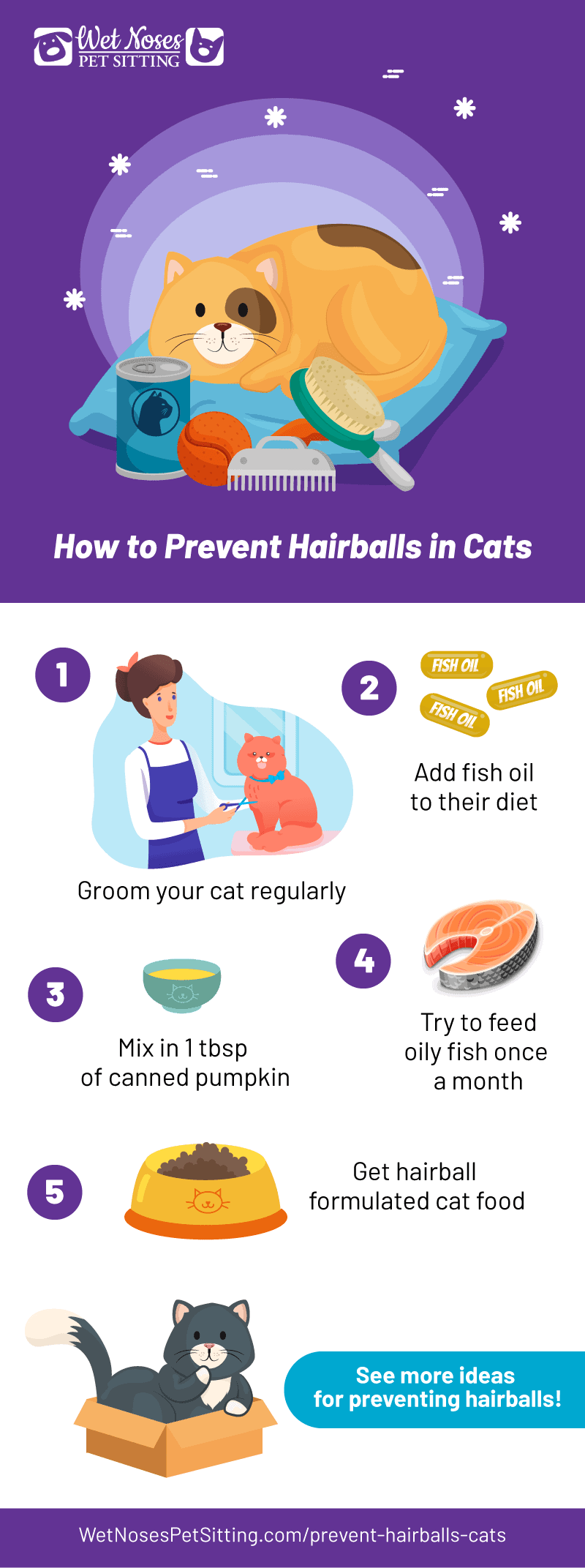
Credit: wetnosespetsitting.com
When To Consult A Veterinarian
Unexpected hairball issues in cats might require a vet’s expertise. Regular grooming and a balanced diet can help minimize hairball formation. Consult a veterinarian if your cat shows frequent vomiting or discomfort, ensuring proper health management.
Caring for your cat involves more than just feeding and petting; it requires attention to their health needs, too. While hairballs are common, they can sometimes signal an underlying issue. Knowing when to consult a veterinarian can be crucial for your cat’s well-being. This section will guide you through the signs and professional treatments that might require a vet’s expertise.Signs Of Complications
If your cat frequently coughs without producing a hairball, it might be time to worry. Persistent vomiting, loss of appetite, or lethargy are also red flags. Are you noticing any unusual behavior in your cat? These could be signs of a blockage or other serious complications that need immediate attention. Unexpected occurrences, like your cat avoiding its favorite toy or resting more than usual, may indicate discomfort. Trust your instincts; you’re the best judge of your pet’s normal behavior. If something feels off, don’t hesitate to reach out to a vet.Professional Treatments
When you consult a veterinarian, they might suggest treatments beyond your regular at-home care. Lubricants or special diets can help reduce hairball formation. Your vet may recommend certain cat foods designed to pass hair through the digestive system more efficiently. In some cases, more advanced interventions like surgery might be necessary. These are rare but important procedures that can save your cat from severe complications. Regular check-ups ensure that any developing issues are caught early, making treatment easier and less stressful for your furry friend. What are your experiences with cat hairballs? Have you ever had to consult a vet for this reason? Share your thoughts and help others in the community.Frequently Asked Questions
What Can I Give My Cat To Prevent Hairballs?
Feed your cat a high-fiber diet or specialized hairball control food. Regular grooming helps reduce shedding. Provide plenty of water and use hairball prevention treats or gels. Maintain a clean environment to minimize loose hair.
Does Wet Cat Food Prevent Hairballs?
Wet cat food can help prevent hairballs by improving digestion. Its moisture content aids in moving hair through the digestive tract. High-quality wet food often contains fiber, which further assists in reducing hairballs. Always consult your vet for the best dietary choices for your cat.
How To Stop Cats Bringing Up Hairballs?
Feed your cat a high-fiber diet to reduce hairball formation. Regular grooming helps remove loose hair. Provide hairball control treats. Ensure your cat stays hydrated. Consult your vet for persistent issues.
Why Is My Cat Getting A Lot Of Hairballs?
Cats often get hairballs from excessive grooming. Long-haired breeds shed more, increasing hairball risk. A high-fiber diet can help. Regular brushing reduces shedding, minimizing hair ingestion. If hairballs are frequent, consult a vet to rule out digestive issues.
Conclusion
Preventing cat hairballs requires simple steps. Regular brushing helps reduce loose fur. Choose a high-fiber diet for your cat. It aids digestion and minimizes hairball formation. Keep your cat hydrated. Water supports smooth hair passage. Play with your cat often.
Exercise reduces stress and excessive grooming. Always consult your vet for advice. They offer personalized guidance based on your cat’s needs. Remember, a little effort goes a long way. Your cat will feel more comfortable. And you’ll see fewer hairballs around the house.
Enjoy a cleaner home and a happier cat.