Why Do Cats Scratch Furniture? Unveiling Feline Secrets
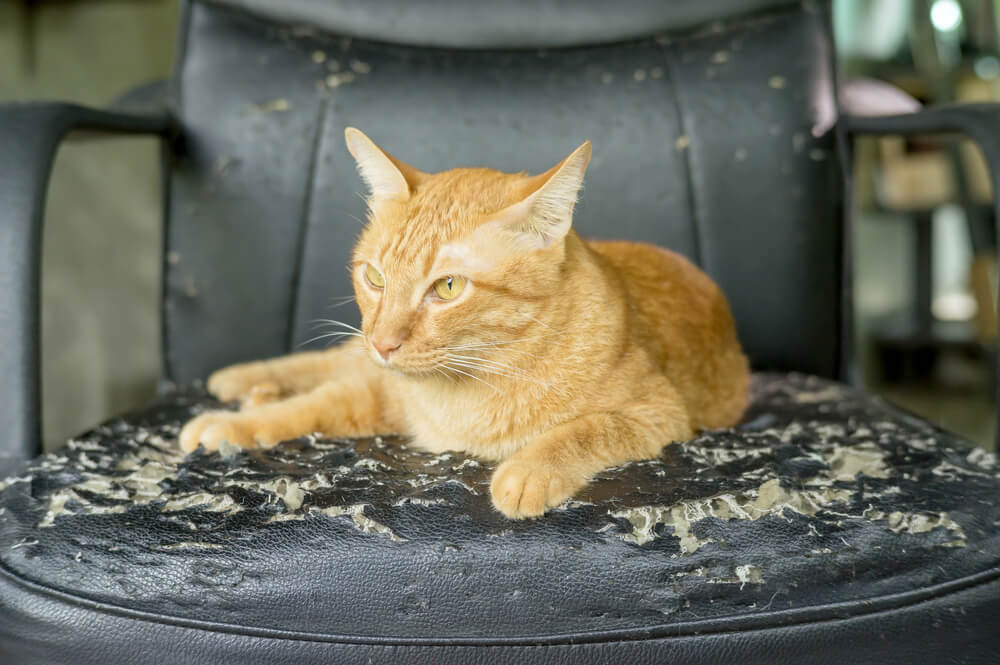
Have you ever walked into your living room only to find your favorite armchair looking more like a shredded cheese grater than a cozy piece of furniture? If you own a cat, this scenario might be all too familiar.
Cats are adorable, mysterious, and sometimes downright perplexing creatures. Among their many quirks, the habit of scratching furniture often leaves cat owners scratching their heads in frustration. But why do our feline friends insist on turning our couches into their personal scratching posts?
Understanding the reasons behind this behavior can save your furniture and strengthen the bond with your furry companion. Dive into this article to uncover the secrets behind this scratching behavior and discover ways to protect your beloved furniture while keeping your cat happy and healthy.

Credit: www.petmd.com
Instinctive Behaviors
Cats have unique behaviors that sometimes baffle their owners. One of these is scratching furniture. This instinctive behavior is deeply rooted in their nature. Understanding why they do this helps in managing it. Cats scratch for several reasons. Each serves a purpose linked to their instincts.
Marking Territory
Cats are territorial creatures. They mark their space in several ways. Scratching is one such method. When a cat scratches, it releases scent from glands in its paws. These scents mark their territory. It’s their way of saying, “This is mine.” The visual marks left on surfaces also signal ownership. Both scent and sight work together. They help establish a cat’s domain.
Exercise And Stretching
Scratching also helps cats stay fit. It provides a form of exercise. Cats stretch their bodies while scratching. This keeps their muscles strong and flexible. It’s similar to a human workout. Stretching keeps cats agile. It helps them maintain their natural grace and balance. Scratching also aids in claw health. It removes dead layers from their claws. This keeps their nails sharp and healthy.
Credit: us.feliway.com
Physical Benefits
Cats have an instinct to scratch furniture, which offers them various physical benefits. Scratching is not just a random act; it serves important purposes for their well-being. Understanding these benefits helps to appreciate why cats engage in this behavior.
Nail Health
Scratching helps maintain healthy nails. It removes the outer nail layers. This keeps their claws sharp and clean. Regular scratching prevents nails from overgrowing. Healthy nails are crucial for climbing and self-defense.
Muscle Toning
Scratching exercises a cat’s muscles. It stretches their legs and back. This act keeps muscles strong and agile. Regular muscle toning supports a cat’s balance and coordination. Active muscles help them stay fit and healthy.
Communication Methods
Cats scratch furniture to mark their territory and keep their claws sharp. This behavior is natural for communication and grooming. Providing scratching posts can help protect your furniture.
Cats are fascinating creatures with unique communication methods. Scratching furniture is one way they express themselves. Understanding these methods can help you connect with your feline friend. Cats use scratching for visual cues and scent marking. Each serves a distinct purpose in their world.Visual Cues
Cats leave visible marks on furniture. These marks communicate territory boundaries. Scratching shows other animals the cat’s presence. It’s a clear message to stay away. The marks also help cats feel secure in their environment. Seeing their own marks provides reassurance. It’s a visual reminder of their domain.Scent Marking
Cats have scent glands in their paws. Scratching releases their unique scent onto surfaces. This scent is a personal signature, a communication tool. Other animals can detect this scent. It signals the cat’s territory and identity. Scent marking is a natural instinct. It’s a way for cats to communicate without making noise.Environmental Influences
Cats, often seen as mysterious creatures, have their own set of behaviors influenced by their surroundings. One intriguing habit is scratching furniture, which can be heavily affected by environmental factors. Understanding these influences can help you create a more harmonious space both for you and your feline friend.
Space And Resources
The space available to a cat can greatly impact its behavior. In smaller homes, cats may feel cramped and resort to scratching as a way to mark territory or express frustration. Consider the arrangement of your furniture—does your cat have enough room to explore and play?
Resources are also crucial. If your cat lacks sufficient scratching posts or interactive toys, it might turn to your couch as a substitute. You can enrich your cat’s environment by adding vertical spaces like shelves or cat trees. How can you redesign your space to offer more engagement for your cat?
Stress Factors
Cats are sensitive animals and stress can significantly affect their behavior. Changes like moving to a new home or introducing a new pet can trigger anxiety, leading to increased scratching. Have you noticed any recent changes in your household that might be stressing your cat?
Recognizing these stress factors is essential for addressing them. For instance, providing a quiet area where your cat can retreat might help alleviate its anxiety. What steps can you take to create a calming environment for your furry friend?
By paying attention to the environmental influences affecting your cat’s behavior, you can foster a more peaceful and satisfying living arrangement. Remember, understanding your cat’s needs is key to reducing unwanted scratching and enhancing your relationship with your pet.
Preventative Strategies
Cats naturally scratch objects. It helps them to sharpen their claws. It also marks their territory. Unfortunately, this often means your furniture. However, you can prevent this. Use smart strategies to keep furniture safe. Let’s explore some effective methods.
Providing Scratching Posts
Scratching posts are a cat’s best friend. They offer a good alternative to furniture. Choose posts with different textures. Some cats like sisal. Others prefer carpet. Place them in areas your cat frequents. Near their bed is a good spot. Tall posts encourage full-body stretches. This satisfies their natural urge. Offer a variety to maintain interest.
Using Deterrents
Deterrents can protect your furniture. Double-sided tape is effective. Cats dislike sticky surfaces. Spray furniture with citrus scents. Most cats avoid these smells. Use aluminum foil on favorite scratching spots. The texture deters many cats. Consistency is key. Always reapply deterrents as needed.
Understanding Cat Psychology
Cats scratch furniture to keep their claws sharp and healthy. This natural behavior also marks their territory with scent and visual cues. Providing scratching posts can help protect your furniture.
Understanding the psychology of cats can help you grasp why they scratch furniture. This natural behavior might be frustrating, but it has deep roots in their instincts and social interactions. By recognizing these underlying factors, you can find effective ways to redirect their scratching.Natural Habits
Cats are natural hunters, and scratching is part of this instinct. It helps them keep their claws sharp and ready for action. Scratching also allows them to stretch their bodies, which is vital for their physical health. Have you ever noticed how your cat stretches out before a scratch? This is a way for them to mark their territory. The scent glands in their paws leave behind a personal scent. It’s like their own signature, saying, “This is my space.” Providing scratching posts can satisfy these habits. Place them in areas where your cat likes to scratch. This way, they can continue their natural behavior without ruining your furniture.Social Dynamics
Scratching also plays a role in a cat’s social life. Cats are territorial creatures, and scratching marks their territory both visually and with scent. This is crucial in multi-cat households where territory can be a matter of dispute. Consider how cats greet each other. They often rub against each other or objects to share scents. Scratching serves a similar social function, letting other cats know about their presence and boundaries. Have you thought about how scratching might be your cat’s way of communicating with you? They might scratch furniture when they want attention or when there’s a change in the household. Recognizing these cues can help you address their needs more effectively. Understanding these aspects of cat psychology can turn a frustrating habit into an opportunity for bonding and improving your pet’s well-being. So, the next time your cat scratches, see it as a window into their world rather than just a problem to fix. How can you create an environment that respects their instincts and keeps your home intact?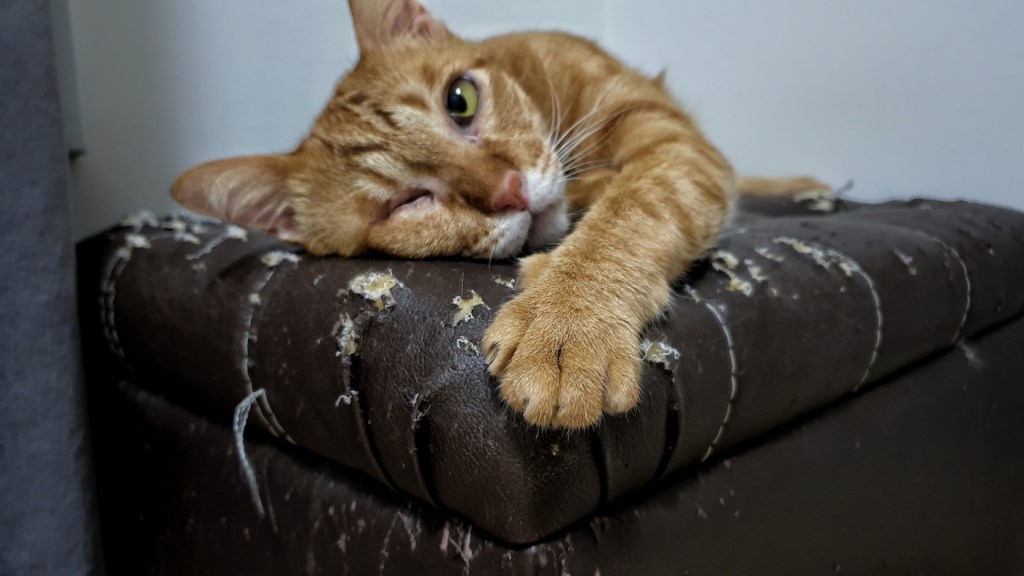
Credit: www.sciencefriday.com
Frequently Asked Questions
What Does It Mean When A Cat Scratches Furniture?
Cats scratch furniture to mark territory, sharpen claws, and stretch muscles. It’s a natural behavior, not misbehavior. Provide scratching posts to redirect this activity.
How Do I Get My Cat To Stop Scratching The Couch?
Place a scratching post near the couch. Use cat-friendly deterrents on the furniture. Reward your cat for using the post. Trim your cat’s nails regularly to reduce damage. Provide toys to distract and engage your cat, keeping them away from the couch.
At What Age Do Cats Stop Clawing?
Cats typically stop clawing as they mature, around 1 to 2 years old. Providing scratching posts helps.
Do Cats Scratch Furniture More When Stressed?
Yes, stressed cats often scratch furniture more. Scratching helps them relieve anxiety and mark territory. Providing scratching posts and reducing stressors can help protect your furniture.
Conclusion
Cats scratch furniture for natural reasons. They need to mark territory. It sharpens their claws. It’s also a way to stretch and exercise. You can manage this behavior. Provide scratching posts. Use deterrents on furniture. Train your cat gently. This reduces damage and keeps your cat happy.
Observe your cat’s habits. Adapt your home environment. Protect your furniture while respecting their needs. Understanding your cat’s instincts helps. It builds a better bond with your feline friend. Keep their nails trimmed. Love and patience go a long way.