How to Brush Cat Teeth: Expert Tips for Success
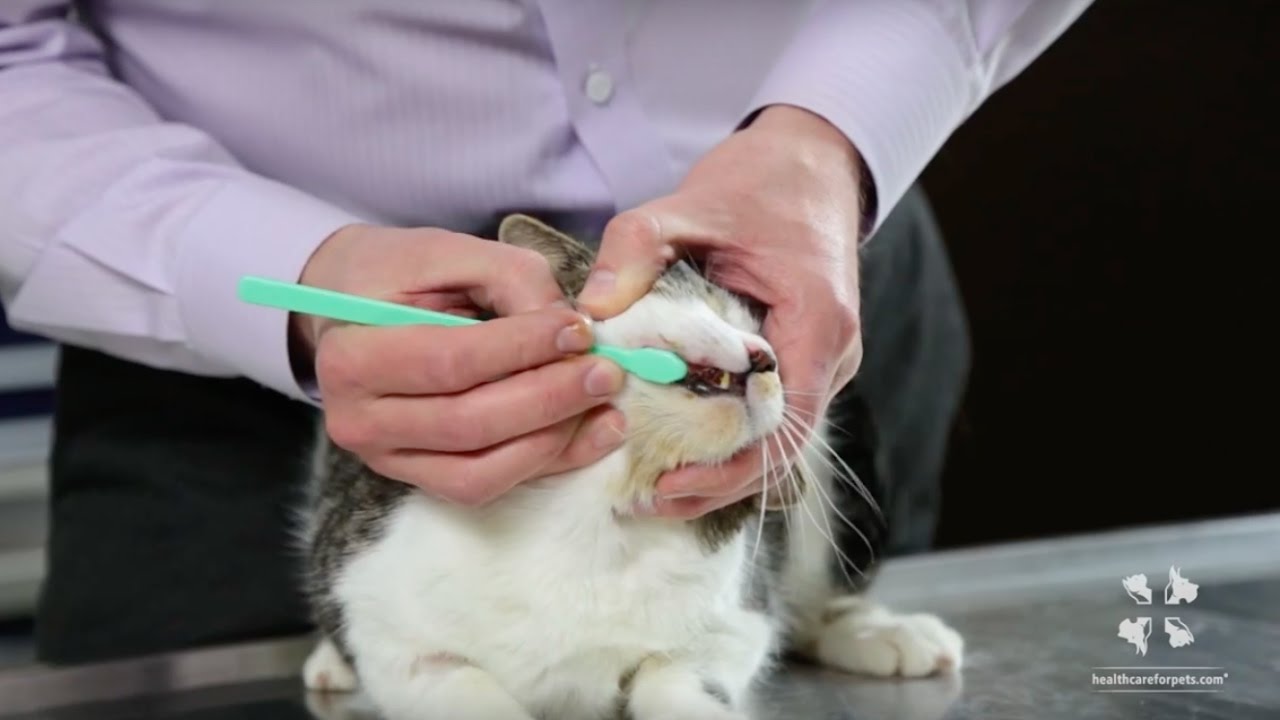
Are you worried about your cat’s dental health? You’re not alone.
Many cat owners overlook the importance of brushing their feline friends’ teeth, leading to potential health issues down the road. Imagine avoiding costly vet bills and ensuring your cat has a happy, healthy smile. Sounds great, right? You’re in the right place to learn how to make this part of your routine stress-free for both you and your cat.
We’ll guide you step-by-step on how to brush your cat’s teeth effectively, turning what might seem like a daunting task into a simple habit. Keep reading to discover the secrets to maintaining your cat’s dental health effortlessly.
Credit: thecatdoctor.co.uk
Importance Of Cat Dental Care
Caring for your cat’s dental health is crucial for their overall well-being. Just like humans, cats can suffer from gum disease, tooth decay, and bad breath. These issues can lead to more serious health problems if ignored. By maintaining your cat’s dental health, you are ensuring they live a longer, happier life.
Why Cat Dental Care Matters
Have you ever noticed your cat’s reluctance to eat or play? Dental issues could be the culprit. Cats often hide pain, making it difficult to detect problems early. Regular dental care helps prevent discomfort and keeps your furry friend active and joyful.
Think about how often you brush your teeth. Cats need similar attention to maintain their oral health. Plaque buildup can lead to infections, affecting their heart, kidneys, and liver. It’s not just about their teeth; it’s about their whole body.
Identifying Signs Of Dental Problems
Do you ever wonder if your cat is in pain? Look for signs like difficulty eating, drooling, or bleeding gums. Bad breath is another indicator that something might be wrong. These symptoms suggest it’s time for a vet visit.
Be observant when your cat yawns or grooms. If you notice anything unusual, it’s better to act quickly. Early detection can make a huge difference in treatment and recovery.
Preventative Measures You Can Take
Consider setting up a dental care routine for your cat. Start by introducing them to a toothbrush and pet-friendly toothpaste. Make it a positive experience by rewarding them with treats or playtime afterward.
Regular vet check-ups are essential. Your vet can provide professional cleanings and advice tailored to your cat’s needs. Remember, prevention is key to avoiding painful and costly treatments down the road.
Creating A Routine That Works
Is brushing your cat’s teeth part of your routine yet? Begin slowly by letting your cat sniff the toothbrush and toothpaste. Gradually work your way up to brushing their teeth, focusing on the back molars where plaque builds up most.
Consistency is vital. Aim to brush your cat’s teeth several times a week. Even a few minutes can make a difference in their dental health.
Making Dental Care Enjoyable
How can you make dental care less of a chore? Turn it into a bonding activity. Use gentle strokes and talk to your cat in a soothing voice. Your cat will associate brushing with positive attention.
Experiment with different toothpaste flavors. Some cats prefer chicken or fish-flavored options. Find what your cat likes and make the experience as pleasant as possible.
Remember, every cat is unique. Finding what works best for your pet might take time, but it’s worth the effort. What steps will you take today to ensure your cat’s smile stays bright and healthy?
Choosing The Right Tools
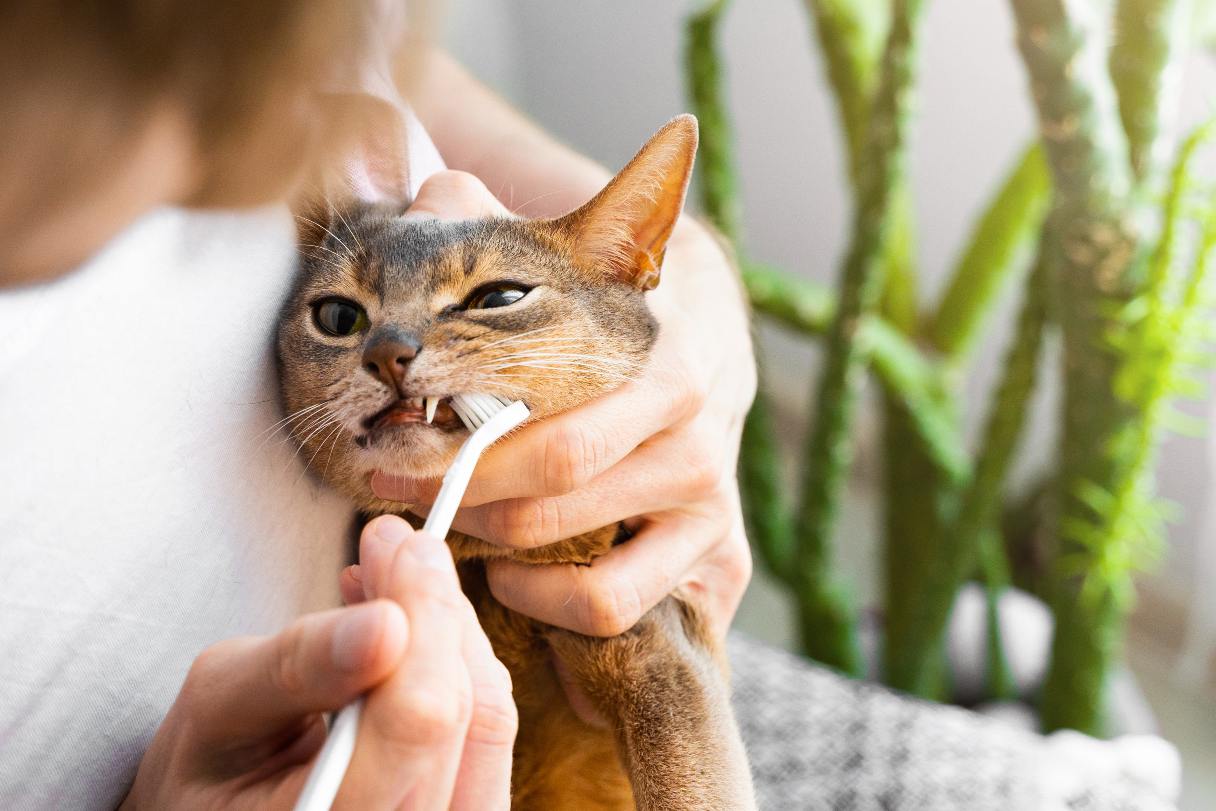
Selecting suitable tools simplifies brushing your cat’s teeth. Opt for a cat-specific toothbrush and toothpaste. These ensure effective cleaning and comfort for your feline friend.
Brushing your cat’s teeth might sound daunting, but selecting the right tools can make the process smoother. You wouldn’t use a human toothbrush on your cat, would you? Just like us, cats need specific tools to ensure their dental health is maintained properly. When you choose the right tools, you not only make the task more manageable but also ensure your cat’s comfort. Have you ever thought about what kind of toothbrush or toothpaste your cat actually needs?Cat-specific Toothbrushes
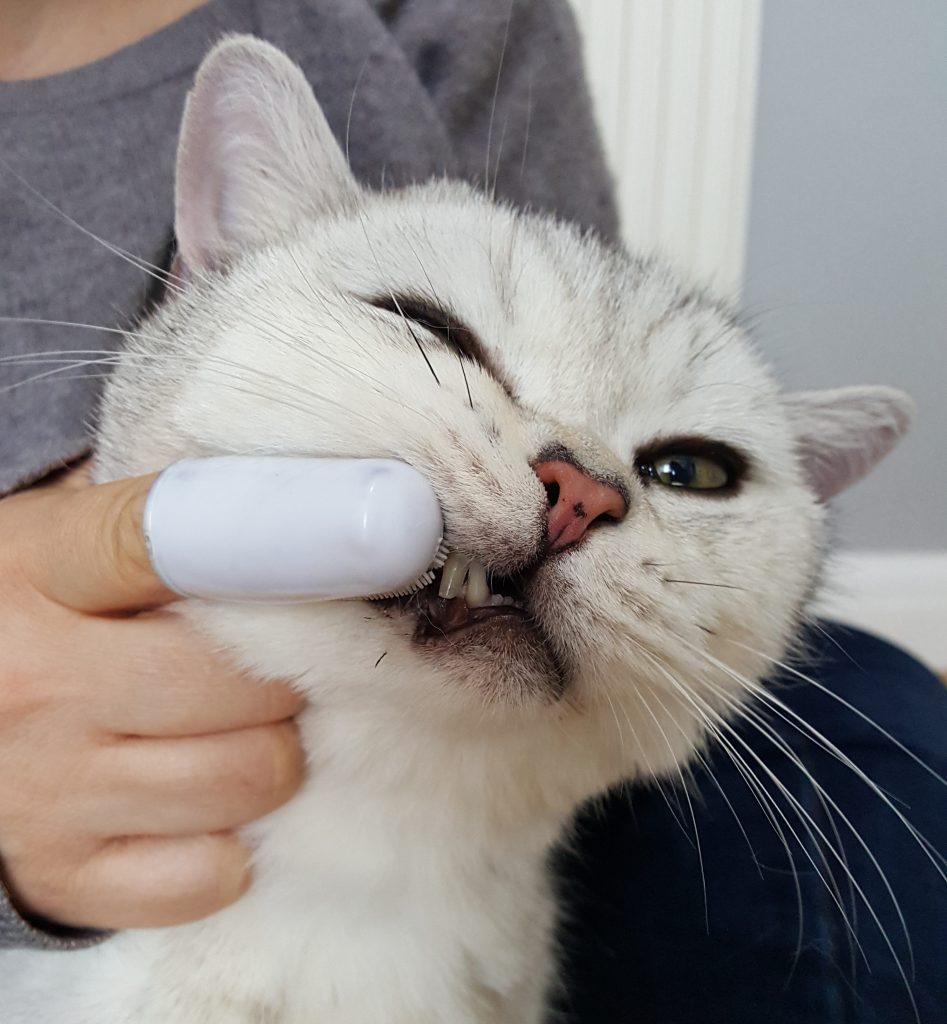
The market offers a variety of cat-specific toothbrushes designed to fit comfortably in your cat’s mouth. These brushes often have softer bristles to avoid irritating their sensitive gums. You might find angled brushes or even finger brushes, which can offer more control. Imagine using a brush that feels like a gentle massage rather than a dental tool. A friend once shared how her cat eventually began to enjoy tooth-brushing because of the soft-bristled brush she chose. Does your cat have a favorite kind of touch? Consider that when selecting the brush.Selecting Safe Toothpaste
Human toothpaste is not safe for cats. Always opt for toothpaste specifically formulated for feline use. These toothpastes often come in flavors that appeal to cats, like chicken or fish. Think about your cat’s favorite treats when choosing a flavor. One pet owner discovered her cat loved the taste of poultry-flavored toothpaste, turning brushing time into a treat session. Could a tasty toothpaste make brushing a bonding time with your cat? Once you’ve selected a flavor, look at the ingredients to ensure they’re non-toxic and safe for feline health. Choosing the right tools not only enhances the experience for your cat but can also transform a chore into a moment of connection. What’s stopping you from turning tooth brushing into a fun routine?Preparing Your Cat
Brushing cat teeth keeps them healthy and happy. Use a soft brush for gentle cleaning. Introduce brushing slowly to reduce stress for your cat.
Preparing your cat for tooth brushing is a crucial step in ensuring a smooth and stress-free experience for both you and your feline friend. A little preparation can make a big difference. This means setting up the right environment and building trust with your cat. If you’ve ever tried to do anything with a reluctant cat, you know it can be a challenge. Let’s make it easier!Creating A Calm Environment
Choose a quiet, comfortable space where your cat feels safe. This could be their favorite corner or a cozy spot by the window. Ensure the area is free from distractions like other pets or loud noises. Keep the lighting soft and soothing. You might find that your cat responds well to gentle music or the sound of your voice. This helps them relax and associate tooth brushing with a positive experience. A calm setting can make all the difference. Have you noticed how your cat responds to your tone of voice? Use this to your advantage, speaking softly and reassuringly.Building Trust With Your Cat
Start by getting your cat used to you touching their mouth. Gently lift their lips and rub their gums with your finger. Do this for a few seconds each day until they are comfortable. Use treats or their favorite toy to reward them. Positive reinforcement builds trust and makes them more willing to accept tooth brushing. Remember, patience is key. Every cat is different. Some may take longer to feel comfortable. Have you ever noticed how your cat reacts when you try something new? Consider their unique personality and adapt your approach accordingly. By creating a calm environment and building trust, you’re setting the stage for successful tooth brushing. What small steps will you take today to prepare your cat?Step-by-step Brushing Technique
Brushing your cat’s teeth is crucial for their dental health. A step-by-step technique ensures the process is smooth and effective. Follow these simple steps to help maintain your feline friend’s oral hygiene. You’ll need patience and gentle hands. Let’s explore how to brush cat teeth properly.
Getting Started
Begin by choosing the right toothbrush. Look for one designed for cats. Ensure it has soft bristles to avoid hurting their gums. Select a toothpaste made for pets. Human toothpaste can be harmful to cats. Get your cat comfortable with the toothbrush and toothpaste. Let them sniff and taste a small amount. Use treats to make them feel relaxed.
Effective Brushing Motions
Start brushing gently at a 45-degree angle. Focus on the gum line where plaque builds up. Use small circular motions for thorough cleaning. Brush both sides of the mouth evenly. Aim for a few seconds on each tooth. Keep the session short and pleasant. Praise your cat for cooperation. Reward them with a treat after brushing.
Dealing With Challenges
Brushing your cat’s teeth can be a daunting task, especially when faced with various challenges. Cats, known for their independent nature, often resist being handled in ways they aren’t accustomed to. However, understanding and addressing these challenges can make the process smoother and more effective. Let’s dive into some practical strategies for dealing with common obstacles.
Handling Resistance
Many cats are not fans of having their teeth brushed. They might squirm, meow loudly, or even try to escape. The key is patience and persistence. Start by letting your cat sniff the toothbrush and toothpaste. This helps them get familiar with the new items.
Consider brushing during quiet times, when your cat is relaxed. You might also try wrapping your cat in a towel. It’s sometimes called a “purrito,” and it can help keep them still. Remember, gentle persistence can lead to success.
Managing Anxious Cats
Some cats get anxious at the prospect of any grooming activity. If your cat is anxious, try starting with short sessions. Gradually increase the time spent brushing their teeth. This can help them adjust to the new routine without feeling overwhelmed.
Use calming techniques such as gentle strokes or soothing talk. You might also try playing soft music to create a relaxing environment. Have you ever noticed how your cat responds to different sounds? Using the right sounds can make a big difference.
Dealing with challenges when brushing your cat’s teeth is all about finding what works best for your feline friend. What techniques have you tried with your cat? Share your experiences and insights! Your approach might just be the solution someone else is looking for.
Maintaining A Routine
Establishing a routine for brushing your cat’s teeth helps maintain their dental health. Start by gently introducing the toothbrush. Gradually increase the brushing time. Use cat-friendly toothpaste. Consistency is key to preventing dental issues. Regular brushing can lead to healthier gums and fresher breath for your feline friend.
Maintaining a routine is crucial when it comes to brushing your cat’s teeth. Without consistency, your efforts might not yield the desired results. Cats, much like humans, thrive with regular habits that keep their health in check. A well-maintained dental routine can prevent many common feline dental issues.Frequency Of Brushing
How often should you brush your cat’s teeth? Ideally, aim for daily brushing. This might seem ambitious, but it’s the best way to prevent plaque buildup. If daily brushing is too challenging, start with two to three times a week. Gradually increase the frequency as your cat becomes more comfortable. Consistency is key. Once your cat gets used to the routine, it becomes easier for both of you.Incorporating Other Dental Products
Brushing isn’t the only tool in your arsenal. Have you considered dental treats or rinses? They can complement your brushing routine effectively. Dental treats can be an engaging way to clean your cat’s teeth. They are specially designed to reduce tartar and freshen breath. You might also explore dental rinses. Simply add them to your cat’s water bowl. They work to fight plaque and maintain oral hygiene. Why not try a combination? It can make dental care more manageable and less stressful for both you and your furry friend. Maintaining your cat’s dental health doesn’t have to be overwhelming. Start small, stay consistent, and soon it will become a natural part of your routine.Signs Of Dental Problems
Cats can show signs of dental problems like bad breath or drooling. Gently brushing their teeth helps prevent these issues. Use a cat-friendly toothbrush and paste for best results.
Understanding the signs of dental problems in your cat is crucial for maintaining their overall health and well-being. Cats are masters at hiding discomfort, so you need to be vigilant about any changes in their behavior or eating habits. By recognizing the early signs of dental issues, you can prevent more serious health complications.Common Symptoms
Cats with dental problems might show a variety of symptoms. You may notice bad breath, which is often the first sign of trouble. Pay attention if your cat is drooling excessively or showing a reduced interest in their favorite treats. Other symptoms include pawing at the mouth or face and difficulty chewing. Your cat might also avoid hard foods or show a preference for softer textures. Gums that are red, swollen, or bleeding are clear indicators of dental distress.When To Consult A Veterinarian
If you notice any of these symptoms persisting, it’s time to consult your veterinarian. Don’t wait until your cat stops eating altogether or becomes lethargic. Early intervention can prevent more serious health issues like infections or tooth loss. A professional dental cleaning might be necessary if your cat shows severe symptoms. Your vet can provide guidance on the best treatment options and how to maintain dental health moving forward. Have you ever thought about how your cat’s dental health impacts their overall happiness and energy levels? Caring for your cat’s teeth is not just about brushing; it’s about ensuring their long-term health and happiness. By being proactive, you can help your feline friend lead a comfortable life. Are you ready to take the next step in your cat’s dental care journey?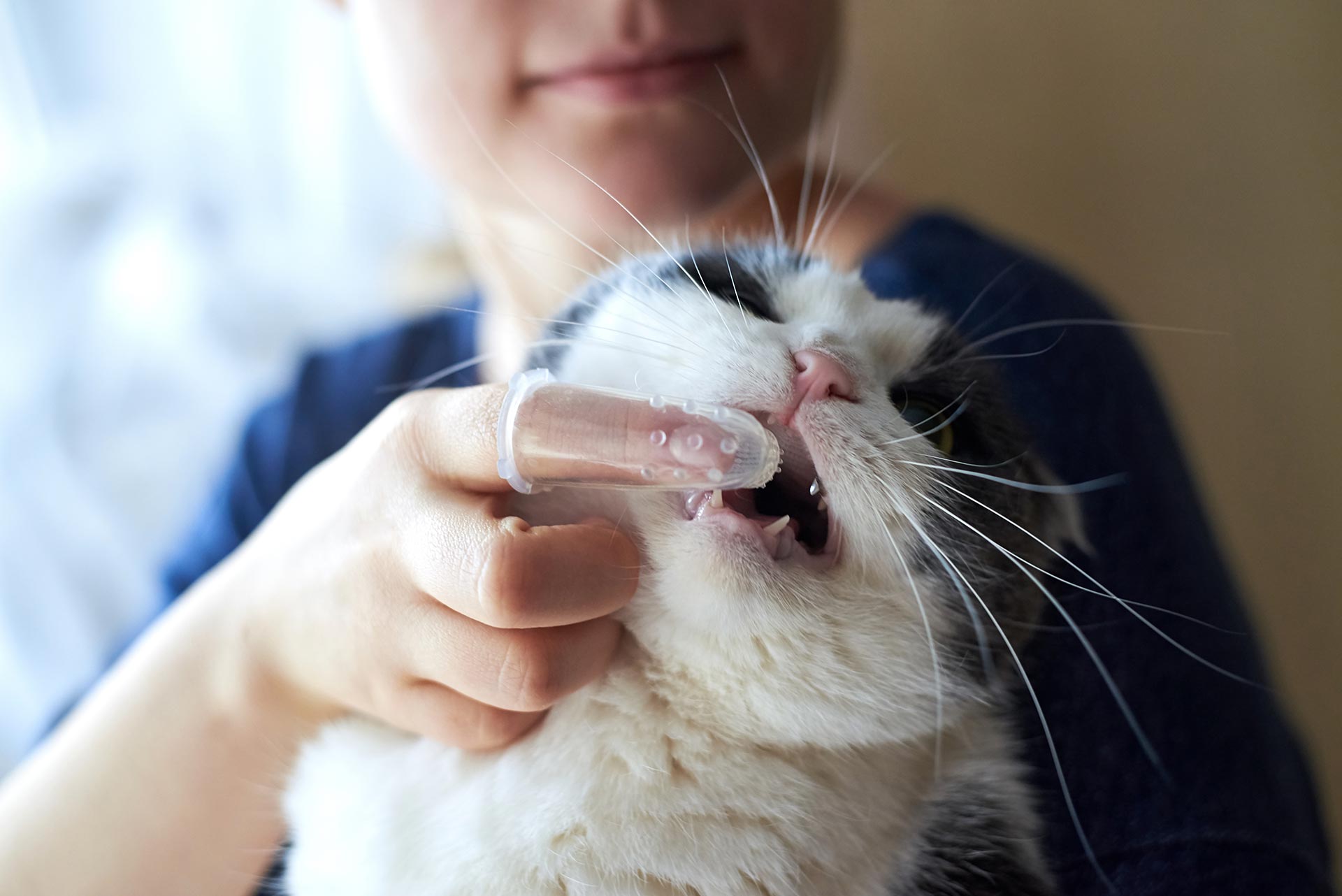
Credit: stpaulpet.com
Credit: www.carecredit.com
Frequently Asked Questions
Are You Supposed To Brush Your Cat’s Teeth?
Yes, brushing your cat’s teeth is important for their dental health. It helps prevent plaque buildup and gum disease. Use a cat-specific toothbrush and toothpaste. Start slowly and make it a positive experience. Regular dental care can improve your cat’s overall well-being and longevity.
How To Brush A Cat’s Teeth That Hates It?
Start by introducing dental treats or toys. Gradually get your cat comfortable with the toothbrush and toothpaste. Use a finger brush or gauze wrapped around your finger. Brush gently and reward with treats afterward. Consistency and patience are key.
What To Do If A Cat Won’t Let You Brush Your Teeth?
Try approaching your cat calmly and gently. Use a dental treat or toy to distract them. Introduce brushing gradually, starting with short sessions. Use a cat-friendly toothbrush and toothpaste. Always reward your cat with treats or affection after brushing.
What To Use Instead Of Brushing Cats’ Teeth?
Use dental treats, toys, and water additives to maintain your cat’s oral health. Regular vet check-ups are essential.
Conclusion
Brushing your cat’s teeth is vital for their health. Start slowly. Let your cat get used to the brush. Use a cat-friendly toothpaste. Be gentle and patient. Regular brushing helps prevent dental issues. It also keeps your cat’s breath fresh.
Make it a fun routine. Reward your cat with treats after brushing. This makes the experience positive. Over time, your cat will feel more comfortable. Consistency is key. Brushing becomes easier with practice. Your cat’s dental health will improve. Your bond with your furry friend will strengthen too.
Happy brushing!

Similar Posts