How Much Should a Year Old Cat Weigh: Essential Guide
Have you ever wondered if your year-old cat is at a healthy weight? You’re not alone.
Many pet owners find themselves asking the same question. Understanding your feline friend’s ideal weight is crucial for their health and happiness. Imagine your cat being playful, energetic, and full of life. That’s the goal, right? By knowing how much your one-year-old cat should weigh, you can ensure they live their best life.
You’ll discover the key factors that determine your cat’s weight and learn simple tips to keep them in perfect shape. Dive in, and let’s make sure your furry companion is thriving!
Healthy Weight Range
Understanding a cat’s healthy weight range is crucial for its well-being. A one-year-old cat is typically considered an adult. At this age, its weight should stabilize within a specific range. This range varies based on several factors. Awareness of these helps in maintaining your cat’s health.
Factors Affecting Weight
Several factors influence a cat’s weight. Diet plays a significant role. Feeding your cat a balanced diet is essential. Overfeeding leads to obesity. Underfeeding causes malnutrition. Both are harmful. Exercise also impacts weight. Active cats are leaner. Sedentary cats may gain excess weight. Health conditions, such as thyroid issues, can affect weight too. Regular vet check-ups help monitor these factors.
Breed Variations
Different cat breeds have different weight standards. For instance, a Siamese cat is naturally slender. It should weigh around 8-12 pounds. A Maine Coon, a larger breed, weighs 10-25 pounds. Knowing your cat’s breed helps in determining its ideal weight. Each breed has its own characteristics. These affect their weight range. Always consult breed-specific guidelines.
Signs Of Underweight Cats
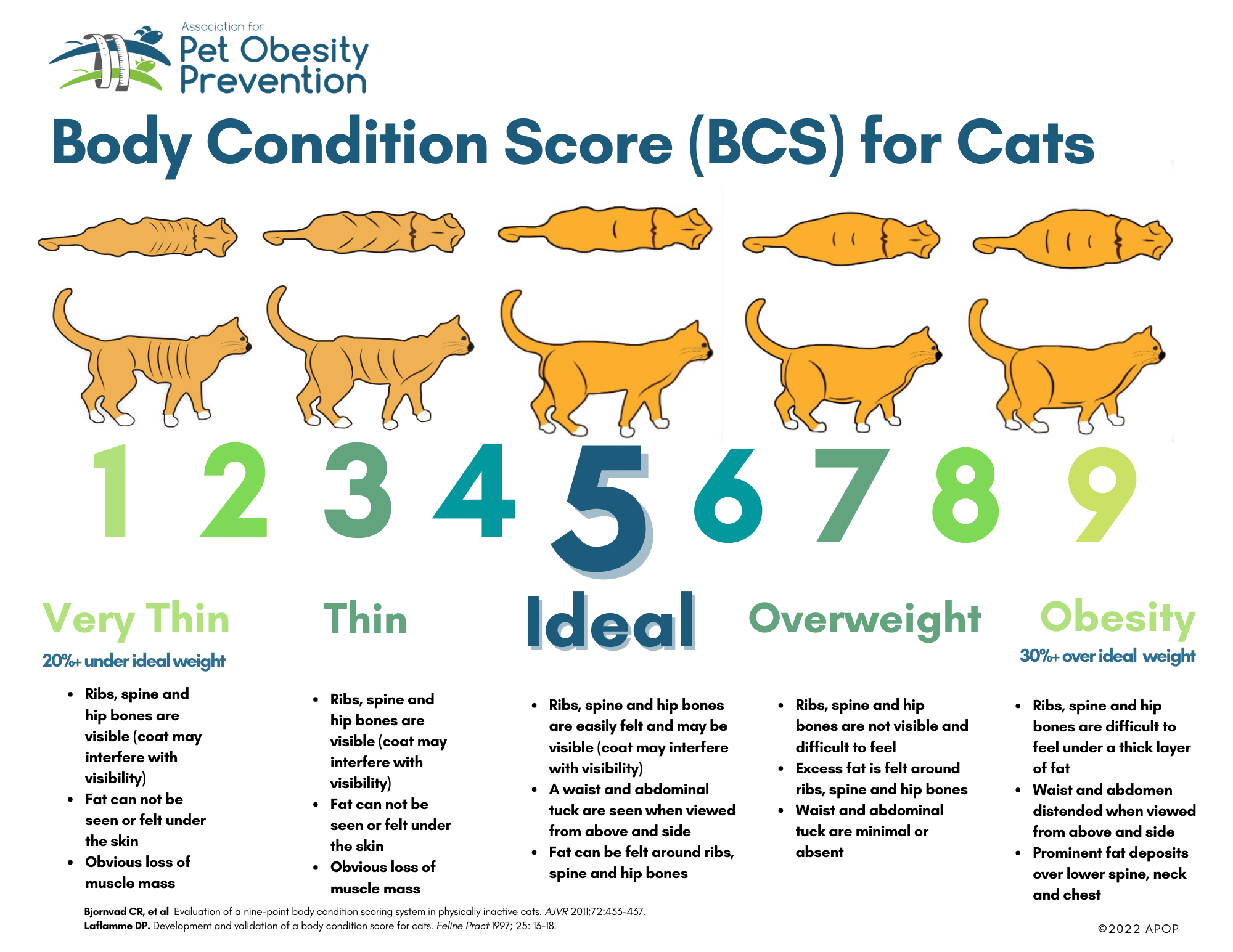
A healthy year-old cat typically weighs between 8 to 10 pounds. Signs of underweight cats include visible ribs and spine. Their energy levels may decrease, and fur might appear dull.
Understanding the weight of your cat is crucial for its overall health. A year-old cat should typically weigh between 9 to 11 pounds, but this can vary based on breed and genetics. Noticing signs that your cat may be underweight is important for early intervention. You might wonder if your feline friend is maintaining a healthy weight. Below are some key indicators that can help you determine if your cat might be underweight.Physical Indicators
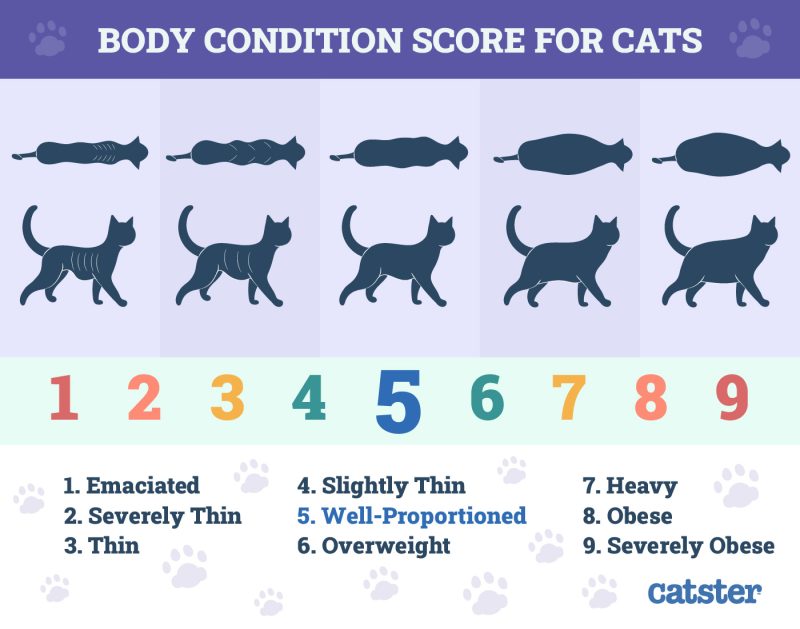
When you gently run your hands along your cat’s sides, you should feel a layer of fat over the ribs. If the ribs are prominently felt or even visible, your cat may be underweight. The spine and hip bones should not be noticeable either. Another sign is a noticeable waistline. Look at your cat from above; if the waist appears too narrow or the stomach seems to tuck in sharply, this could be a sign of being underweight. A dull coat can also be an indicator. Healthy cats usually have shiny, well-groomed fur. If your cat’s coat looks less than vibrant, it might be lacking essential nutrients.Behavioral Symptoms
Is your cat more lethargic than usual? Underweight cats often have lower energy levels. They might not engage in their usual play or show interest in toys. Changes in appetite can also be a clue. If your cat is eating less or seems disinterested in food, it could be a sign of underlying issues. Pay attention to their social behavior. Cats that are underweight might become withdrawn or less interactive with family members. Have you noticed any of these signs in your cat? It might be time to consult your veterinarian for a check-up. Early detection and action can make a big difference in your cat’s health journey. Keep an eye on both physical and behavioral changes to ensure your feline friend stays happy and healthy.Signs Of Overweight Cats
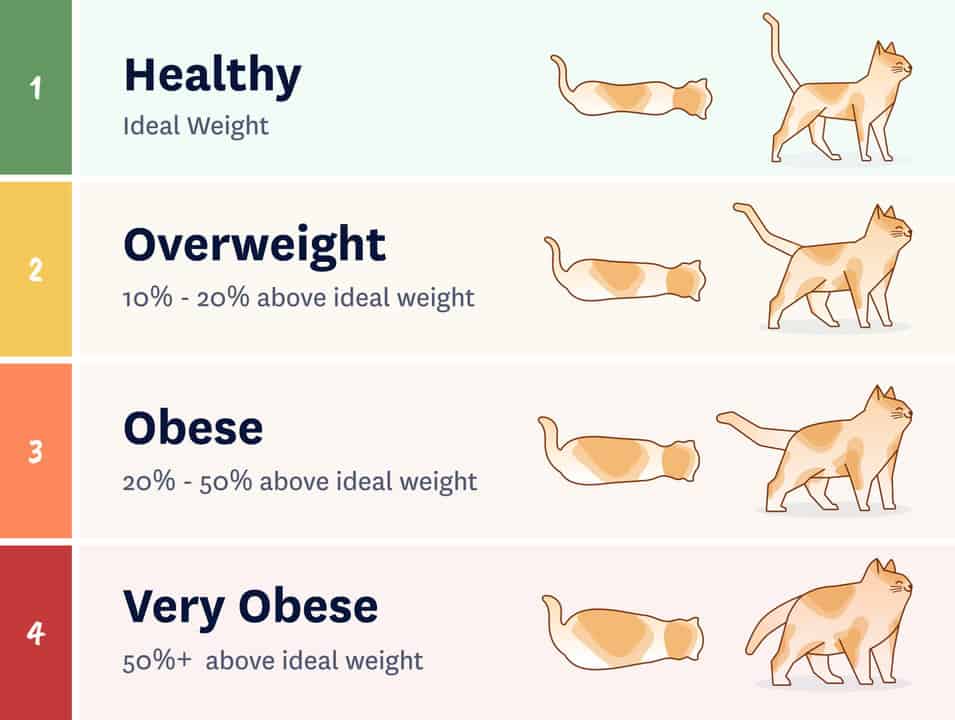
A healthy year-old cat typically weighs around 8 to 10 pounds. Signs of overweight include difficulty jumping and visible belly fat. Regular check-ups can help maintain your cat’s ideal weight and prevent health issues.
Noticing your cat gaining weight can be concerning, especially when you’re unsure of the signs to watch for. It’s essential to recognize these signs early to maintain your cat’s health and well-being. Are you observing any changes in your feline friend that might hint at an unhealthy weight?Common Health Issues
Overweight cats often face various health problems. Diabetes is one of the most common issues, as excess fat interferes with insulin production. Another concern is arthritis, where the extra weight puts stress on the joints, causing pain and discomfort. Respiratory issues are also prevalent. You might notice your cat panting or struggling to breathe after minimal activity. Addressing these health concerns early is crucial to prolong your cat’s life and improve its quality.Lifestyle Impacts
Carrying extra weight can significantly affect your cat’s daily life. You may find that your cat is less inclined to play or engage in activities it once enjoyed. This lack of exercise can lead to further weight gain, creating a vicious cycle. Have you noticed your cat sleeping more than usual? Overweight cats tend to have lower energy levels. Monitoring your cat’s activity can offer insights into its overall well-being. Consider the long-term impacts on your cat’s mobility. Climbing stairs or jumping onto furniture can become challenging, leading to frustration for your pet. Encouraging a healthy lifestyle with balanced nutrition and regular exercise can make a significant difference. Reflect on these signs and ask yourself if your cat could be facing any of these issues. Taking action now can prevent serious health problems down the line, ensuring your furry friend remains happy and active.
Credit: www.reddit.com
Maintaining Optimal Weight
A healthy weight for a year-old cat usually ranges between 7 to 12 pounds. Factors like breed, diet, and activity level can influence this. Regular vet check-ups help ensure your cat maintains its optimal weight for a healthier life.
Maintaining optimal weight in your year-old cat is essential for their health and happiness. A healthy weight prevents various health issues, from joint pain to diabetes. But how do you ensure your feline friend stays in tip-top shape? Let’s explore practical ways to help your cat maintain a healthy weight.Dietary Guidelines
Feeding your cat the right diet is crucial. Look for cat food that lists meat as the first ingredient. Check the label for protein content, aiming for around 30-40%. Cats are carnivores, and they thrive on protein-rich diets. Control portion sizes. Cats often eat more than they need, leading to weight gain. Measure their food using a kitchen scale. How often do you feed your cat? Consider two to three small meals a day instead of one big bowl.Exercise Requirements
Cats love to play, and playtime is exercise. Encourage your cat’s natural hunting instincts with toys like feather wands or laser pointers. Create a stimulating environment. Install cat trees or shelves to promote climbing and jumping. This physical activity helps burn calories. Interactive play not only exercises your cat but also strengthens your bond. Set aside time daily for play sessions. Does your cat go outside? Outdoor explorations can be great exercise, but ensure it’s safe for them to roam. Focus on activities your cat enjoys, and you’ll see them staying active and healthy. What steps will you take today to ensure your cat maintains a healthy weight?Monitoring Cat’s Weight
Monitoring your cat’s weight is crucial for its health. A balanced weight indicates a healthy lifestyle. It can prevent health issues. Knowing your cat’s ideal weight helps track its growth. This helps ensure it stays fit and happy.
Regular Weigh-ins
Weigh your cat regularly. Use a digital scale for accuracy. Weekly checks can help spot weight changes. Record the weight each time. This helps track any unusual shifts. Regular weigh-ins help catch weight problems early.
Consulting A Veterinarian
A vet can offer expert advice. They know what a healthy weight looks like. Consult a vet if unsure about your cat’s weight. A professional check can detect health issues. Vets can suggest diet changes if needed. They provide tailored advice for your cat.
Credit: www.catster.com
Adjusting Diet And Lifestyle
A healthy one-year-old cat typically weighs between 7 to 12 pounds. Their ideal weight depends on breed and overall health. Adjusting diet and lifestyle can ensure your cat stays within this range, promoting a longer, happier life.
Adjusting a cat’s diet and lifestyle is crucial for its health. A year-old cat’s weight can reflect its overall well-being. Diet and lifestyle changes can help maintain a healthy weight. This section will guide you on tailoring nutrition and incorporating physical activity. Both aspects are essential for your cat’s health.Tailoring Nutrition
A balanced diet is key for a healthy cat weight. Choose food with high-quality protein and essential nutrients. Avoid overfeeding and provide measured portions. Cats need fewer calories than you might think. Look for labels that mention “complete and balanced.” This ensures all nutritional needs are met. Consult your vet for personalized diet advice. They can recommend the best food type and portion size. Always ensure fresh water is available for your cat.Incorporating Physical Activity
Exercise helps maintain a cat’s healthy weight. Playtime should be part of your cat’s daily routine. Use toys that encourage movement and curiosity. Wand toys and laser pointers engage cats effectively. Create a stimulating environment with climbing trees and scratching posts. Interactive play strengthens your bond with your cat. Set aside time each day for active play. Aim for at least 15 to 30 minutes of activity daily. Regular exercise prevents obesity and related health issues.Common Myths And Misconceptions
Many believe all one-year-old cats should weigh the same. This myth can lead to health misconceptions. Different breeds have various healthy weight ranges, making it crucial to consult a vet.
As cat owners, you might often wonder if your furry friend is at a healthy weight, especially when they reach the one-year mark. The internet is flooded with well-meaning advice and opinions, but not all of it is accurate. Let’s clear up some common myths and misconceptions surrounding your cat’s weight to ensure your feline friend stays healthy and happy.Debunking Weight Myths
A widespread myth is that all cats should weigh the same once they hit one year old. This isn’t true. Just like humans, cats vary in size, breed, and bone structure. A Maine Coon will naturally weigh more than a Siamese. Another misconception is that a heavier cat is always healthier. This belief can lead to overfeeding. Obesity in cats can cause health issues like diabetes and joint problems. Don’t let the myth of “chubby equals healthy” mislead you. You might hear that you can determine your cat’s weight just by looking. This isn’t reliable. Your cat might have dense fur or a certain posture that can be misleading. Always rely on a vet’s assessment to determine the ideal weight.Understanding Cat’s Needs
Each cat has unique nutritional and exercise needs. Your cat’s diet should be balanced and tailored to their activity level and health conditions. Consult with your vet to create a suitable feeding plan. Exercise is essential for maintaining a healthy weight. Encourage playtime with toys that stimulate their hunting instincts. Not only does this help with weight management, but it also keeps your cat mentally stimulated. Observe your cat’s behavior and energy levels. Do they seem sluggish? Or are they constantly on the move? These observations can offer clues about their weight and overall health. Have you ever noticed how your cat reacts to different foods or activities? Paying attention to these reactions can guide you in making informed decisions about their care. Ultimately, understanding your cat’s needs will help you navigate the myths and ensure they live a happy, healthy life. What steps will you take today to debunk myths and meet your cat’s needs?Role Of Age And Health Conditions
A year-old cat’s weight can vary. Age and health impact this greatly. As cats grow older, their bodies undergo changes. Health conditions also play a role. Understanding these factors helps in managing a cat’s weight.
Impact Of Aging
As cats age, their metabolism slows down. This can affect their weight. Young cats may be more active. Older cats might move less. Activity levels can influence how much a cat weighs.
Diet needs change as a cat matures. Nutritional needs differ from those of younger cats. Proper diet ensures they maintain healthy weight.
Chronic Health Issues
Chronic health problems can cause weight changes. Conditions like arthritis may reduce activity. This can lead to weight gain.
Some cats develop thyroid issues. These can cause weight loss or gain. Regular vet visits help detect these early.
Monitoring health is crucial. It ensures a cat’s weight remains stable. Address health issues promptly for the best outcomes.
Credit: cattree.uk
Frequently Asked Questions
How Much Should A 1 Year Old Cat Eat A Day?
A 1-year-old cat typically needs 200-250 calories daily. Provide balanced wet and dry food. Monitor weight and adjust portions accordingly. Consult your vet for personalized feeding advice. Ensure access to fresh water for hydration.
How Can I Tell If My Old Cat Is Suffering?
Monitor your old cat for signs of pain, such as reduced appetite, mobility issues, or unusual behaviors. Check for visible discomfort when touched. Notice changes in grooming habits or litter box usage. Consult a vet for an accurate diagnosis if you observe these symptoms.
What Is A Normal Weight For A Senior Cat?
A senior cat typically weighs between 7 to 10 pounds, depending on its breed and body structure. Regular vet check-ups help maintain healthy weight.
What Is The Average Weight For An Indoor Cat?
The average weight for an indoor cat typically ranges from 8 to 12 pounds. Factors like breed, age, and activity level can influence this. Regular veterinary check-ups help maintain a healthy weight. Feeding a balanced diet and ensuring exercise are crucial for your cat’s well-being.
Conclusion
Understanding your cat’s weight is crucial for its health. A year-old cat should weigh around 7 to 12 pounds. This depends on its breed and size. Regular vet visits help track weight changes. Ensure your cat gets a balanced diet.
Exercise keeps them fit and healthy. Watch for sudden weight changes. They can signal health issues. A healthy weight supports a long, happy life. Love and care keep your cat thriving. Always consult your vet if you have concerns. Keep your feline friend in top shape with these tips.

Similar Posts