How to Treat Cat Asthma: Effective Relief Strategies
Is your furry friend struggling to catch their breath? Watching your beloved cat wheeze or cough can be both heartbreaking and stressful.
Cat asthma is more common than you might think, and knowing how to treat it can make a world of difference for your feline companion. Imagine the relief when you see your cat breathe easy again, free from the constraints of asthma.
We’ll guide you through effective treatments and tips that could transform your pet’s quality of life. Stay with us to discover how you can help your cat breathe freely and live comfortably.
Understanding Cat Asthma
Treating cat asthma involves understanding triggers and managing symptoms effectively. Regular vet check-ups and avoiding irritants like smoke or dust help. Medications such as inhalers may be prescribed to improve breathing and quality of life.
Understanding Cat Asthma Cat asthma is a chronic respiratory condition that affects many felines, causing difficulty in breathing and a persistent cough. As a cat owner, it’s essential to recognize the symptoms early and understand the common causes to ensure your cat gets the best care possible. Treating cat asthma starts with knowledge—knowing what triggers an attack can make a world of difference for your furry friend.Symptoms To Watch For
Cats with asthma often exhibit wheezing and coughing, sometimes resembling a hairball cough. You might notice your cat struggling to breathe after playing or running. It’s crucial to observe any changes in your cat’s usual behavior or routine. Does your cat seem more tired than usual or prefer to rest rather than play? These subtle changes can be the first signs of asthma.Common Causes
Many factors can trigger asthma in cats, including allergens like pollen, dust, and cigarette smoke. If you smoke or have smokers in your home, it’s worth considering how this might affect your pet. Environmental irritants such as strong cleaning products can also be culprits. When my cat developed asthma, I found that changing to natural cleaning products significantly reduced her symptoms. Have you considered what might be causing your cat’s discomfort? Understanding cat asthma is not just about identifying symptoms and causes—it’s about actively making changes to improve your cat’s quality of life. Are there steps you can take today to create a safer environment for your feline friend?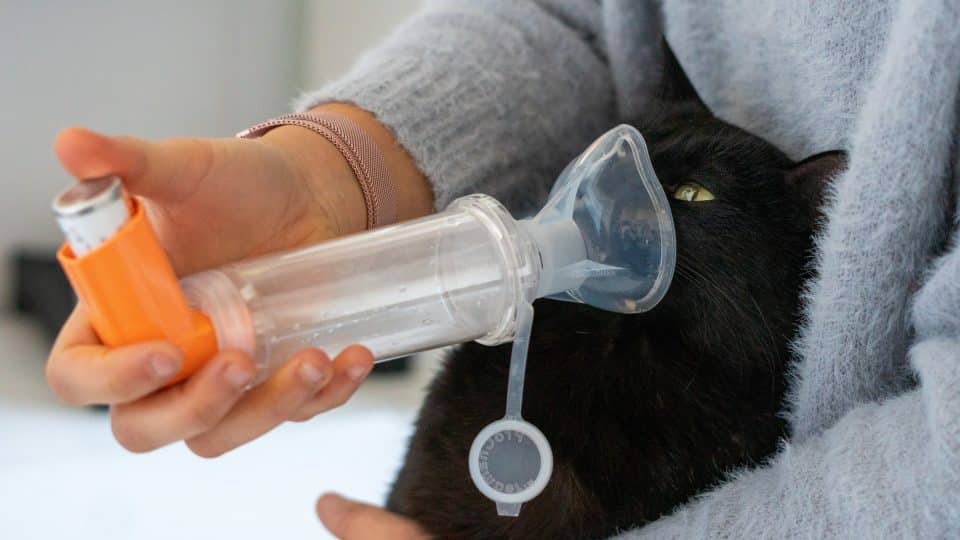
Credit: www.rover.com
Diagnosis Process
Understanding the diagnosis process for cat asthma is essential. It helps in managing your feline friend’s health effectively. The journey begins with a detailed veterinary examination. It often involves several diagnostic tests to confirm the condition. Early detection plays a crucial role in treatment. Let’s explore this process step-by-step.
Veterinary Examination
The first step is a veterinary examination. The vet reviews your cat’s medical history. They ask about symptoms like coughing or wheezing. They also inquire about any recent changes in behavior or environment. Observing your cat’s breathing pattern is crucial. The vet listens to the lungs with a stethoscope. This helps detect abnormal lung sounds. Identifying these symptoms early can lead to a better outcome.
Diagnostic Tests
After the initial exam, diagnostic tests come next. X-rays of the chest are common. They reveal any unusual patterns in the lungs. Blood tests check for infections or allergies. A bronchoscopy may be necessary. It involves examining the airways directly. In some cases, a tracheal wash is conducted. It collects samples from the airways for analysis. These tests provide a clear picture of your cat’s condition.
Medical Treatments
Cat asthma needs quick attention and care. Help your cat by using prescribed inhalers or medications. Regular vet visits can monitor your cat’s progress and adjust treatments.
Cat asthma can be as challenging for pet owners as it is for the feline friends who suffer from it. Understanding medical treatments is key to managing your cat’s symptoms and ensuring their comfort. While lifestyle adjustments can help, medical treatments are often necessary to control asthma effectively. Let’s delve into the medical options available for treating cat asthma, focusing on inhaled and oral medications.Inhaled Medications
Inhaled medications are a popular choice for treating cat asthma. They deliver medication directly to the lungs, providing quick relief from symptoms. These medications are often administered using an inhaler designed for cats. It’s an innovative solution that allows precise dosing. A personal friend once shared how her cat’s breathing improved dramatically after starting inhaled medications. The transformation was evident in her pet’s playfulness and energy levels. Have you ever considered how a simple device can change your cat’s life? It’s worth exploring if your cat struggles with asthma.Oral Medications
Oral medications can also be effective in managing cat asthma. They often come in the form of pills or liquid that you can easily mix with food. This method is particularly useful when inhalers aren’t an option due to your cat’s resistance. My neighbor had a cat who refused to use an inhaler. Oral medications became their saving grace, ensuring her cat remained healthy and active. Are you prepared to try different solutions if one doesn’t work for your cat? Flexibility can be your best ally in managing asthma. Medical treatments for cat asthma are more than just prescriptions; they’re lifelines that can drastically improve your pet’s quality of life. As you navigate these options, consider what suits your cat’s needs best and consult with your veterinarian for tailored advice.
Credit: www.paradisepointanimalhospital.com
Lifestyle Adjustments
Managing cat asthma requires more than just medication. Lifestyle adjustments play a vital role in improving your feline friend’s health. Small changes can make a big difference in reducing asthma symptoms. Let’s explore how environmental changes and dietary considerations can help your cat breathe easier.
Environmental Changes
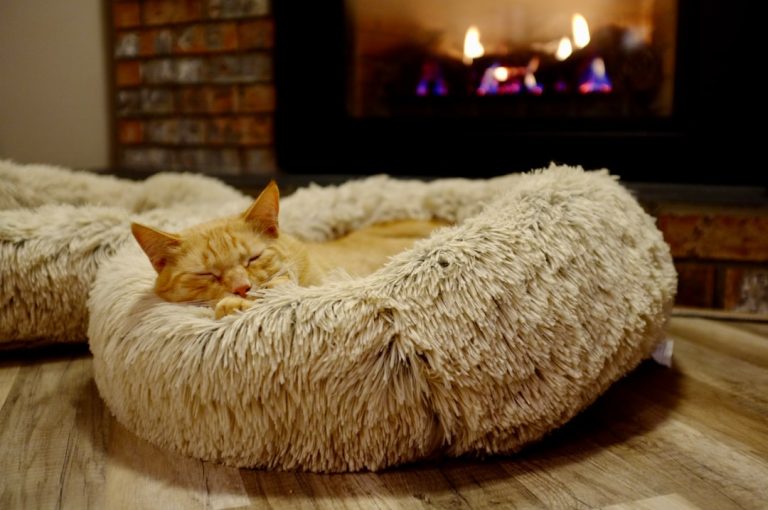
Keep your cat’s environment clean and dust-free. Vacuum regularly to remove allergens from carpets and furniture. Use air purifiers to improve indoor air quality. Avoid using scented candles and air fresheners. Cigarette smoke can worsen asthma, so ensure your home is smoke-free. Consider using hypoallergenic bedding for your cat. This helps reduce exposure to allergens. Maintain a stable temperature and humidity. Sudden changes can trigger asthma attacks.
Dietary Considerations
A balanced diet supports your cat’s overall health. Avoid foods with artificial additives and preservatives. Choose high-quality cat food with natural ingredients. Omega-3 fatty acids can reduce inflammation. Consider supplements if your vet approves. Ensure your cat stays hydrated. Fresh water should always be available. Monitor your cat’s weight. Obesity can worsen asthma symptoms. Consult your vet for dietary advice tailored to your cat’s needs.
Home Remedies
Cat asthma can be distressing for both pets and owners. While medications help, home remedies may offer additional relief. These natural approaches can soothe symptoms and improve your cat’s quality of life. Understanding these methods can empower you to support your feline friend better.
Natural Supplements
Natural supplements can help manage cat asthma symptoms. Omega-3 fatty acids are known to reduce inflammation. They can be found in fish oil. Some herbal remedies like licorice root may also help. Licorice root is believed to support respiratory health. Always consult your vet before starting any supplement.
Breathing Exercises
Breathing exercises can ease your cat’s asthma symptoms. Encourage your cat to breathe calmly. A quiet, stress-free environment aids relaxation. Gentle stroking can promote deeper breathing. Comfort your cat during these exercises. This helps reduce anxiety and stress. Stress can worsen asthma symptoms.
Preventative Measures
Creating a safe environment is key to managing cat asthma. Regularly clean your home to minimize dust and allergens. Ensure your cat has access to fresh air and avoid using strong-smelling cleaning products.
Preventative Measures Cat asthma can be challenging, but taking preventative measures can make a significant difference in your cat’s health. You can help reduce the frequency of asthma attacks by staying proactive and vigilant. Start by understanding the key areas where you can make improvements in your cat’s environment and care routine.Regular Vet Check-ups
Regular vet check-ups are crucial in managing cat asthma. These visits ensure that any changes in your cat’s condition are detected early. Scheduling routine appointments allows your vet to adjust medications or suggest new treatments to keep symptoms at bay. Keeping a log of your cat’s symptoms can be helpful during these check-ups. Documenting things like coughing frequency or breathing patterns provides valuable insights for your vet. This proactive approach can make all the difference in your cat’s quality of life. How often do you visit the vet? Consider increasing the frequency if your cat’s asthma seems to be worsening. Early intervention is key to preventing more serious complications.Monitoring Air Quality
Air quality plays a significant role in managing cat asthma. Pollutants and allergens can trigger attacks, so maintaining a clean environment is vital. Regularly vacuuming and using air purifiers can help reduce irritants in your home. Have you checked the humidity levels in your house? A humidifier might be necessary if the air is too dry, as dry air can exacerbate asthma symptoms. On the flip side, too much humidity can encourage mold growth, which is another asthma trigger. Consider the products you use at home. Opt for unscented cleaning products and avoid smoking indoors. These small changes can create a safer space for your furry friend, reducing the chances of an asthma attack.When To Seek Emergency Care
Sudden breathing difficulties in cats can signal severe asthma attacks. Immediate veterinary care is crucial in such cases. Recognizing symptoms early can prevent complications.
When your beloved cat struggles to breathe, it can be a terrifying experience. Knowing when to seek emergency care for cat asthma is crucial. Recognizing the signs of severe distress can save your furry friend’s life. Let’s dive into the details and ensure you’re prepared for any situation.Recognizing Severe Symptoms
When should you rush to the vet? Look for these alarming signs: rapid breathing, open-mouthed breathing, or blue-tinted gums. Your cat may also exhibit extreme lethargy or collapse. These symptoms indicate a serious lack of oxygen and require immediate attention. Have you noticed your cat wheezing more than usual? If their breathing doesn’t improve within a few minutes, it’s time to act. Remember, hesitation can worsen the situation.Emergency Treatment Options
Once you reach the vet, what can you expect? Emergency treatment often includes oxygen therapy to stabilize your cat’s breathing. This helps ensure they receive the oxygen they desperately need. The vet may also administer bronchodilators or steroids. These medications help open your cat’s airways and reduce inflammation, providing quick relief. Have you considered creating an emergency plan with your vet? Discuss the possibility of having medications at home for immediate use. This could make all the difference in a critical situation. By understanding when to seek emergency care and what treatments to expect, you can help ensure your cat remains safe and healthy. Always trust your instincts—your quick action might just save your cat’s life.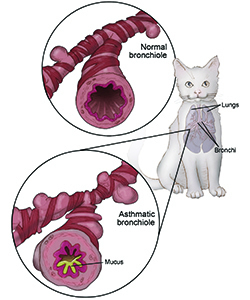
Credit: www.vet.cornell.edu
Frequently Asked Questions
Can Cat Asthma Go Away?
Cat asthma usually doesn’t go away completely. Management with veterinary care and medication can help control symptoms effectively. Regular check-ups and a healthy environment are crucial for minimizing asthma attacks. Always consult your vet for tailored treatment plans to ensure your cat’s well-being.
What Are The Symptoms Of Cat Asthma?
Cat asthma symptoms include coughing, wheezing, and difficulty breathing. You might also notice your cat experiencing rapid breathing or open-mouth breathing. If these symptoms persist, consult a veterinarian for a proper diagnosis and treatment plan.
How Is Cat Asthma Diagnosed?
Veterinarians diagnose cat asthma through physical exams and diagnostic tests. These tests may include X-rays, blood tests, and a bronchoalveolar lavage. Accurate diagnosis is crucial for effective treatment and management of the condition.
What Treatments Are Available For Cat Asthma?
Cat asthma treatments include medications such as corticosteroids and bronchodilators. These medications help reduce inflammation and open airways. Inhalers designed for cats can also be an effective treatment option. Consult your vet for personalized treatment plans.
Conclusion
Treating cat asthma can improve your pet’s quality of life. Regular vet visits are important. Medications and inhalers help manage symptoms effectively. Monitor your cat’s environment closely. Reduce allergens like dust and smoke. Ensure your cat’s diet supports overall health.
Regular exercise keeps your cat active and fit. Understand your cat’s unique needs and signs of distress. Stay patient and consistent with treatments. A well-cared-for cat can lead a happy life, even with asthma. Your attention and love make a big difference.
Remember, every cat is unique and deserves care tailored to them.