How to Tell If a Cat Has an Ear Infection: Quick Signs

Is your feline friend scratching their ears more than usual? Or perhaps you’ve noticed a strange smell emanating from their ears?
These could be signs that your cat is dealing with an ear infection. As a cat owner, you want nothing but the best for your pet, and understanding the subtle signs of an ear infection can make all the difference in ensuring their comfort and health.
We’ll break down the key indicators that might suggest your cat is suffering from an ear infection. By the end, you’ll know exactly what to look for and how to help your furry companion feel better. Get ready to uncover the secrets behind your cat’s behavior and keep them purring in perfect health!

Credit: palmcityanimalclinic.com
Common Symptoms
Cats with ear infections often show signs like frequent head shaking and scratching at the ears. Look out for redness, swelling, or unusual discharge. A strong odor from the ear can also indicate an issue.
Ear infections in cats can be uncomfortable. Knowing the symptoms helps catch them early. Identifying common signs ensures your feline friend stays healthy. Cats may show several signs indicating an ear issue. These signs can range from physical symptoms to behavioral changes. Understanding these symptoms can help in seeking timely treatment.Scratching And Head Shaking
Frequent scratching is a clear symptom. Cats scratch their ears when irritated. Excessive scratching can cause wounds. Watch for head shaking too. Cats shake their heads to relieve discomfort. If this happens often, it might signal an ear problem.Redness And Swelling
Check the inside of your cat’s ears. Redness is a common sign of infection. Swelling might be present too. Healthy ears are light pink. Any color change suggests an issue. Swollen ears might look puffy. This requires attention to prevent complications.Foul Odor
Healthy ears do not smell. Infections cause a bad odor. A strong smell from your cat’s ears is concerning. It might indicate bacterial or fungal growth. This is a sign that needs immediate care. Regular checks help detect this symptom early.Behavioral Changes
Cats with ear infections often show signs of discomfort. Scratching their ears more than usual can be a clue. Other signs might include head tilting or shaking. Being aware of these behaviors can help spot ear infections early.
Understanding the behavioral changes in your cat can be a crucial indicator of an ear infection. Cats often communicate their discomfort through subtle changes in their behavior. Recognizing these signs early can help you address the issue promptly and ensure your feline friend remains healthy and comfortable. How do you spot these changes? One way is by paying close attention to how your cat behaves around you and others.Irritability And Aggression
Is your usually sweet and cuddly cat suddenly more irritable or aggressive? This could be a sign of discomfort or pain caused by an ear infection. Cats, much like humans, can become cranky when they’re not feeling their best. Consider a time when you had an earache. How did it affect your mood? Similarly, your cat might lash out at you or other pets because of the persistent irritation. Monitor if these aggressive behaviors are out of character or triggered by specific actions. This could be your cue to check their ears.Avoidance Of Touch
Has your cat started avoiding your touch, especially around the head or ears? This behavior is a significant red flag. Cats with ear infections might flinch, pull away, or even hide when you attempt to pet them near their ears. Reflect on the last time you tried to touch your cat’s head. Did they seem more distant than usual? This could be their way of protecting themselves from pain. If your cat usually enjoys being petted but now seems to shy away from your affection, it might be time for a closer inspection. Your feline friend trusts you to notice when something is off. By paying attention to these behavioral changes, you can help ensure their well-being. Have you ever noticed these signs in your cat before? What was your next step?Physical Signs
Understanding the physical signs of a cat’s ear infection is vital. Cats often hide their pain, making it crucial to notice subtle changes. Early detection can prevent serious complications. Two major signs to watch for include discharge from the ear and balance issues. Let’s explore these signs further.
Discharge From Ear
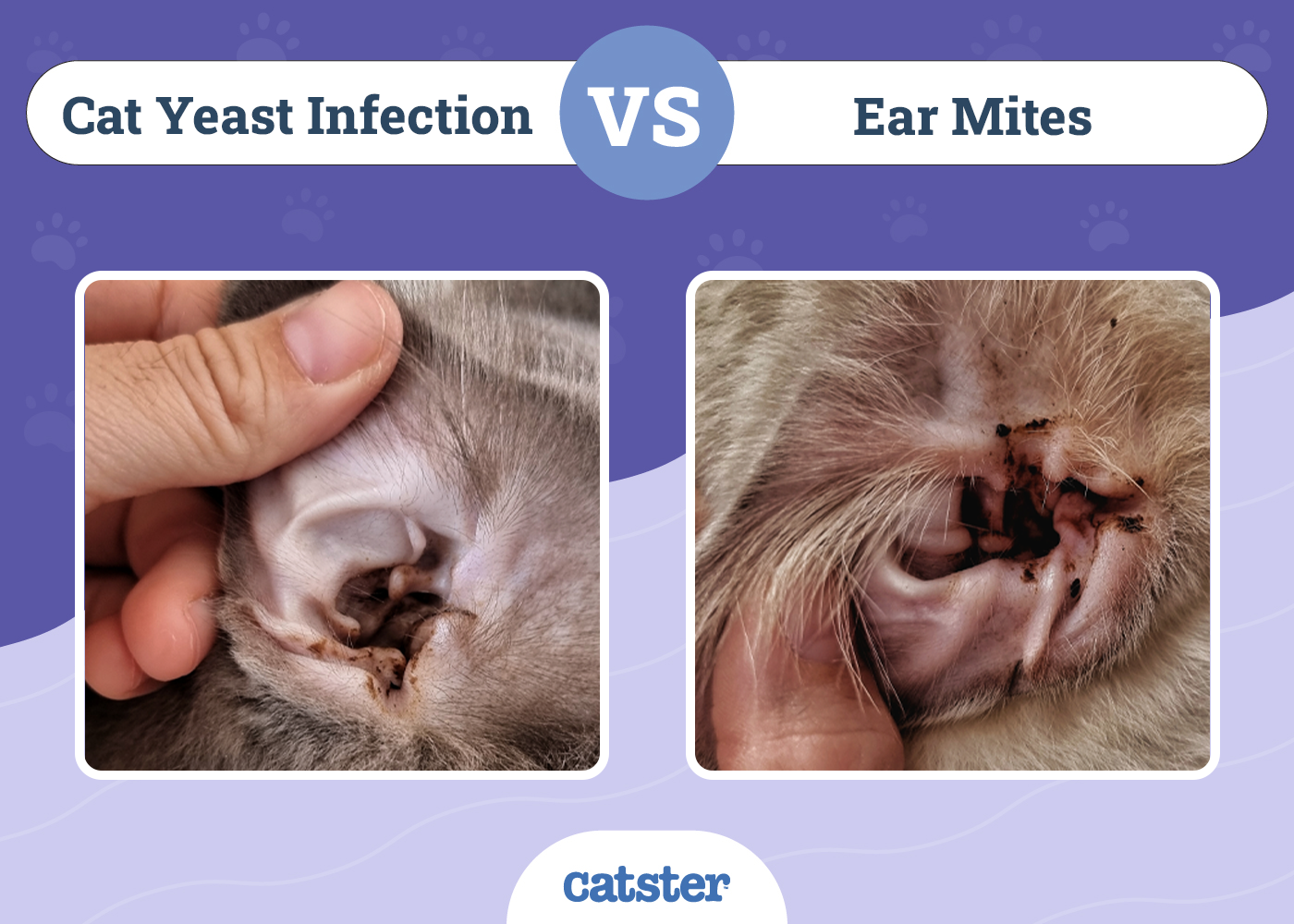
Discharge is a clear sign of ear trouble. You might notice a dark, waxy build-up. Sometimes, the discharge appears yellow or even bloody. This may indicate an infection. The smell can be strong or foul. Regularly check your cat’s ears for any unusual discharge. This simple habit can help catch infections early.
Balance Issues
Cats with ear infections may have trouble balancing. You might see them stumbling or falling. They may tilt their head to one side. This behavior is a sign of discomfort. It can also indicate an inner ear problem. Keep an eye on your cat’s movement. Sudden balance problems warrant a vet visit.
Credit: www.catster.com
Listening For Sounds
Listening for sounds is a crucial aspect of identifying ear infections in cats. Your feline friend might not be able to verbally express discomfort, but their vocalizations and unusual noises can provide valuable clues. Paying attention to these sounds can help you determine if your cat is in pain or distress.
Unusual Noises
Have you noticed your cat making strange noises lately? These can be signs of discomfort in their ears. Cats with ear infections might scratch their ears frequently, resulting in odd rustling sounds. You may hear them shaking their head more often, creating a distinct rattling noise. These unusual sounds are often a cry for help, signaling that something’s not right.
Next time you’re cuddling with your furry friend, listen closely. Is there a persistent scratching sound or head shaking? These noises might be subtle, but they hold the key to your cat’s health. Taking note of these can be the first step in addressing a potential ear infection.
Crying And Meowing
Does your cat seem to be crying more than usual? Increased meowing can be a direct indicator of ear discomfort. Cats often meow to communicate their distress. If your cat’s meowing has become more frequent or intense, it might be time to check their ears.
Reflect on your past interactions with your pet. Have you ever noticed an increase in crying when they were sick? This behavior isn’t just random. It’s their way of telling you that something is wrong. Be attentive to changes in their vocal patterns, and consider whether these sounds point to an ear issue.
Think about the last time you listened closely to your cat. What did their sounds tell you? Being attentive to these auditory signals can make a big difference in keeping your cat healthy and happy. Don’t wait for visible symptoms; your cat’s voice might be the first alarm bell for an ear infection.
Home Inspection Tips
Detecting an ear infection in your cat at home can be crucial. Early signs help prevent further complications. Home inspection tips are essential. They guide you in identifying possible ear infections. These tips ensure your feline friend remains healthy and happy.
Checking Inside The Ear
Begin by gently holding your cat’s head. Look inside each ear carefully. Healthy ears are clean and pink. Watch for unusual discharge or redness. A foul odor might indicate an infection. Use a flashlight for better visibility. Avoid inserting anything deep into the ear canal.
Observing Behavior Patterns
Your cat’s behavior can reveal health issues. Cats with ear infections often scratch their ears. They may shake their head frequently. Notice if your cat seems off balance. Avoids being touched near the ears? These could be signs of discomfort. Monitor changes in their routine closely. Seeking professional advice is important if behavior changes persist.

Credit: www.washingtondogandcathospital.com
When To Consult A Vet
Cats with ear infections often shake their heads or scratch their ears. Notice any redness, swelling, or unusual odor? It’s time to consult a vet.
When your cat shows signs of an ear infection, timely action is crucial. Recognizing when to seek veterinary care can make a difference. Cats communicate distress in subtle ways, so understanding these signs helps. Early consultation with a vet can prevent complications and ensure your cat’s comfort. Knowing when to act is key.Persistent Symptoms
Watch for symptoms that don’t resolve quickly. Redness or swelling in the ear that lingers might indicate an issue. Unusual discharge or a foul smell could signal an infection. If these symptoms persist for more than a few days, it’s time to call the vet. Cats can’t tell us when they’re in pain. Persistent symptoms are their way of showing something’s wrong.Severe Discomfort
Notice if your cat is in visible discomfort. Frequent scratching or pawing at the ears is a clear sign. If your cat tilts its head or seems off-balance, this needs attention. These behaviors suggest the infection might be severe. Cats often hide pain, so visible discomfort is concerning. Don’t wait. Severe symptoms require prompt veterinary care to prevent further issues.Preventive Measures
Recognize signs of a cat’s ear infection by observing head shaking, scratching, or a foul smell. Check for redness, discharge, or swelling in the ears. Early detection and vet consultation can prevent complications.
Preventing ear infections in cats is crucial for their well-being. Simple steps can help keep your cat’s ears healthy. Focus on regular cleaning and a healthy diet. These measures can reduce the risk of infections.Regular Cleaning
Regularly clean your cat’s ears to prevent infections. Use a vet-recommended ear cleaner. Gently wipe the outer ear with a soft cloth. Avoid deep cleaning to prevent damage. Check for wax buildup or unusual odors. These can signal potential issues. Clean your cat’s ears once a week.Healthy Diet
A balanced diet supports your cat’s overall health. It strengthens their immune system. Choose high-quality cat food with essential nutrients. Foods rich in omega-3 fatty acids help maintain ear health. Keep your cat hydrated with fresh water. A healthy diet reduces the chance of ear infections.Frequently Asked Questions
How Do I Treat My Cat’s Ear Infection At Home?
Clean the ears gently with a damp cloth. Use vet-recommended ear drops as directed. Ensure the cat is calm and comfortable. Monitor for improvement; consult a vet if symptoms persist. Avoid inserting objects into the ear canal.
Does Cat Ear Infection Go Away On Its Own?
Cat ear infections typically don’t resolve on their own. Prompt veterinary care is essential for proper diagnosis and treatment. Left untreated, infections can worsen, causing pain and complications. Regularly check your cat’s ears and consult a vet if you notice any signs of infection, such as redness, odor, or discharge.
How Do Cats Act If They Have An Ear Infection?
Cats with ear infections often shake their heads and scratch their ears. They may tilt their head or show irritability. You might notice redness, swelling, or discharge in their ears. A foul odor can also be present, indicating a potential infection.
Prompt veterinary attention is recommended for proper diagnosis and treatment.
How Do Indoor Cats Get An Ear Infection?
Indoor cats can get ear infections from allergies, parasites like ear mites, or bacteria. Poor hygiene and foreign objects can also lead to infections. Regular ear cleaning and vet visits help prevent ear issues. Ensure a clean environment to minimize risks.
Conclusion
Caring for your cat’s ears is vital. Regular checks can prevent infections. Watch for signs like redness or discharge. Quick action helps your cat heal faster. Consult a vet if symptoms persist. They offer the best advice and treatment. Healthy ears mean a happy cat.
Always prioritize your pet’s health. Simple steps can make a big difference. Keep your cat comfortable and pain-free. Your furry friend deserves the best care. Stay informed and attentive. You’ll ensure their well-being and happiness. Remember, a little attention goes a long way.
Your cat will thank you with purrs.

Similar Posts