How Do I Stop Cat Scratching Furniture: Proven Strategies
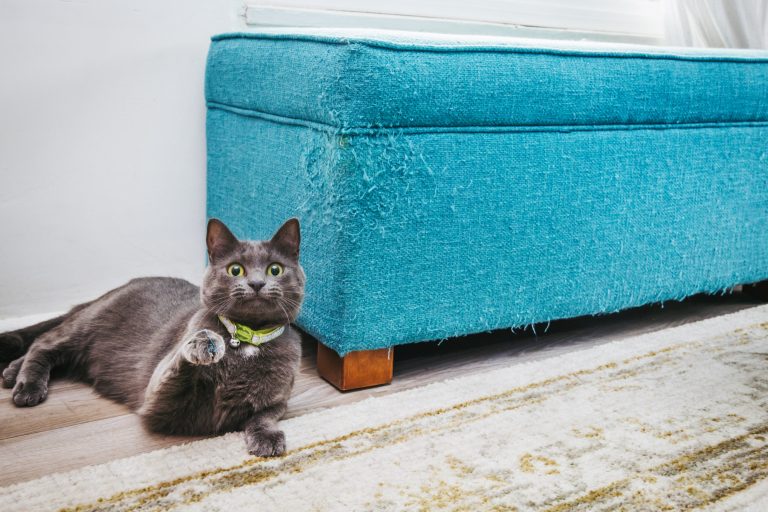
Are you tired of finding your favorite couch shredded by your feline friend? You’re not alone.
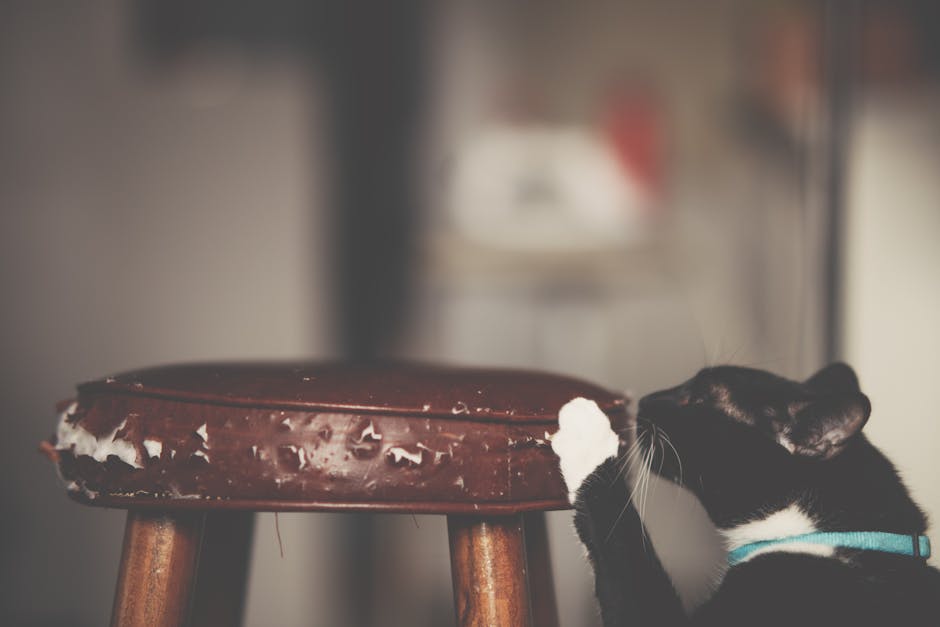
Many cat owners face the same issue: their beloved pets seem to have an irresistible urge to turn furniture into their personal scratching posts. But don’t worry; there’s hope for you and your living room. You’ll discover practical solutions that actually work to prevent your cat from scratching your furniture.
Imagine walking into a home where your couch is no longer the victim of claw attacks and your cat is happily using a designated scratching post instead. Keep reading to uncover strategies that will save your furniture and keep your cat content.

Credit: www.greensafaris.com
Understanding Cat Behavior
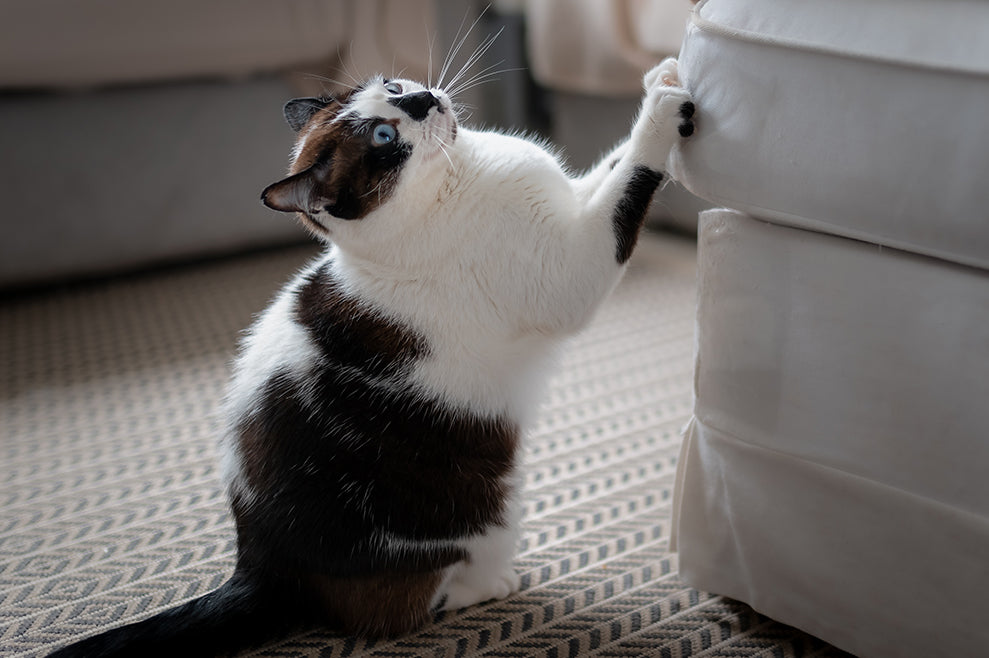
Stopping cats from scratching furniture requires understanding their needs. Provide scratching posts to redirect this instinctive behavior. Use covers or sprays on furniture as additional deterrents.
Understanding why your cat scratches the furniture can be both enlightening and frustrating. It’s a common issue many cat owners face, yet it stems from natural feline behavior. Recognizing these behaviors is crucial to finding a solution that works for both you and your furry friend. Let’s dive into the reasons behind this behavior and how you can address it effectively.Why Cats Scratch
Cats scratch for various reasons, and it’s not just to annoy you. Scratching helps cats mark their territory. Your cat is essentially saying, “This is my space.” Additionally, scratching is a way for cats to stretch their bodies and flex their paws. It’s an essential part of their physical health. Have you noticed your cat scratching more when they’re anxious? Scratching can also be a stress-relief mechanism for them.Natural Instincts
Scratching is deeply ingrained in a cat’s DNA. It’s as natural as purring or grooming. Cats have scent glands in their paws, and scratching leaves their scent on surfaces. This is a way to communicate with other cats. Think about the last time you saw your cat stretch after a nap. Scratching offers a similar stretch that’s crucial for their well-being. So, how can you manage this natural behavior without sacrificing your furniture? A personal experience: I once placed a scratching post near my cat’s favorite couch corner. The result was immediate—my cat started using it instead of the couch. The key is to provide alternatives that align with their instincts. You might wonder, are you offering your cat enough scratching options? Understanding cat behavior is your first step. By appreciating these natural instincts, you can create a harmonious living space for both you and your cat.Choosing The Right Scratching Post
Selecting an appropriate scratching post helps deter cats from scratching furniture. Opt for sturdy posts with materials like sisal or carpet. Place them near favorite scratching spots for quick results.
Choosing the right scratching post for your cat can be a game-changer in protecting your furniture. Cats have a natural instinct to scratch, and a suitable post can satisfy this urge. But with so many options, how do you pick the best one for your furry friend? Let’s dive into the essentials.Types Of Scratching Posts
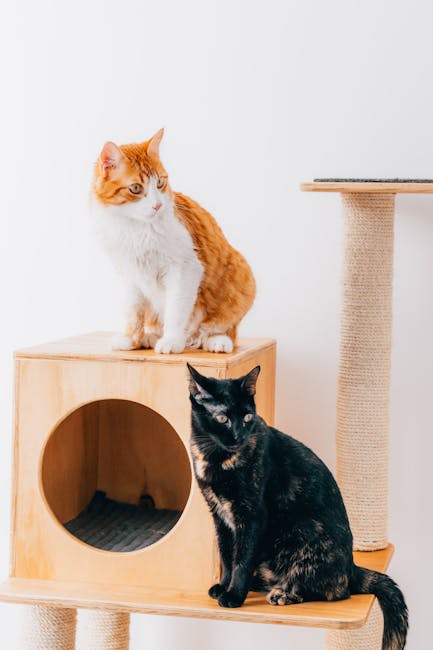
Scratching posts come in various styles and materials. Vertical posts are popular, as many cats enjoy stretching upwards to scratch. These usually consist of a sturdy base and a tall, carpeted or sisal-wrapped pole. Horizontal scratching pads are another option. They lay flat on the ground and are often made from corrugated cardboard. Some cats prefer these because they mimic the texture of tree bark. Multi-level cat trees provide a combination of vertical and horizontal scratching options. They’re great for cats who like to climb and explore. Imagine your cat perched high, surveying their kingdom while keeping your couch scratch-free!Placement In The Home
Where you place the scratching post is just as important as the type you choose. Think about where your cat spends most of their time. Placing a scratching post near their favorite nap spot can encourage them to use it right after waking up. Consider positioning the post in areas where your cat has previously scratched. This can redirect their behavior away from your furniture to a more acceptable outlet. Also, try placing a post near windows or doors. Cats often scratch to mark their territory, and these areas are prime real estate for them. Have you ever wondered why your cat scratches the living room couch and not the old armchair in the corner? It’s all about location and accessibility. By observing your cat’s habits, you can strategically place posts to meet their needs and protect your belongings. Choosing the right scratching post and placing it thoughtfully can make a big difference. Your cat stays happy, and your furniture remains intact—a win-win for everyone.Training Techniques
Training your cat can save your furniture from unwanted scratches. Cats scratch to mark territory and keep their claws sharp. But with patience, you can teach them better habits. Explore effective training techniques below.
Positive Reinforcement
Praise your cat for using a scratching post. Offer treats and affection. This encourages them to repeat the behavior. Rewarding good behavior is key.
Use toys to make the scratching post fun. Dangle a toy near the post. Cats love to chase and play. This draws them to the post naturally.
Redirecting Behavior
Move your cat away from the furniture. Guide them to the scratching post. Use gentle words and actions. Consistency helps them learn.
Place the scratching post near their favorite spot. Cats scratch where they spend time. This makes it easier to redirect them.
Remove temptation by covering furniture. Use special tapes or covers. Cats dislike sticky surfaces. This discourages scratching.
Protective Measures
To prevent cats from scratching furniture, try using scratch posts or pads as alternatives. Regularly trim their nails to minimize damage. Applying feline-friendly deterrents like citrus sprays can discourage this behavior effectively.
When your beloved feline friend turns your furniture into a scratching post, it can be frustrating. But before you consider drastic measures, there are simple protective strategies to consider. These methods not only safeguard your belongings but also keep your cat happy and your home harmonious.Using Furniture Covers
Furniture covers are a straightforward solution. They act as a barrier between your cat’s claws and your cherished pieces. Opt for durable materials like canvas or denim, which are less appealing for cats to scratch. I once used a thick throw blanket on my favorite armchair. It not only protected the chair but added a cozy touch to my living room. Have you tried experimenting with textures to see what your cat avoids? You can also find specially designed pet-proof covers. These are often made with materials that resist scratching and are easy to clean. It’s a win-win for maintaining your furniture’s condition and keeping your cat safe.Applying Deterrent Sprays
Deterrent sprays can be a game-changer in the battle against furniture scratching. These sprays are designed with scents that cats dislike. Applying them to your furniture sends a clear message to your feline friend. It’s important to test the spray on a small area first. This ensures it doesn’t harm the fabric. Once you’re confident, spray it regularly on the areas your cat targets most. My neighbor swore by a citrus-scented spray, claiming it saved her couch. Cats generally dislike citrus, so it could be worth trying. What scents have you noticed your cat steering clear of? Consider using natural deterrents like a mix of water and essential oils. Just ensure the oils are safe for pets. Consistent application will reinforce the message, helping your cat learn where not to scratch. Protective measures don’t just keep your furniture intact; they create a peaceful coexistence between you and your furry friend. Which of these strategies will you try first?Environmental Enrichment
Are you tired of finding your favorite furniture pieces shredded by your cat’s claws? Environmental enrichment could be the key to resolving this issue. By enriching your cat’s surroundings, you can reduce their urge to scratch furniture. Let’s look at how engaging toys and interactive playtime can help.
Engaging Toys
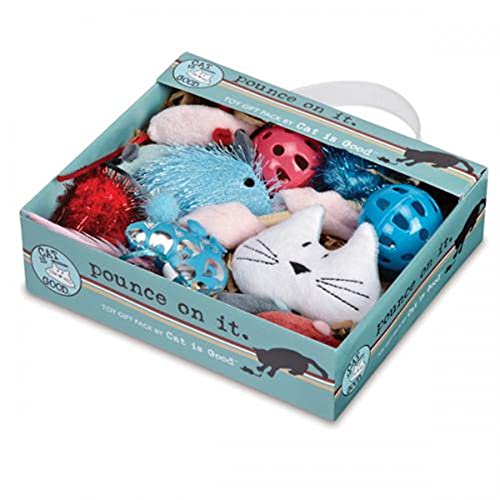
Having a variety of toys is essential in keeping your cat entertained. Think of toys that mimic prey like feather wands or small balls. These can captivate your cat’s attention and satisfy their hunting instincts.
Consider investing in puzzle toys. These stimulate your cat’s mind and keep them occupied. When your cat is busy figuring out a puzzle, they are less likely to scratch your furniture.
Rotate the toys regularly. This keeps them novel and interesting for your cat. Have you noticed how your cat loses interest in toys over time? A simple rotation can rekindle their curiosity.
Interactive Playtime
Interactive playtime is crucial for your cat’s mental and physical health. Spend at least 15 minutes each day playing with your cat using toys like laser pointers or feather teasers.
Engage in interactive games. These can mimic the chase and hunt, keeping your cat active and satisfied. Have you ever tried playing hide and seek with your cat? It’s surprisingly effective!
Schedule regular play sessions. This creates a routine that can divert your cat’s attention from furniture. Have you considered how a consistent play schedule might change your cat’s habits?
Remember, environmental enrichment isn’t just about toys and games. It’s about creating a stimulating environment where your cat can thrive. How will you enrich your cat’s world today?
Credit: mademoggie.com.au
Trimming Cat’s Nails
Trimming your cat’s nails can help reduce furniture scratching. Shorter nails cause less damage and discomfort. Regular nail care keeps your home scratch-free and your cat comfortable.
Trimming your cat’s nails is a crucial step in preventing them from scratching your furniture. It may seem daunting at first, especially if your feline friend is not used to it. However, with patience and the right approach, you can make this a stress-free experience for both you and your cat.Safe Nail Clipping
Before you start, ensure your cat is calm and relaxed. Choose a quiet space in your home where you both feel comfortable. Gently hold your cat’s paw and press lightly to extend the nails. Be careful not to clip too close to the quick, the sensitive part of the nail. If your cat seems anxious, take a break and try again later. Reward your cat with a treat after each successful clipping session. This positive reinforcement helps associate nail clipping with a pleasant experience.Frequency And Tools
How often should you trim your cat’s nails? It depends on your cat’s activity level and how quickly their nails grow. Typically, every two to four weeks is a good rule of thumb. Invest in a good-quality pair of cat nail clippers. Look for ones that are comfortable to hold and easy to use. Scissors-style or guillotine-style clippers are popular choices. A nail file can also be useful for smoothing any rough edges. Keep these tools handy, so you’re always prepared for quick touch-ups. Have you ever noticed how your cat reacts to different tools? Some cats prefer the sound of scissors-style clippers, while others are more comfortable with guillotine-style. Consider experimenting to find what works best for your feline friend. By regularly trimming your cat’s nails, you can protect your furniture and keep your cat healthy. After all, a well-groomed cat is a happy cat, and a happy cat means a happier home for you.Seeking Professional Help
Struggling with scratched furniture? Consider reaching out to a professional animal behaviorist. They can offer personalized advice and effective solutions to manage your cat’s scratching habits.
Dealing with a cat that constantly scratches your furniture can be frustrating. It might seem like you’ve tried every trick in the book, from scratching posts to deterrent sprays. But sometimes, your best bet might be seeking professional help. It’s not admitting defeat; it’s about ensuring both you and your cat live in harmony. Professional guidance can provide insights and strategies you might not have considered.Consulting A Veterinarian
A veterinarian can be your first stop when addressing your cat’s scratching behavior. Medical issues, like skin allergies or pain, might be causing your cat to scratch more than usual. A vet can rule out these possibilities and offer solutions tailored to your cat’s health needs. They might recommend specific treatments or dietary changes that could alleviate the issue. Have you ever thought about whether your cat’s scratching is linked to stress or anxiety? A vet can help identify these triggers and suggest ways to create a calming environment for your feline friend.Behavioral Specialists
When scratching becomes a persistent problem, a behavioral specialist might be the solution. These experts have a deep understanding of feline psychology. They can provide personalized strategies to redirect your cat’s scratching habits. Behavioral specialists often suggest using positive reinforcement techniques. Have you tried rewarding your cat for using a scratching post instead of the couch? It can be surprisingly effective. Moreover, they can help you understand if there’s an underlying behavioral issue, perhaps rooted in a change in your household or routine, influencing your cat’s behavior. In seeking professional help, you’re not just solving a problem; you’re deepening your understanding of your cat. Wouldn’t it be wonderful to have a happy, healthy cat and intact furniture?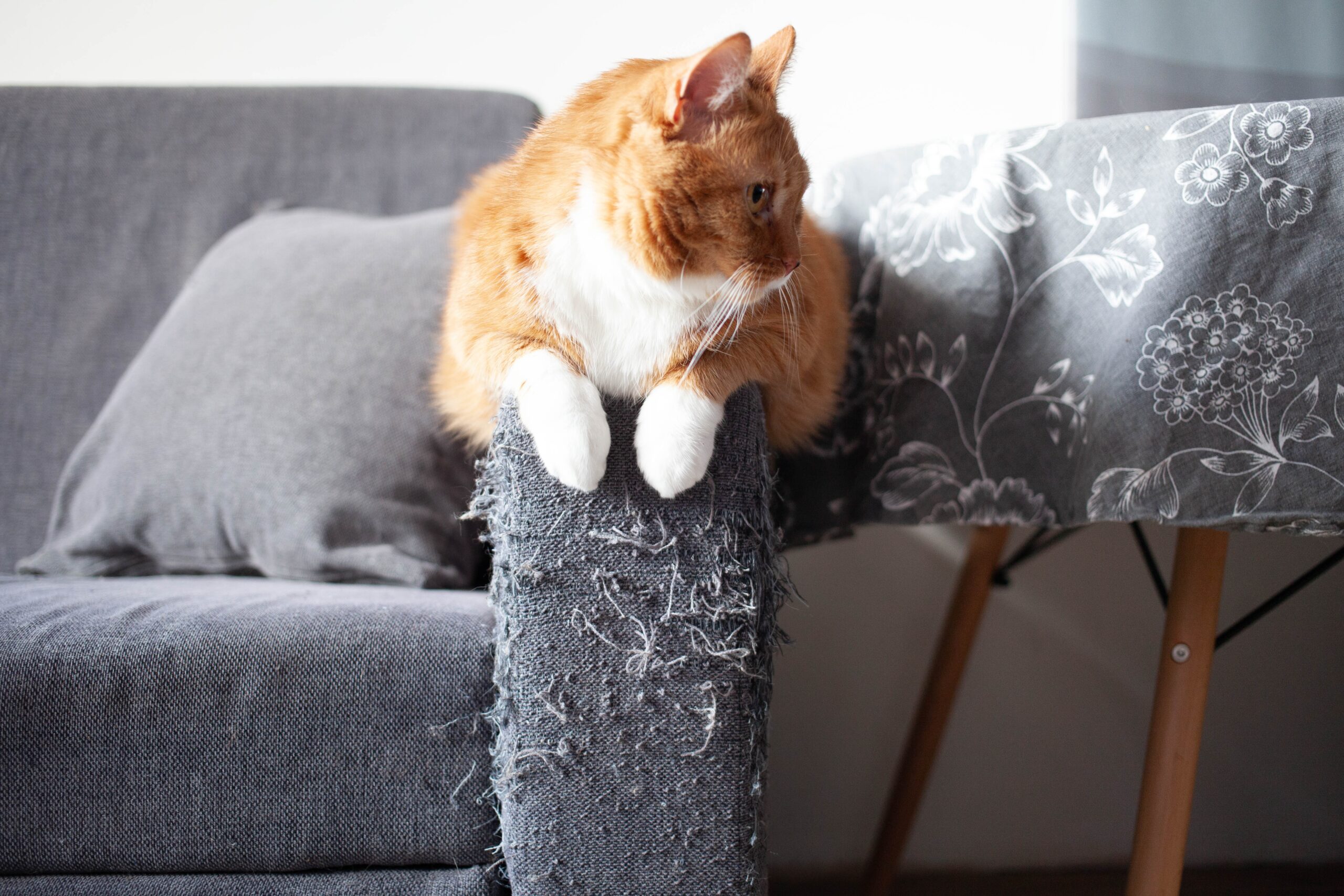
Credit: zoeforpets.com
Frequently Asked Questions
How Do You Stop Cats From Scratching Furniture?
Provide scratching posts near furniture to redirect your cat’s behavior. Use double-sided tape on furniture surfaces. Trim your cat’s nails regularly. Offer toys and distractions to keep them engaged. Use cat deterrent sprays to protect furniture. Reward your cat for using scratching posts.
What Scent Keeps Cats From Scratching Furniture?
Citrus scents like orange, lemon, and lime repel cats from scratching furniture. Lavender and eucalyptus oils are also effective. These natural scents deter cats while keeping your home smelling fresh. Apply them to areas where cats scratch to protect your furniture.
How To Punish A Cat For Scratching A Couch?
Redirect your cat’s attention with a scratching post. Use deterrents like citrus scents on the couch. Praise positive behavior. Offer toys to distract and engage. Avoid physical punishment; it leads to fear and aggression.
At What Age Do Cats Stop Clawing?
Cats usually stop clawing excessively around age 5. Clawing is a natural behavior for cats. Providing scratching posts can help redirect this behavior. Regularly trimming their nails also reduces damage.
Conclusion
Stopping your cat from scratching furniture takes patience and creativity. Use scratching posts and toys to redirect their energy. Try adding deterrents like double-sided tape on furniture. Regularly trim your cat’s nails to reduce damage. Consistent praise and rewards reinforce good behavior.
Every cat is different. Experiment with various methods. Find what works best for your feline friend. Keep your approach gentle and understanding. Your efforts will help protect your furniture. And strengthen the bond with your cat. Stay patient. Consistency is key.
Enjoy a scratch-free home and a happy cat.