How to Make a Cat Stop Scratching Furniture: Expert Tips
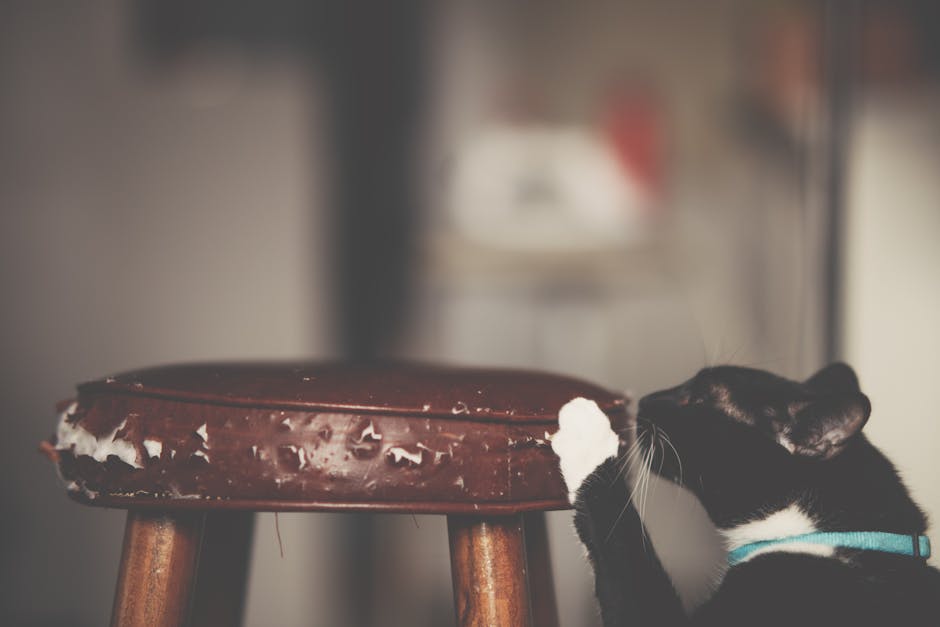
Are your beautiful couches starting to look like they’ve been through a war zone? If you’ve ever walked into your living room to find your cat gleefully clawing away at your favorite armchair, you’re not alone.
It’s a common issue for cat owners, but it doesn’t have to be a permanent one. Imagine a home where your furniture remains intact and your kitty is still happy. Sounds too good to be true? It’s not. You’ll discover simple, effective strategies to redirect your cat’s scratching habits away from your cherished furniture.
By understanding your cat’s natural instincts and making a few easy changes, you can create a harmonious living space for both you and your feline friend. Ready to reclaim your furniture and keep your cat content? Let’s dive in!

Credit: www.washingtonpost.com
Why Cats Scratch
Cats scratch to mark territory and keep their claws healthy. Provide scratching posts and redirect your cat to these instead. This helps protect your furniture while satisfying your cat’s natural instincts.
Cats scratch for many reasons. Understanding these reasons helps in managing their behavior. Scratching is a natural behavior. It serves several purposes in a cat’s life. Let’s explore why cats scratch furniture.Natural Instincts
Cats scratch to exercise. It helps them stretch their bodies. Scratching keeps their muscles strong. It also sharpens their claws. This is essential for hunting. Even indoor cats feel this need. Scratching gives them satisfaction and physical benefits. Cats also scratch to relieve stress. It’s a way to release pent-up energy. Cats find scratching soothing and calming.Marking Territory
Cats scratch to mark territory. They have scent glands in their paws. Scratching leaves their scent behind. This scent signals ownership. It tells other cats the space is taken. Scratching also leaves visible marks. These marks show others it’s a claimed area. Both scent and marks work as warnings. Cats feel secure when they mark their territory. Furniture often becomes a target for these marks.Understanding Your Cat’s Needs
Understanding your cat’s needs is crucial to stop furniture scratching. Cats scratch for various reasons, each vital to their well-being. They might be expressing energy or marking territory. Sometimes, it’s just a natural behavior for claw maintenance. Observing these needs helps in addressing the behavior effectively. Let’s explore these needs further.
Physical Exercise
Cats have a lot of energy. They need regular physical exercise. Scratching is one way to stretch their muscles. Provide them with toys that encourage movement. Cat trees and climbing structures can be helpful. They keep your cat active and engaged. A tired cat is less likely to scratch furniture. Daily playtime sessions work wonders. Use toys that mimic prey. This taps into their hunting instincts.
Mental Stimulation
Cats need mental stimulation as much as physical. Boredom often leads to unwanted behaviors. Interactive toys challenge their minds. Puzzle feeders are a good choice. They make mealtime engaging and rewarding. Rotate toys to keep their interest alive. Scratching posts with different textures can intrigue them. This redirects their scratching to appropriate places.
Providing Alternatives
Offering scratching posts can help redirect your cat’s scratching instinct from furniture. Regularly trim your cat’s nails to reduce damage. Use deterrent sprays or double-sided tape on furniture to discourage scratching.
Providing alternatives is a fantastic way to redirect your cat’s scratching instincts away from your furniture. Cats scratch for various reasons, such as marking territory, sharpening their claws, and stretching their muscles. By offering suitable alternatives, you can protect your furniture and keep your feline friend happy. So, how can you make your home cat-friendly without sacrificing style? Let’s dive into some practical solutions.Scratching Posts
Scratching posts can be a lifesaver for your furniture. It’s crucial to choose the right one for your cat’s needs. Consider a sturdy post that won’t wobble, as stability encourages use. Place the scratching post near the furniture your cat frequently targets. This can help distract your cat and redirect its attention. Experiment with different textures like sisal rope or cardboard. Each cat has its preference, and finding the right match can make all the difference.Cat Trees
Cat trees offer more than just a place to scratch; they provide an entire playground. With multiple levels, your cat can climb, perch, and observe its surroundings. These structures often include built-in scratching surfaces, making them multifunctional. Position the cat tree near a window for added entertainment. A well-placed cat tree can become your cat’s favorite spot, reducing the urge to scratch other furniture. Have you ever thought of integrating a piece of furniture dedicated to your cat? It’s not just about saving your couch; it’s about giving your cat a kingdom. By providing enticing alternatives, you’re not only preserving your home but also nurturing your cat’s natural behaviors. How do you plan on enriching your cat’s environment today?
Credit: wb-iisg.com
Training Techniques
Cats can be trained to stop scratching furniture using simple methods. Offer them scratch posts to redirect behavior. Use deterrents like sprays or tape to protect surfaces.
Training your cat to stop scratching furniture can be quite a journey. It involves patience, consistency, and a mix of strategies. Think of it as a partnership with your feline friend, where both of you learn and adapt together. Let’s dive into some effective training techniques that can transform your home into a scratch-free zone.Positive Reinforcement
Positive reinforcement is a powerful method to guide your cat’s behavior. Reward your cat when it uses a scratching post instead of your favorite armchair. Treats, praise, or a gentle stroke can work wonders. Imagine your cat finally using the scratching post and you offer a treat. Your furry friend will soon associate the post with rewards. It’s important to be consistent; every time your cat uses the post, reinforce the behavior. Over time, your cat will prefer the post, knowing it leads to positive outcomes.Deterrents
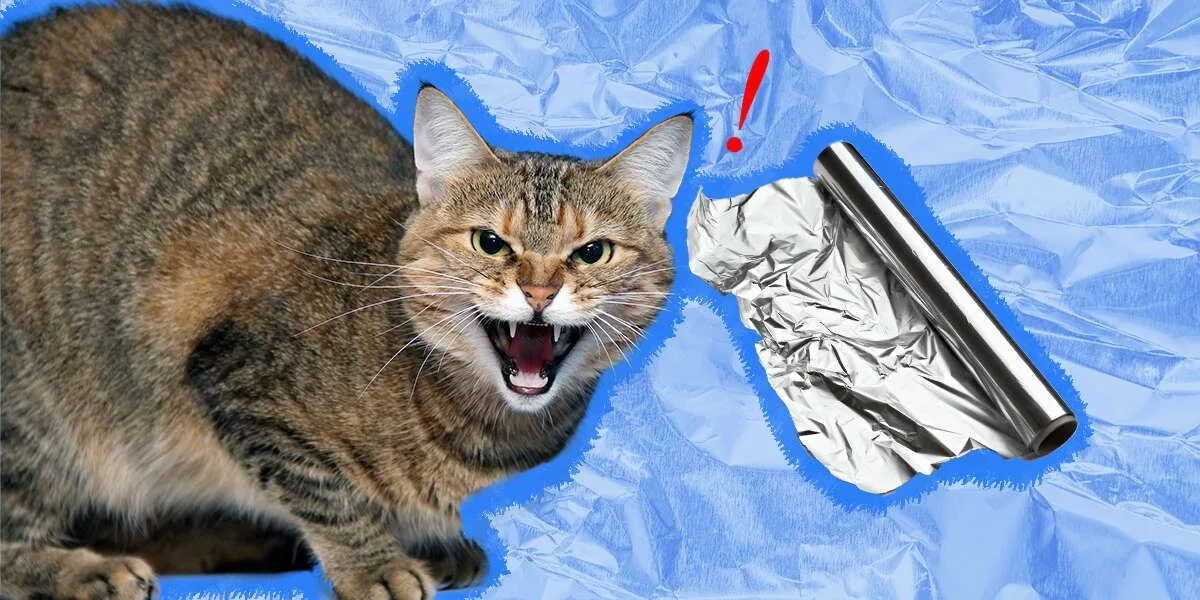
Deterrents can be your secret weapon. These are things that make the furniture less appealing to scratch. You can use sprays specifically designed to discourage scratching. A simple homemade solution could be placing double-sided tape on the surfaces your cat tends to scratch. This method creates a texture that cats find unpleasant. You might find your cat avoiding the taped areas, opting for the scratching post instead. It’s fascinating how a small change can redirect your cat’s instincts. Are you worried about your cat’s reaction? Think about how your cat responds to a new object in the room. Curiosity followed by cautious avoidance. Deterrents tap into this natural behavior, guiding your cat towards better choices. Training your cat is an ongoing process, one that requires observation and adaptation. Every cat is unique, and what works for one might not work for another. Have you tried these techniques? What worked best for you and your feline companion?Protecting Your Furniture
Cats love to scratch. It’s a natural instinct. But your furniture suffers. Protecting your furniture from cat scratches is essential. It keeps your home looking good. It saves you money on repairs. Let’s explore some effective strategies.
Furniture Covers
Furniture covers offer a simple solution. They shield your sofa and chairs. Choose durable materials. Heavy-duty fabrics withstand sharp claws. Colors and designs vary. Find one that matches your decor. Slipcovers are easy to put on. They can be washed. This keeps them clean and fresh. Covers are a cost-effective option. They protect your furniture well.
Sticky Tape Solutions
Sticky tape deters cats effectively. Cats dislike the sticky feel. Apply double-sided tape to furniture edges. Use tape specifically for cats. It won’t damage surfaces. Tape is invisible. It blends with furniture. Place it where cats scratch most. This teaches them to avoid those spots. Sticky tape is easy to use. It’s a temporary fix. You can remove it anytime. The method is simple and efficient.
Using Cat-friendly Products
Dealing with a cat that scratches your furniture can be frustrating, but using cat-friendly products might just be your saving grace. These products are designed to naturally guide your furry friend away from your beloved sofa and towards more suitable scratching options. By making a few strategic additions to your home, you can protect your furniture and keep your cat happy and healthy.
Catnip
Catnip can be a game-changer when it comes to redirecting your cat’s attention. Most cats are irresistibly drawn to this herb, and it can encourage them to scratch designated areas. Try sprinkling dried catnip on scratching posts to make them more appealing.
Have you ever noticed how your cat goes wild for catnip toys? That same excitement can be channeled to a scratching post. Just a small amount of catnip can turn a bland post into your cat’s favorite spot.
Do you have a cat that doesn’t respond to catnip? Some cats are immune, but don’t worry, there are other solutions available.
Feliway Sprays
Feliway sprays can be a soothing solution for stressed or anxious cats. They mimic natural feline pheromones and create a calming environment. Spray Feliway near furniture to deter scratching and help your cat feel more secure.
My friend once struggled with her cat scratching everything in sight, but using Feliway made a noticeable difference. Her cat was calmer, and the scratching lessened significantly. It’s worth giving it a try if your cat seems stressed.
Is your cat scratching because of a recent change in your home? This product can help smooth the transition and keep your furniture safe.
Have you tried cat-friendly products to curb your cat’s scratching habits? They might just be the secret weapon your home needs. By investing in these solutions, you’re not only protecting your furniture but also enriching your cat’s environment.
When To Seek Professional Help
Scratching is a natural behavior for cats. Yet, it can be problematic when your furniture bears the brunt. While many solutions exist, sometimes expert help is needed. Understanding when to seek professional help can save time and preserve your furniture. Let’s explore the situations that warrant expert intervention.
Behavioral Experts
Behavioral experts specialize in understanding cat behavior. They can help identify why your cat scratches excessively. They offer personalized strategies to manage this behavior. If your cat’s behavior is puzzling, consider consulting a behavioral expert. They provide insights you might not find elsewhere.
Veterinary Advice
Your veterinarian can offer valuable advice on scratching issues. They can rule out medical causes for excessive scratching. Cats sometimes scratch more due to stress or health problems. A vet can suggest effective solutions tailored to your cat’s health. Regular vet visits ensure your cat remains healthy and happy.

Credit: www.wikihow.com
Frequently Asked Questions
What Scent Will Deter Cats From Scratching Furniture?
Cats dislike citrus scents like lemon, lime, and orange. You can use essential oils or sprays with these fragrances. Lavender, eucalyptus, and peppermint also work well as natural deterrents to keep cats from scratching furniture.
How To Punish A Cat For Scratching A Couch?
Redirect the cat’s behavior using a scratching post. Reward positive actions with treats. Use deterrents like double-sided tape on the couch. Consistency is key. Avoid physical punishment to prevent fear or aggression. Ensure your cat feels safe and loved.
At What Age Do Cats Stop Clawing?
Cats never truly stop clawing, as it’s a natural behavior. Training and providing scratching posts can help manage it. Usually, kittens start clawing around 8 weeks, but adults continue for life. Regular nail trimming and environmental enrichment can minimize damage.
How To Redirect Cat Scratching?
Provide a scratching post near areas your cat frequents. Reward them with treats when they use it. Use deterrent sprays on furniture to discourage scratching. Trim your cat’s nails regularly to reduce damage. Redirect their attention with toys to keep them engaged and satisfied.
Conclusion
Training your cat to stop scratching furniture takes patience. Consistency is key. Use scratching posts as alternatives. Reward positive behavior with treats. Discourage unwanted scratching gently. Protect your furniture with covers or sprays. Engage your cat with toys and playtime.
This reduces stress and boredom. Observe what works best for your cat. Each feline is unique. Small changes can make a big difference. Keep trying different methods. Your persistence will pay off. Happy cat, happy home.

Similar Posts