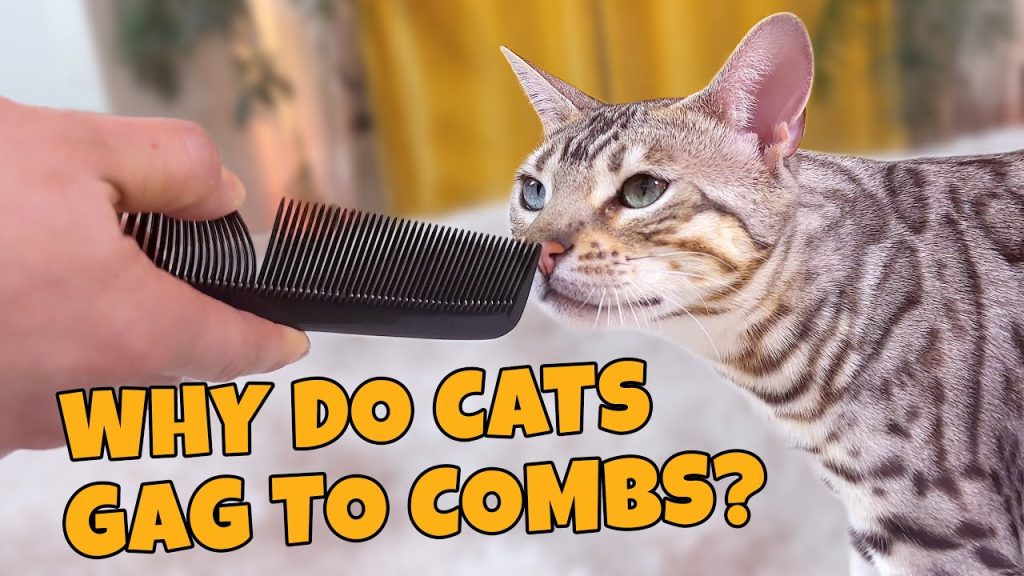
Have you ever gently run a comb over your cat’s back, only to see them react in the most unexpected way—by gagging? If you’re a cat owner, you’ve likely witnessed this puzzling phenomenon.
It’s enough to make you wonder: why does a seemingly harmless grooming tool elicit such a dramatic response from your feline friend? Understanding your pet’s peculiar behavior can deepen the bond you share and ensure their comfort and well-being. This article uncovers the science and instinctual reactions behind why a comb might make your cat gag.
You’ll discover fascinating insights that will not only satisfy your curiosity but may also change the way you interact with your furry companion. Get ready to explore a surprising aspect of your cat’s behavior that could reveal more about their unique personality and needs.
The Comb And Cat Reaction
Cats are curious creatures with unexpected reactions. One puzzling behavior is their response to combs. Many cat owners notice a peculiar reaction. Some cats gag or retch when a comb is near. This behavior raises questions. Why does a simple grooming tool cause such reactions? Understanding this can help cat owners better care for their pets.
Observations Of Cats Gagging
Many cats display a gagging reflex. It occurs when they hear or feel a comb. The sound or sensation may trigger this response. It’s a mystery why some cats react this way. Not all cats experience this gagging. Those that do might seem distressed. They often open their mouths and make gagging sounds.
Owners observe this during grooming sessions. It’s important to note the cat’s body language. Some cats may associate the comb with discomfort. Their sensitive hearing could play a role. The sound of the comb might be unpleasant for them. Watching a cat’s reaction helps in understanding their needs.
Common Grooming Tools
Pet owners use various tools for grooming. Combs and brushes are popular choices. Each tool serves a different purpose. Combs help detangle fur and remove dirt. Brushes distribute natural oils, keeping fur shiny. Some cats prefer certain tools over others. It’s important to choose the right grooming tool.
Understanding a cat’s preference can ease grooming sessions. Some cats may react negatively to specific tools. Observing their behavior helps in selecting the best option. A gentle approach is key for a positive grooming experience. Using the right tools ensures the cat feels comfortable and relaxed.
Credit: www.tiktok.com
Sound Sensitivity In Cats
Cats often gag at the sound of a comb due to their heightened sound sensitivity. The high-pitched noise triggers a reflex in their throat, causing discomfort. This reaction is similar to how certain sounds affect humans, highlighting the unique sensory world of cats.
Cats are fascinating creatures with unique quirks. One of the most intriguing is their sensitivity to sound. You might have seen a video where a cat gags when a comb is run across hair. If you’ve ever witnessed this in your own home, you might wonder why this happens. Understanding the sound sensitivity in cats can help you provide a more comfortable environment for your feline friend.
The Role Of Hearing
Cats have an extraordinary sense of hearing. They can detect sounds that are inaudible to humans. Their ears are designed to pick up even the slightest noise, which helps them in hunting and staying alert to potential threats. This acute hearing means they are more sensitive to certain sounds, like the high-pitched noise a comb makes when it runs through hair. Cats rely on their hearing for survival instincts. Their ears can rotate independently to pinpoint sound sources. This is why sudden or unusual noises can startle them. Even everyday sounds might seem loud and jarring to a cat.
How High-frequency Sounds Affect Cats
The sound of a comb often falls into the high-frequency range that cats are especially sensitive to. These sounds can cause discomfort and even physical reactions like gagging. It’s similar to how some humans feel uneasy with nails on a chalkboard. If you’ve noticed your cat reacting negatively to certain noises, it’s a good idea to observe what triggers this behavior. Are there other high-frequency sounds that bother your cat? Understanding these triggers can help you reduce stress for your pet. Have you ever thought about how your everyday actions might affect your pet’s well-being? Next time you grab a comb, consider your cat’s sensitivity to sound. You might find yourself choosing a quieter option or keeping your feline friend out of earshot during grooming sessions.
Physiological Responses
The mysterious gagging response of cats to combs has intrigued many pet owners. This reaction is not just a peculiar behavior but is rooted in the physiological responses of felines. Understanding these responses can shed light on why cats exhibit such behavior.
Understanding Gag Reflex
The gag reflex in cats serves as a protective mechanism. It prevents choking and ensures safety while eating. This reflex is triggered by stimuli that touch sensitive areas in the mouth or throat. When a comb interacts with a cat’s surroundings, it can inadvertently activate this reflex. The sensation mimics the feeling of something foreign, leading to the gagging response.
Link Between Sound And Physical Reaction
The sound produced by a comb can also play a role. Cats have highly sensitive ears and react strongly to certain frequencies. The sound of a comb moving through fur might resonate in a way that triggers discomfort. This auditory stimulus can cause an involuntary physical reaction, leading to gagging.
Understanding these responses helps demystify this behavior. It highlights the complex nature of feline sensory systems. The combination of touch and sound can uniquely affect cats, resulting in the gagging reflex.
Psychological Factors
Many cat owners are puzzled by the gagging response to combs. This behavior isn’t just about physical sensations. Psychological factors may play a significant role in this quirky reaction. Cats, like humans, have complex emotional and psychological landscapes. Understanding these can provide insights into their behavior. Let’s explore how stress, anxiety, and memories influence this gag reflex.
Stress And Anxiety In Cats
Stress affects cats in surprising ways. A comb might remind them of a stressful grooming experience. Cats can feel anxious when they encounter objects linked to past discomfort. This anxiety can trigger gagging. A stressed cat might react defensively to any perceived threat. Their sensitive nature amplifies even minor stress triggers. Recognizing these signs helps in managing their stress.
Associative Memories
Cats have sharp memories. They remember experiences vividly. Associative memories form when a cat links a comb with discomfort. A bad grooming session can create lasting negative memories. These memories might cause a gagging reaction. Cats use past experiences to anticipate future ones. A comb might symbolize a negative encounter, leading to a gag reflex.
Scientific Theories
The mystery of why a simple comb can make cats gag has puzzled many. Scientific theories offer insight into this peculiar phenomenon. These theories explore the intricate connections between a cat’s reflexes and sensory perceptions. Understanding these can help explain the comb-gag reaction.
Research On Cat Behavior
Researchers have studied the unique behaviors of cats for years. Many focus on their sensitive hearing and reflexes. Cats have a well-developed auditory system. A comb’s sound mimics a cat’s natural predator calls. This sound triggers a gag reflex in some cats. Others suggest the comb’s vibration feels like small prey moving. Cats react instinctively to this sensation.
Expert Opinions
Veterinarians and animal behaviorists have their theories too. Some experts believe it’s linked to sensory overload. A cat’s senses are highly sensitive. The sound and feel of a comb can overwhelm them. This can result in a gagging response. Other experts argue it’s more about individual cat differences. Each cat may react based on their unique experiences and sensitivities.
Practical Solutions For Cat Owners
Ever wondered why combing makes cats gag? The sound and vibration can trigger a reflex, similar to us sneezing. Understanding this helps create a more comfortable grooming routine for your furry friend.
If you’ve noticed your cat gagging when you use a comb, you might be puzzled and worried. This reaction is not uncommon, and there are practical solutions to help your feline friend feel more comfortable. By making a few adjustments, you can create a more pleasant grooming experience for both you and your cat.
Alternatives To Combs
Consider switching tools if your cat reacts negatively to combs. Brushes with softer bristles can be a gentler option. These brushes can reduce the irritating sensation that might trigger gagging. You can also try grooming gloves. They allow you to pet your cat while removing loose fur. This method can be soothing and effective, as it mimics the natural act of petting. Some cat owners have found success with silicone grooming tools. These are flexible and less likely to cause discomfort. Experiment with different tools to see which one your cat prefers.
Creating A Calm Environment
Set the stage for a peaceful grooming session. Choose a quiet room where your cat feels safe and relaxed. A familiar environment can help reduce anxiety. Play calming music or use pheromone diffusers to soothe your cat. These can create an atmosphere of tranquility, making your cat more receptive to grooming. Think about the timing. Groom your cat when they are in a calm mood, perhaps after a meal or playtime. This can make them more cooperative and less likely to gag. Have you tried rewarding your cat with treats during grooming? Positive reinforcement can make the experience more enjoyable. It’s a simple trick that can turn a stressful situation into a bonding opportunity. Finding the right solution might take some trial and error. But with patience and understanding, you can make grooming a comfortable routine for your cat. What changes will you try first to help your cat enjoy grooming time?
Understanding Cat Communication
Cats communicate in unique ways, and a comb can trigger a gag reflex. The sound of combing mimics a cat’s sensitive vocal frequencies. This unexpected reaction can surprise many cat owners, revealing more about feline auditory sensitivity.
Understanding your cat’s unique way of communicating can be both a fascinating and puzzling experience. Cats use a combination of vocalizations, body language, and behaviors to express their feelings. When you notice your cat gagging at the sound of a comb, it’s a clear signal trying to tell you something. This might seem bizarre, but it’s actually part of their complex communication system. Cats are sensitive creatures, and their reactions often have deeper meanings. Before dismissing a behavior as odd, it’s essential to explore what your cat might be trying to communicate. Could it be discomfort, fear, or just a quirky habit? Understanding these signals can help you build a stronger bond with your feline friend.
Signs Of Discomfort
Cats might not speak in words, but they certainly have their ways of expressing discomfort. A cat that gags at the sound of a comb could be reacting to the high-pitched noise that resembles a frequency they find unpleasant. You might notice other signs of discomfort, such as flattened ears, dilated pupils, or a twitching tail. These are all ways your cat says, “I don’t like this!” Paying attention to these signals is crucial for their well-being.
Responding To Cat Signals
Once you recognize the signs of discomfort, the next step is to respond appropriately. If your cat gags at a comb’s sound, try to minimize the noise or use a different grooming tool. Watch your cat’s reactions closely to see what works best for them. By acknowledging their signals, you show your cat that you’re listening and care about their comfort. This proactive approach helps in building trust and ensuring a happy, stress-free environment for your pet. Have you ever wondered how many signals from your cat you might be missing daily? By tuning into their communication style, you can become more attuned to their needs and emotions. This awareness not only helps in reducing their stress but also enriches your relationship with them.

Credit: www.youtube.com

Credit: www.drool.pet
Frequently Asked Questions
Why Do Cats Gag When A Comb Is Brushed?
Cats gag when a comb is brushed due to a reflexive response. The sound resembles a cat’s gag reflex trigger. It imitates the frequency of feline vocalizations, causing this reaction. This response is harmless and varies among cats.
Why Does My Cat Make A Gag Sound?
Cats might gag due to hairballs, respiratory issues, or foreign objects. Consult a vet if it persists.
Why Do Combs Make Cats Gag On Reddit?
Cats might gag when exposed to combs due to a phenomenon called the Flehmen response. This response occurs when cats detect certain scents. The comb’s texture or sound might trigger this reaction, causing the cat to make gagging motions. It’s harmless and common among many cats.
Why Do Certain Things Make My Cat Gag?
Certain smells, textures, or tastes can trigger a cat’s gag reflex. Cats are sensitive to strong scents and certain foods. Cleaning products, perfumes, or even some plants might cause this reaction. Pay attention to what your cat encounters to identify possible triggers.
Conclusion
Understanding why a comb makes a cat gag can help you care better. Cats have sensitive reflexes, especially near their faces. The sound or feel of the comb triggers it. It might be funny to some, but it’s serious for cats.
Always be gentle with grooming tools. Observe your cat’s reaction to ensure comfort. Try different brushes for a better experience. Your cat’s comfort should always come first. Respect their space and needs. Simple adjustments make grooming pleasant. Happy cat, happy owner.