What to Give Cats for Hairballs: Effective Solutions
Are you constantly finding little surprises of cat hair around your home? You’re not alone.
As a loving cat owner, you know that hairballs are just part of the feline package. But when they start causing discomfort for your furry friend, it’s time to take action. Understanding what to give your cats for hairballs can not only help reduce these pesky problems but also keep your kitty happy and healthy.
In this blog post, we’ll explore simple and effective solutions to tackle hairballs, ensuring your cat enjoys a smoother, more comfortable life. Stick around; you won’t want to miss these tips that could make a big difference in your pet’s well-being!

Credit: www.amazon.com
Dietary Adjustments
Cats often struggle with hairballs. Adding fiber-rich foods like pumpkin can help. Regular grooming and special hairball formulas also ease the problem.
Cats are mysterious creatures with unique quirks, and hairballs are one of those less-than-pleasant surprises they leave us with. If your feline friend is coughing up more hairballs than usual, it might be time to make some dietary adjustments. Changing what your cat eats can help reduce the occurrence of hairballs, making both your life and your cat’s life a bit easier.High-fiber Foods
High-fiber foods can be a game-changer for your cat’s digestive system. Fiber helps move ingested hair through the digestive tract, reducing the likelihood of it forming a hairball. Consider adding a small amount of canned pumpkin to your cat’s diet. It’s a natural source of fiber and can be mixed easily with their regular food. Some cats enjoy the taste, while others might need a little coaxing. Observe how your cat reacts to this change. Does it seem more comfortable, or is it still struggling with hairballs? Every cat is different, so adjustments might be needed.Specialized Cat Food
Specialized cat food designed for hairball control can be an effective solution. These foods are formulated with higher fiber content and other ingredients to support a healthy coat and digestion. Look for labels that specifically mention hairball control. These products often contain natural fibers and balanced nutrients tailored for cats prone to hairballs. Have you ever thought about how much of an impact the right food can have on your cat’s health? This could be the simple change that makes a big difference. When my own cat, Whiskers, started having hairball issues, switching to a specialized diet made a noticeable improvement. It was as if Whiskers was thanking me with every purr and playful leap. Isn’t it heartwarming to see your pet thrive? Making these dietary adjustments could be just what your furry friend needs to live a more comfortable life. Remember, every cat is unique, so patience and observation will guide you to the right solution.
Credit: shop.hillspet.com
Natural Remedies
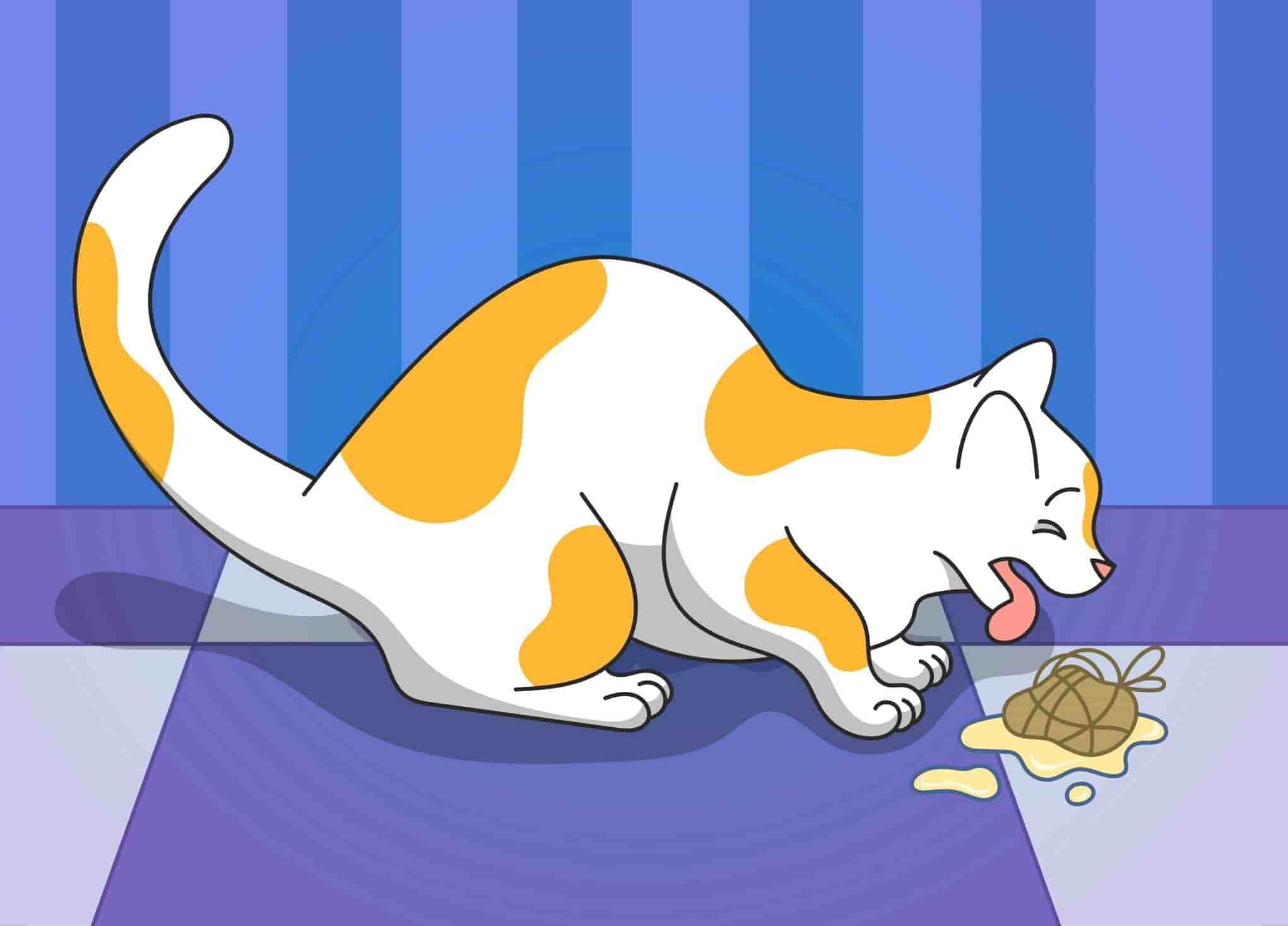
Hairballs can be a common problem for many cats. These pesky lumps form when cats groom themselves. Their rough tongues pull loose fur, which they swallow. Over time, this fur can clump together in their stomach. Natural remedies can help manage and reduce hairball issues. They offer a gentle approach without harsh chemicals.
Pumpkin Puree
Pumpkin puree is a simple and effective remedy. It is rich in fiber. Fiber helps move hair through the digestive tract. This reduces the chance of hairballs forming. Add a small amount to your cat’s food. Start with a teaspoon. Watch how your cat reacts. Pumpkin is also low in calories. It’s a healthy addition to their diet.
Olive Oil
Olive oil can ease hairball problems. It acts as a natural lubricant. This helps hair move through the digestive system. Mix a teaspoon of olive oil into their food. Do this once a week. It can improve your cat’s coat and skin too. Always use pure, high-quality olive oil. It ensures the best results for your feline friend.
Commercial Treatments
Cats often struggle with hairballs, and commercial treatments can help. These remedies include specially formulated hairball control foods and treats. They aid in digestion and reduce hairball formation.
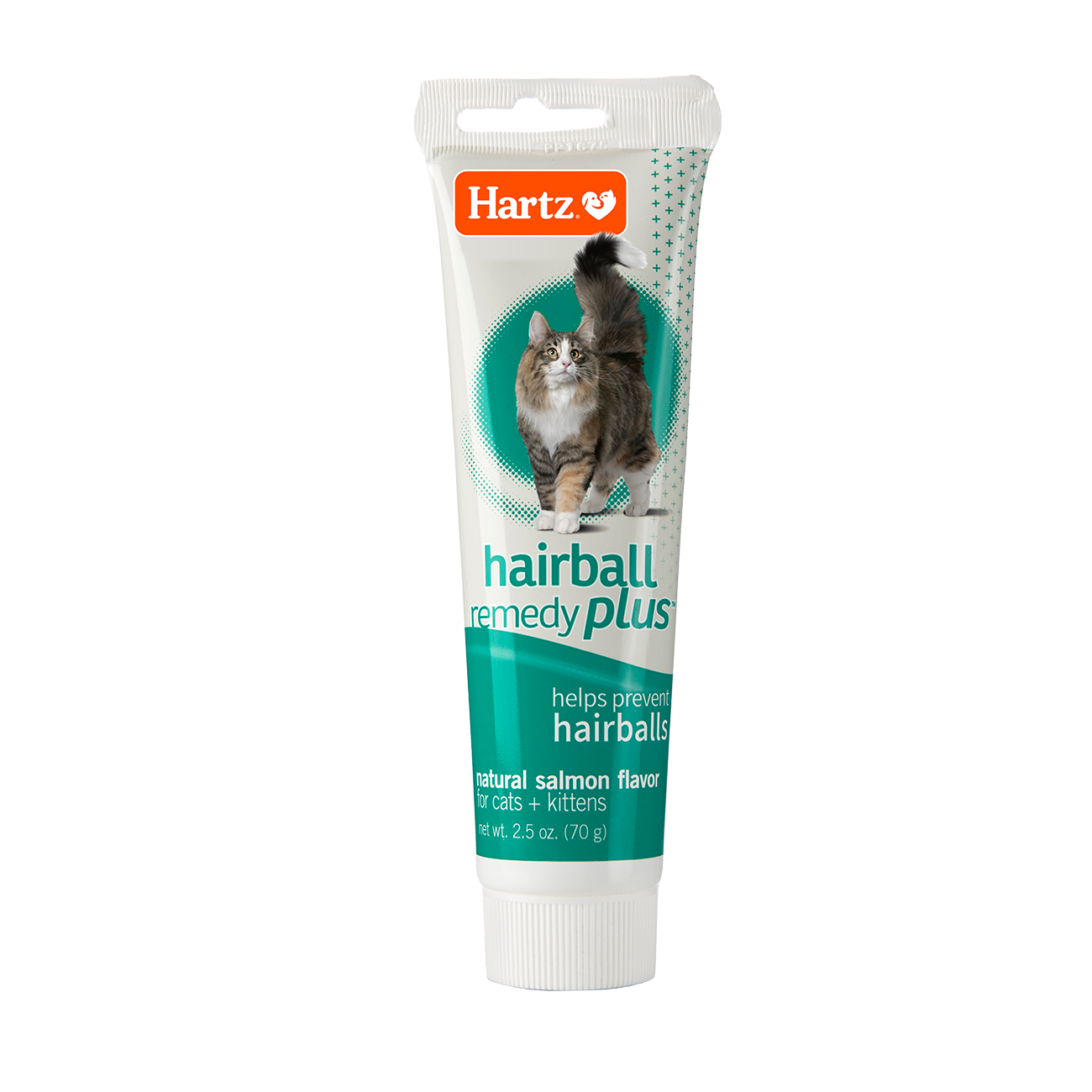
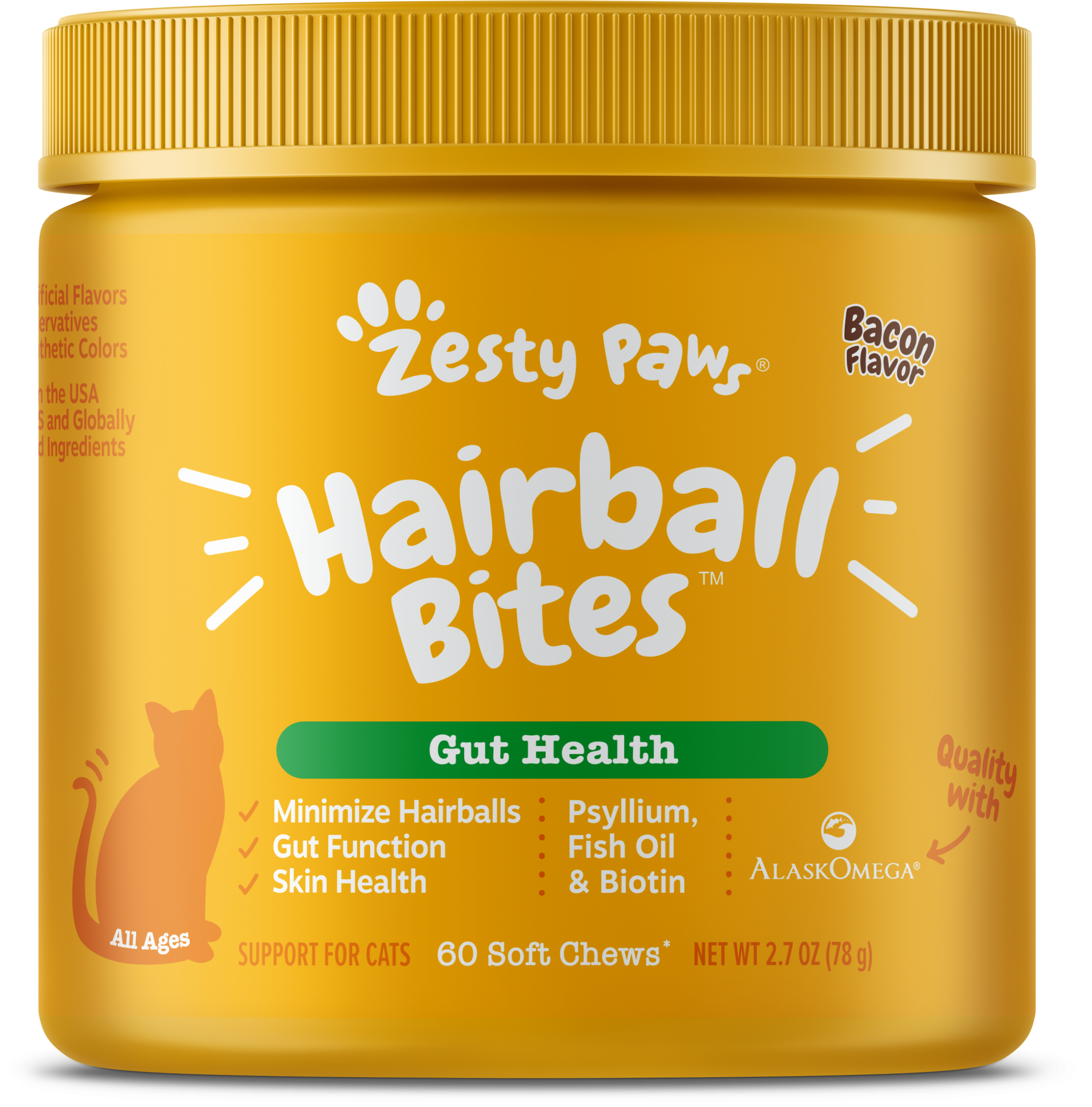
Cats are adorable companions, but dealing with hairballs can be a messy affair. Luckily, there are several commercial treatments designed to help your furry friend manage this common issue. These treatments offer convenience and effectiveness, ensuring that both you and your cat can enjoy a hairball-free environment. Let’s explore some of these solutions that you can easily incorporate into your cat’s routine.Hairball Control Supplements
Hairball control supplements are a popular choice among cat owners. These products are often formulated with natural ingredients to help your cat pass hairballs more comfortably. They usually come in the form of chews or gels, making them easy for your cat to consume. One day, after yet another incident of hairball cleanup, I decided to try a supplement for my cat, Whiskers. The change was remarkable; Whiskers seemed more comfortable and the frequency of hairballs decreased significantly. It’s worth considering if you’re looking for a straightforward solution. Are you curious about how these supplements work? They typically contain fiber and lubricating agents that aid in moving hair through the digestive tract. This means less cleaning for you and a happier cat.Laxatives For Cats
Laxatives can also be effective in managing hairballs. These products help your cat digest and eliminate ingested hair more easily. They come in flavors that cats usually enjoy, ensuring that administering them is a breeze. I remember the first time I used a cat laxative. I was skeptical, but after giving it to Whiskers, I noticed an improvement in her digestion and fewer hairballs. It was a relief to see her more active and playful. But have you ever wondered if laxatives are safe for regular use? Most products are designed for occasional use, so it’s important to follow the instructions carefully. Always consult with your vet to make sure you’re choosing the right product for your cat’s health needs. These commercial treatments offer practical solutions for managing hairballs. By choosing the right product, you can ensure your cat stays comfortable and healthy, while you enjoy a cleaner home.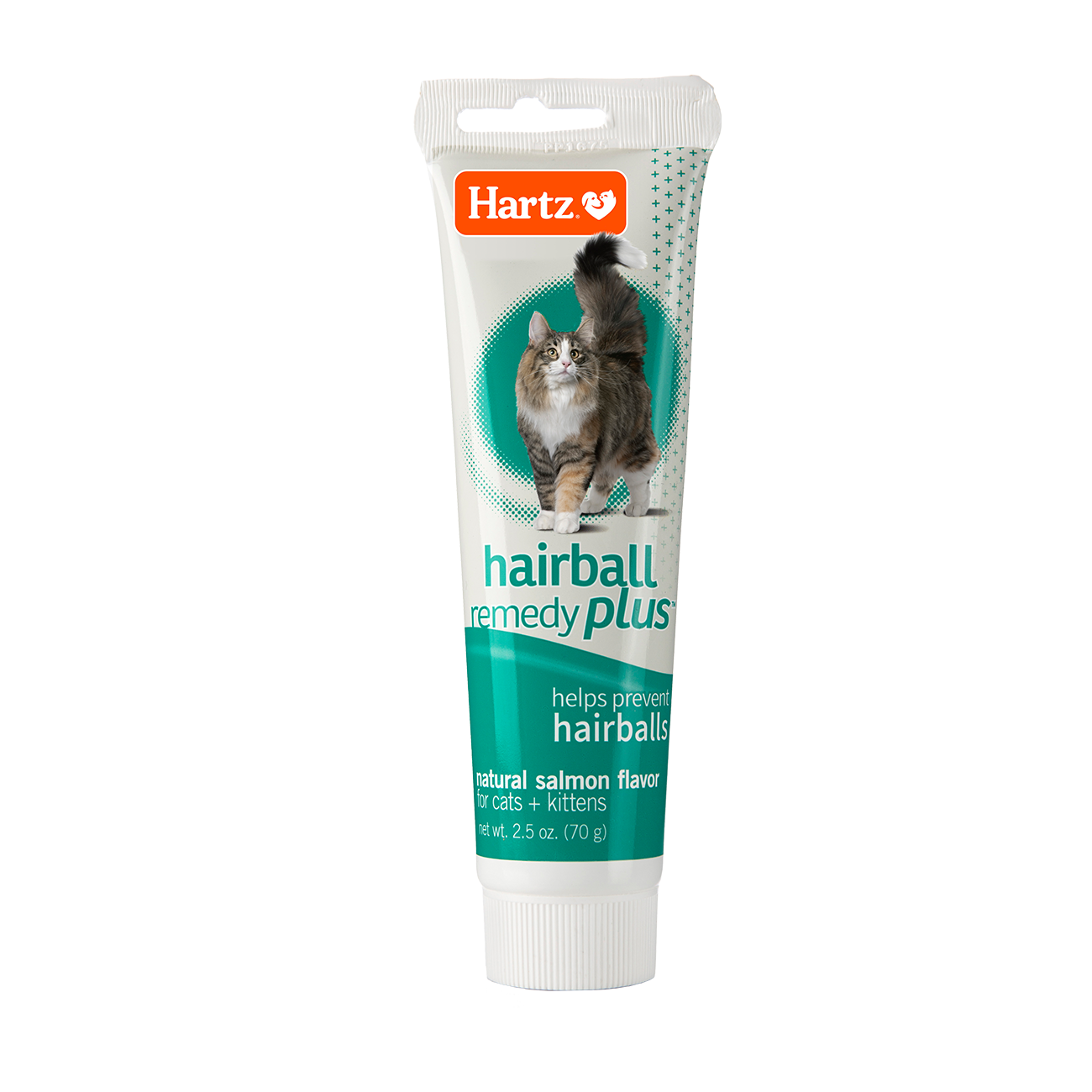
Credit: www.hartz.com
Regular Grooming
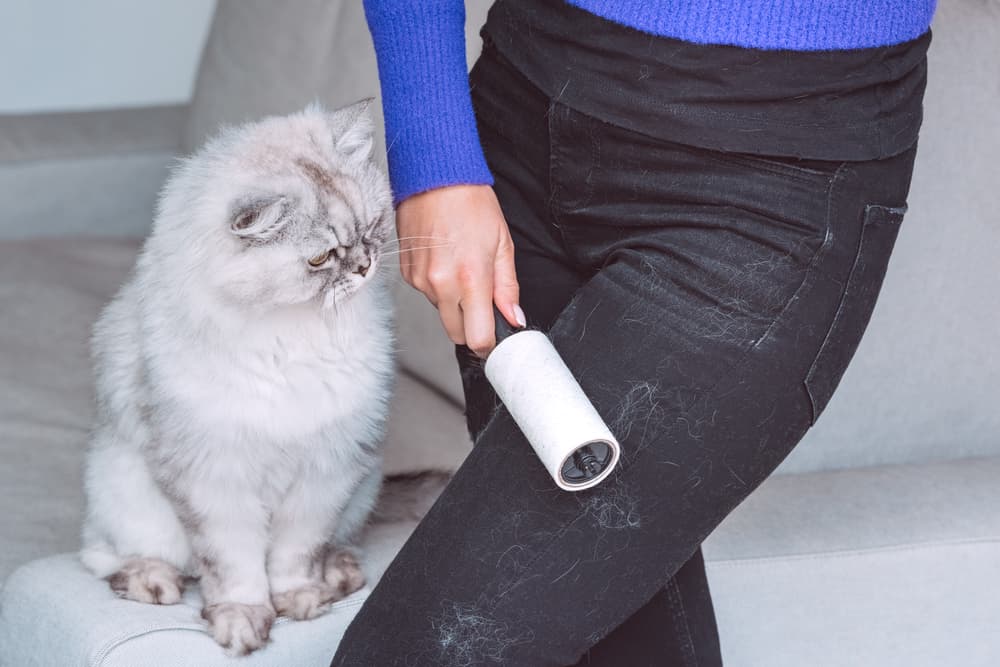
Regular grooming is essential for reducing cat hairballs. It helps manage loose fur. This minimizes the risk of hairballs forming in your cat’s stomach. Regular grooming keeps your cat’s coat clean and healthy. It strengthens the bond between you and your furry friend.
Brushing Techniques
Brushing your cat is key to reducing hairballs. Use gentle, even strokes. Start from the head and work towards the tail. This helps remove loose fur effectively. Be gentle around sensitive areas like the belly and tail. Regular brushing also promotes a shiny coat.
Grooming Tools
Choose the right tools for grooming. A slicker brush works well for most cats. It removes loose fur and detangles knots. For long-haired cats, a comb with wide teeth is useful. This helps with deeper tangles. A grooming glove can be a good option too. It makes grooming feel like petting.
Veterinary Solutions
Cats often face discomfort from hairballs. While home remedies can help, veterinary solutions offer more effective relief. For persistent hairball issues, consulting a vet is crucial. They provide targeted treatments for your feline friend. Explore the options below.
Medications
Vets often prescribe specific medications for hairball problems. These medications help break down hairballs. They make it easier for your cat to pass them. Some medications lubricate the digestive tract. This helps the hairball move smoothly. Always follow the vet’s dosage instructions.
Surgical Interventions
In severe cases, surgery might be necessary. Large hairballs can block the intestines. This requires immediate attention. The vet will assess the situation carefully. Surgery is a last resort. It’s only used when other treatments fail.
Frequently Asked Questions
Is There A Home Remedy For Hairballs In Cats?
Olive oil can help cats pass hairballs. Add a teaspoon to their food weekly. Regular brushing reduces hair ingestion. Pumpkin is another remedy; mix with their food for fiber. Ensure your cat stays hydrated, as water aids digestion and prevents hairballs.
Always consult a vet if hairballs persist.
What Do Vets Recommend For Hairballs?
Vets often recommend specialized cat food formulated to reduce hairballs. Regular grooming and fiber supplements can help. Ensure your cat stays hydrated and consider using hairball prevention gels. For persistent issues, consult your vet for tailored advice and solutions.
How Do You Help A Cat Bring Up A Hairball?
Gently massage your cat’s throat and chest to help it bring up a hairball. Offer a small amount of butter to ease passage. Ensure your cat stays hydrated and groomed regularly to reduce hairball occurrences. Consult a vet if hairballs persist or cause discomfort.
What Helps Cats Pass Hairballs Naturally?
Feeding your cat a high-fiber diet can help pass hairballs naturally. Fiber aids in digestion and helps move hair through the digestive tract. Adding a teaspoon of canned pumpkin or a specially formulated hairball control cat food can also be beneficial.
Always provide plenty of fresh water to support digestion.
Conclusion
Helping your cat with hairballs is crucial for their comfort. Regular grooming reduces shedding and prevents hairballs. Consider special cat foods designed for hairball control. These foods contain fibers that aid digestion. Also, keep your cat hydrated. Water helps ease hairball passage.
Offering cat grass can help too. It aids in natural elimination. Always consult your vet for advice. They can recommend the best solution for your cat. Remember, a happy cat is a healthy cat. With these tips, you can manage hairballs effectively.
Your feline friend will thank you.

Similar Posts