What Causes Cats to Lose Hair: Uncover the Mystery
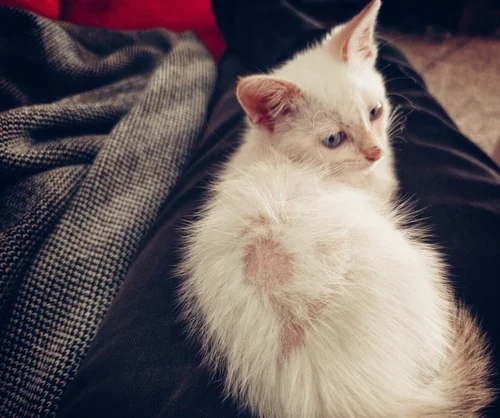
Have you noticed your cat leaving more hair around the house than usual? If your feline friend is shedding excessively or developing bald patches, you might be wondering what’s going on.
You’re not alone in this concern. Cats, like us, can experience hair loss for a variety of reasons, and understanding these causes is crucial for their well-being. Dive into this article to discover the potential reasons behind your cat’s hair loss and learn what you can do to help.
Whether it’s a minor issue or a sign of something more serious, knowing the cause can bring peace of mind and ensure your furry companion stays happy and healthy. Keep reading to find out the surprising factors that could be affecting your cat’s luscious coat.
Credit: thecatdoctor.co.uk
Common Reasons For Hair Loss In Cats
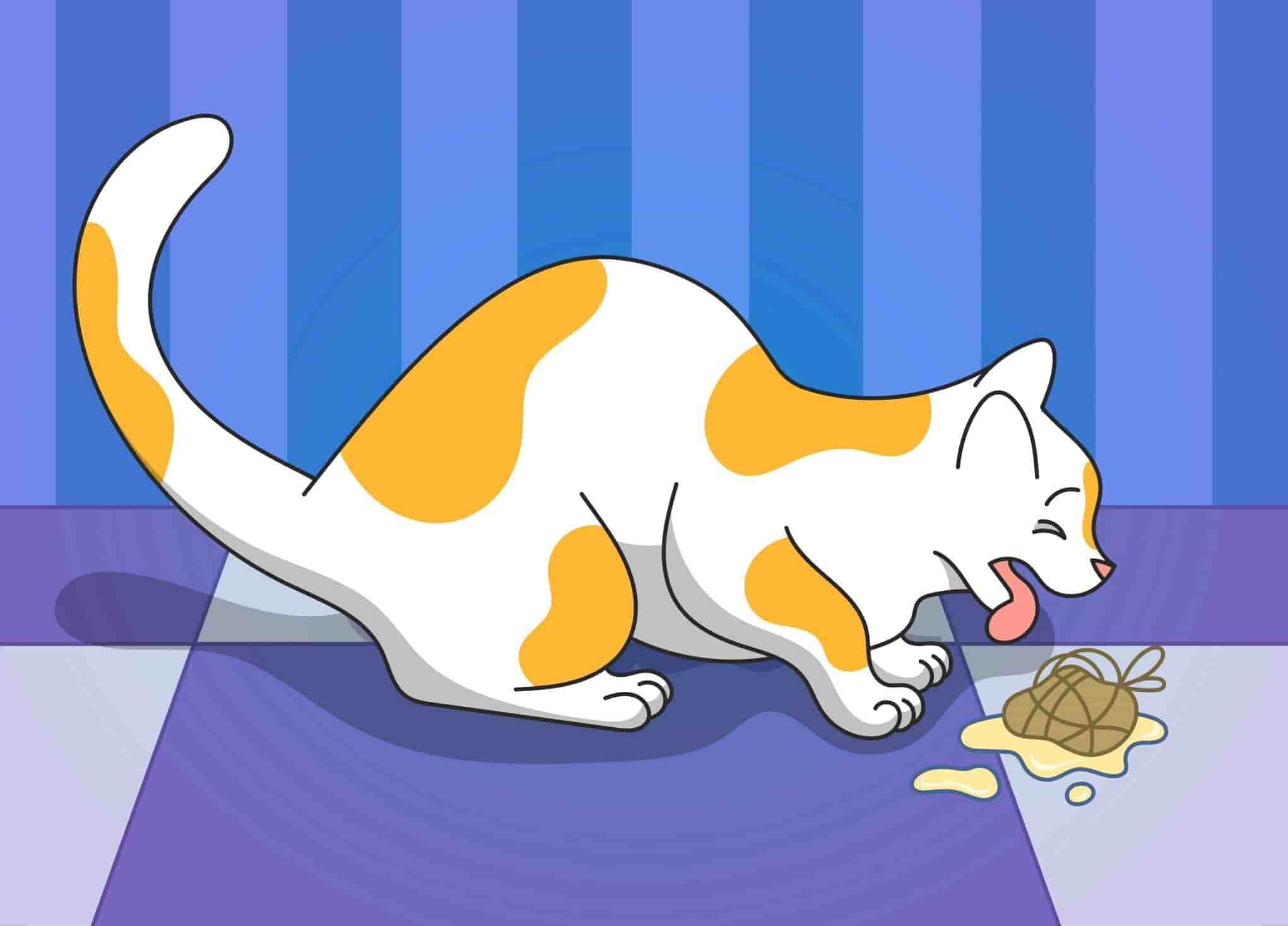
Cats are known for their beautiful, soft fur. Yet, seeing them lose hair can be alarming. Hair loss in cats can occur due to several reasons. Understanding these causes helps ensure your cat stays healthy and happy.
Allergies And Irritants
Allergies are a common cause of hair loss in cats. Cats can be allergic to foods, pollen, or dust. Some cats may react to certain cleaning products. Allergies cause itching, leading cats to scratch or lick excessively. This action results in hair loss and skin irritation. Identifying and removing the allergen is crucial for relief.
Parasites And Infestations
Parasites like fleas and mites are notorious for causing hair loss. These tiny pests bite and irritate the skin. Cats might scratch or bite at the affected areas. This behavior results in bald patches and further irritation. Regular use of flea prevention can help. A vet can also recommend treatments for infestations.
Fungal Infections
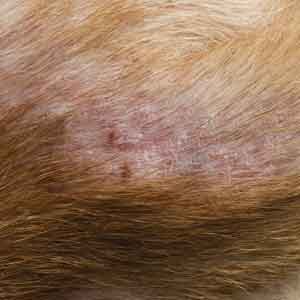
Fungal infections, such as ringworm, are another cause. This infection spreads quickly, leading to hairless patches. Affected areas may appear red or scaly. Ringworm is contagious to other animals and humans. It’s important to seek veterinary care for proper treatment. Keeping your cat’s environment clean can help prevent fungal infections.
Credit: www.ellevetsciences.com
Underlying Health Issues
Cats may lose hair due to various health issues. Allergies, parasites, or infections can lead to hair loss. Stress and poor nutrition might also play a role. Regular vet check-ups help identify and treat the underlying problems.
Cats are fascinating creatures, but sometimes they face health challenges that can leave them with patches of missing fur. Hair loss in cats can often be attributed to underlying health issues that require attention. Understanding the root causes can help you take proactive steps to ensure your furry friend remains healthy and happy.Hormonal Imbalances
Hormonal imbalances in cats can lead to significant hair loss. Conditions such as hyperthyroidism or Cushing’s disease disrupt normal hormone levels. When hormones are out of balance, hair growth cycles can be affected, resulting in thinning or bald spots. Your cat might show other symptoms like weight changes or increased thirst. It’s crucial to consult your vet if you notice these signs. Early detection and treatment can help restore your cat’s coat and overall health.Autoimmune Disorders
Autoimmune disorders occur when a cat’s immune system mistakenly attacks its own body. This can lead to hair loss as the body targets healthy skin or hair follicles. Conditions like pemphigus can cause painful sores and bald patches. Imagine your cat is suddenly hiding more or seems uncomfortable when you touch certain areas. These could be signs that something is amiss. A vet can run tests to diagnose autoimmune disorders and recommend treatments to manage the condition.Nutritional Deficiencies
A poor diet can have a direct impact on your cat’s fur. Nutritional deficiencies can cause hair to become brittle and fall out more easily. Key nutrients like omega-3 fatty acids, biotin, and zinc play a vital role in maintaining a healthy coat. Have you ever switched your cat’s food and noticed a change in their fur? This could be a clue. Ensuring your cat receives a balanced diet can make a world of difference in their appearance and vitality. Addressing these underlying health issues promptly can prevent further hair loss and discomfort for your cat. Have you noticed any changes in your cat’s coat? Taking quick action and seeking professional advice can lead to a positive outcome. Your feline friend depends on you for their well-being.Behavioral And Environmental Factors
Hair loss in cats can stem from behavioral habits and environmental changes. Stressful situations or new surroundings might trigger excessive grooming, leading to bald patches. Exposure to allergens in the environment also contributes, causing irritation and subsequent hair loss. Understanding these factors can help manage your cat’s well-being.
Cats are known for their luscious fur, but sometimes they lose hair for reasons beyond health conditions. Behavioral and environmental factors can play a significant role. Understanding these elements can help you better manage your cat’s wellbeing. Let’s delve into how stress, seasonal changes, and grooming habits contribute to hair loss.Stress And Anxiety
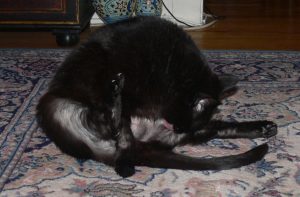
Stress can cause your cat to lose hair. Have you noticed your cat licking or biting its fur more than usual? This might be a sign of anxiety. Changes in your home, like moving furniture or introducing a new pet, can make cats anxious. Creating a calm environment is essential. You might consider providing a quiet space where your cat can retreat. Use calming sprays or pheromone diffusers. These can significantly reduce your cat’s stress levels and help prevent hair loss.Seasonal Changes
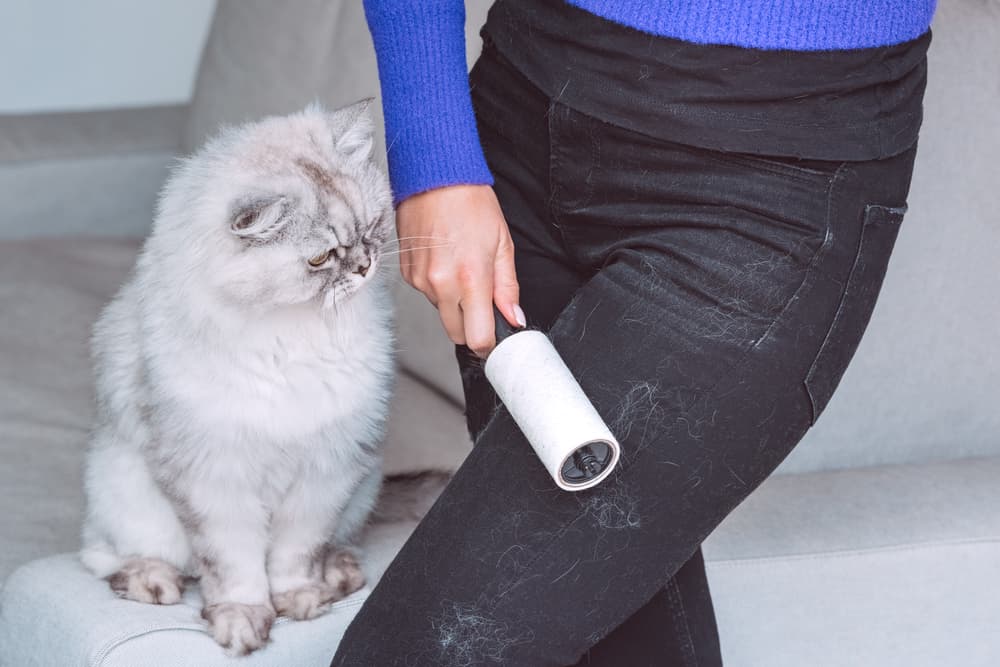
Cats often shed more during certain seasons. If you notice an increase in hair loss, seasonal changes might be the culprit. As the temperature drops, cats grow thicker fur, and as it rises, they shed to stay cool. How can you manage this? Regular brushing can help control shedding. It also keeps your cat’s coat healthy and reduces the amount of fur you find around the house. Consider adjusting your grooming routine based on the season.Grooming Habits
Grooming habits play a crucial role in your cat’s fur health. Over-grooming can lead to hair loss. Cats might groom excessively due to boredom, stress, or skin irritations. Keep your cat entertained with toys and interactive playtime. This can distract them from over-grooming. If you suspect skin irritation, consult your vet. They can recommend solutions to help soothe your cat’s skin and reduce hair loss. Have you ever noticed these factors affecting your cat’s fur? Addressing them can make a difference. By understanding these behavioral and environmental aspects, you can help your cat maintain a healthy coat.:strip_icc()/cat-going-bald-on-hind-legs-3384806_final-a1a4a409849146c4afd41b8092cc056f.jpg)
Credit: www.thesprucepets.com
Preventive Measures
Hair loss in cats can be distressing for both the pet and the owner. While understanding the causes is essential, focusing on preventive measures can save you and your feline friend from the headache of dealing with hair loss. Prevention isn’t just about avoiding hair loss but ensuring your cat leads a healthier and happier life.
Proper Diet
Nutrition plays a pivotal role in maintaining your cat’s luscious coat. A balanced diet rich in omega-3 and omega-6 fatty acids is crucial. These nutrients promote healthy skin and fur, reducing the chances of hair loss.
Commercial cat foods often meet these dietary needs, but always check the label. If you’re unsure, consult your vet about supplements that could fill any nutritional gaps. Have you ever noticed how your cat’s coat shines after switching to a higher quality food?
Regular Vet Check-ups
Routine vet visits are more than just vaccinations. Regular check-ups can catch early signs of skin conditions or nutritional deficiencies that lead to hair loss. Your vet can offer personalized advice tailored to your cat’s specific needs.
Consider scheduling annual or biannual visits, depending on your cat’s health status. This proactive approach can save you from unexpected issues and costly treatments. How often do you take your cat for a health check-up?
Stress Management
Cats, much like humans, are susceptible to stress which can trigger hair loss. Identifying stressors in your cat’s environment is the first step. Common stress factors include changes in routine, new pets, or loud noises.
Providing a safe, quiet space and maintaining a consistent routine can help alleviate stress. Interactive toys and regular playtime can also keep your cat mentally stimulated and relaxed. Have you ever noticed your cat grooming less when they’re content and relaxed?
By taking these preventive measures, you can significantly reduce the risk of your cat losing hair. A little effort goes a long way in ensuring your feline friend stays healthy and happy. What’s one change you can make today to improve your cat’s well-being?
Treatment Options
Alopecia in cats might stem from allergies, stress, or parasites. Treatments include antihistamines, flea control, and soothing shampoos. Consulting a vet ensures effective solutions for your feline friend’s coat health.
Cats losing hair can be concerning for many pet owners. Luckily, there are various treatment options available to address this issue. Understanding these treatments can help your feline friend regain a healthy coat. Below are some effective methods to tackle hair loss in cats.Medications And Therapies
Veterinarians often prescribe medications to treat underlying causes. Antibiotics might be used for bacterial infections. Antifungal medicines are common for ringworm cases. Corticosteroids can help manage allergies or inflammation. Regular vet visits ensure proper dosage and effectiveness. In some cases, special shampoos or topical treatments are recommended. Laser therapy is another option for promoting hair regrowth.Natural Remedies
Many pet owners prefer natural solutions. Essential oils like lavender can soothe irritated skin. Omega-3 supplements support a healthy coat. Aloe vera gel may reduce skin inflammation. Apple cider vinegar can help with skin infections. Always consult a vet before trying new remedies. Some cats may have adverse reactions to certain natural products.Lifestyle Adjustments
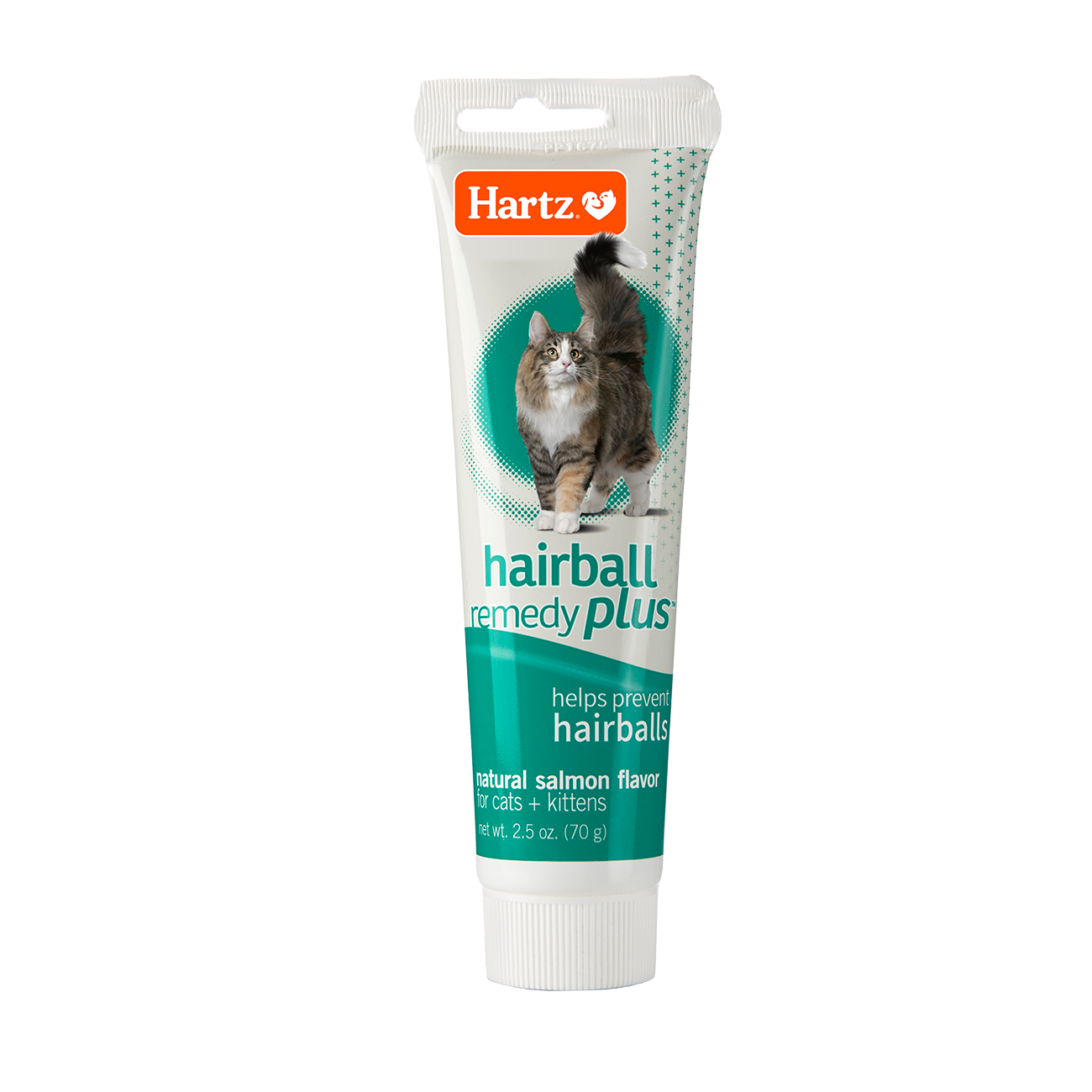
Adjusting your cat’s diet can make a big difference. High-quality protein supports hair growth. Ensure your cat has a balanced diet with vitamins and minerals. Regular grooming helps remove loose hairs. It also prevents mats and tangles. Reduce stress by creating a calm environment. Provide toys and scratching posts to keep your cat engaged. Ensure your cat has a comfortable sleeping area. Consider indoor air quality to avoid allergens.Frequently Asked Questions
What Should I Do If My Cat Is Losing Hair?
Consult a veterinarian for an accurate diagnosis. Ensure your cat’s diet is balanced and stress-free. Regular grooming helps maintain healthy fur. Check for fleas or allergies and provide appropriate treatment. Keep your cat’s environment clean and comfortable.
What Is The Most Common Cause Of Hair Loss In Cats?
The most common cause of hair loss in cats is flea allergy dermatitis. Cats often react to flea saliva. This leads to excessive itching and scratching. Regular flea prevention can help manage this issue effectively. Consult a vet for proper diagnosis and treatment to ensure your cat’s health.
When To Worry About Cat Hair Loss?
Worry about cat hair loss if you notice bald patches, excessive shedding, or skin irritation. Consult a vet if hair loss accompanies itching, redness, or behavioral changes. These symptoms can indicate allergies, parasites, or underlying health issues. Early diagnosis and treatment ensure your cat’s well-being.
What Parasite Causes Hair Loss In Cats?
The parasite that causes hair loss in cats is usually the mite, specifically the Notoedres cati or Demodex. These mites lead to conditions like mange, resulting in itching and hair loss. Regular veterinary check-ups can help in early detection and treatment to prevent severe infestations.
Conclusion
Understanding why cats lose hair helps in caring for them better. Regular vet visits ensure your cat stays healthy. Proper diet and grooming also play a crucial role. Stress can cause hair loss too, so keep their environment calm. Parasites are another common cause.
Use preventive treatments regularly. Allergies might lead to hair loss as well. Observe your cat for any signs. Early detection can prevent serious issues. Always consult a vet if you’re unsure. A healthy cat is a happy cat. Take steps to keep their coat shiny and full.

Similar Posts