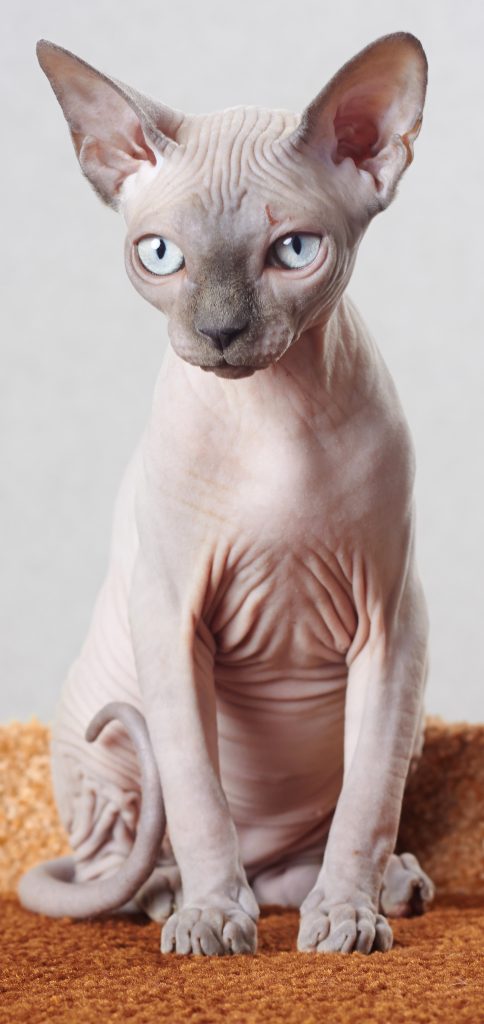
Ever stumbled across a sleek, feline creature without a hint of fur and wondered what they are called? You’re not alone.
These intriguing pets have captured the curiosity of many, and for good reason. Their unique appearance is just the tip of the iceberg when it comes to their fascinating nature. If you’ve ever found yourself intrigued by these distinctive cats, or perhaps considering one as your next pet, you’re in the right place.
Prepare to uncover the secrets behind these hairless wonders and learn what makes them not just special, but a beloved choice for cat enthusiasts. From their name to their personality, you’ll soon see why these cats are so much more than just a pretty face. Keep reading to discover what these hairless cats are called and why they might be your next furry—or not so furry—companion.
Credit: www.coopsandcages.com.au
Popular Hairless Cat Breeds
When you think of hairless cats, you might picture a sleek, velvety feline that’s unlike any other. These unique creatures have captured the hearts of many with their distinct appearance and charming personalities. If you’re considering adopting a hairless cat, it’s essential to know the popular breeds available. From the famous Sphynx to the lesser-known Bambino, each breed offers something special. Let’s dive into the fascinating world of hairless cat breeds.
Sphynx Cats
Sphynx cats are perhaps the most recognized hairless breed. Known for their playful and affectionate nature, they make excellent companions. With their large ears and prominent cheekbones, they have a distinct, exotic look.
Despite their lack of fur, they require regular grooming to remove excess oils from their skin. The first time I held a Sphynx, I was surprised by how warm they felt. It’s like having a little heater that purrs!
Are you ready to enjoy their endless energy and curiosity?
Peterbald Cats
Originating in Russia, Peterbald cats are a newer breed. They can have varying degrees of hairlessness, from fully bald to a short, peach fuzz. They’re known for their friendly and social demeanor, often bonding closely with their human families.
Peterbalds are also quite intelligent, making them easy to train. Imagine having a cat that could learn tricks as dogs do! Their slender build and long legs give them a graceful appearance.
Could a Peterbald be your next feline friend?
Donskoy Cats
Donskoy cats, another Russian breed, are unique in their genetic makeup. Unlike other hairless cats, their hairlessness is due to a dominant gene. They have a friendly, dog-like personality, often following their owners around the house.
With their wrinkled skin and large, expressive eyes, Donskoys can be quite striking. I once met a Donskoy that insisted on sitting in my lap during a dinner party. Their loyalty is unmatched.
How would you like a loyal companion that never leaves your side?
Bambino Cats
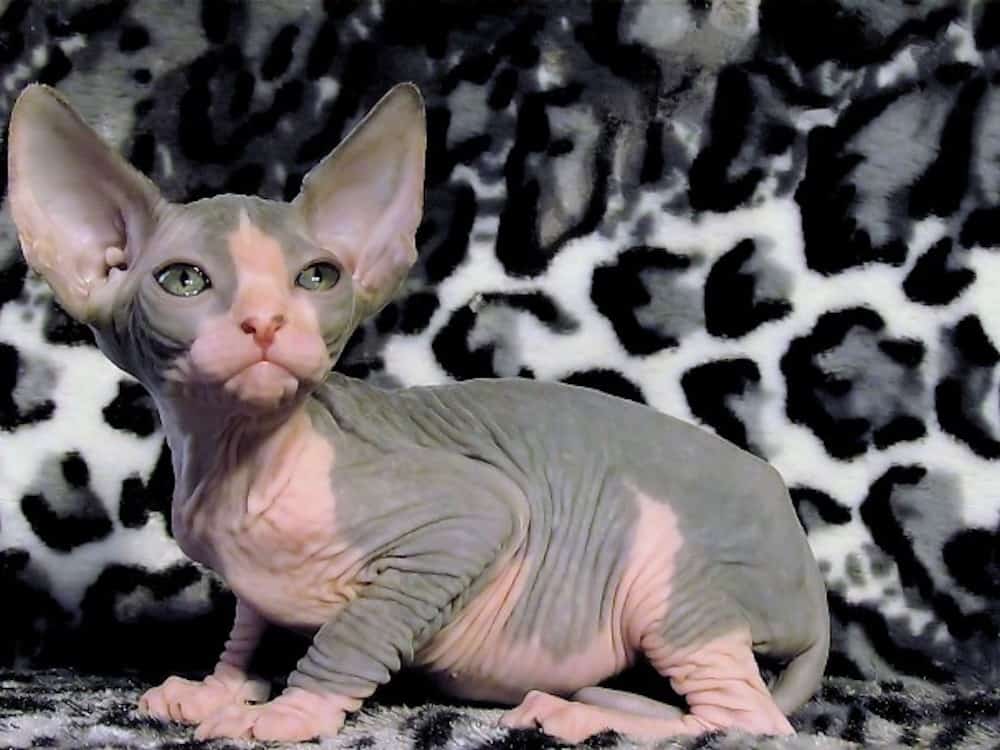
Bambino cats are a delightful blend of two breeds: the Sphynx and the Munchkin. These cats are hairless with short legs, giving them a distinctive appearance. They’re known for their playful antics and affectionate nature.
Despite their small size, Bambinos have big personalities. They’re often described as little clowns, bringing joy and laughter to any household. Have you ever seen a cat that could rival the cuteness of a puppy?
Could a Bambino be the perfect addition to your family?
Choosing a hairless cat can be an exciting adventure. Each breed offers unique traits and challenges. Whether you’re drawn to the elegance of the Sphynx or the playful charm of the Bambino, there’s a hairless cat waiting to steal your heart. What’s your ideal hairless cat breed?
:max_bytes(150000):strip_icc():focal(602x0:604x2)/xherdan-cat-2-1a0a928c0605461f851e49fb5b5f29af.jpg)
Credit: people.com
Lesser-known Hairless Cats
Ever heard of hairless cats? They’re called Sphynx cats. Although not as popular as furry breeds, they have a unique charm. Their skin feels like warm suede, making them a fascinating pet choice.
When you think of hairless cats, the Sphynx is probably the first breed that pops into your mind. But there’s a whole world of lesser-known hairless cats that deserve your attention. These unique felines have captivating features and fascinating histories. Let’s dive into some of these intriguing breeds and discover what makes them so special.Lykoi Cats
Lykoi cats, often referred to as “werewolf cats,” are an intriguing breed with a partially hairless appearance. They have a strikingly unique look, with a patchy coat and expressive eyes. This breed is relatively new, originating from natural mutations in domestic short-haired cats. The name “Lykoi” comes from the Greek word for wolf, which is fitting given their wild appearance. Despite their feral look, Lykoi cats are affectionate and playful. Their curious nature can keep you entertained for hours, making them a great addition to an active household.Ukrainian Levkoy Cats
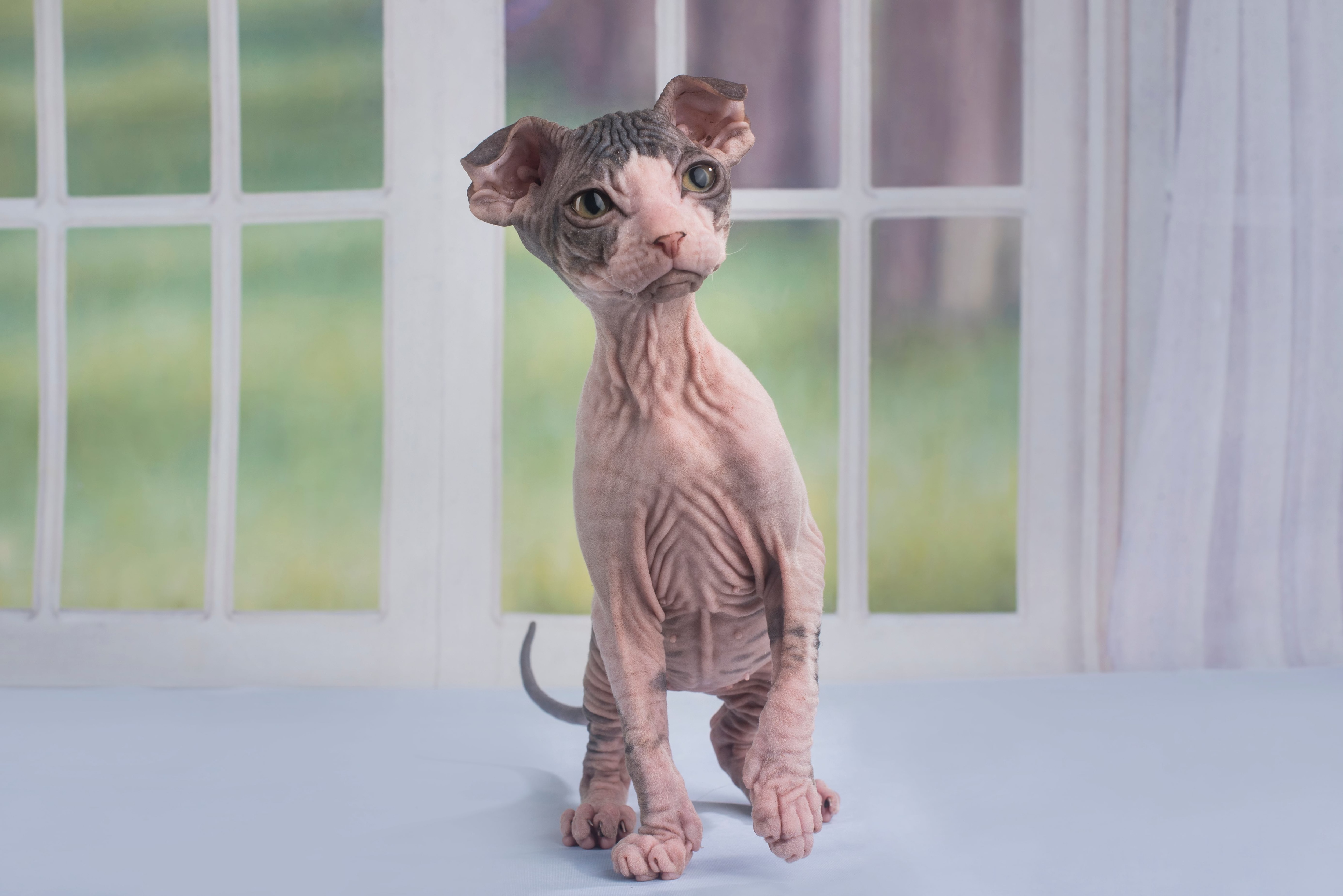
Ukrainian Levkoy cats are another rare hairless breed that you’ll find intriguing. With their folded ears and slender bodies, they have a distinctive and elegant appearance. This breed was developed in Ukraine by crossing Donskoy cats with Scottish Folds. These cats are known for their friendly and sociable nature. They love being around people and are known to be great companions. If you’re looking for a cat that enjoys social interaction and becomes an integral part of your family, the Ukrainian Levkoy might be the perfect choice. Have you ever considered how a unique breed like the Ukrainian Levkoy could change the dynamics of your home? Their presence might just bring a new level of joy and companionship to your life. Why not explore these less conventional options and find a hairless companion that’s just right for you?Characteristics Of Hairless Cats
Hairless cats are intriguing creatures that often captivate our curiosity. Their unique appearance and personality traits make them a fascinating topic. Known for their distinct lack of fur, these cats offer a glimpse into a world quite different from their furry counterparts. Let’s dive into the characteristics of hairless cats, focusing on their physical traits and behavioral attributes.
Physical Traits
Hairless cats, like the famous Sphynx, are renowned for their smooth, exposed skin. Despite their name, they aren’t entirely devoid of hair. You might notice a fine layer of fuzz covering their bodies. It’s soft to the touch, almost like suede.
They often have large ears and prominent cheekbones, adding to their striking appearance. Their skin can feel warm, a feature many owners find comforting. Have you ever felt the warmth of a hairless cat nestled against you? It’s a delightful experience.
Hairless cats also come in a variety of colors and patterns. Just like their furry relatives, their skin can be pink, black, or even spotted. This diversity adds to their charm and appeal.
Behavioral Attributes
Hairless cats are known for their playful and affectionate nature. They love to interact with their human companions and often seek out attention. Their social behavior is engaging, making them wonderful pets.
They tend to be energetic and curious, exploring their surroundings with keen interest. If you have a hairless cat, you might find it following you around the house. It’s their way of staying connected to you.
Despite their lively nature, they can be sensitive to environmental changes. Without fur, they feel temperature variations more acutely. Have you ever noticed your cat seeking warmth during colder months? It’s a reminder of their unique needs.
Hairless cats are a blend of uniqueness and charm. Their distinct physical and behavioral traits make them fascinating companions. How do you think these characteristics influence the way we care for them?
Credit: www.petmd.com
Care Tips For Hairless Cats
Hairless cats, often known as Sphynx cats, are unique pets that require special care. Their lack of fur means they have different needs compared to their furry counterparts. If you’re considering adopting a hairless cat, or already have one, understanding their care requirements is crucial for their health and happiness. Below, you’ll find essential tips covering skin care, dietary needs, and temperature sensitivity.
Skin Care
Without fur, your hairless cat’s skin is more exposed to the elements. This means regular bathing is necessary to remove oils and dirt. Consider using a gentle, hypoallergenic cat shampoo to avoid irritation.
Moisturizing their skin is also important. You might notice your cat’s skin getting dry or flaky; in these cases, a pet-safe moisturizer can be beneficial. Remember, each cat’s skin can react differently, so watch for any signs of discomfort.
Additionally, hairless cats can be prone to acne, especially around the chin. Regular cleaning with a damp cloth can help keep this at bay. Have you ever dealt with acne on your pet? Keeping an eye out for these small issues can prevent bigger problems down the line.
Dietary Needs
What your hairless cat eats directly impacts their health. These cats tend to have high metabolism rates, meaning they often eat more than other cats. Ensure their diet is rich in proteins and fats to support their energy needs.
Consider offering high-quality cat food that’s balanced with essential nutrients. Supplements can also be a good idea, but consult your vet before adding them to your cat’s diet.
Are you providing the right nutrition for your pet? Ensuring a balanced diet helps maintain their skin health, weight, and overall wellbeing.
Temperature Sensitivity
Hairless cats are more sensitive to temperature changes due to their lack of fur. During colder months, they may require extra warmth. Have you ever seen a cat shiver? It’s a clear sign they need a cozy blanket or a warm cat bed.
In summer, ensure they have a cool, shaded spot to relax. Overexposure to the sun can lead to sunburn, which can be painful for them.
How do you keep your home comfortable for your pet? Monitoring the temperature and providing a stable environment can make a significant difference in their comfort levels.
Do you have any unique tips or tricks that work for your hairless cat? Sharing your experiences can help fellow pet owners learn and adapt their care routines.
History And Origin
Hairless cats, known for their unique appearance, have a fascinating history. Their origin is a blend of ancient lineage and modern development. These cats intrigue cat enthusiasts and historians alike. Let’s explore their captivating journey.
Ancient Roots
The earliest records of hairless cats date back centuries. Ancient civilizations revered these rare creatures. In ancient Egypt, cats were sacred. Hairless cats were seen as divine beings. They were often depicted in hieroglyphs and art. Their unique look set them apart from other cats. Hairlessness was considered a sign of purity.
In the Americas, indigenous tribes also admired hairless cats. Aztecs and other tribes kept them as pets. They believed these cats held mystical powers. This reverence shows their deep connection with humans. The bond between humans and hairless cats has ancient roots.
Modern Development
Hairless cats gained popularity in the 20th century. Breeders started developing them intentionally. The Canadian Sphynx became the most famous hairless breed. It emerged in the late 1960s. Natural genetic mutations led to its hairless trait.
Breeders carefully selected cats for this unique feature. They focused on health and temperament. The Sphynx cat became beloved worldwide. Its playful nature attracted many cat lovers. Today, several hairless breeds exist. Each has its own characteristics and charm.
The history of hairless cats is rich and diverse. From ancient reverence to modern popularity, these cats continue to captivate. Their story is a blend of mystery and admiration.
Myths And Misconceptions
Hairless cats often spark curiosity and myths. Many believe they need special care. This is not always true. Others think they have health issues. But is this belief accurate? Let’s explore more.
Health Concerns
Hairless cats, like the Sphynx, are generally healthy. They have no more health issues than other cats. Some people think they get cold easily. In reality, they can manage indoor climates well. Regular vet visits keep them in good health. Bathing them is important to remove oils. They don’t have fur to absorb oils. Ear cleaning is also necessary. Dirt can build up without regular cleaning.
Personality Traits
Hairless cats have unique personalities. They are friendly and social. They love human interaction. Many owners say they are like dogs. They follow their humans around. They also enjoy playtime and cuddling. Hairless cats can be very affectionate. They form strong bonds with their families. Their social nature surprises many people. They love being the center of attention.
Adoption Considerations
Hairless cats are often called Sphynx cats. They are known for their unique appearance and friendly nature. Consider their need for warmth and skin care when thinking about adoption.
Adopting a hairless cat requires careful consideration. These unique felines offer companionship and charm. Understanding their needs ensures a successful adoption experience. Their distinct appearance comes with specific care requirements. Proper preparation ensures a happy home for both you and your new pet.Choosing The Right Breed
Different breeds of hairless cats have varied temperaments. The Sphynx is friendly and social. They love attention and interaction. Peterbalds have elegant features and are active. They enjoy playing and exploring. Donskoy cats are affectionate and loyal. They form strong bonds with their owners. Research each breed’s traits before deciding. Consider your lifestyle and preferences. Your choice affects your future together.Preparing Your Home
Hairless cats need a warm environment. They lack fur to keep warm. Provide cozy blankets and beds. Ensure your home is draft-free. Regular bathing is essential for their skin. Hairless cats produce more oils. Gentle, hypoallergenic shampoos are best. Protect them from direct sunlight. Their skin is sensitive to UV rays. Use pet-safe sunblock if needed. Secure your home for their safety. Remove small objects they might swallow. Their curiosity knows no bounds.Frequently Asked Questions
What Are The Hairless Cats Called?
Hairless cats are commonly known as Sphynx cats. They are famous for their distinct appearance and friendly nature. Other varieties include the Peterbald and the Donskoy. These cats require special care for their skin due to the absence of fur.
How Much Does A Sphynx Cat Cost?
A Sphynx cat typically costs between $1,500 and $3,000. Prices vary based on breeder reputation and location. Additional expenses include vaccinations, grooming, and regular vet visits. Consider adoption for a more affordable option. Always choose reputable breeders to ensure the cat’s health and well-being.
Are Sphynx Cats Evil?
Sphynx cats are not evil. They are affectionate, social, and enjoy human interaction. Their unique appearance may be misunderstood, but they are known for their friendly nature. They thrive on attention and are often described as playful and loving companions.
Their lack of fur does not affect their temperament.
Are Sphynx Cats Egyptian?
Sphynx cats are not Egyptian. They originated in Canada during the 1960s. Their name refers to their resemblance to ancient Egyptian sculptures, but their breed development is modern. Sphynx cats are known for their unique hairless appearance and friendly nature.
Conclusion
Hairless cats, like the Sphynx, offer unique companionship. Their appearance is striking, and their personalities are warm. These cats need special care due to their lack of fur. Regular baths help maintain their skin health. They are friendly and love attention.
Perfect for families seeking affectionate pets. Their playful nature brings joy to any home. Hairless cats are distinct, yet they make excellent companions. Their uniqueness sets them apart in the feline world. Choosing one means welcoming a loving, lively friend.
Consider adopting a hairless cat for a truly special pet experience.