How Do You Get Cats to Stop Scratching Furniture: Proven Tips
Are you at your wit’s end trying to save your beloved sofa from your cat’s relentless claws? You’re not alone.
Many cat owners face the daily struggle of protecting their furniture from becoming scratch central. But what if there was a way to keep your feline friend happy and your furniture intact? In this guide, you’ll discover practical and proven strategies to redirect your cat’s scratching instincts away from your cherished couch.
You’ll learn why cats scratch, how to satisfy their natural urges in healthier ways, and the secrets to training them without stress. Ready to transform your home into a scratch-free zone? Keep reading to uncover the solutions that will make both you and your cat purr with contentment.

Credit: wb-iisg.com
Understanding Cat Behavior
Understanding cat behavior is crucial if you want to stop your feline friend from scratching your furniture. Cats are mysterious creatures, and their actions often leave us puzzled. But there’s always a reason behind their behavior. By understanding why cats scratch, you can address the issue more effectively and find solutions that work for both you and your pet.
Reasons Cats Scratch
Cats scratch for several reasons. It’s not just a random action; it’s a form of communication and expression. Scratching helps cats mark their territory by leaving visual marks and scent from glands in their paws. This is their way of saying, “I was here.” It also helps them stretch their muscles and relieve stress.
Think about it: Do you stretch after a long nap? Cats do too, and scratching is part of that natural routine. Scratching also helps keep their claws in top condition. Imagine if you had nails that required regular maintenance but no access to nail clippers. Scratching is their DIY solution.
Natural Instincts
Scratching is ingrained in a cat’s nature. It’s not something you can entirely eliminate, but you can redirect it. Cats are born with instincts that prompt them to scratch. Their ancestors used this action to climb trees, hunt, and escape predators.
Have you noticed how your cat sometimes seems to scratch with purpose? It’s because they’re fulfilling these deep-seated instincts. Understanding this can lead to creative solutions. You can provide alternative scratching surfaces that satisfy these natural urges without sacrificing your furniture.
So, how do you feel about your cat’s scratching habits now? Are you ready to tackle this challenge with understanding and patience? By recognizing these natural behaviors, you can make informed decisions that benefit both you and your cat.
Effective Deterrents
Cats often scratch to sharpen their claws and mark territory. Use scratching posts to redirect their attention. Cover furniture with protective materials like double-sided tape to deter unwanted scratching.
Cats are adorable but can be notorious when it comes to scratching furniture. This behavior is natural for them, but it can be quite frustrating for you. The good news is there are effective deterrents that can help protect your furniture without compromising your pet’s happiness.Scratch-proofing Furniture
Start by making your furniture less appealing for scratching. You can use scratch-proof covers or slipcovers designed specifically for this purpose. These covers not only protect your furniture but also blend seamlessly with your home decor. Consider placing double-sided tape on areas where your cat frequently scratches. Cats dislike sticky surfaces, making this an effective deterrent. This simple trick helped me save my favorite armchair from my cat’s claws.Using Repellents
Repellents can be a great way to stop your cat from targeting your furniture. You can buy sprays that are safe for pets and specifically designed to deter cats. These sprays usually have scents that are unpleasant to cats but unnoticeable to you. You might also consider making your own natural repellent using citrus peels. Cats generally dislike the smell of citrus, and placing peels near your furniture can keep them at bay. This was a game-changer for me, as it not only protected my couch but also left a refreshing scent. Have you tried using aluminum foil on your furniture? The crinkly sound and texture are often enough to keep cats away. It’s an inexpensive and effective solution worth trying. What if you could redirect your cat’s attention to something more appropriate? Investing in a high-quality scratching post or pad can work wonders. It’s about providing your cat with a better option to satisfy their scratching instincts. Are you ready to try these deterrents and save your furniture? Implement these strategies today and enjoy a scratch-free home.Alternative Scratching Solutions
Are you tired of your cat treating your furniture like its personal scratching post? You’re not alone. Many cat owners face this challenge, but there’s good news: you can redirect your cat’s scratching instincts with alternative solutions that both you and your furry friend will love.
Providing Scratching Posts
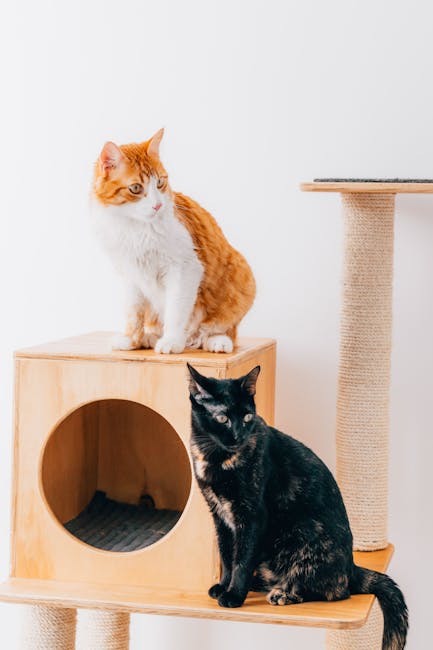
Scratching posts can be your cat’s best friend and your furniture’s savior. They offer a dedicated space for your cat to stretch, scratch, and mark territory. Place them strategically around your home, especially near areas where your cat tends to scratch. This makes it easy for your cat to switch from your couch to its new scratching post.
When I introduced a scratching post to my cat, Mittens, it was like magic. The key was placing the post right next to the couch. Mittens naturally gravitated towards it, leaving my couch in peace.
Choosing The Right Materials
The material of the scratching post matters more than you might think. Cats have preferences, and not every material will appeal to them. Sisal is a popular choice because it’s durable and has a texture cats love. Cardboard scratchers are great for lightweight options, while carpet-covered posts can mimic the feel of furniture.
Consider what your cat is currently scratching. If it’s your wooden table, a wooden scratching post might be ideal. If it’s the fabric of your sofa, a carpeted post could work wonders. Experiment with different materials to find what your cat prefers.
Have you ever wondered why your cat ignores one scratching post but loves another? It could be the material. Try a few options and watch your cat’s behavior to uncover their favorite.
Redirecting your cat’s scratching behavior takes patience and a bit of trial and error. But with the right scratching post and materials, you can protect your furniture and keep your cat happy. What’s your cat’s favorite scratching material?
Training Techniques
Training your cat not to scratch furniture can feel challenging. But it’s possible with patience and the right techniques. Teaching your cat through positive methods can foster a more harmonious home. Below, we explore effective training techniques to keep your furniture safe.
Positive Reinforcement
Positive reinforcement is key in training cats. Reward them for good behavior. Use treats or affection when they scratch approved surfaces. This encourages your cat to repeat the behavior. Timing matters. Provide the reward immediately after the action. This helps your cat connect the behavior with the reward.
Redirecting Scratching Behavior
Redirecting scratching behavior can save your furniture. Provide scratching posts or pads near the areas they usually scratch. Encourage your cat to use these alternatives. You can gently guide their paws to the post. Praise them when they use it. This creates a positive association with the new scratching spot.
Maintaining A Cat-friendly Environment
Creating a cat-friendly space involves redirecting scratching habits. Provide scratching posts near furniture. Use deterrents like double-sided tape or citrus sprays on surfaces. Regularly trim claws to reduce damage.
Maintaining a cat-friendly environment is key to preventing furniture scratching. Cats have natural instincts to scratch. It helps them mark territory and keep their claws healthy. Creating a space that satisfies these instincts can help. It reduces unwanted scratching on furniture. Let’s explore ways to maintain an engaging environment for your feline friend.Creating Engaging Spaces
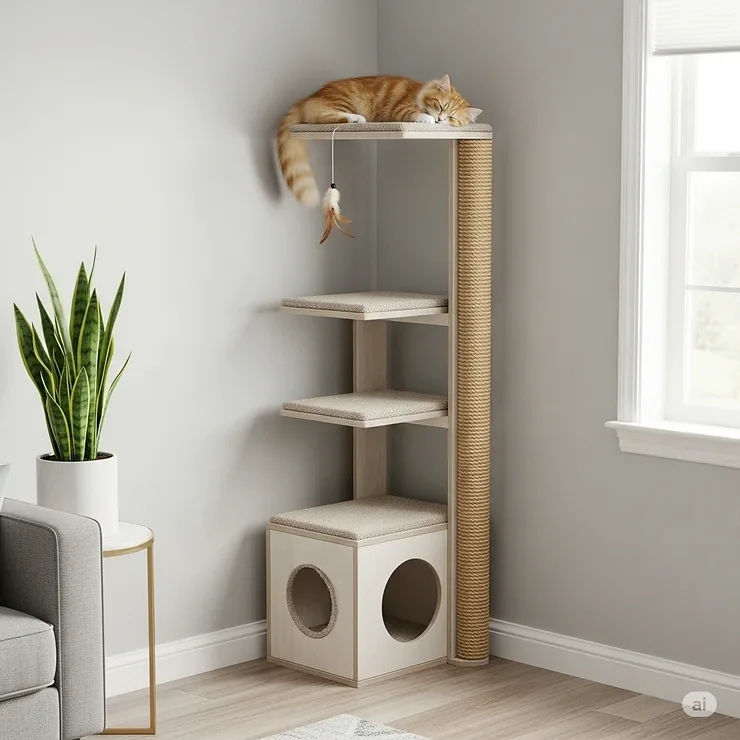
Cats need spaces that cater to their curiosity. Provide scratching posts around the house. They should be sturdy and tall. Cats love to stretch while scratching. Use different materials on scratching posts. This keeps their interest alive. Place them near favorite sleeping spots. Cats often scratch after waking up. Add interactive toys in their space. These toys keep them active. Puzzle feeders can also be a good option. They stimulate their minds and keep them busy. Cats enjoy climbing. Consider adding cat trees or shelves. They love elevated spaces to survey their kingdom. This addition can divert their attention from your furniture.Regular Play And Exercise
Playtime is essential for cats. Regular play sessions keep them active. Use toys that mimic prey. Wand toys and laser pointers work well. These encourage natural hunting instincts. It also tires them out. A tired cat is less likely to scratch furniture. Exercise is crucial for their well-being. It prevents boredom and destructive behavior. Schedule daily playtime with your cat. Even a few minutes can make a difference. Engaged cats are happier and healthier. They will be less inclined to scratch unwanted surfaces. Incorporate these elements into your home. A cat-friendly environment reduces furniture scratching. Your cat will thank you with purrs and cuddles.
Credit: www.embassyofpakistanusa.org
Assessing Health And Well-being
Scratching is a natural behavior for cats. It helps them maintain their claws and mark their territory. But, scratching can be destructive if directed towards your furniture. To address this, understanding your cat’s health and well-being is crucial. A healthy and stress-free cat is less likely to scratch inappropriately.
Checking For Stress Indicators
Stress can cause cats to scratch more. Look for signs like excessive grooming or hiding. Changes in appetite or litter box habits might indicate stress. Provide a calm environment to reduce stress. Ensure they have a safe space to retreat.
Ensuring Physical Health
Physical health impacts scratching behavior. Regular vet check-ups are essential. Check for nail or paw issues. Pain might cause them to scratch more. Keep their claws trimmed to minimize damage. Offer scratching posts to satisfy their natural urge.

Credit: www.washingtonpost.com
Frequently Asked Questions
How Do I Stop My Cat From Scratching The Couch?
Prevent couch scratching by providing a scratching post nearby. Use double-sided tape on the couch. Reward your cat for using the post. Trim your cat’s nails regularly. Ensure your cat has enough playtime and mental stimulation to reduce stress and boredom.
What Scent Keeps Cats From Scratching Furniture?
Cats dislike scents like citrus, lavender, and eucalyptus. Use these to deter them from scratching furniture. Spray essential oils or place scented items around vulnerable areas to keep cats away. Regular application ensures effectiveness in protecting your furniture.
At What Age Do Cats Stop Clawing?
Cats typically stop clawing excessively around 12-18 months old. Clawing is a natural behavior for them. Providing scratching posts can help redirect this behavior. Regularly trimming their nails also reduces clawing. Keep your cat engaged with toys and activities to minimize unwanted scratching.
How Do You Scratch Proof Furniture From Cats?
Use double-sided tape or furniture covers to deter cats from scratching. Provide scratching posts to redirect their behavior. Trim their nails regularly to minimize damage. Use feline deterrent sprays to keep them away from furniture. Ensure they have enough toys for mental stimulation and activity.
Conclusion
Helping cats stop scratching furniture requires patience and understanding. Use cat-friendly alternatives like scratching posts. Trim their nails regularly to reduce damage. Apply deterrents like double-sided tape to discourage scratching. Reward good behavior with treats or praise. Consistency is key in training your feline friend.
Creating a cat-friendly environment prevents unwanted scratching. Every cat is unique; find what works best for yours. Protect your furniture while keeping your cat happy. With these tips, balance between home harmony and your cat’s natural instincts is achievable. Happy cat, happy home.

Similar Posts