Do you ever find yourself wondering about your feline friend’s mysterious hairball habits? As a cat owner, you might be familiar with the occasional hacking and coughing that leads to the appearance of a hairball.
But have you ever asked yourself, “Do all cats get hairballs? ” You’re not alone. This common concern can leave many pet parents puzzled and concerned about their kitty’s health. Understanding why hairballs happen and whether they affect every cat can help you better care for your furry companion.
This article will unravel the truth about hairballs, diving into the reasons behind them and what you can do to help your cat if they become a problem. Stick around, and you’ll discover fascinating insights that could change the way you approach your cat’s grooming and overall well-being.
Hairballs In Cats
Not all cats develop hairballs, but many do. Long-haired breeds are more prone due to their fur. Regular grooming helps reduce hairballs.
Hairballs are a common occurrence in cats. They are a byproduct of a cat’s grooming habit. Cats groom themselves by licking their fur. This leads to the ingestion of loose hair. Most of the hair passes through the digestive system. But sometimes, some hair remains in the stomach. This forms a hairball. Understanding hairballs is crucial for all cat owners. It helps in ensuring the well-being of their feline friends.What Are Hairballs?
Hairballs, or trichobezoars, are clumps of ingested hair. Cats swallow hair during grooming. Not all of it passes as waste. Sometimes, it collects in the stomach. It forms a dense ball. This ball is later vomited by the cat. Hairballs are cylindrical. They match the shape of the cat’s esophagus.Causes Of Hairballs
Hairballs form due to frequent grooming. Cats with long fur experience more hairballs. They have more hair to ingest. Excessive grooming increases hairball risk. Stress or skin conditions can cause over-grooming. This leads to more hair in the stomach. Older cats often groom more. They may have more hairballs than younger cats.Common Symptoms
Cats with hairballs may show various symptoms. Coughing and gagging are common signs. These indicate an attempt to vomit the hairball. Loss of appetite can occur. Some cats might appear lethargic. You might notice constipation or diarrhea. These symptoms suggest a hairball problem. If severe, consult a vet for advice.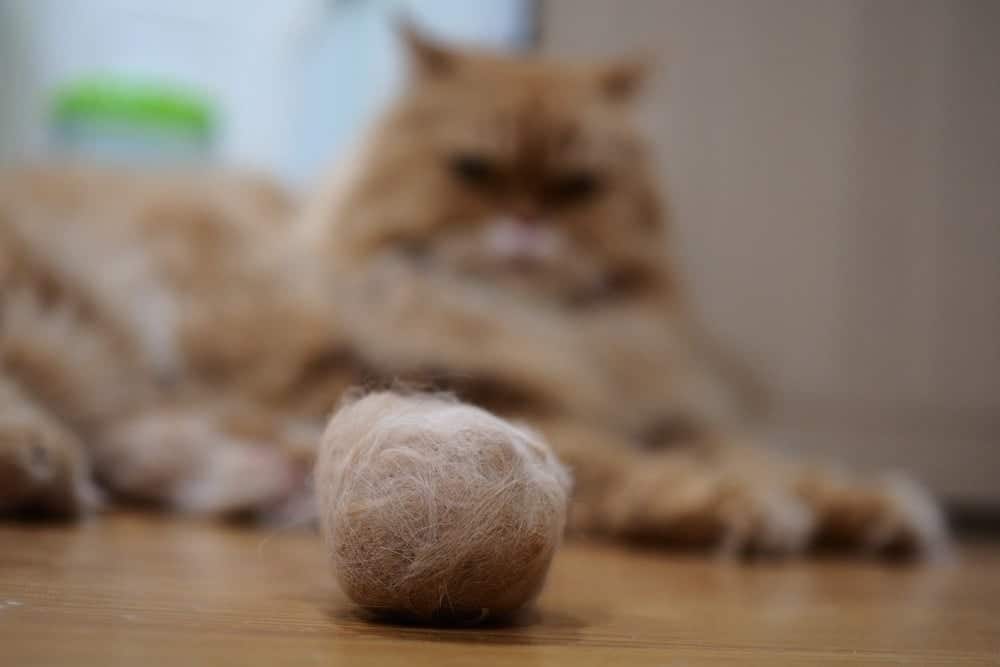
Credit: www.catster.com
Variations Among Cat Breeds
Not all cats are the same when it comes to hairballs. While these pesky clumps of fur can be a common sight, the frequency and severity can vary significantly depending on the breed. Understanding these variations can help you manage and reduce hairballs in your feline friend.
Long-haired Vs. Short-haired Breeds
Long-haired breeds like Persians and Maine Coons are more prone to hairballs. Their luxurious fur sheds frequently, and as they groom, they ingest more hair, increasing the chances of hairball formation. In contrast, short-haired breeds such as the Siamese or the American Shorthair usually have fewer hairball issues. Their shorter coats mean less shedding and less hair to swallow. However, don’t assume short-haired cats are entirely free from hairballs. All cats groom, and all ingest some hair, just in different amounts.
Impact Of Grooming Habits
Grooming habits can also play a significant role in hairball formation. Cats that groom obsessively are likely to ingest more hair. If you notice your cat spends a lot of time grooming, it might be time to step in. Regular brushing can help minimize the amount of loose hair your cat ingests. Have you ever noticed how grooming a cat with a de-shedding tool can significantly reduce hairballs? It’s because these tools effectively remove loose fur before your cat can swallow it.
Consider the grooming habits specific to your cat’s breed. Some breeds may require more frequent grooming than others. Does your cat have a coat that tangles easily? Regular grooming might not just prevent hairballs but also keep your cat comfortable and happy.
By understanding these variations, you can tailor your approach to managing hairballs in your cat. Whether your feline friend is a fluffy giant or a sleek short-haired beauty, there are steps you can take to minimize the hairy surprises they leave for you.
Preventing Hairballs
Hairballs might seem like an inevitable part of a cat’s life, but there are ways to reduce their occurrence significantly. Understanding how to prevent hairballs can not only save you from constantly cleaning up but also keep your feline friend healthier and happier. Let’s dive into some practical strategies you can adopt today.
Dietary Solutions
What your cat eats plays a crucial role in managing hairballs. Opt for cat foods rich in fiber; they help move hair naturally through the digestive system. Brands often label these as ‘hairball control’ formulas. Consider adding a teaspoon of canned pumpkin to their meals. It’s a natural fiber source that many cats enjoy.
Hydration is another key factor. Ensure your cat always has access to fresh water. This aids digestion and helps prevent hair build-up. You might also explore wet cat food options, which can provide additional moisture.
Regular Grooming
Regular grooming can be a game changer in preventing hairballs. Brushing your cat not only reduces shedding but also minimizes the amount of hair they ingest. Depending on your cat’s breed and coat type, grooming can be a daily ritual. Short-haired breeds might need less frequent brushing, while long-haired cats can benefit from daily sessions.
If you’re struggling to groom your cat, consider using grooming gloves. They can make the process easier and more enjoyable for both you and your cat. Make grooming a bonding activity, rewarding your cat with a treat afterward.
Special Products And Treatments
There are specialized products designed to tackle hairballs. Hairball gels or pastes can lubricate your cat’s digestive tract, helping them pass hair more easily. These are typically flavored to appeal to your cat’s taste buds.
Another option is hairball control treats. These are not only delicious but formulated to reduce hairball formation. Check with your vet to ensure these products are suitable for your cat’s diet.
Consider asking your vet about supplements that promote coat health. Omega-3 fatty acids can reduce shedding and improve overall skin and fur condition. Your vet can guide you on the best options for your cat’s needs.
What strategies have you tried to prevent hairballs in your cat? Share your experiences and insights in the comments below!

Credit: www.turramurravet.com.au
When To Seek Veterinary Help
Not all cats suffer from hairballs. While most cats groom themselves and may develop them, some might not. Symptoms like frequent coughing or vomiting indicate that your cat might need veterinary help. Regular check-ups can help ensure your cat’s health and prevent complications from hairballs.
When to Seek Veterinary Help Hairballs are a common issue for cats, but sometimes they can indicate a more serious problem. Recognizing when to seek veterinary help is crucial for your cat’s health. You might wonder, how do you know when hairballs require professional attention?Signs Of Complications
Cats usually pass hairballs without much trouble, but there are warning signs that you shouldn’t ignore. If your cat is retching, gagging, or vomiting without producing a hairball, this might indicate a blockage. Pay attention if your cat has a decrease in appetite, is lethargic, or shows signs of distress. Persistent coughing or hacking can also be a red flag. These symptoms may suggest that the hairball is stuck in the digestive tract. If you notice any of these signs, it’s time to contact your vet.Treatment Options
If your vet determines that your cat’s hairball is problematic, several treatment options are available. Lubricant gels can be used to help your cat pass the hairball more easily. These are usually flavored to appeal to your cat’s taste buds. In more severe cases, your vet might prescribe medication or recommend a specialized diet. This helps in reducing the amount of shedding and improves the overall digestive process. Surgery is rare but may be necessary if the hairball is causing a blockage. Always consult your vet for the best course of action tailored to your cat’s needs. Remember, timely intervention can prevent more serious health issues. Have you ever experienced a similar situation with your cat? It’s important to share your concerns with your vet to ensure the best care for your feline friend.Myths And Misconceptions
Not all cats experience hairballs, though many do. Short-haired breeds are less likely to develop them. Regular grooming and proper diet can help reduce hairball formation in all cats.
Cats and hairballs seem to go hand in hand in popular culture. Many believe that hairballs are an inevitable part of a cat’s life, but how much of this is true? Understanding the myths and misconceptions surrounding hairballs can help you manage your cat’s health more effectively.Common Beliefs About Hairballs
Some people think that all cats get hairballs. This belief might stem from the image of a cat coughing up a slimy mess being a common trope in movies and cartoons. You might have heard that frequent hairballs are normal, but is it healthy? Another misconception is that long-haired cats get more hairballs than short-haired ones. While long-haired breeds like Persians and Maine Coons might be more prone, it’s not a given.Scientific Insights
Do scientific studies back up these beliefs? Not entirely. Research shows that a healthy cat should not have frequent hairballs. If your cat is vomiting hairballs often, it might indicate digestive issues or excessive grooming due to stress. Veterinarians suggest that diet plays a significant role in hairball formation. Cats who consume high-fiber diets tend to have fewer hairballs. Have you ever wondered why some cats never have hairballs? It could be their grooming habits. Cats that groom less intensively often have fewer hairballs. Are you aware that regular brushing can help mitigate hairball issues? It reduces the amount of loose hair that your cat might swallow. Understanding these scientific insights can help you make informed choices for your feline friend. Knowing the truth about hairballs can lead to better care and a happier cat.
Credit: www.pethealthnetwork.com
Maintaining Feline Health
Cats often experience hairballs, but not all of them do. Regular grooming and a balanced diet help reduce hairball occurrences. Understanding your cat’s grooming habits can aid in managing hairball formation effectively.
Maintaining the health of your cat is crucial. A healthy feline enjoys a happier life. Cats, like humans, need regular care to stay well. Hairballs are a common issue for many cats. They occur when cats groom themselves and swallow hair. While not all cats get hairballs, many do. It’s important to take steps to ensure your cat remains healthy and comfortable.Importance Of Monitoring
Regularly check your cat’s grooming habits. Excessive grooming may lead to more hairballs. Watch for changes in behavior. Reduced appetite or frequent coughing can indicate issues. Cats can’t always communicate discomfort. Observant owners can catch potential problems early. Early detection can prevent serious health issues. Consult a vet if you notice anything unusual. Professional advice can be invaluable.Role Of A Balanced Lifestyle
Provide a balanced diet for your cat. Quality food supports healthy digestion. Digestive health can reduce hairball formation. Encourage regular play and exercise. Physical activity helps maintain a healthy weight. A healthy weight reduces stress on your cat’s system. Regular grooming can minimize loose hair. Less loose hair means fewer swallowed strands. This can significantly decrease hairball frequency.Frequently Asked Questions
Is It Normal For A Cat To Not Have Hairballs?
Yes, it’s normal for some cats not to have hairballs. Short-haired cats or those groomed regularly often experience fewer hairballs. A healthy diet can also reduce hairball formation. If your cat suddenly stops having hairballs, monitor its behavior for any signs of digestive issues.
What If My Cat Is Not Coughing Up A Hairball?
Monitor your cat for any signs of discomfort or distress. Ensure they’re hydrated and their diet includes fiber. If the issue persists, consult a veterinarian to check for underlying health problems. Regular grooming can help reduce hairball formation and improve your cat’s overall health.
At What Age Do Cats Start Having Hairballs?
Cats typically start having hairballs around 4 months old. As kittens groom themselves more, they ingest loose hair. Regular grooming and a high-fiber diet can help manage hairballs effectively. Consult your vet if hairballs become frequent, as they may indicate underlying health issues.
Does Every Cat Throw Up Hairballs?
Not every cat throws up hairballs. Long-haired breeds are more prone to them. Regular grooming and a balanced diet can help reduce hairballs. Some cats naturally groom less and may not experience hairballs as often. If hairballs become frequent, consider consulting a veterinarian.
Conclusion
Cats often deal with hairballs. Not all cats will have them, though. Long-haired breeds might face more issues. Regular grooming helps reduce hairballs. A balanced diet also supports their digestive health. Watch your cat’s behavior closely. Any unusual signs might need a vet visit.
Providing water encourages a smoother digestive process. Hairballs can be managed with care. Your feline friend’s comfort is important. Understanding their needs makes a big difference. Keep them happy and healthy. Your efforts matter. Happy cat, happy home.