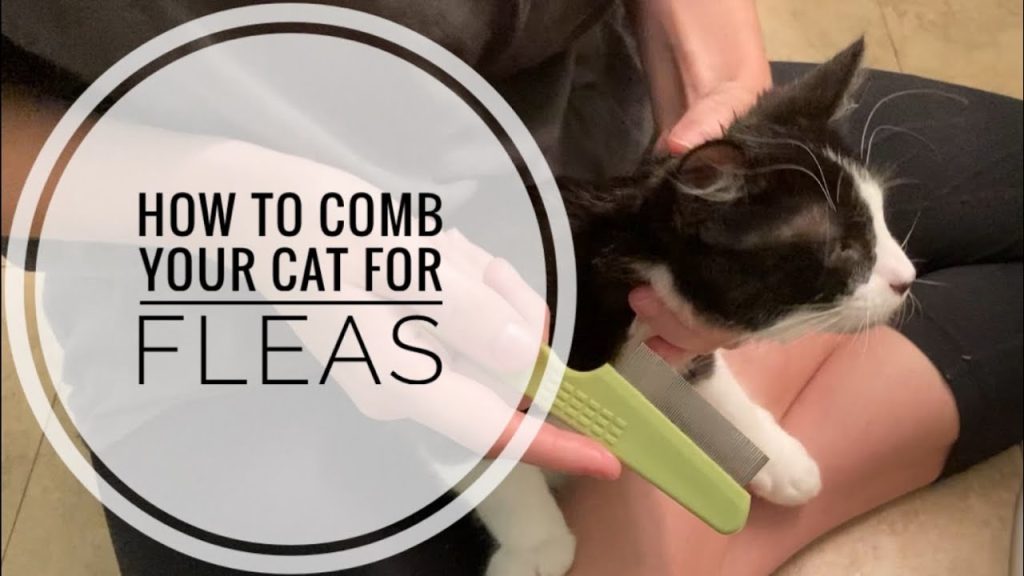
Imagine a world where your cat is free from the annoyance of fleas, their fur smooth and their demeanor calm. As a pet owner, nothing is more satisfying than seeing your feline friend happy and comfortable.
If you’re tired of seeing your cat scratch and want a simple, effective solution, you’re in the right place. A flea comb might just be your new best friend. This tool is not only gentle on your cat but also incredibly effective at removing fleas.
Curious about how to use it? Keep reading to discover the step-by-step guide that will transform your pet’s well-being and ease your worries. Say goodbye to the days of discomfort and hello to a more relaxed, flea-free home!
Credit: peninsulavet.com.au
Choosing The Right Flea Comb
Choosing the right flea comb for your cat can make all the difference in keeping those pesky parasites at bay. With so many options available, finding the best comb might seem overwhelming. However, by focusing on specific factors like type, material, and size, you can simplify your decision and ensure your furry friend is comfortable and flea-free.
Types Of Flea Combs
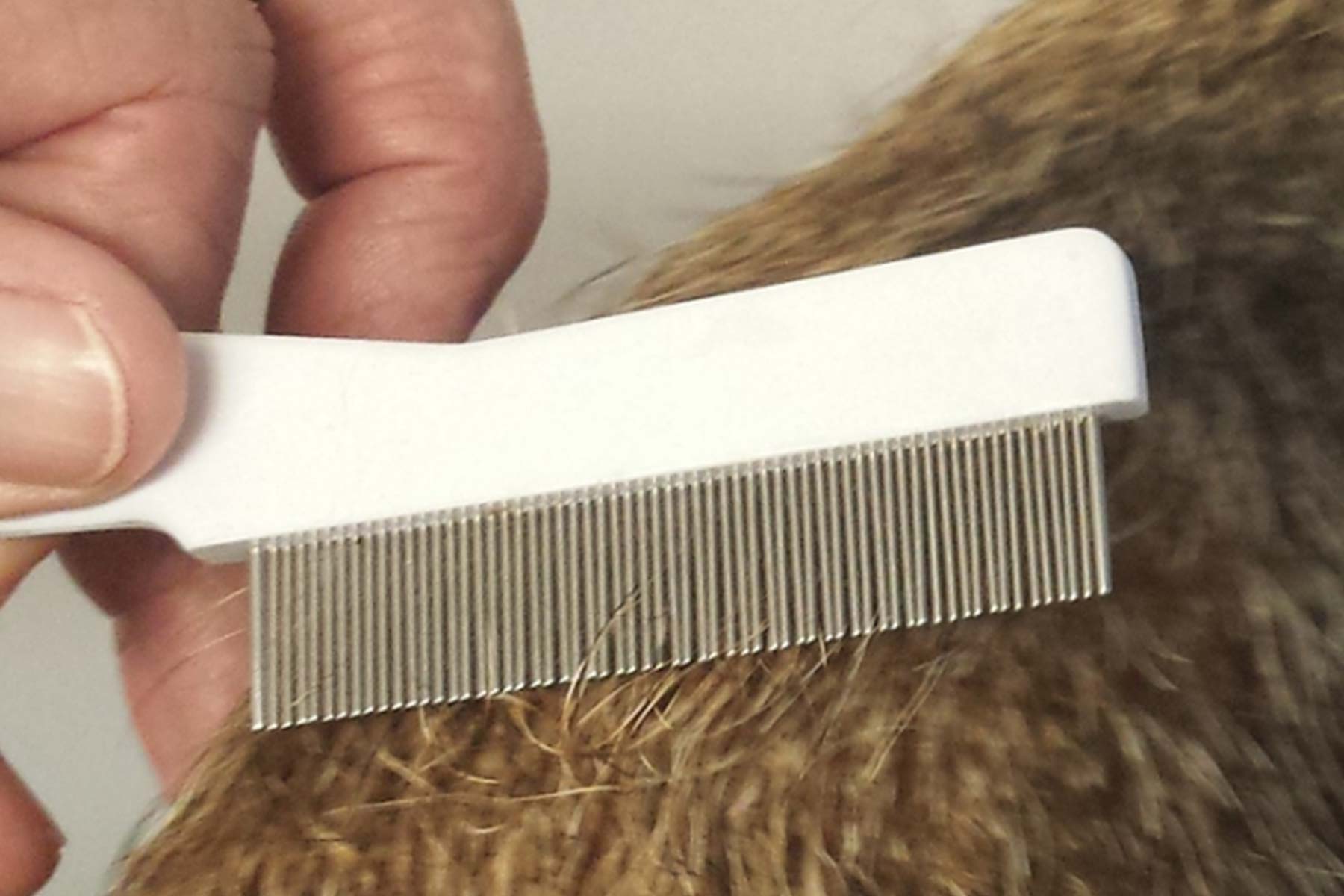
Flea combs come in various types, each with its unique features. Some are designed with fine teeth to catch fleas and eggs effectively, while others have wider teeth for cats with thicker fur. A double-sided comb offers versatility, tackling both fine and thick fur. You might find that a combination of comb types works best, especially if your cat has mixed hair textures.
Material Considerations
The material of a flea comb impacts both its durability and your cat’s comfort. Plastic combs are lightweight and affordable but may not withstand heavy use. Metal combs, on the other hand, are robust and can handle frequent combing sessions. Consider your cat’s preference; some cats might feel more comfortable with softer materials.
Size And Comfort
The size of the comb matters, particularly for your comfort and ease of use. A smaller comb may be ideal for precision, especially around sensitive areas like the face and ears. Larger combs can speed up the process for cats with long bodies. Is the handle easy to grip? You’ll be more likely to use it regularly if it feels comfortable in your hand.
Have you ever thought about how your cat perceives the combing experience? A comfortable comb can make grooming a bonding activity rather than a chore. Don’t forget to observe your cat’s reactions; they’ll tell you a lot about their comfort level with the comb you choose.
Preparing Your Cat
Before using a flea comb on your cat, preparation is key. Cats can be sensitive to new experiences. Preparing them can make the process smoother. A calm cat is easier to handle and less stressed. This section will guide you through creating a peaceful atmosphere, gathering the necessary supplies, and managing nervous cats.
Creating A Calm Environment
Choose a quiet spot in your home. Avoid noisy or busy areas. Cats feel safer in familiar spaces. Consider using a soft blanket or a favorite spot of your cat. Play soothing music or talk in a calm voice. This helps in reducing anxiety.
Gathering Necessary Supplies
Have all tools ready before starting. You’ll need a flea comb, a bowl of soapy water, and towels. The soapy water traps fleas from the comb. Towels help in drying your cat if needed. Keep everything within reach to avoid leaving your cat alone.
Handling Nervous Cats
Nervous cats need extra care. Approach them slowly. Let them sniff the comb first. Use gentle strokes and speak softly. Offer treats to distract and reward them. Pause if they seem too stressed. Resume when they are calm again.
Using The Flea Comb
Gently run the flea comb through your cat’s fur to catch fleas and eggs. Start from the neck and move toward the tail, ensuring thorough coverage. Regular combing helps keep your cat comfortable and reduces flea infestations.
Using a flea comb is an essential part of maintaining your cat’s health and comfort. This simple tool can help you detect and remove fleas, ensuring your feline friend stays itch-free. As you prepare to use the flea comb, consider these key techniques and areas to focus on for the best results.Proper Technique
Start by gently holding your cat. If your cat is nervous, offer treats or use soothing words to calm them. Hold the flea comb at a slight angle. This helps you catch fleas effectively. Comb in the direction of hair growth. This minimizes discomfort for your cat and maximizes the comb’s effectiveness.Areas To Focus On
Pay special attention to the neck and base of the tail. These are common spots where fleas like to hide. Check behind the ears and under the chin. These areas can harbor flea eggs and larvae. Don’t forget the belly and inner thighs. Fleas can be sneaky and settle in less visible areas.Frequency Of Combing
Comb your cat once a week. This routine helps catch any fleas before they become a bigger problem. Increase the frequency during flea season. More frequent combing helps manage infestations when fleas are most active. Regular combing can also be a bonding time. Your cat may start to enjoy the grooming session, strengthening your relationship. Using a flea comb doesn’t just help your cat stay flea-free; it also allows you to spend quality time together. Have you ever noticed how a regular grooming routine changes your cat’s mood?
Credit: catcaveco.com
Dealing With Detected Fleas
Fleas can be a real headache for cat owners. Once you find fleas with a comb, action is key. Quick removal helps prevent discomfort and health issues. This section guides you through the next steps.
Removing And Disposing Fleas
After spotting fleas, remove them immediately. Use the comb to catch fleas. Dip the comb in soapy water. This kills fleas instantly. Keep repeating until all fleas are gone. Dispose of the soapy water carefully. Use gloves to avoid contact with fleas.
Checking For Eggs And Larvae
Flea eggs and larvae hide in fur. Carefully inspect your cat’s coat. Look for tiny white specks. These are flea eggs. Remove them with the comb. Place them in soapy water. Larvae often hide in bedding. Wash your cat’s bedding in hot water. This destroys any hidden larvae.
Additional Treatments
A comb alone might not solve the problem. Consider using vet-approved flea treatments. These products kill fleas and stop eggs from hatching. Discuss with your vet for the best option. Regular combing helps prevent future infestations. Maintain a clean environment. Vacuum often to remove any stray fleas or eggs. This reduces the chance of reinfestation.
Post-combing Care
Gently remove the loose fur from your cat after using a flea comb to ensure comfort. Always clean the comb to prevent re-infestation. Regularly inspect your cat’s skin for any signs of irritation or fleas.
After using a flea comb on your cat, the journey to a flea-free life doesn’t end there. Post-combing care is crucial to ensure those pesky fleas don’t make a comeback. Imagine you’ve just spent an afternoon combing your cat, only to find fleas returning in a week. How can you prevent this? Let’s dive into some practical steps that will keep your feline friend happy and itch-free.Cleaning The Comb
Once you’ve finished combing your cat, it’s essential to clean the comb thoroughly. Rinse the comb under hot water to remove any lingering fleas or eggs. You might be surprised at how many are still clinging to the bristles. Use a small brush or an old toothbrush to scrub between the teeth of the comb. This ensures no flea is left behind to start another infestation. Dry the comb completely before storing it to prevent rust and keep it in top condition for next use.Monitoring For Re-infestation
After the combing session, keep a close eye on your cat for signs of re-infestation. Do you notice excessive scratching or grooming? These are telltale signs fleas might be back. Check areas where fleas are most likely to hide, like the neck and tail. Quick action can prevent a full-blown infestation. Regular checks help you stay ahead of the problem, ensuring your cat is comfortable and flea-free.Maintaining A Flea-free Environment
Creating a flea-free environment is just as important as treating your cat. Vacuum carpets and upholstery regularly to remove any flea eggs or larvae that might be lurking. This simple step can drastically reduce the chances of fleas returning. Consider adding flea-repellent plants like rosemary and lavender around your home. They naturally deter fleas and can be a pleasant addition to your living space. Also, wash your cat’s bedding frequently in hot water to kill any remaining fleas and eggs. By following these steps, you can ensure your home remains a safe haven for your cat, free from the nuisance of fleas. Remember, vigilance and proactive care are your best allies in the fight against these tiny invaders. So, what steps will you take to keep your cat flea-free?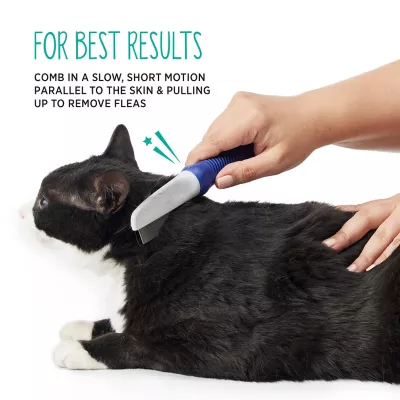
Credit: www.petsmart.com
Tips For Success
Gently comb your cat’s fur with a flea comb to catch fleas and dirt. Start from the head and move towards the tail. Regular combing helps keep your cat’s coat clean and healthy, reducing the risk of flea infestations.
Using a flea comb on your cat can be a highly effective way to keep those pesky parasites at bay. But how do you ensure you’re getting the best results? The key lies in a few strategic tips and tricks. These will not only make the process smoother but also more successful for both you and your feline friend.Common Mistakes To Avoid
Many cat owners make the mistake of using a flea comb too quickly. Slow and steady wins the race here. Make sure each stroke is deliberate and thorough to catch as many fleas as possible. Don’t forget to clean the comb after each pass. A dirty comb can reintroduce fleas back onto your cat. Have a bowl of soapy water nearby to dip the comb and kill the captured fleas instantly.Using Flea Comb In Multi-cat Homes
If you’re managing more than one cat, try to designate a specific space for combing. This helps to contain any fleas that might escape during the process. Consider the temperaments of your cats. Some might be more patient than others. Start with the more cooperative ones to build momentum and save the challenging ones for last.Combining With Other Flea Control Methods
A flea comb is a fantastic tool, but it shouldn’t be your only line of defense. Pair it with other methods like topical treatments or flea collars for a comprehensive approach. Think about seasonal changes. Flea infestations can spike during certain times of the year. Adjust your flea control methods accordingly to stay ahead of the curve. Have you ever thought about the environment your cat lives in? Regularly vacuuming and washing bedding can make a big difference in controlling fleas. It’s the little things that add up to big results. By focusing on these tips, you can effectively use a flea comb to keep your cat happy and flea-free. Are there any other methods you’ve found effective in your flea-fighting arsenal?Frequently Asked Questions
How To Properly Use A Flea Comb On A Cat?
Use a flea comb on your cat gently, ensuring their fur is dry. Start at the head and move towards the tail. Check the comb for fleas after each stroke. Dispose of any fleas found in soapy water. Regularly comb your cat for effective flea control.
Is It Better To Use A Flea Comb Wet Or Dry?
Using a flea comb on damp fur is more effective. Wet fur helps trap fleas better, making removal easier. Always ensure your pet is comfortable during the process. Regular combing reduces flea infestations and improves pet health.
How Often Should A Flea Comb Be Used On A Cat?
Use a flea comb on your cat weekly or whenever you suspect flea activity. Regular checks help prevent infestations. Comb gently through the fur, focusing on areas where fleas often hide, like the neck and tail. This keeps your cat comfortable and healthy.
How Effective Is A Flea Comb On Cats?
A flea comb effectively removes adult fleas and their eggs from cats. Use it regularly for best results. Make sure to check your cat’s fur thoroughly, focusing on common flea-infested areas like the neck and tail. Always clean the comb after use to prevent flea reinfestation.
Conclusion
Using a flea comb for cats is simple and effective. It helps keep your cat comfortable and free of fleas. Regular combing prevents flea problems before they start. Make it part of your cat’s grooming routine. Your cat will appreciate the care and attention.
Always check the comb for fleas and clean it after use. This ensures it stays effective. Consistency is key for best results. A calm and relaxed cat makes the process easier. Remember, a flea-free cat is a happy cat. Keep your feline friend healthy and content with this easy method.