Will Cats Scratch Furniture: Tips to Prevent Damage
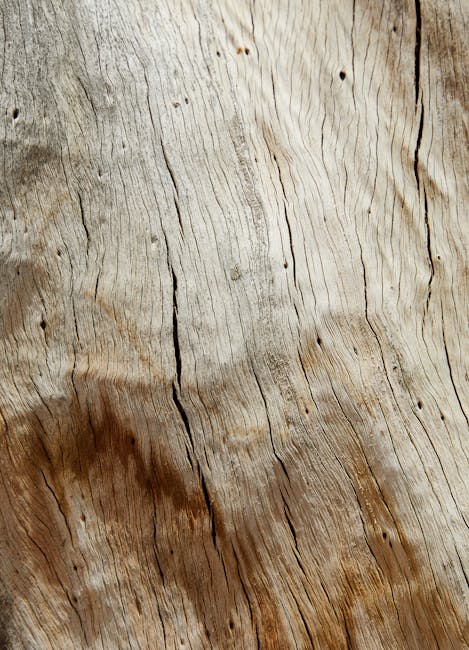
Imagine coming home to find your favorite couch shredded like a piece of cheese. If you have a cat, this might sound all too familiar.
You love your furry friend, but you love your furniture too. So, what’s the deal? Will cats scratch furniture, or is there a way to keep your couch safe from those sharp claws? You’re not alone in this dilemma; many cat owners face the same challenge.
We’ll dive into why cats have this scratching instinct and explore practical solutions to protect your furniture without sacrificing your cat’s happiness. Keep reading, because what you discover might just save your sofa and your sanity!
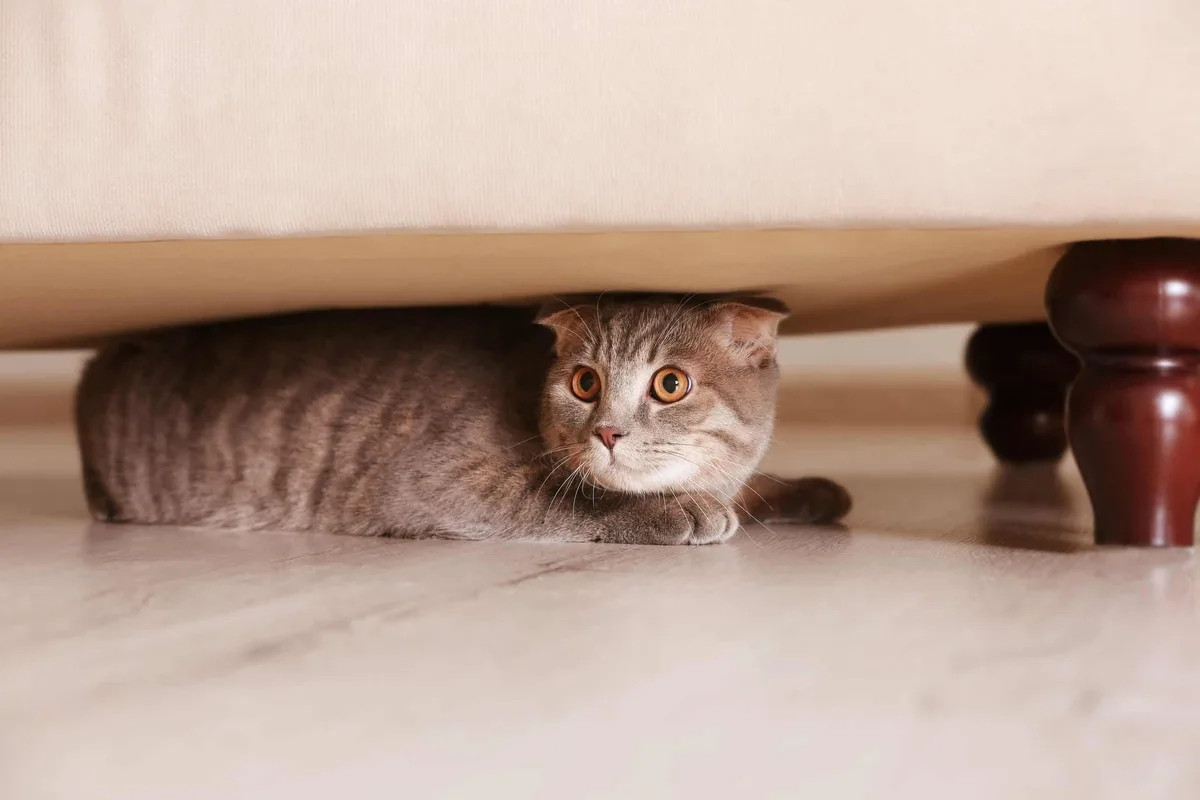
Credit: us.feliway.com
Understanding Cat Behavior
Cats often scratch furniture to mark their territory and keep their claws sharp. This natural behavior helps them stretch and exercise. Providing scratching posts can help redirect this instinct.
Understanding why cats scratch furniture can be a game-changer for pet owners. Cats have specific behaviors that may seem puzzling but make perfect sense once you delve deeper. By understanding these actions, you can create a harmonious home for both you and your feline friend.Reasons Cats Scratch
Cats scratch for several reasons. They use it to mark their territory. Each scratch leaves behind a visual mark and a scent from their paws’ glands. Scratching also helps them stretch their muscles and keep their claws sharp. It’s an essential part of their grooming routine. Imagine how you’d feel without a regular manicure. Think about the last time your cat scratched your favorite couch. Was it right after a nap? They likely needed a good stretch. Understanding this can help you address the issue more effectively.Natural Instincts
Scratching is a natural instinct for cats. Even big cats in the wild scratch to keep their claws in top shape. They can’t help it—it’s ingrained in their DNA. Cats also scratch to relieve stress or excitement. If you’ve ever seen your cat go wild with a scratch post after watching birds through the window, you’ve witnessed this instinct. Providing the right outlets for these instincts can make a big difference. I once placed a scratching post near my living room window. Suddenly, my couch became less of a target, and both my cat and I were happier. Have you considered how your home setup might affect your cat’s scratching habits? Understanding your cat’s natural instincts can lead to a peaceful coexistence and fewer repairs.
Credit: www.treehugger.com
Types Of Furniture At Risk
Cats are wonderful companions, yet they sometimes scratch furniture. Understanding the types of furniture at risk can help protect your home. Cats scratch to mark territory, exercise, or simply for enjoyment. Identifying vulnerable pieces can save your favorite items from damage.
Commonly Scratched Materials
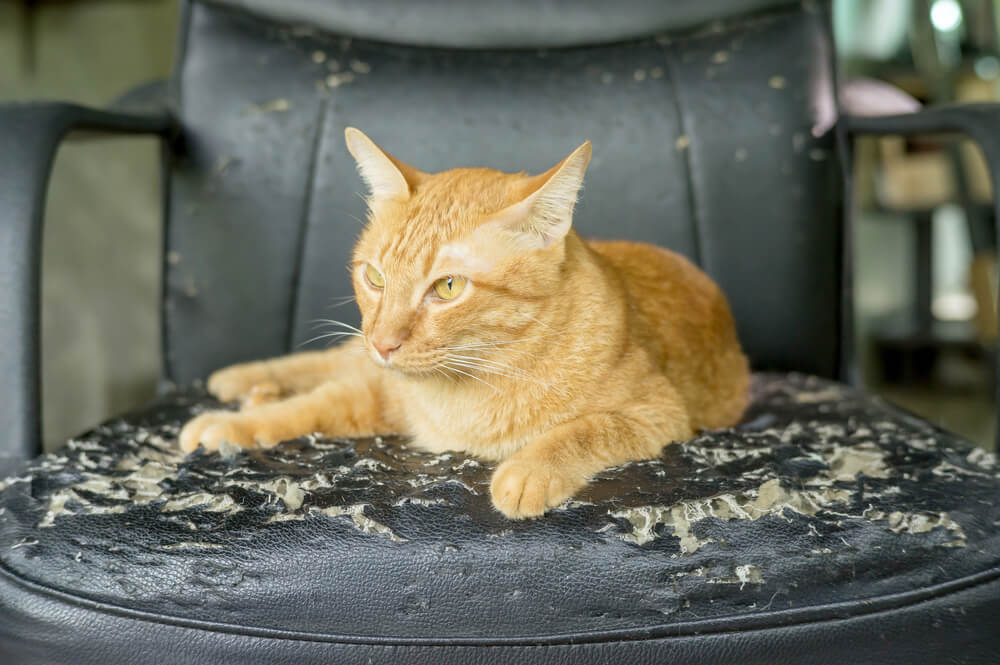
Soft woods often suffer from cat scratches. Oak and pine are frequent victims. Their softer surfaces are easy targets for claws. Fabric upholstery is another common casualty. Cats love the texture of woven fabric. It provides resistance, making it perfect for sharpening claws. Leather furniture is not safe either. Although tougher, its smooth surface invites scratching. Cats may not cause deep damage, but visible marks appear quickly.
Vulnerable Furniture Pieces
Sofas are prime targets. Their expansive surface offers plenty of scratching area. Armchairs also face significant risk. Cats often use them for climbing and scratching. Coffee tables, especially wooden ones, are popular with cats. They scratch the edges and legs, leaving visible marks. Dining chairs are similarly vulnerable. Cats find the legs and backs perfect for scratching. Beds, particularly wooden frames, are at risk too. Cats may scratch the legs or headboard, leaving lasting damage.
Effective Prevention Techniques
If you’ve ever returned home to find your beloved couch transformed into a canvas of claw marks, you’re not alone. Cats scratching furniture is a common challenge for pet owners. Fortunately, there are effective prevention techniques that can help preserve your furniture while keeping your feline friend happy. Let’s dive into some practical methods that have proven successful for many cat lovers.
Providing Scratching Alternatives
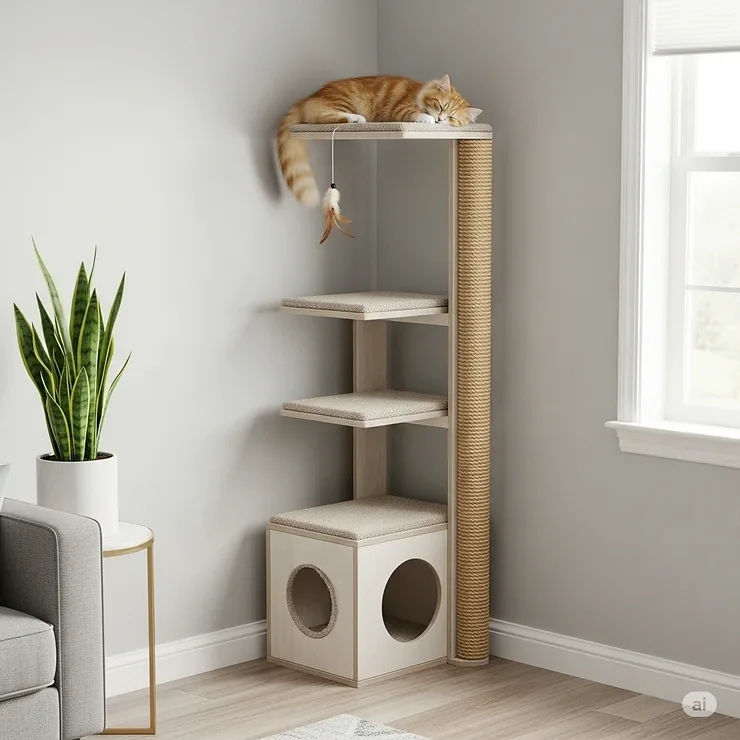
One of the most straightforward solutions is to offer your cat alternative scratching surfaces. Cats have a natural instinct to scratch, which helps them to stretch their muscles and mark territory.
Invest in a variety of scratchers made from different materials like cardboard, sisal, and carpet. This variety caters to different preferences, ensuring your cat finds something they love.
A friend of mine discovered that her cat had a preference for cardboard scratchers. This simple addition significantly reduced the furniture damage. Experiment with different types to see what your cat prefers.
Strategic Placement Of Scratchers
Placement plays a crucial role in whether or not your cat will use the scratchers provided. Place them in areas where your cat frequently scratches or spends time.
Consider placing scratchers near furniture that often falls victim to your cat’s claws. This can redirect their scratching habits away from your precious items.
Would you place a scratcher in a corner that your cat never visits? Probably not. Think of your cat’s favorite spots and adjust accordingly. It’s about making the scratchers more appealing than your furniture.
Have you tried placing a scratcher near their favorite lounging area? Cats often enjoy scratching after waking up from a nap. Positioning scratchers strategically can make a world of difference.
Effective prevention is about understanding your cat’s natural behavior and adapting your environment to accommodate it. Are you ready to take these steps and save your furniture from further damage?
Training Cats To Use Scratchers
Cats often scratch furniture to mark their territory and sharpen their claws. Training them to use scratchers can save your couches and chairs. Offer appealing scratchers and place them near furniture to redirect their natural behavior effectively.
Training your cat to use scratchers instead of furniture can feel daunting, but it’s entirely achievable. Cats naturally scratch to mark territory and maintain their claws. Redirecting this instinct to designated scratchers is key to preserving your furniture.Positive Reinforcement Methods
Positive reinforcement is your best friend in this endeavor. Reward your cat with treats or affection when they use the scratcher. This creates a positive association with the action. Consider placing scratchers near areas where your cat usually scratches. This subtle change can guide them to the right spot. Notice their preferences for horizontal or vertical surfaces, and choose scratchers accordingly. Use catnip to make the scratcher more appealing. Rubbing a bit on the scratcher can entice your feline friend to explore and engage with it more.Consistency And Patience
Consistency is crucial when training your cat. Make sure the scratcher is always accessible and in the same spot. This helps your cat form a habit. Avoid reprimanding your cat for scratching furniture. Instead, gently redirect them to the scratcher and reward them for using it. This approach fosters understanding and cooperation. Patience is key. Training takes time, and each cat learns at their own pace. Stay calm and persistent, and your efforts will pay off. Have you ever noticed how cats respond to their humans’ patience and consistency? It’s fascinating how they mirror our moods. Keep this in mind as you guide your cat towards better scratching habits.Protecting Furniture From Scratches
Cats often scratch furniture to mark territory or sharpen claws. Using scratch posts and deterrents can help protect your sofa. Training your cat with rewards when using these alternatives reduces damage to furniture.
Cats are adorable, but they can be a real headache when it comes to protecting your furniture from their sharp claws. Scratching is a natural behavior for cats, but it doesn’t mean you have to surrender your sofa to their tiny daggers. With a few clever strategies, you can safeguard your beloved furnishings and keep them looking pristine.Use Of Protective Covers
Protective covers are a simple yet effective way to shield your furniture from scratches. You can use slipcovers or throw blankets to cover vulnerable areas like the arms and back of a sofa. These covers act as a barrier between your cat’s claws and the fabric underneath. Consider opting for durable materials such as heavy-duty cotton or microfiber. These materials are often resistant to scratches and easy to clean. Plus, they come in various colors and patterns, allowing you to maintain the style of your living space. If you’re worried about aesthetics, think about using furniture protectors that blend seamlessly with your decor. This way, your home remains stylish while your furniture stays scratch-free.Application Of Deterrents
Deterrents can be a game-changer when it comes to keeping your cat away from your furniture. There are sprays available that contain natural scents cats dislike, such as citrus or lavender. A quick spritz on your sofa can make it less appealing to your feline friend. You might also consider using double-sided tape on areas where your cat tends to scratch. Cats dislike the sticky sensation on their paws, encouraging them to look elsewhere for their scratching needs. Some pet owners have had success with placing aluminum foil on furniture surfaces. The texture and sound can deter cats from jumping up and scratching. It’s not the most aesthetic solution, but it can be effective in desperate situations. Have you ever tried training your cat? Positive reinforcement can redirect their scratching behavior to a designated scratch post or pad. A little patience can go a long way in preserving your furniture. By implementing these strategies, you can enjoy the company of your cat without sacrificing the condition of your furniture. What’s your go-to method for protecting your home from feline mischief?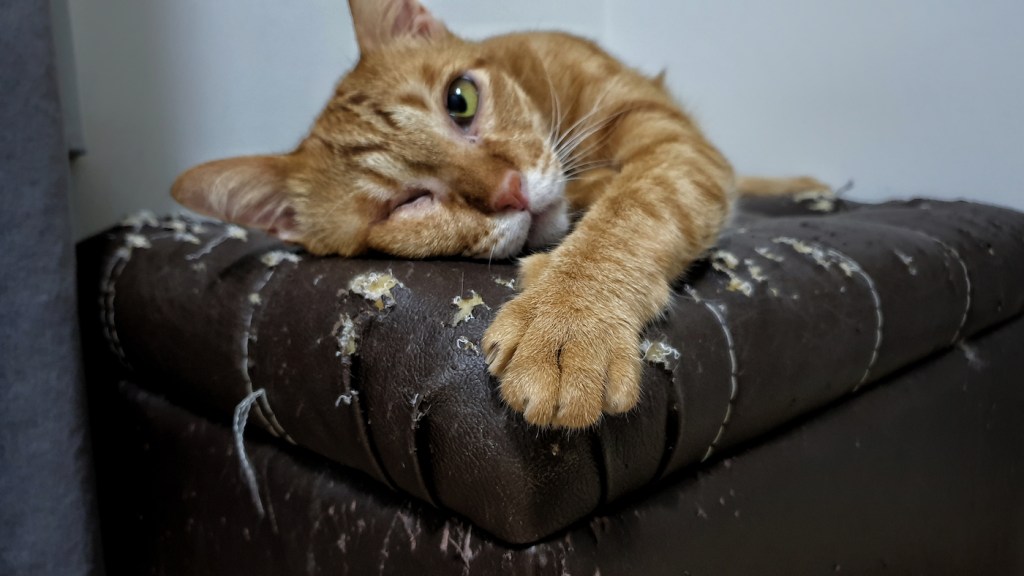
Credit: www.sciencefriday.com
Choosing Furniture Wisely
Cats often scratch furniture, leaving noticeable marks. Choosing furniture wisely can help minimize damage. Opt for materials like microfiber or leather that resist scratches.
Choosing the right furniture for your home is crucial if you’re a cat owner concerned about scratch marks. Cats have a natural instinct to scratch, and if you want to keep your living space stylish and scratch-free, you need to make smart choices. Let’s explore how you can select furniture that stands up to your feline friend’s claws.Durable And Scratch-resistant Materials
Opting for furniture made from durable and scratch-resistant materials can be a game-changer. Look for fabrics like microfiber or leather, which tend to be more resistant to cat claws. Microfiber is tightly woven, making it hard for claws to penetrate, while leather can often handle a few scratches without showing significant damage. Consider wood or metal furniture pieces for items like tables and chairs. These materials are not only sturdy but also less appealing for scratching. If you’re thinking about upholstery, consider patterns or textures that can disguise minor scratches.Designs Less Attractive To Cats
Some furniture designs naturally deter cats from scratching. Try choosing furniture with sleek, smooth surfaces that don’t invite scratching. Cats are less likely to scratch items without enticing textures or angles. When selecting couches or chairs, opt for styles with exposed legs or metal frames. These designs leave less upholstered area for your cat to target. Do you notice certain pieces in your home are more prone to cat attention than others? It might be due to their design. Adding cat-friendly alternatives like scratching posts nearby can divert their attention. This strategy not only protects your furniture but also keeps your cat happy and healthy. What types of furniture have you found to be more cat-friendly in your home?When To Consult A Professional
Cats may scratch furniture due to stress or lack of scratching posts. A professional can offer advice on behavior issues. They can also suggest solutions to protect your furniture effectively.
When cats persistently scratch furniture, it may signal a deeper issue. Recognizing the signs early can save your beloved furniture. Sometimes, consulting a professional becomes necessary. They offer insights you might miss. Here’s when you should consider expert help.Behavioral Experts
Behavioral experts understand feline habits deeply. They can pinpoint why your cat scratches furniture. It could be stress or boredom. Experts tailor solutions to your cat’s needs. This personalized approach ensures a happier pet. And a scratch-free home. Behavioral sessions might include exercises or toys. These keep your cat engaged and relaxed.Veterinary Advice
Sometimes, scratching signals health issues. A vet can identify underlying conditions. Pain or discomfort might lead to excessive scratching. Regular check-ups ensure your cat’s health. Vets can also suggest dietary changes. Or supplements that improve well-being. They might recommend calming aids if anxiety is present. Consulting a vet keeps both furniture and cats safe.Frequently Asked Questions
What Kind Of Furniture Will Cats Not Scratch?
Cats typically avoid scratching furniture made of metal, glass, or hard plastics. These materials lack the texture and resistance cats seek. Using furniture with smooth surfaces can deter scratching. Additionally, providing scratching posts and pads can redirect their behavior. Consider furniture covers or sprays designed to repel cats.
Will Cats Ever Stop Scratching Furniture?
Cats naturally scratch furniture to mark territory and maintain claws. Training can reduce this behavior. Provide scratching posts and positive reinforcement to redirect their scratching habits. Consistent training and alternatives can help, but some cats may continue occasionally.
How Do I Protect My Furniture From Cat Scratching?
Use scratching posts to redirect your cat’s attention. Apply double-sided tape or deterrent sprays on furniture. Trim your cat’s claws regularly. Offer toys and engage in play to reduce boredom. Cover furniture with throws or protectors to minimize damage.
What Type Of Cat Doesn’t Scratch Furniture?
No specific breed guarantees no furniture scratching. Consider breeds like British Shorthair or Ragdoll, known for calmer temperaments. Training and providing scratching posts can prevent damage. Regular nail trimming also helps. Always remember, individual behavior varies, and proper care reduces furniture damage.
Conclusion
Cats will often scratch furniture, but solutions exist. Understanding their needs helps. Provide scratching posts to divert attention. Regular nail trimming minimizes damage. Consider special furniture covers for added protection. Training is possible, using positive reinforcement. Patience is key when teaching new habits.
Scratching is natural for cats; they need outlets. Creating a cat-friendly space reduces stress. Furniture protection requires effort, but it’s achievable. Keep observing and adjusting strategies as needed. Every cat is unique. Find what works best. With care, you can enjoy a home with less scratching damage.

Similar Posts