How to Prevent Hairballs in Cats: Essential Tips

Do you ever find yourself cleaning up after your cat, wondering why hairballs are such a common issue? You’re not alone.
Many cat owners face this messy and sometimes worrying problem. Hairballs aren’t just an inconvenience; they can affect your cat’s health and happiness. Imagine a home where your feline friend purrs contentedly, free from the discomfort of hairballs. By understanding and addressing this issue, you can make that vision a reality.
Stick around to discover simple yet effective ways to prevent hairballs, ensuring a healthier, more comfortable life for your furry companion. Your cat will thank you, and you’ll breathe a sigh of relief.
Understanding Hairballs
Cats are known for their grooming habits. They often lick their fur to keep it clean. During this process, they swallow loose hair. This can lead to the formation of hairballs. Hairballs are common in cats, but they can be uncomfortable. Understanding them helps in preventing them.
What Are Hairballs?
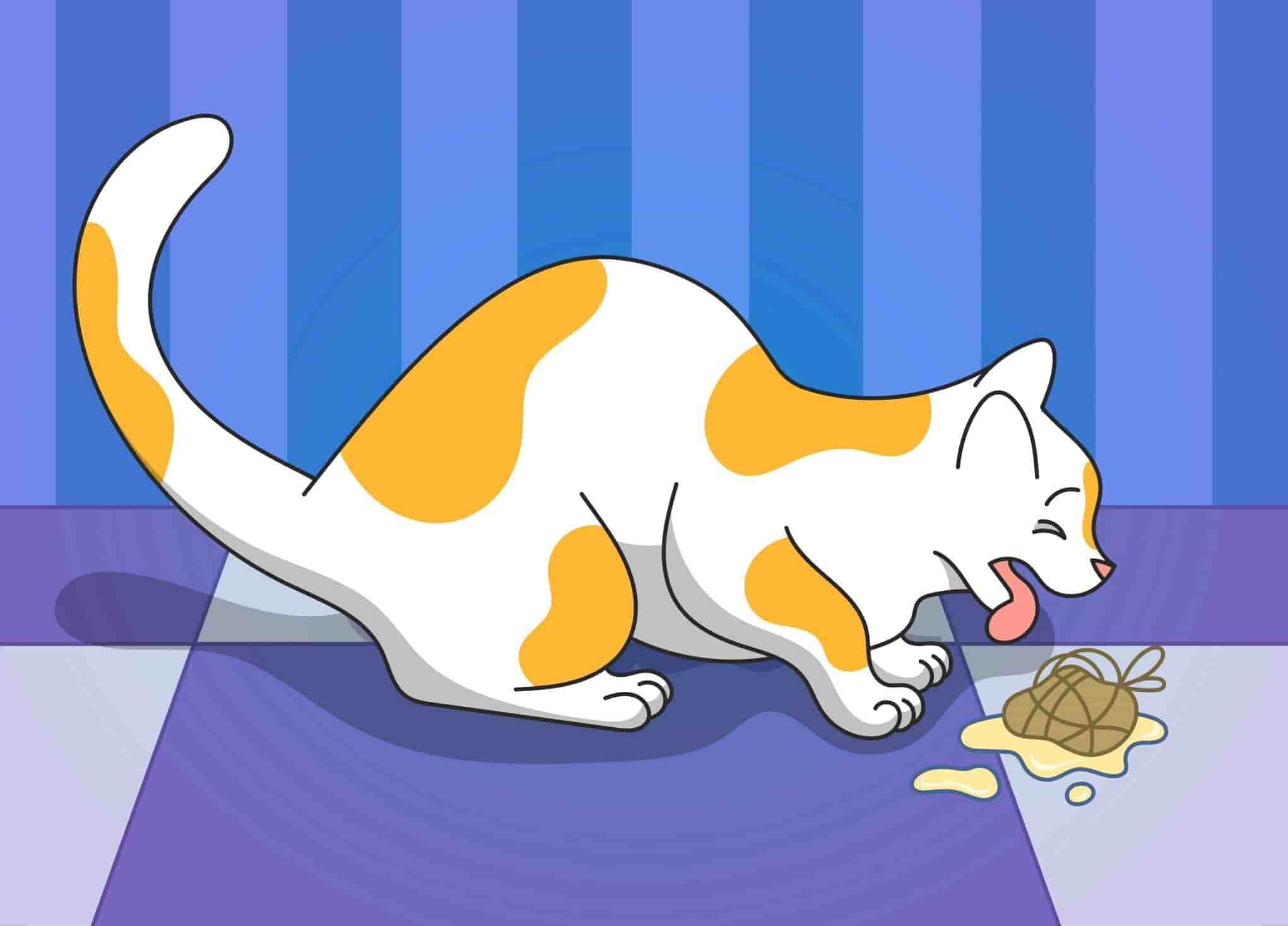
Hairballs are clumps of fur that cats swallow. They usually form in the stomach. Cats then vomit them up. They look like small tubes. This is because they pass through the narrow esophagus. Hairballs are more than just lumps of fur. They can cause discomfort or blockages.
Causes Of Hairballs
The main cause is grooming. Cats have tiny hooks on their tongues. These hooks catch loose fur. Long-haired cats often have more hairballs. This is due to their longer fur. Cats that groom a lot also have more hairballs. Stress or boredom can increase grooming habits.
Diet plays a role too. A diet low in fiber can lead to more hairballs. Fiber helps move hair through the digestive tract. Ensuring a balanced diet is important. Regular brushing reduces the amount of loose fur. This helps in reducing hairballs.
Signs Of Hairball Issues
Hairballs are common in cats, but they can cause issues too. Recognizing the signs early helps prevent complications. Cats naturally groom themselves, swallowing loose fur. This fur can form hairballs in their stomach. While occasional hairballs are normal, frequent ones can be problematic. Being aware of the signs ensures your cat stays healthy and comfortable.
Common Symptoms
Watch for frequent coughing or gagging sounds. These can indicate a hairball. Cats may also vomit a hairball occasionally. If this happens often, it could signal a problem. Lack of appetite or lethargy are warning signs too. Your cat might show discomfort or be restless. Hairball issues can also cause constipation or diarrhea. Regular observation helps catch these symptoms early.
When To Seek Help
Consult a vet if symptoms persist. Prolonged issues can harm your cat. If your cat stops eating for more than a day, seek help. Continuous vomiting or gagging needs attention too. Any sudden change in behavior is a red flag. Your vet can provide solutions to relieve your cat. They might suggest dietary changes or grooming techniques. Early intervention is always best for your cat’s health.
Dietary Adjustments
Cats often struggle with hairballs, a common problem for feline friends. Adjusting their diet can help reduce hairball formation. Proper nutrition plays a crucial role in managing this issue. Here are some dietary adjustments that can make a difference.
Fiber-rich Foods
Fiber aids digestion and can help minimize hairball formation. Foods high in fiber promote healthy bowel movements. This can prevent the accumulation of swallowed fur in the stomach. Introduce fiber slowly to your cat’s diet. Too much fiber can cause digestive issues. Consider adding pumpkin or psyllium husk to their meals. These are safe options that offer beneficial fiber content.
Specialized Cat Foods
Some cat foods are specifically designed to manage hairballs. These foods contain ingredients that support digestive health. They often have higher fiber content and essential nutrients. Such specialized diets can help reduce hairball frequency. They also support overall health and well-being. Consult with your vet before switching your cat’s food. Ensure it meets your cat’s nutritional needs.
Credit: smallpetselect.com
Grooming Techniques
Regular brushing helps reduce shedding and prevents hairballs in cats. A balanced diet with fiber can aid digestion. Hydration is essential; ensure your cat drinks enough water.
Proper grooming techniques can be your secret weapon in preventing hairballs in cats. Cats are naturally clean animals, but they can still use a little help from you to minimize the risks of hairballs. By investing time in regular grooming, you not only keep your feline friend looking sleek but also improve their overall health.Regular Brushing
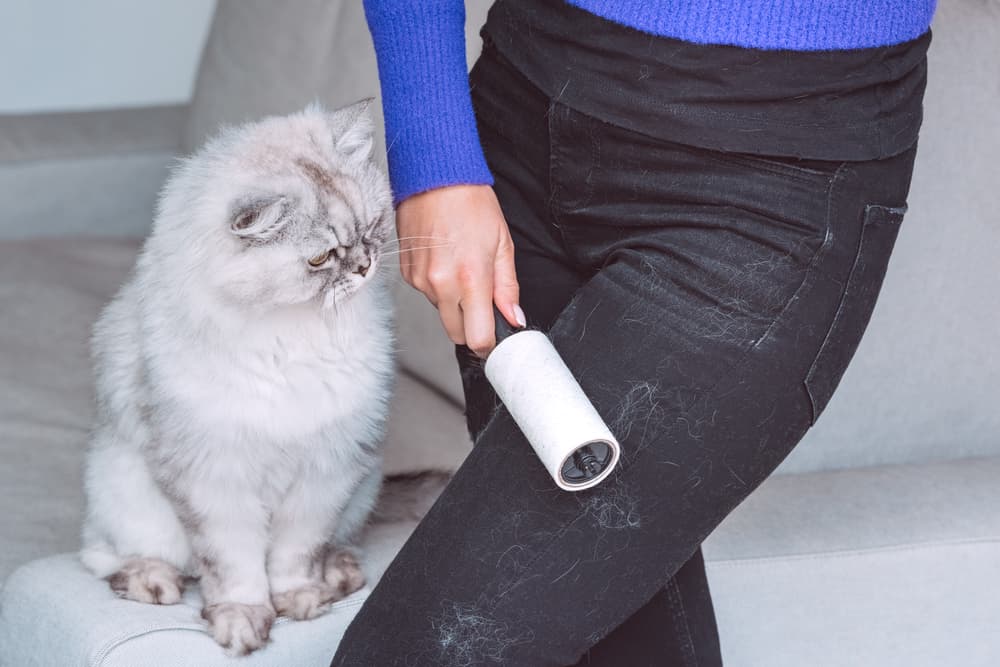
Regular brushing is crucial for managing your cat’s shedding. It helps remove loose hair that might otherwise end up swallowed and form hairballs. Depending on your cat’s fur type, you might need a different brush. Short-haired cats can benefit from a soft-bristle brush, while long-haired cats might require a slicker brush. I remember when I started brushing my long-haired cat, Max, and noticed a significant reduction in hairballs almost immediately. Have you tried brushing your cat daily? Also, make brushing a bonding activity. Your cat might resist at first, but with patience and gentle strokes, they’ll come to enjoy it. Offer treats to create a positive association with the brush.Bathing Tips
Bathing your cat can also help reduce hairballs. While cats generally groom themselves, an occasional bath can remove excess fur. It’s not necessary to bathe your cat frequently; once a month or every few months is usually sufficient. Use a cat-friendly shampoo to avoid skin irritation. I found that warming the water slightly and speaking softly to my cat during bath time eased his anxiety. Have you noticed how some cats seem to enjoy water more than others? After the bath, make sure to dry your cat thoroughly. A damp cat might feel uncomfortable, leading to excessive grooming and more hairballs. Towel drying is usually enough, but a hairdryer on a low setting can be used if your cat tolerates it. Grooming is not just about aesthetics; it’s about health. By incorporating these grooming techniques into your routine, you’re actively reducing the chance of hairballs and strengthening your bond with your feline friend. Are you ready to make grooming a regular habit?Encouraging Hydration
Encouraging proper hydration in cats is crucial to prevent hairballs. Cats often consume less water than needed, which can lead to digestive issues. Promoting water intake helps reduce hairball formation and supports overall health. Understanding the importance of water and finding ways to increase water consumption can make a big difference.
Importance Of Water
Water aids in digestion and keeps the digestive tract moving. It helps flush out ingested hair, reducing the chance of hairball formation. Hydrated cats have healthier skin and fur, which can minimize shedding. Proper hydration also supports kidney function and prevents urinary tract issues.
Ways To Boost Water Intake
Provide fresh water daily to entice your cat to drink. Consider using a cat fountain to make water more appealing. Wet food can be a great source of hydration. Mixing some water into dry food can help too. Place multiple water bowls around your home for easy access. Some cats prefer wide, shallow dishes to avoid whisker stress.
Monitor your cat’s water consumption and adjust as needed. If your cat drinks less, consult your vet for advice. Ensuring your cat stays hydrated can prevent hairballs and improve their health.
Using Hairball Remedies
Cats often struggle with hairballs, causing discomfort. Hairball remedies help prevent these by improving digestion. Regular grooming and specialized diets can reduce hairball formation, keeping your cat healthy and happy.
Cats are wonderful companions, but dealing with hairballs can be a frustrating aspect of cat ownership. Hairballs occur when your cat grooms itself and ingests hair that forms clumps in its stomach. If left unchecked, they can cause discomfort or even lead to health issues. Thankfully, there are effective hairball remedies you can use to prevent them. From natural solutions to commercial products, let’s explore some options that can make a difference in your cat’s life.Natural Remedies
Natural remedies can be a gentle and effective way to reduce hairballs. Regular brushing is the first line of defense. By removing loose hair, you minimize what your cat ingests. Consider adding fiber-rich foods to your cat’s diet. Foods like pumpkin or sweet potato can aid digestion and help move ingested hair through the digestive system. Have you ever tried a little olive oil in your cat’s food? A small amount can help lubricate the digestive tract, making it easier for hair to pass through. Just ensure it’s a tiny amount to avoid digestive upset.Commercial Products
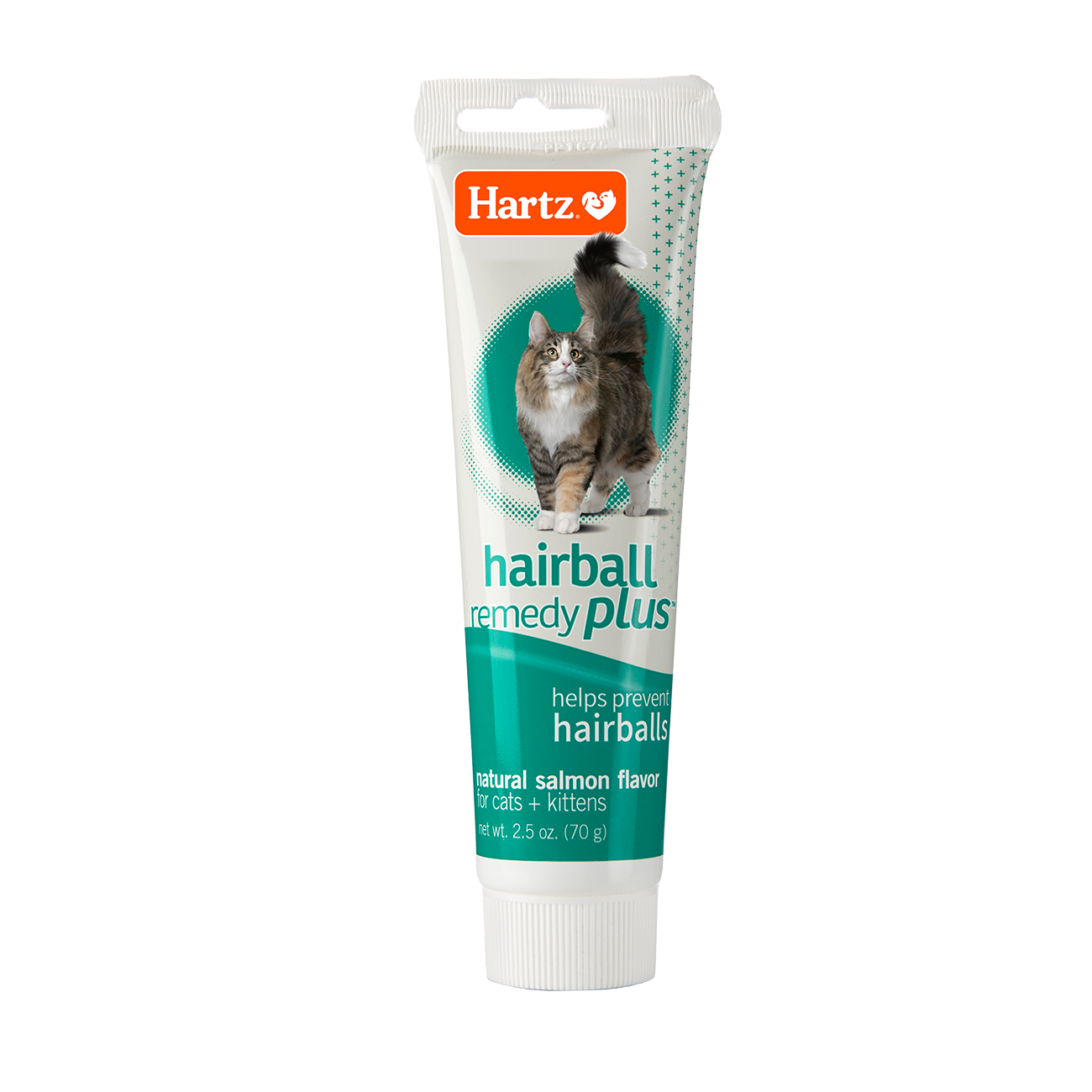
Commercial products designed to prevent hairballs offer convenience and efficacy. Hairball control cat food is formulated with extra fiber to help manage hairballs naturally. These foods can be a simple switch in your cat’s diet. Hairball treats are another option. They often contain ingredients that promote healthy digestion and hairball elimination. My cat, Max, loves these treats, and I’ve noticed a significant decrease in his hairball occurrences. Lubricant gels are available if you’re looking for a more direct approach. These gels are typically flavored and can be given directly or added to food, providing a slick passage for hair. Preventing hairballs doesn’t have to be complicated or stressful. By using a combination of natural and commercial remedies, you can help your cat lead a more comfortable life. Which method do you think your cat would prefer?Promoting Physical Activity
Cats need physical activity to stay healthy. Exercise helps prevent hairballs. It keeps their digestive system active. Active cats are less likely to have hairball issues. Encourage your cat to move and play. It benefits both their body and mind. Let’s explore ways to promote activity in cats.
Playtime Ideas
Interactive toys engage cats in play. Feather wands are great for chasing. Laser pointers make them run and pounce. Try using toy mice for hunting games. Scratching posts with dangling toys can entertain for hours. Rotate toys to keep their interest high. Fresh toys stimulate their curiosity. Playtime helps burn energy and prevent boredom.
Exercise Benefits
Exercise aids in digestion. It reduces the chances of hairball formation. Active cats groom less excessively. This means less hair is swallowed. Physical activity strengthens muscles. It also keeps their joints flexible. Regular movement helps maintain a healthy weight. It can reduce stress and anxiety in cats. Overall, exercise contributes to their well-being.
Credit: wetnosespetsitting.com
Consulting The Vet
Hairballs are a common issue for cats. Regular consultation with a vet can help manage this problem. Vets provide professional advice and solutions tailored to your cat’s needs. They ensure your cat stays healthy and comfortable. Consulting a vet is crucial for preventing hairballs.
Routine Check-ups
Routine check-ups at the vet keep your cat healthy. Regular visits help detect issues early. Early detection prevents hairballs from becoming a serious problem. Vets check for underlying health issues during these visits. They monitor your cat’s coat condition. This helps in managing hairballs effectively.
Professional Advice
Vets offer professional advice on preventing hairballs. They recommend dietary changes and grooming tips. These recommendations are based on your cat’s specific needs. Professional advice ensures your cat receives the right care. Vets guide you on the best practices for grooming. Proper grooming reduces hairball formation.
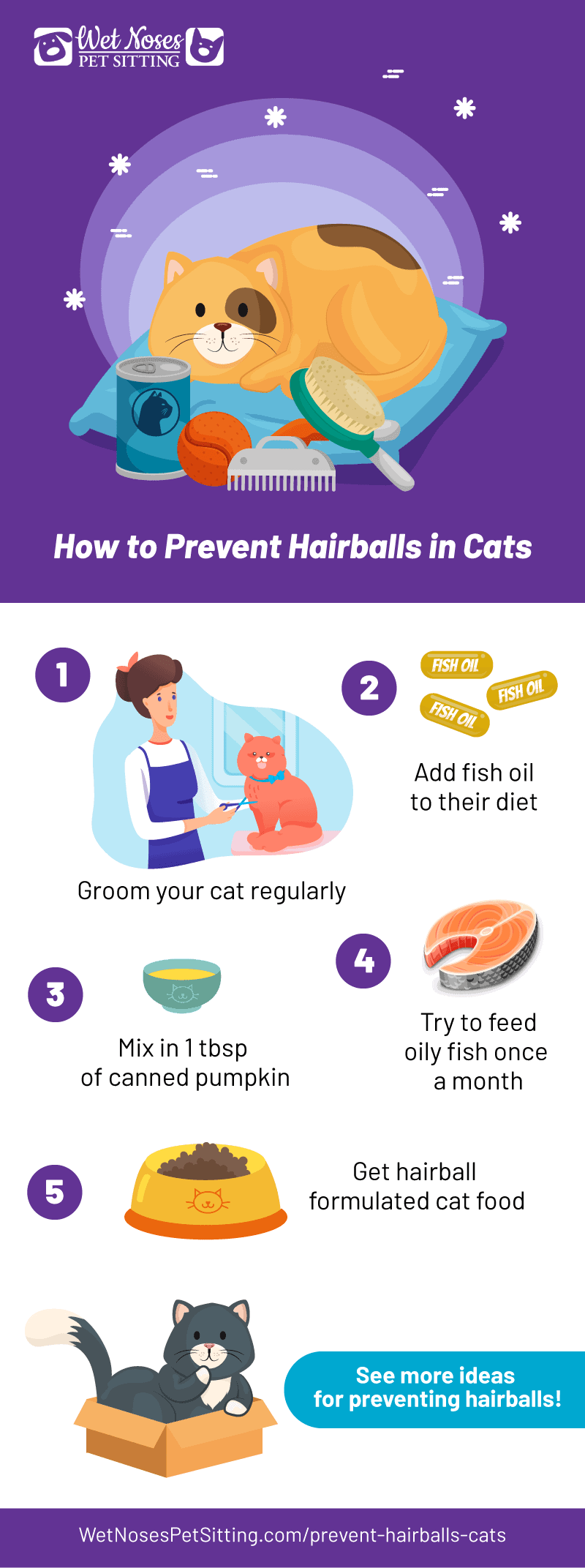
Credit: wetnosespetsitting.com
Frequently Asked Questions
What Can I Give My Cat To Prevent Hairballs?
Feed your cat a specialized hairball control formula. Regular grooming reduces shedding and prevents hairballs. Provide fiber-rich treats or supplements to aid digestion. Ensure your cat stays hydrated to facilitate smoother passage of hair.
Does Dry Cat Food Cause Hairballs?
Dry cat food doesn’t directly cause hairballs. Cats can develop hairballs by grooming themselves. Ensure your cat’s diet has enough fiber to help reduce hairball formation. Regular brushing can also minimize hairballs. Consult your vet for dietary advice tailored to your cat’s needs.
How To Stop Cats Bringing Up Hairballs?
Feed your cat a specialized hairball control diet. Regularly groom your cat to reduce loose fur. Provide plenty of water to aid digestion. Use hairball prevention products like gels or treats. Encourage play to minimize stress-induced grooming.
Why Is My Cat Getting A Lot Of Hairballs?
Cats often get hairballs from excessive grooming. Their rough tongues trap loose fur, which they swallow. A diet lacking fiber can also contribute. Regular grooming and a high-fiber diet can help reduce hairballs. Consult your vet if hairballs are frequent, as it could indicate an underlying health issue.
Conclusion
Preventing hairballs in cats keeps them healthy and happy. Regular grooming reduces loose hair. Choose quality cat food for better digestion. Provide plenty of water to help the system. Encourage play and exercise for a healthy gut. Consult your vet for the best advice.
They can suggest solutions tailored to your cat. Hairballs may seem small, but they can cause discomfort. Act now to ensure your cat’s comfort and well-being. Simple changes make a big difference. Keep your cat purring and free from hairballs.
Enjoy more cuddle time without worries.

Similar Posts