How to Clean Ear Mites in Cats: A Simple Guide
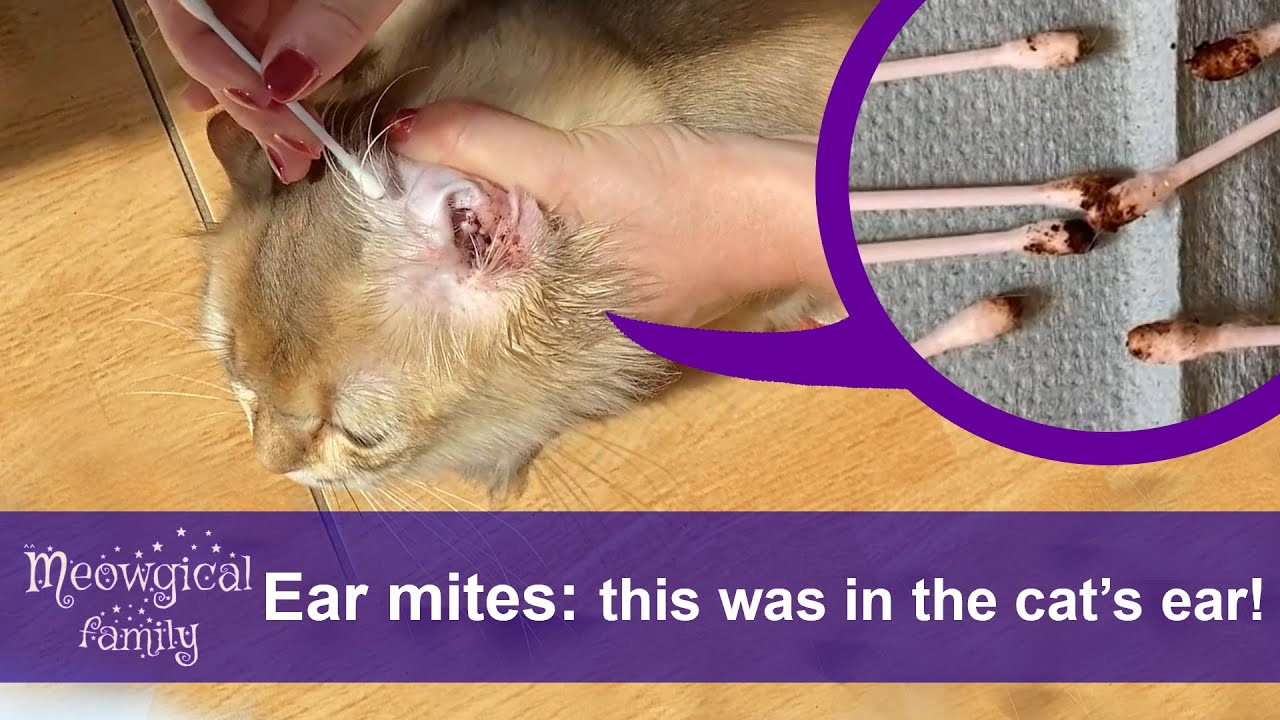
Are you noticing your cat scratching its ears more than usual? Or maybe you’ve spotted some unusual debris in their ears.
These could be signs of ear mites, a common problem that many cats face. Don’t worry, you’re not alone, and there’s a solution. Understanding how to clean ear mites in cats is not just about improving their comfort; it’s about ensuring their overall health and happiness.
You love your feline friend, and taking action now can prevent more serious issues down the line. Dive into this guide to discover simple, effective steps you can take right at home. Your cat will thank you with purrs and a wagging tail!
Identifying Ear Mites
Ear mites are a common problem in cats and can cause significant discomfort. Identifying them early can help you address the issue before it becomes severe. Understanding the signs and symptoms, along with the common causes, will empower you to take action for your feline friend’s health.
Signs And Symptoms
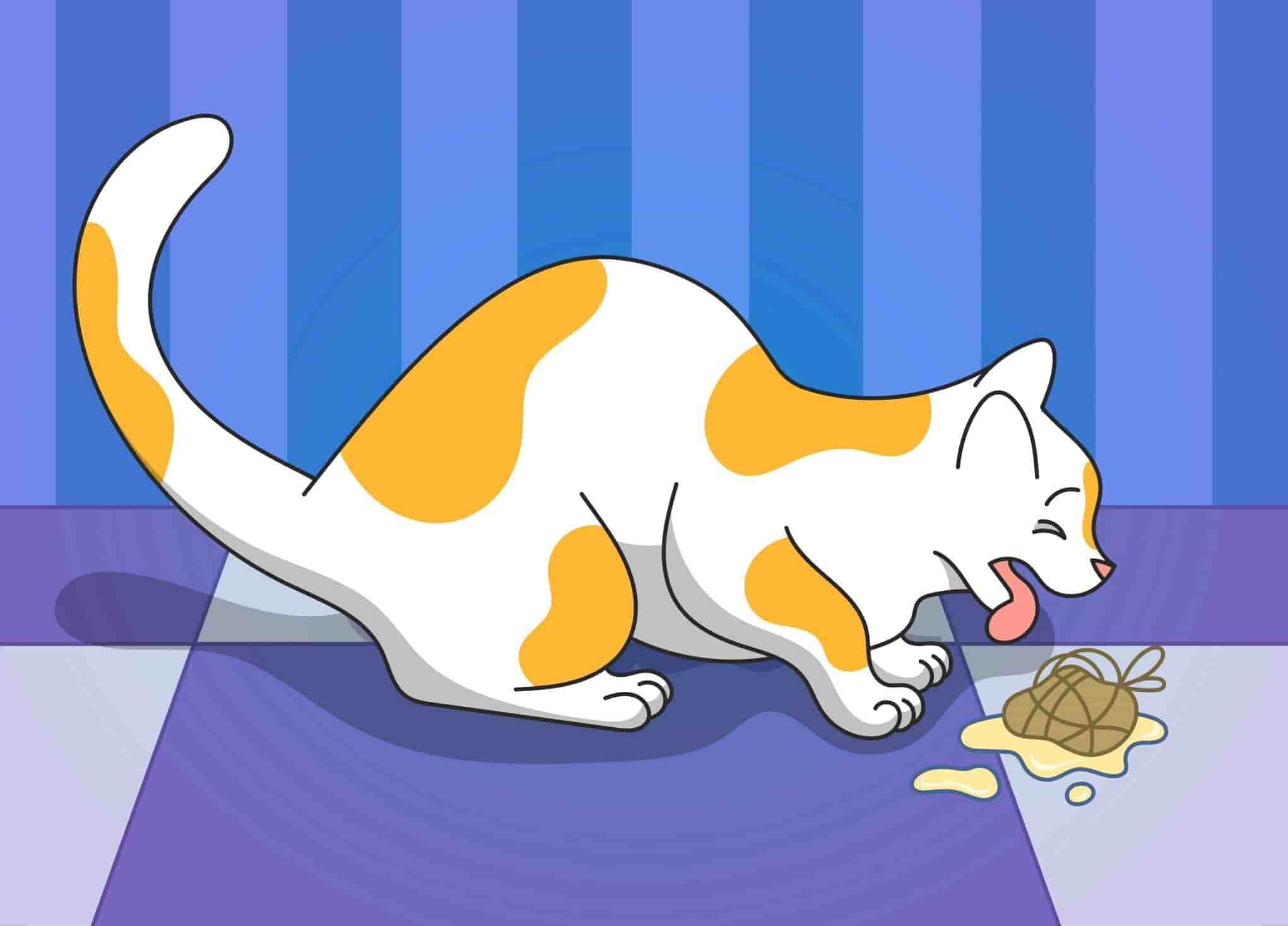
Have you ever noticed your cat shaking its head frequently? This could be a sign of ear mites. Cats with ear mites often scratch their ears vigorously, leading to redness and irritation. You might also observe a dark, coffee-ground-like discharge in their ears. Pay attention to any unusual behavior or ear discharge—these are your cat’s way of telling you something’s not right.
Common Causes
Ear mites are typically spread through close contact with other infected animals. If your cat spends time outdoors or with other pets, it is more susceptible to picking up these pesky parasites. Even indoor cats can catch ear mites, especially if you bring in new pets or if they visit grooming salons. Regular checks are crucial, especially if your cat is social or has access to environments where mites might thrive.
Have you ever thought about what your cat might bring back from its adventures outside? It’s not just dirt and leaves—ear mites might hitch a ride too. Keeping your cat’s environment clean and checking their ears regularly is a simple yet effective step.
Are you proactive in monitoring your cat’s health? Recognizing the early signs of ear mites can save your cat from discomfort and potential complications. Take a moment to inspect your cat’s ears today—what you discover might surprise you!

Credit: www.oxyfresh.com
Preparing For Cleaning
Gently cleaning a cat’s ears can help remove ear mites. Use a soft cloth and vet-recommended solution. Regular checks are essential for your cat’s comfort and health.
Preparing to clean ear mites in cats requires careful steps. Cats are sensitive creatures. Proper preparation makes the process smoother for both you and your pet. Ensuring a stress-free environment is key. Let’s explore how to get ready effectively.Gathering Supplies
Start with the right tools. Gather a clean towel, cotton balls, and an ear cleaner. A cat-safe ear cleaning solution is essential. Avoid using cotton swabs; they can harm your cat’s ears. Have treats ready to reward your cat. They can help calm and comfort your pet during the process.Creating A Comfortable Environment
Find a quiet space for the cleaning. Choose a place where your cat feels safe. Soft lighting can help ease anxiety. Sit with your cat in this space. Speak in a calm, soothing voice. Let your cat explore the surroundings. This will help them relax before you start cleaning.Cleaning Process
Gently clean your cat’s ears with a vet-recommended solution to remove mites. Use a cotton ball for careful cleaning. Ensure ears are dry after cleaning to prevent infections.
Cleaning ear mites in cats is crucial for their health. Ear mites can cause discomfort and infection. A proper cleaning process helps remove these pests effectively. Regular cleaning ensures your cat’s ears stay healthy. Let’s dive into the cleaning process.Step-by-step Instructions
Gather all necessary supplies first. You’ll need cotton balls, a vet-approved ear cleaner, and towels. Begin by holding your cat gently to keep them calm. Use a towel to secure them if needed. Pour a few drops of the ear cleaner into one ear. Massage the base of the ear softly for 30 seconds. This helps loosen debris and mites. Let your cat shake their head to remove excess liquid. Wipe the outer ear with a cotton ball. Repeat on the other ear. Ensure both ears are clean and dry.Dos And Don’ts
Do use only vet-approved ear cleaners. These are safe and effective for cats. Do clean your cat’s ears regularly, especially if mites are present. Do be gentle to avoid hurting your cat. Don’t use Q-tips inside the ear canal. They can push debris deeper. Don’t use homemade solutions without consulting a vet. They may harm your cat’s ears. Don’t ignore signs of discomfort or infection. Seek professional help if needed.
Credit: www.youtube.com
Aftercare
Gently cleaning ear mites in cats involves using a vet-approved solution. Apply the solution with a soft cotton ball. Regularly check and clean to ensure comfort and prevent infections.
Aftercare for your cat post-ear mite treatment is crucial. It’s not just about ensuring the mites are gone; it’s about keeping your feline friend comfortable and preventing future infestations. You want your cat to feel as pampered as possible. This is your chance to make sure the pesky mites never return, while monitoring your cat’s progress and implementing preventive measures.Monitoring Progress
Once you’ve treated your cat for ear mites, start observing their behavior closely. Is your cat scratching less? Are they acting more like themselves? Check their ears regularly to see if they look clean and free from debris. A flashlight can help you spot any residual dirt. Note any changes in your cat’s mood or energy levels. If they seem off, reach out to your vet.Preventive Measures
Preventing ear mites means adjusting some routines. Consider cleaning your cat’s ears gently once a week. Use a damp cloth or a vet-recommended solution. Think about your cat’s environment. Do they share spaces with other animals? Regularly clean bedding and toys to eliminate any lurking mites. If you have other pets, treat them too. Mites can easily jump from one host to another. What strategies have worked for you in the past? Sharing your insights might help others. Regular check-ups with your vet can catch any potential issues early. Keep the vet’s number handy, just in case. Your cat’s comfort and health are in your hands. Prioritize their well-being and enjoy the peace of mind that comes with taking proactive steps.Seeking Professional Help
Cleaning ear mites in cats can be challenging. Recognizing when to seek professional help ensures your cat’s health. A veterinarian offers expert advice and solutions. They know how to tackle stubborn ear mite infestations effectively.
When To Visit A Veterinarian
Notice persistent itching or head shaking? These could be signs of ear mites. If home treatments fail, a vet visit becomes crucial. Redness or swelling in the ear is another indicator. Discharge from your cat’s ear warrants professional attention. A vet provides a comprehensive diagnosis.
Possible Treatments
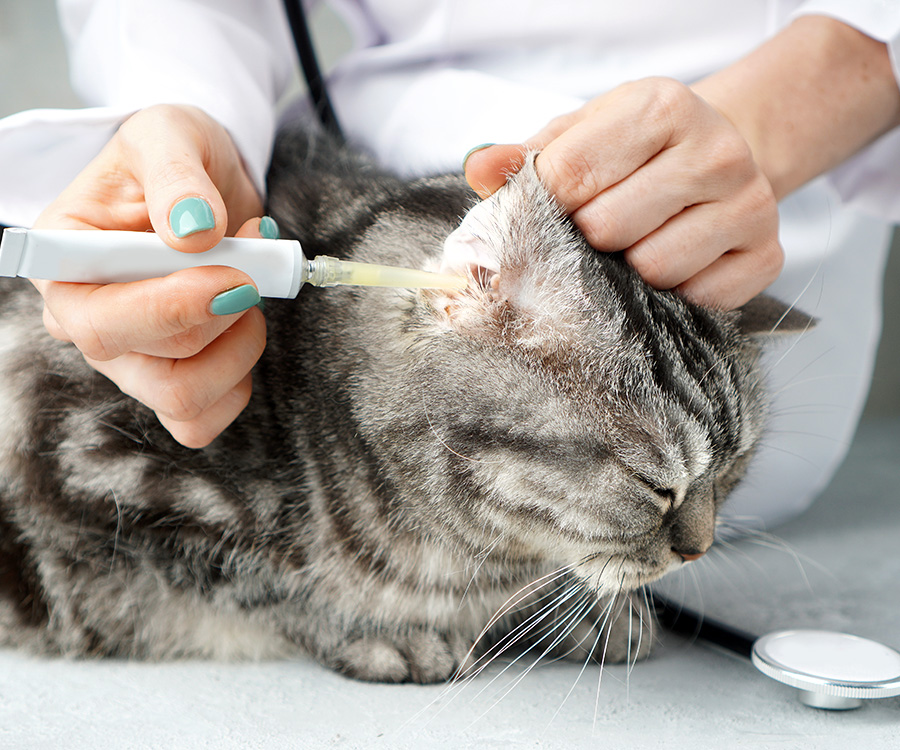
Veterinarians use various treatments for ear mites. Prescription ear drops are common. These drops kill mites and reduce inflammation. Oral medications might be necessary in severe cases. A vet may recommend a thorough ear cleaning. They often use special tools and solutions. This ensures all mites and debris are removed.
Credit: www.hartz.com
Frequently Asked Questions
What Kills Ear Mites In Cats Fast?
Use veterinary-approved ear mite treatments like Selamectin or Ivermectin for fast results. Clean ears thoroughly before application. Consult your vet for proper guidance and dosage. Regular cleaning and check-ups can prevent future infestations. Ensure your cat’s environment is clean to avoid reinfection.
Should I Clean My Cat’s Ears If They Have Ear Mites?
Yes, you should clean your cat’s ears if they have ear mites. Use a vet-recommended ear cleaner. Gently clean to remove debris and mites. Regular cleaning helps prevent infections and promotes ear health. Always consult your vet for advice tailored to your cat’s specific needs.
How To Get Rid Of Black Stuff In Cat’s Ears?
Clean your cat’s ears using a vet-recommended ear cleaner and cotton ball. Gently wipe the visible ear area. Avoid using cotton swabs inside the ear canal. Consult a vet if the black stuff persists, as it could indicate ear mites or an infection.
Regular check-ups help maintain ear health.
What Can I Wash My Cat With For Mites?
Use a vet-recommended anti-mite shampoo or solution specifically for cats. Ensure it targets ear and skin mites. Always follow the product instructions and consult your veterinarian before use. Regular grooming can also help manage mites effectively.
Conclusion
Caring for your cat’s ears keeps them healthy and happy. Regular cleaning prevents mites and infections. Always use vet-recommended solutions and follow instructions carefully. Keep your cat calm and comfortable during cleaning. Check for signs of discomfort or redness. Consult a vet if problems persist.
Cleanliness ensures your cat’s well-being. Happy cat, happy home! Remember, patience is key. Give your furry friend the care they need. Your efforts will strengthen your bond. Healthy ears mean a healthier cat. Enjoy the purrs and cuddles. Your cat’s comfort is worth it!

Similar Posts