How Much Should a 2 Year Old Cat Eat: Expert Guidelines

Have you ever wondered if your two-year-old cat is eating the right amount of food? You’re not alone.
Many cat owners find themselves asking this question. Ensuring your feline friend gets the right nutrition is crucial for their health and happiness. But how much is too much or too little? Discovering the perfect portion can feel like a puzzle.
We’ll unveil the secrets to feeding your cat just the right amount. You’ll gain insights into portion sizes, nutritional needs, and why it’s essential to get it right. Stay with us, and you’ll be equipped with the knowledge to keep your cat purring with contentment.
Daily Caloric Needs
A 2-year-old cat typically requires around 200 to 250 calories daily to maintain a healthy weight. Adjust portion sizes based on activity level and body condition. Consult a vet for personalized feeding advice.
Understanding your cat’s caloric needs is crucial for its health. A 2-year-old cat has different energy requirements than a kitten or senior cat. This stage is often marked by high activity and growth. Cats need calories for play, maintenance, and a shiny coat. But how much is enough? Let’s break it down.Factors Affecting Caloric Intake
Several factors determine your cat’s calorie needs. Size and breed play significant roles. Larger breeds need more energy than smaller ones. Gender can also impact caloric intake. Male cats typically require more calories than females. Additionally, whether your cat is neutered or spayed affects its metabolism.Adjusting For Weight And Activity Level
A cat’s weight significantly influences its dietary needs. Overweight cats should consume fewer calories. Meanwhile, underweight cats might need more to gain weight. Activity level is another critical factor. Active cats burn more calories and need extra food. Sedentary cats require fewer calories to avoid weight gain. Always monitor your cat’s weight and adjust accordingly. `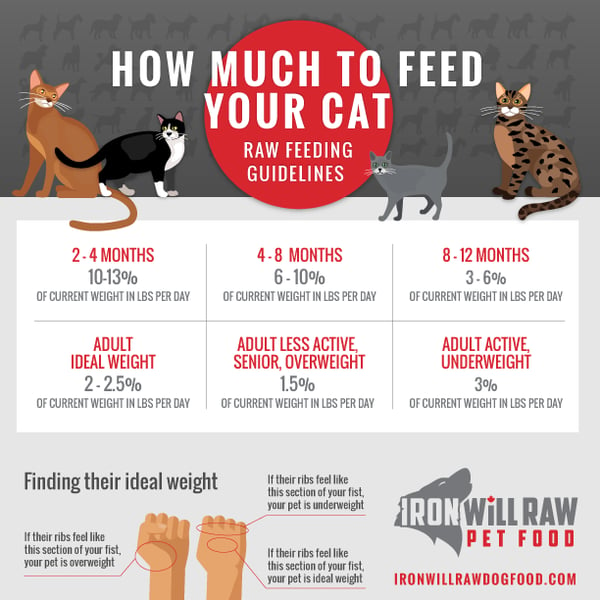
Credit: ironwillrawdogfood.com
Understanding Cat Food Labels
Understanding cat food labels can be a daunting task. They hold critical information about the food your cat consumes. You need to know what’s inside to ensure your pet’s health. Cats require a balance of proteins, fats, and carbohydrates. Not all cat food offers this essential mix. By understanding the labels, you can make informed decisions. This helps in keeping your two-year-old cat healthy and active.
Decoding Ingredients
The ingredients list reveals what goes into the cat food. It lists components in order of weight. The first few ingredients are crucial. They make up the bulk of the food. Look for real meat, like chicken or fish, as the first ingredient. Avoid foods with fillers like corn or soy. These provide little nutritional value.
Importance Of Nutritional Balance
Nutritional balance is key for a cat’s health. A balanced diet supports growth, energy, and overall well-being. Cats need proteins, fats, and essential vitamins. Taurine is vital for heart and vision health. Check the label for these nutrients. A balanced diet helps your cat maintain a healthy weight.
Portion Control Strategies
Understanding portion control is key to feeding a 2-year-old cat. A typical adult cat needs around 250 calories daily. Adjust portions based on activity level and weight to maintain optimal health.
Managing how much your 2-year-old cat eats is crucial for their health and happiness. It’s easy to overfeed when those pleading eyes look up at you, but portion control can prevent obesity and related health issues. By focusing on measuring food portions and using feeding schedules, you can ensure your feline friend stays fit and content.Measuring Food Portions
To start, use a measuring cup to serve the exact amount of food your cat needs. This precision helps prevent overfeeding and ensures your cat gets the right nutrients. Look at the packaging of your cat’s food for recommended serving sizes. But remember, these are just guidelines. Adjust based on your cat’s activity level and weight. When I first got my cat, I mistakenly thought a heaping bowl was showing love. But soon, I noticed he was gaining weight. Measuring portions was a simple fix that helped him maintain a healthy weight.Using Feeding Schedules
Establish a consistent feeding schedule for your cat. Consistency helps regulate their metabolism and reduces begging behavior. Divide the daily portion into two or three meals, similar to breakfast, lunch, and dinner. This mimics their natural hunting instincts and keeps their energy levels stable. Have you ever noticed how your cat seems to know when it’s mealtime? Cats thrive on routine, and sticking to a schedule not only helps their digestion but also strengthens your bond with them. By following these portion control strategies, you can ensure your cat stays healthy and happy. Are you ready to make these small changes that can lead to big benefits for your furry friend?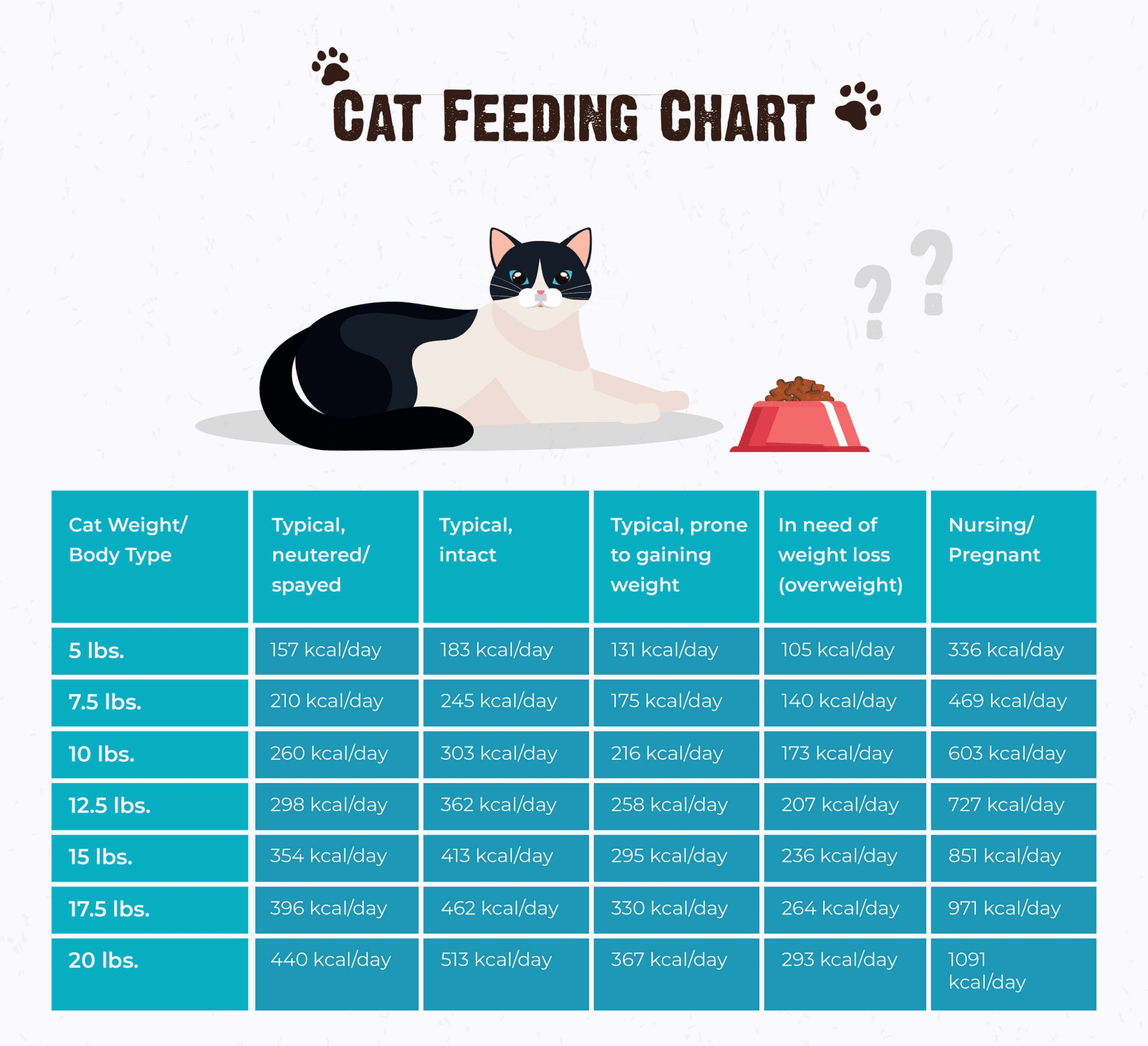
Credit: www.consolata.org
Wet Vs. Dry Food
Choosing between wet and dry food for your two-year-old cat can be a bit challenging. Both options come with their unique benefits and drawbacks. Understanding these can help you make the best choice for your feline friend. Does your cat prefer the savory aroma of wet food or the convenience of dry kibble?
Pros And Cons Of Wet Food
Wet food often attracts cats because of its rich aroma and taste. It typically contains higher moisture content, which helps keep your cat hydrated, especially if they aren’t keen on drinking water. This can be especially beneficial if your cat has urinary issues.
However, wet food can be messy and might spoil if not stored properly after opening. It also tends to be more expensive than dry food. Are you ready for the extra effort and cost that comes with wet food?
Advantages Of Dry Food
Dry food is convenient and easy to store. You can leave it out for your cat to nibble on throughout the day without worrying about spoilage. This can be a lifesaver for busy cat owners who can’t be home for every meal.
Dry food also promotes dental health by helping to reduce tartar buildup. However, it lacks the moisture content found in wet food. Will your cat drink enough water to compensate?
What suits your cat’s lifestyle? Consider your cat’s preferences and health needs. Sometimes, a mix of both types is the perfect solution. Have you tried experimenting with different brands and flavors to see what your cat enjoys most?
Recognizing Overfeeding And Underfeeding
Feeding a 2-year-old cat requires balance. Offer 200 to 250 calories daily, considering weight and activity. Adjust portions if the cat seems overfed or underfed, focusing on maintaining healthy weight and energy levels.
Recognizing the signs of overfeeding and underfeeding in your 2-year-old cat is crucial to ensuring their health and well-being. Cats, like humans, have specific dietary needs that must be met to maintain a healthy weight and lifestyle. However, it can be challenging to find the right balance. Knowing what to look for can help you adjust your cat’s diet accordingly.Signs Of Overfeeding
Overfeeding can lead to obesity, which poses significant health risks for your cat. A common sign is noticeable weight gain over a short period. You might observe your cat having difficulty grooming themselves because of excess weight. Another indicator is a lack of interest in play or activity. Cats that are overfed may become lethargic or less inclined to jump and chase toys. Pay attention to your cat’s appetite and eating habits. If they seem to be eating out of boredom rather than hunger, it might be time to reassess their meal portions.Indicators Of Underfeeding
Underfeeding, on the other hand, can be just as harmful. Look for signs such as a visible rib cage or pronounced spine. These could indicate your cat is not getting enough to eat. You may also notice behavioral changes. A cat that is constantly begging for food or becomes aggressive at meal times may not be getting enough nutrition. Monitor their energy levels. Cats that are underfed might be unusually tired or uninterested in activities they previously enjoyed. Are you familiar with these signs? If so, tweaking your cat’s diet could make a big difference in their health and happiness. Consider consulting your vet for personalized advice tailored to your cat’s needs. Remember, small adjustments can have a significant impact!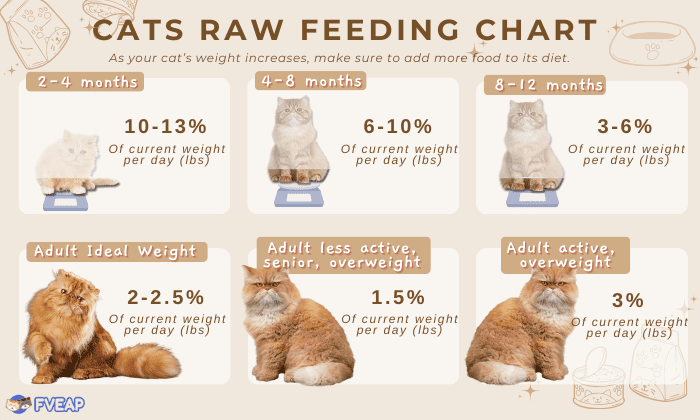
Credit: www.consolata.org
Special Dietary Needs
A 2-year-old cat needs about 200-300 calories daily, depending on its weight and activity level. Consider balanced meals with protein, fats, and carbohydrates. Always ensure fresh water is available to keep your cat healthy and happy.
Understanding the special dietary needs of your 2-year-old cat is crucial for their health and happiness. Cats, like humans, can have unique dietary requirements based on their health and lifestyle. Have you ever wondered if your cat’s diet is meeting their special needs? Cats with health issues or allergies may need adjustments in their diet. If you’re not sure where to start, you’re not alone. Many cat owners face similar challenges.Considerations For Health Conditions
Your cat’s health condition can significantly affect how much and what they should eat. Health issues like diabetes, kidney disease, or obesity require specific dietary adjustments. For example, a cat with kidney disease may need a low-protein diet. Conversely, a cat with diabetes might need a diet rich in proteins and low in carbohydrates. It’s always a good idea to consult with a veterinarian to tailor your cat’s diet to their specific health needs. Do you check your cat’s health regularly? Keeping track of their health helps in making informed dietary choices.Adapting Diet For Allergies
Food allergies in cats are more common than you might think. Itching, digestive issues, or ear infections can be signs of food allergies. If you suspect allergies, consider changing your cat’s diet gradually. Switching to hypoallergenic cat food can make a big difference. These foods often exclude common allergens like beef, dairy, or wheat. Experiment with different protein sources such as duck or venison. Monitor your cat’s reaction closely. Have you ever tried a food elimination diet for your cat? It can help identify specific allergies and improve your cat’s quality of life. Addressing special dietary needs ensures your cat stays healthy and happy. When was the last time you revisited your cat’s diet? Now might be the perfect time to make those necessary changes.Consulting With Veterinarians
Understanding how much a 2-year-old cat should eat can be tricky. Cats have different needs based on their size, health, and lifestyle. Consulting with veterinarians provides clarity. They offer expert advice tailored to your cat’s specific needs. This ensures your cat stays healthy and happy. Read on to understand the importance of professional advice and questions to ask your vet.
Importance Of Professional Advice
Veterinarians are trained to understand animal nutrition. They know what your cat needs to stay healthy. Professional advice helps avoid overfeeding or underfeeding. This keeps your cat’s weight in check. It also prevents health issues related to diet. Trusting a professional ensures your pet gets balanced nutrition. Every cat is unique. A vet can tailor advice to fit your cat’s needs.
Questions To Ask Your Vet
Prepare questions before visiting the vet. Ask about portion sizes for your cat. Inquire about the frequency of meals per day. Consider asking if your cat needs supplements. Discuss any changes in your cat’s behavior or weight. These details help the vet provide accurate advice. Ask about specific brands of cat food if needed. Your vet’s answers will guide you in feeding your cat properly.
Frequently Asked Questions
Why Is My 2 Year Old Cat Always Hungry?
A cat’s constant hunger might signal underlying issues. Check for parasites, diabetes, or thyroid problems. Ensure proper diet and portion control. Regular vet visits are crucial to monitor health and behavior. Cats may also eat out of boredom, so engaging them in playful activities can help.
What Is The Ideal Weight Of A 2 Year Old Cat?
A 2-year-old cat typically weighs between 8 to 12 pounds. Weight varies based on breed and health. Regular vet checkups ensure your cat maintains a healthy weight. Proper diet and exercise are crucial for weight management. Always consult a veterinarian for personalized guidance on your cat’s ideal weight.
Should I Leave Food Out For My Cat All Day?
Leaving food out all day can lead to overeating and obesity in cats. Scheduled feeding is healthier. Choose portion-controlled meals twice daily to maintain their weight. Ensure fresh water is always available. Consult a vet for dietary advice tailored to your cat’s needs.
Is 2 Pouches Of Cat Food Enough?
Two pouches of cat food might be enough for a small adult cat. Check packaging for feeding guidelines. Adjust portion size based on your cat’s age, weight, and activity level. Consult a vet for personalized advice to ensure a balanced diet.
Always provide fresh water alongside meals.
Conclusion
Feeding your 2-year-old cat the right amount is crucial. Balanced nutrition supports their health and happiness. Monitor their weight regularly. Adjust food portions as needed. Consult your vet for personalized advice. Every cat is unique. What works for one may not suit another.
Understanding your cat’s needs ensures their well-being. Make mealtime a healthy habit. Invest in quality cat food. This impacts their long-term health. Remember, a healthy cat is a happy cat. Prioritize their diet today. Your cat deserves the best care possible.

Similar Posts