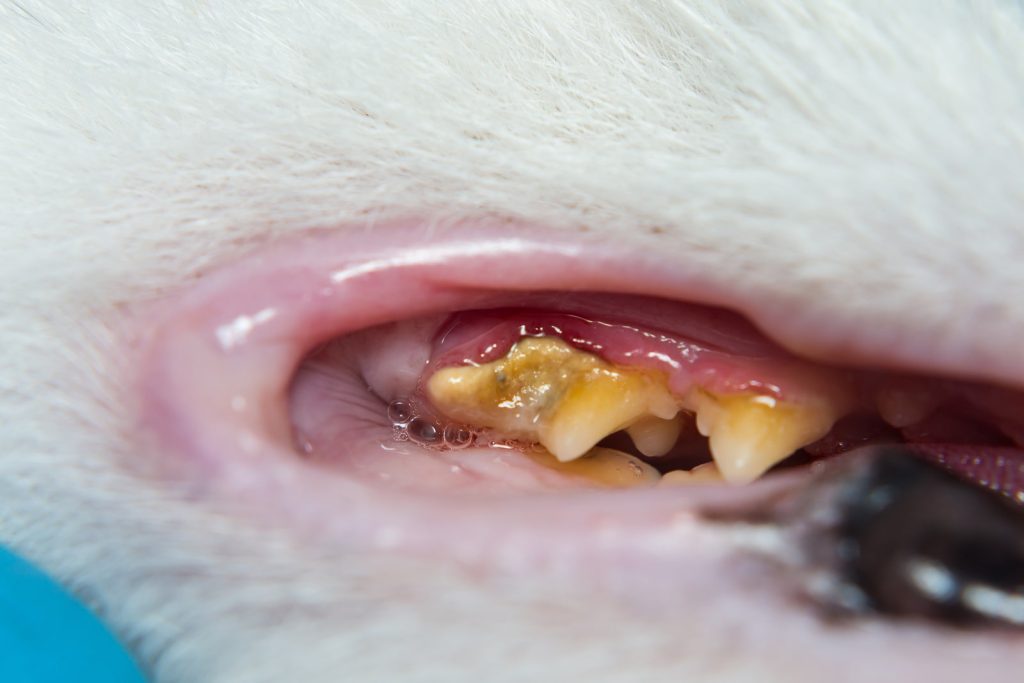
Is your feline friend suddenly avoiding their food bowl or acting less playful than usual? If so, your cat might be dealing with gingivitis, a common gum disease that can cause discomfort and lead to more serious health issues.
Just like in humans, oral health is crucial for your cat’s overall well-being. Understanding how to treat gingivitis in cats can make a world of difference for your pet’s happiness and health. We’ll guide you step-by-step through effective ways to address this condition, ensuring your cat can get back to their cheerful, purring self.
Stick with us, and you’ll discover simple, actionable tips that could transform your pet’s life. Don’t let gingivitis steal your cat’s joy—read on to learn how you can help.

Credit: www.nwaustinveterinarycenter.com
Recognizing Symptoms
Identifying gingivitis in cats involves noticing signs like red gums and bad breath. Treatment usually includes regular teeth cleaning by a vet. Cats may also need special dental diets or oral rinses to improve gum health.
Recognizing symptoms of gingivitis in cats is crucial for maintaining their oral health. Many cat owners are unaware of the signs until the condition worsens. Early detection can prevent more severe dental issues and improve your cat’s quality of life.Common Signs Of Gingivitis
Cats often hide discomfort, making it tricky to spot health issues. Gingivitis symptoms can be subtle at first. Look for red or swollen gums, especially around the teeth. Bad breath is another telltale sign that something isn’t right. You might notice your cat drooling more than usual or see blood in their saliva. Regularly check your cat’s mouth for these symptoms. It’s a simple way to catch issues early. If you notice any of these signs, it’s time to consult your vet.Behavioral Changes In Cats
Your cat’s behavior can also indicate oral health problems. Has your cat become less playful or more withdrawn? This might be due to oral discomfort. They may also paw at their mouth or face more frequently. Observe their eating habits closely. Are they eating less or having difficulty chewing? These changes can be direct indicators of gingivitis. Addressing these behavioral shifts promptly can lead to earlier treatment and relief for your feline friend. Have you noticed any of these symptoms in your cat? Early intervention can make all the difference in their health and happiness. Regular dental check-ups can help you keep their oral health in check. Are you ready to take action for your cat’s well-being?
Credit: mainelyvetdentistry.com
Causes Of Gingivitis
Gingivitis in cats is a common dental issue. It can lead to discomfort and other health problems. Understanding its causes is important for prevention and treatment. Various factors contribute to this condition. Below are the key causes of gingivitis in cats.
Dietary Factors
Diet plays a crucial role in feline dental health. Cats on a soft food diet are more prone to gingivitis. Soft food leaves residue on their teeth. This residue can lead to plaque buildup. Plaque turns into tartar over time. Tartar irritates gums and causes inflammation. Consider a balanced diet with dental health in mind.
Genetic Predispositions
Genetics can influence a cat’s dental health. Some breeds are more susceptible to gingivitis. These breeds may have unique dental structures. This can make them more prone to gum issues. Understanding your cat’s genetic background helps in prevention. Regular check-ups can identify early signs in these breeds.
Infections And Diseases
Infections can also cause gingivitis in cats. Bacterial infections in the mouth are common culprits. These infections lead to gum inflammation. Viral diseases can also affect dental health. Feline leukemia and calicivirus are examples. Managing these infections can prevent gingivitis. Always consult a vet for proper diagnosis and treatment.
Diagnosis Process
Understanding how to diagnose gingivitis in cats is crucial for effective treatment. Gingivitis, a gum disease, can cause discomfort and lead to more serious health issues if left unchecked. The diagnosis process involves a series of steps to ensure your feline friend receives the best care possible. Let’s delve into how veterinarians pinpoint this condition.
Veterinary Examination
The first step in diagnosing gingivitis is a thorough veterinary examination. Your vet will begin by asking questions about your cat’s eating habits, behavior, and any signs of discomfort. This initial consultation is crucial because it helps identify symptoms that might not be immediately visible.
Next, the vet will conduct a physical examination of your cat’s mouth. They will look for signs of redness, swelling, and plaque buildup on the gums. This examination might seem routine, but it plays a significant role in spotting early signs of gingivitis.
Have you ever noticed your cat pawing at its mouth or showing reluctance to eat? These behaviors, while subtle, can be indicators of dental discomfort that warrant a vet’s attention.
Diagnostic Tests
After a physical examination, the vet might recommend diagnostic tests to confirm the presence of gingivitis. Blood tests can help rule out other underlying health issues that could be contributing to your cat’s symptoms.
Dental X-rays are another diagnostic tool that provides a clear image of the cat’s dental structure. This is especially helpful in identifying any hidden problems below the gum line that could be causing your cat discomfort.
In some cases, a vet might suggest a biopsy of the gum tissue. While this sounds daunting, it’s a straightforward procedure that helps determine the severity of the inflammation.
Isn’t it fascinating how much information can be gathered from a simple X-ray or blood test? These tools not only confirm the presence of gingivitis but also help in crafting a tailored treatment plan for your cat.
By understanding the diagnosis process, you’re better equipped to ensure your cat receives the necessary care. So, the next time your feline friend shows signs of discomfort, you’ll know exactly what steps to take.
Home Care Strategies
When your cat shows signs of gingivitis, you might wonder how you can help them at home. Treating gingivitis in cats can start with simple yet effective home care strategies. Paying attention to your cat’s oral hygiene and diet can make a big difference. Let’s dive into some practical ways to keep your feline friend’s mouth healthy and pain-free.
Proper Oral Hygiene
Maintaining your cat’s oral hygiene is crucial. Start by brushing their teeth regularly, using a cat-friendly toothpaste and a small toothbrush. If you’ve never brushed your cat’s teeth before, introduce it slowly. You can start by letting them sniff the toothpaste. Gradually, work your way to brushing their teeth. This routine helps reduce plaque buildup and keeps gums healthy.
Consider dental wipes as an alternative if brushing proves difficult. These wipes can clean their teeth and gums gently. Additionally, dental treats can be fun and effective. They help clean teeth as your cat chews, making them a sneaky way to improve oral health.
Dietary Adjustments
What your cat eats plays a role in their oral health. Look at their diet closely. Switching to dry food can help scrape off plaque while they chew. Consider adding specially formulated dental diets that are designed to improve oral health.
Include foods rich in antioxidants and vitamins. They support gum health and overall immunity. You might not have thought about it, but some water additives can help reduce bacteria in your cat’s mouth. They’re easy to use, just add them to their water bowl.
Have you noticed how your cat reacts to different foods? Sometimes, simply changing their diet can lead to unexpected improvements in their oral health. Your cat’s behavior and preferences might guide you to the best choices.
Are you ready to make these adjustments for your cat? Small changes can lead to healthier gums and a happier cat. How do you plan to start your cat’s gingivitis treatment today?
Professional Treatments
Gingivitis in cats requires timely and effective treatment. Regular dental cleanings and proper oral hygiene help manage this condition. Veterinary care, including antibiotics and anti-inflammatory medications, plays a crucial role in reducing inflammation and preventing further complications.
Treating gingivitis in cats professionally can make a world of difference in your furry friend’s health. Cats, like humans, can suffer from gum diseases that require expert attention. If you’ve ever felt overwhelmed by the thought of keeping your cat’s teeth clean, you’re not alone. But with professional treatments, you can effectively tackle gingivitis and ensure your cat’s mouth stays healthy.Dental Cleanings
Professional dental cleanings are pivotal in treating gingivitis in cats. Your veterinarian will use specialized tools to remove plaque and tartar buildup. This process is akin to a human dental cleaning, but tailored for your cat’s comfort and safety. Regular cleanings can prevent further complications like periodontal disease. Imagine if skipping a cleaning could lead to severe dental issues down the line—it’s the same for your cat. A clean mouth is not just about preventing bad breath; it’s essential for overall health.Medications And Supplements
Sometimes, dental cleanings alone aren’t enough. Your vet might recommend medications to combat gingivitis. Antibiotics can help reduce inflammation and infection. These medications are typically prescribed after a thorough examination. But did you know that supplements could also play a role? Certain supplements support dental health by strengthening gums and reducing plaque formation. Think of them as a backup defense for your cat’s dental care routine. Considering professional treatments might make you wonder: Is your cat’s dental health getting the attention it deserves? Ensuring your cat receives regular dental check-ups and appropriate treatments can make all the difference in their quality of life.
Credit: todaysveterinarypractice.com
Preventive Measures
Preventive measures are crucial in managing gingivitis in cats. These steps help maintain your cat’s oral health and prevent painful conditions. Simple routines can make a big difference in your cat’s dental well-being.
Regular Vet Checkups
Regular vet checkups are essential for detecting gingivitis early. A vet can spot signs you might miss at home. Schedule visits at least twice a year. This ensures your cat’s teeth and gums stay healthy. Early detection can prevent serious dental issues later.
Routine Dental Care
Routine dental care at home supports your cat’s oral health. Brushing your cat’s teeth is an effective way to prevent gingivitis. Use a cat-friendly toothbrush and toothpaste. Start slow to let your cat get used to the process. Consistency helps in maintaining good oral hygiene.
Dental treats are another way to support oral health. They can help reduce plaque and tartar. Choose treats designed for dental care. Consult your vet for recommendations. Routine care and the right products can make a significant difference.
When To Seek Help
Gingivitis in cats needs attention if you notice red, swollen gums or bad breath. Dental care and timely vet visits are essential to prevent severe dental issues. Early detection ensures your cat stays healthy and comfortable.
When your beloved feline is showing signs of gingivitis, it’s important to know when to seek professional help. Your cat might not be able to tell you they’re in pain, but their behavior and health can speak volumes. Identifying the right moment to consult a vet can make all the difference in your cat’s well-being.Signs Of Worsening Condition
Gingivitis in cats can progress if left untreated. You may notice your cat struggling to eat or avoiding their favorite treats. A bad breath that’s worse than usual can also be a red flag. Look for swelling or redness in their gums. If these symptoms persist, it’s time to take action. Don’t wait until your furry friend is in distress. Have you noticed any unusual drooling or pawing at the mouth? These could indicate the condition is worsening. The sooner you address these signs, the better the outcome for your cat.Emergency Situations
Not all symptoms can wait for a routine vet visit. If your cat is unable to eat or drink, it could be an emergency. Dehydration can occur quickly, leading to more serious health issues. Bleeding from the mouth is another urgent sign. This could point to advanced gum disease, requiring immediate attention. Has your cat suddenly become lethargic or unresponsive? Such changes in behavior are a cause for concern and warrant a trip to the vet right away. In these situations, time is of the essence. Your quick response could save your cat from unnecessary pain and complications. Keep your vet’s contact information handy for such emergencies. By staying alert to your cat’s needs, you can help them maintain a happy, healthy life. Remember, you’re their best advocate.Frequently Asked Questions
Can Gingivitis In Cats Be Cured?
Yes, gingivitis in cats can be treated effectively. Early diagnosis and dental care are essential. Regular veterinary check-ups, proper dental hygiene, and a balanced diet help prevent recurrence. Consult your vet for the best treatment plan tailored to your cat’s needs.
How Do Vets Treat Gingivitis?
Vets treat gingivitis by cleaning teeth, removing plaque, and prescribing antibiotics if necessary. Regular dental check-ups are essential. Proper oral hygiene, including brushing and specialized diets, helps prevent gingivitis. Early intervention ensures better outcomes.
What Are Common Symptoms Of Gingivitis In Cats?
Gingivitis in cats often presents with swollen, red gums. You may notice bad breath and difficulty eating. Cats might also drool excessively or paw at their mouths. Regular dental check-ups are essential for early detection.
Can Gingivitis In Cats Be Prevented?
Yes, gingivitis can be prevented with regular dental care. Brush your cat’s teeth using feline toothpaste. Provide dental treats and toys that promote oral health. Regular vet visits for dental checks are also crucial.
Conclusion
Caring for your cat’s gums is crucial. Gingivitis can cause pain and discomfort. Regular brushing helps keep their gums healthy. Schedule vet check-ups to catch issues early. Provide a balanced diet to support oral health. Consider dental treats or toys for added care.
Watch for signs like bad breath or swollen gums. Early treatment prevents serious problems. Your cat’s comfort and happiness depend on healthy gums. Stay attentive to their needs. Proper care ensures a joyful life for your feline friend. Prioritize their oral health today.
Happy cats mean happy homes.