How Can You Stop Cats from Scratching Furniture: Proven Tips
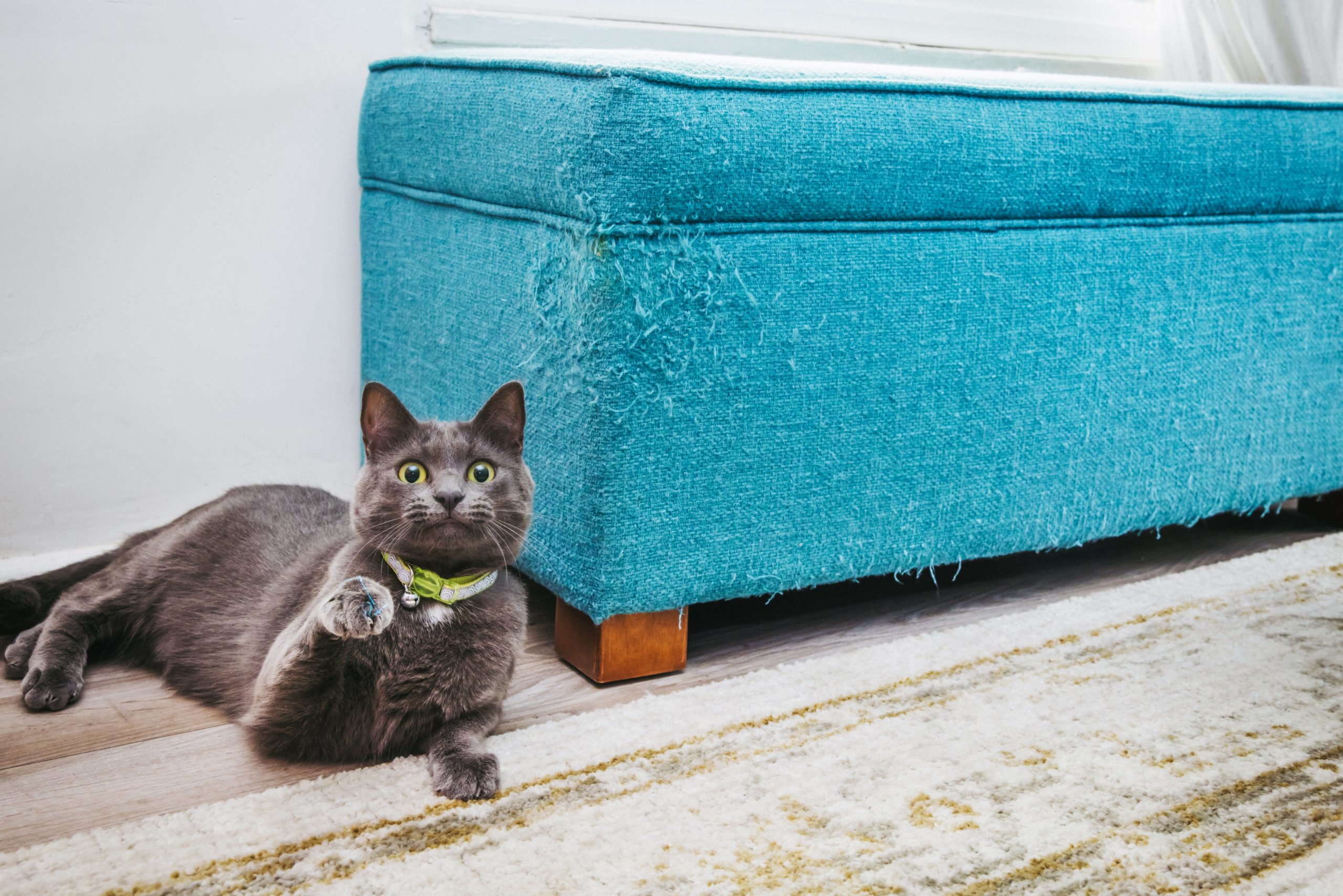
Are you tired of coming home to find your beloved couch shredded to bits by your feline friend? You love your cat, but the damage to your furniture is becoming hard to ignore.
You’re not alone in this struggle. Many cat owners face the same challenge. But what if there was a way to keep your furniture safe without compromising your pet’s happiness? Imagine a home where your furniture stays pristine, and your cat is content.
You’ll discover simple and effective strategies to stop your cat from scratching your furniture, ensuring peace and harmony in your household. Get ready to transform your living space into a scratch-free zone that both you and your cat will love.

Credit: wb-iisg.com
Understanding Cat Scratching Behavior
Understanding why cats scratch is essential to protect your furniture. Scratching is a natural behavior that cats exhibit for various reasons. It is crucial to address this instinctive habit without causing stress to your feline friend.
Why Do Cats Scratch?
Cats scratch to maintain their claws. Scratching helps them shed old claw sheaths and keep their claws sharp. It also serves as a form of exercise, stretching their muscles and tendons.
Territorial Marking
Scratching is a way for cats to mark their territory. Cats have scent glands in their paws. By scratching, they leave both visual and scent marks on surfaces. This behavior is instinctual and helps them feel secure in their environment.
Stress Relief
Scratching can also relieve stress and frustration in cats. It provides a physical outlet and helps them relax. It is especially common when there are changes in their surroundings. Offering appropriate outlets for scratching can reduce stress.
Play And Fun
Cats scratch because it is fun. It is a playful activity that engages their natural hunting instincts. Scratching posts and toys can help satisfy this playful urge.
Redirecting Scratching Behavior
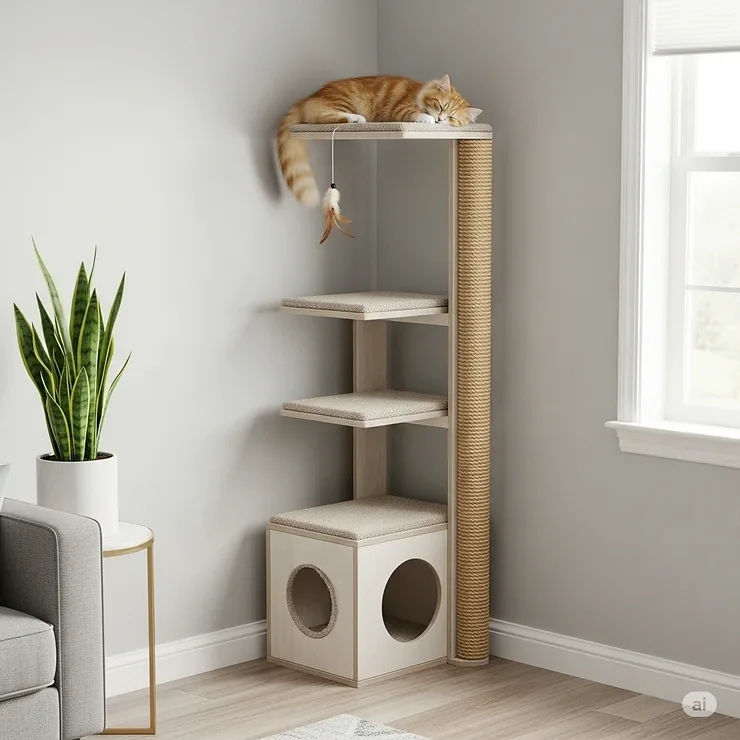
To protect your furniture, provide alternatives. Offer scratching posts or pads in strategic locations. Ensure these items are appealing and sturdy. Encourage your cat to use them with treats or toys.
Choosing The Right Scratching Post
Prevent furniture damage by selecting the perfect scratching post for your cat. Look for sturdy designs that satisfy their urge to scratch. Cats prefer rough textures; a sisal-covered post can keep them entertained and away from your furniture.
Choosing the right scratching post is essential for saving your furniture. Cats naturally scratch to mark territory and maintain claws. A well-chosen scratching post can redirect this behavior. It satisfies their need to scratch while protecting your beloved couch.Types Of Scratching Posts
Various scratching posts are available, each with unique features. Vertical posts are popular and mimic tree trunks. They help cats stretch and scratch comfortably. Horizontal scratchers suit cats that prefer floor-level surfaces. Some posts combine both vertical and horizontal elements. These offer versatile options for different scratching preferences. Cardboard scratchers are affordable and replaceable. They work well for many cats. Sisal fabric posts are durable and appealing. They provide a satisfying texture for claws. Carpet-covered posts mimic the texture of furniture. Choose based on your cat’s habits and preferences.Placement Of Scratching Posts
Where you place the scratching post matters significantly. Position it near the furniture your cat likes to scratch. This encourages them to use the post instead. Place it in areas where your cat often spends time. Near their sleeping spots is ideal. Cats often scratch after waking up. High-traffic areas are also effective locations. Cats enjoy being where the action is. Placing a post there increases its use. Ensure the post is stable and doesn’t wobble. Unsteady posts might scare your cat away.Training Your Cat To Use A Scratching Post
Cats love to scratch, and furniture often becomes their target. Redirect this behavior by introducing a scratching post. Place it near the furniture they usually scratch. Encourage your cat with treats or toys to use the post instead. Consistent training helps protect your sofa and keeps your cat happy.
Cats love to scratch. It’s a natural behavior. Scratching helps them mark territory. It also sharpens their claws. Sadly, this can ruin furniture. Training your cat to use a scratching post can help. It takes patience and consistency. Rewarding your cat will make a difference.Positive Reinforcement Techniques
Reward good behavior with treats. Praise your cat when it uses the scratching post. Make the scratching post more appealing. Add toys or catnip to it. Cats love new, exciting things. Encourage them to explore the post. Be consistent with rewards. This builds a positive association.Redirecting Scratching Behavior
Observe your cat’s scratching habits. Place the scratching post near their favorite spot. If they scratch furniture, gently move them to the post. Use a gentle voice to encourage them. Repeat this until they understand. Cover furniture with protective material. This can discourage scratching. Cats prefer textures they can dig their claws into. Ensure the post is sturdy and tall enough. This makes it more attractive than furniture. `Protecting Furniture From Scratches
Cats can be trained to use scratching posts instead of furniture. Cover furniture with protective materials or use deterrent sprays. Regularly trim your cat’s claws to minimize damage.
Protecting your furniture from your cat’s claws can be a challenging task, but it’s not impossible. The good news is, with a little creativity and patience, you can keep your home stylish and scratch-free. Let’s dive into some effective strategies to protect your beloved furniture while keeping your cat happy.Using Furniture Covers
Furniture covers are a simple yet effective way to shield your couches and chairs from those sharp claws. These covers come in various materials and designs, allowing you to maintain your interior decor. Opt for durable fabrics like heavy-duty canvas or microfiber, which can withstand a cat’s scratching. Consider slipcovers that are easy to remove and wash. This way, even if your cat decides to test its claws, you can easily clean any mess. Some cat owners have found success using clear plastic covers that act as a physical barrier while still showcasing the beauty of the furniture underneath.Applying Deterrents
Deterrents can be a game changer when trying to protect your furniture. Products like sprays or tapes make surfaces less appealing for scratching. Look for pet-safe sprays with scents that cats dislike, such as citrus or eucalyptus. Sticky tape is another popular option. It creates an unpleasant texture for cats, discouraging them from scratching. Place the tape on the areas your cat frequently targets. You might find your cat loses interest when the scratching isn’t as satisfying. Have you ever tried using aluminum foil on furniture? Some cats can’t stand the sound or feel of it, making it a clever deterrent. However, be mindful that every cat is different, so it might take a few trials to find the perfect solution for your furry friend.Regular Nail Trimming
Cats love to scratch. It’s their natural behavior. Scratching helps them stretch and mark territory. Unfortunately, it can damage your furniture. Regular nail trimming can minimize this issue. Keep their claws short to reduce harm. It’s simple and effective. Your furniture stays safe, and your cat remains happy.
Tools For Nail Trimming
You need the right tools. A cat nail clipper is essential. Scissors won’t work well. They are unsafe for your cat. Choose a clipper designed for pets. Many options are available online. Visit a pet store for advice. You can also use a nail grinder. It’s electric and easy to handle. It’s less stressful for some cats. Keep styptic powder nearby. It stops bleeding if you cut too far.
Step-by-step Trimming Guide
First, find a quiet spot. Your cat needs calm surroundings. Hold your cat gently on your lap. If it’s nervous, wrap it in a towel. This keeps it still. Inspect each paw carefully. Look for any dirt or debris. Identify the nail’s clear tip. Avoid cutting the pink area. It’s sensitive and painful.
Use the clipper to trim. Cut only small portions at a time. Make sure to praise your cat. Give it treats after each nail. This makes the experience positive. Repeat the process every two weeks. Regular trimming keeps nails short. It prevents furniture damage. Your cat stays comfortable and happy.
Creating A Cat-friendly Environment
Cats can be kept from scratching furniture by providing scratching posts. Place them near favorite resting spots. Use materials like sisal or cardboard that attract cats.
Creating a cat-friendly environment can prevent furniture scratching. Cats scratch to mark territory, stretch, and shed nail sheaths. Providing alternatives can satisfy these natural urges. A welcoming environment encourages cats to engage with acceptable items. This reduces stress and destructive behavior.Providing Engaging Toys
Toys keep cats active and entertained. Rotate toys to maintain interest. Use interactive toys like feather wands. Puzzle toys stimulate their mind. Provide a variety of textures and shapes. Consider toys infused with catnip. These can captivate and attract cats.Setting Up A Relaxing Space
Create a calm area for your cat. Place a soft bed in a quiet corner. Cats like warm, cozy spots. Add a scratching post nearby. Ensure the post is sturdy and tall. Some cats prefer horizontal scratchers. Observe your cat’s preferences. Providing options encourages positive behavior.Consulting A Veterinarian Or Behaviorist
Consulting a veterinarian or behaviorist can help curb cats from scratching furniture. They offer tailored advice and solutions. Their expertise ensures your cat’s needs are met while preserving your home.
Cats scratching furniture is a common issue that can leave you feeling frustrated and helpless. When simple solutions like scratching posts or deterrent sprays aren’t working, it might be time to consult a professional. A veterinarian or a behaviorist can offer valuable insights into why your feline friend is acting out and how to address it effectively.Signs Of Stress Or Anxiety
Understanding the underlying causes of your cat’s behavior is crucial. Cats often scratch when they are stressed or anxious, which can be triggered by changes in their environment, such as a new pet, moving house, or even a new piece of furniture. Have you noticed your cat hiding more often or being unusually aggressive? These are signs that something deeper might be affecting them. Observing your cat’s behavior closely can provide clues that you can share with a professional.Professional Advice
A veterinarian can rule out any health issues that might be causing discomfort and leading to excessive scratching. They might suggest calming aids or pheromones to help reduce stress. On the other hand, a cat behaviorist can offer customized strategies to change your cat’s scratching habits. They might recommend environmental enrichments, like interactive toys or additional scratching surfaces, to redirect your cat’s energy in a positive way. When I faced a similar issue, consulting a behaviorist helped me understand my cat’s need for more vertical space. Adding a tall cat tree was a game-changer. Could a professional offer the missing piece to your puzzle? Remember, professional guidance is not just about solving a problem; it’s about understanding your cat better and strengthening your bond.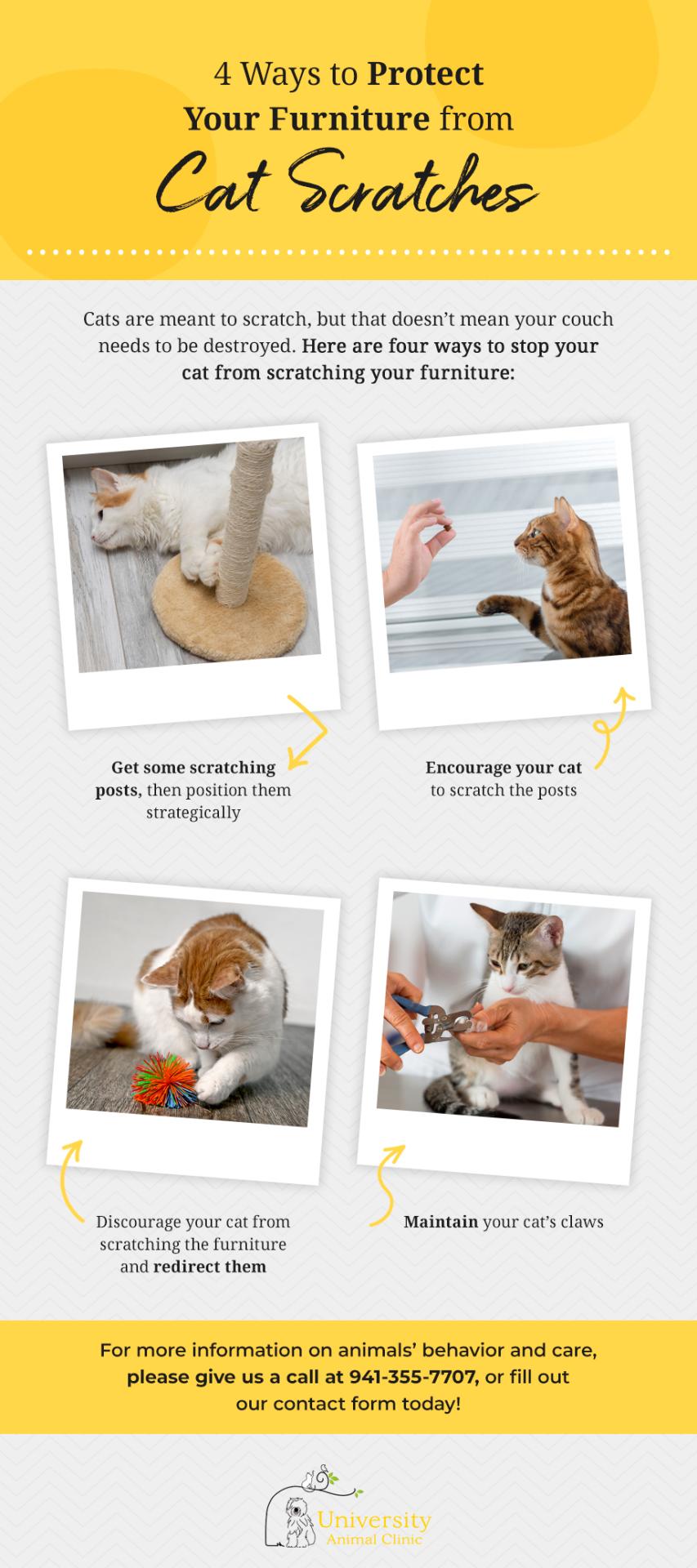
Credit: www.theuniversityanimalclinic.com

Credit: www.amazon.com
Frequently Asked Questions
What Scent Will Keep Cats From Scratching?
Cats dislike citrus, lavender, and eucalyptus scents. Use these fragrances to deter them from scratching surfaces. Spray diluted essential oils or place scented items near problem areas. These smells are safe and effective in keeping cats away, encouraging them to scratch designated posts instead.
What Can I Spray On My Furniture To Keep Cats From Scratching?
Use a cat repellent spray with citrus, lavender, or eucalyptus scents. These natural scents deter cats from scratching furniture. Ensure the spray is non-toxic and safe for pets. Regularly apply it to maintain effectiveness and protect your furniture from scratches.
How Do You Scratch Proof Furniture From Cats?
Use scratch-resistant covers or double-sided tape on furniture. Provide scratching posts and train your cat. Trim cat nails regularly. Apply cat deterrent sprays. Rearrange furniture to minimize access.
How To Punish A Cat For Scratching A Couch?
Redirect your cat to a scratching post. Offer positive reinforcement when they use it. Use deterrent sprays on the couch to discourage scratching. Keep their nails trimmed to minimize damage. Avoid physical punishment, as it can harm your relationship with your cat.
Conclusion
Cats can learn not to scratch furniture. It just takes patience. Use scratch posts as alternatives. Reward good behavior with treats. Cover furniture with protective materials. Regularly trim your cat’s nails. Use deterrent sprays if needed. Always provide plenty of playtime.
This reduces stress and boredom. Understanding your cat’s needs is key. Make your home a cat-friendly space. With these tips, peace returns. Both you and your furniture will be happier.

Similar Posts