How to Get Cats to Not Scratch Furniture: Proven Tips
Scratching is a natural behavior for cats, but when your beloved feline turns your furniture into a scratching post, it can be more than a little frustrating. You might find yourself wondering if there’s a way to keep your cat from shredding your favorite chair or sofa.
The good news? There is, and it’s easier than you think. Imagine walking into your living room and seeing your furniture in pristine condition, with no scratch marks in sight. Picture your cat happily using a designated scratching area instead of your couch.
Sounds like a dream, right? This guide will provide you with simple, effective strategies to redirect your cat’s scratching habits and protect your furniture. Keep reading to discover how to achieve harmony in your home without sacrificing your style or your cat’s happiness.

Credit: www.washingtonpost.com
Understanding Cat Behavior
Understanding why cats scratch furniture can be a game-changer in managing this common issue. Cats aren’t being mischievous when they scratch; they are simply acting on their instincts and needs. By grasping what drives your feline friend, you can create a harmonious environment that respects both your furniture and your cat’s nature.
Instinctual Need To Scratch
Cats have an innate need to scratch. It’s not about destroying your favorite couch; it’s about maintaining their well-being. Scratching helps cats keep their claws sharp and healthy. It also lets them stretch their muscles and relieve stress.
Think about how you feel after a good workout or a stretch. That’s what scratching does for cats. It’s a vital part of their routine. Ignoring this need can lead to frustration for your pet. So, the goal is not to stop them from scratching but to direct it appropriately.
Common Reasons For Scratching
Scratching can be more than just an instinctual act. Cats may scratch to mark territory, leaving visual and scent marks. This is a way for them to feel secure in their environment.
Consider if your cat is scratching more when new furniture arrives or guests visit. This could be a sign of anxiety or insecurity. Scratching also serves as a form of communication. Have you noticed your cat scratching more after being left alone for long periods?
Understanding these reasons can guide you in addressing the root causes rather than just the behavior. Would providing more stimulation or a scratching post help your cat feel more settled?
Choosing The Right Alternatives
Cats have a natural urge to scratch. It’s part of their instincts. But this can lead to damaged furniture. Instead of fighting this behavior, offer them alternatives. The right alternatives can save your couch. And keep your cat happy. Let’s explore some great choices.
Scratching Posts And Pads
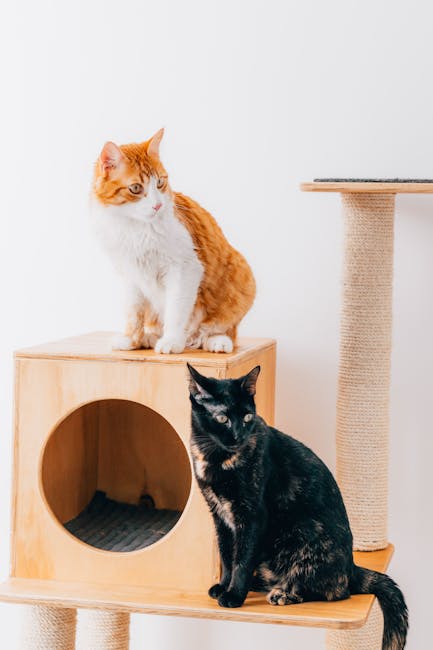
Scratching posts are vital. They give cats a designated spot to scratch. Place them near the furniture your cat likes to scratch. This encourages them to use the post instead. Choose tall and sturdy posts. Cats like to stretch their bodies while scratching. Flat pads are good too. They work well for cats that scratch horizontally. Rotate different types to keep your cat interested.
Materials Cats Prefer
Not all materials attract cats equally. Sisal is a top choice. It mimics tree bark. Cats find it irresistible. Carpet-covered posts are also common. But not all cats like them. Some prefer cardboard. It’s soft and satisfying to shred. Experiment with different textures. See which ones your cat prefers.
Placement Of Scratching Tools
Getting your cat to stop scratching your furniture can be a real challenge. Luckily, one effective strategy is the placement of scratching tools in your home. Properly positioned scratching posts and pads can transform your space into a cat-friendly environment, saving your beloved couch from unwanted claw marks.
Strategic Locations
The location of scratching tools is critical. You might wonder, “Where should I place them?” Start by observing where your cat naturally gravitates. Is it the corner of the living room or near the windows? Placing scratching posts in these areas makes them more appealing.
Consider high-traffic areas where your cat often hangs out. Cats love being involved in the action, so placing a scratching post near the sofa or your favorite reading chair can attract them away from the furniture. Do you have a spot your cat loves by the window? Adding a scratching pad there can be a game-changer.
Avoid hidden or rarely-used spaces. If the scratching post is tucked away in the corner of a spare room, your cat might ignore it. Keep scratching tools in visible and accessible locations. The more they see it, the more they’ll use it.
Encouraging Use
Once you’ve placed scratching tools in strategic spots, the next step is encouraging your cat to use them. Are they hesitant? Sprinkle a bit of catnip on the scratching post to spark interest. Cats often can’t resist a good whiff of catnip.
Use toys to guide your cat toward the scratching tools. Dangle a feather wand near the post or pad, encouraging them to pounce and scratch. Interaction during playtime can naturally lead them to use the tools.
Reward your cat when they use the scratching post. Positive reinforcement works wonders. Every time they engage with the post, offer a treat or affectionate praise. This builds a habit and makes the scratching tool a rewarding experience.
Have you ever thought about why some cats prefer certain materials? Try experimenting with different textures. Some cats love sisal rope, while others prefer carpet or cardboard. Find out what your cat enjoys and incorporate that material into their scratching tools.
What strategies have you tried? Reflecting on what works for your cat can lead to surprising insights. Personalizing the approach to your feline friend’s preferences can make all the difference in preserving your furniture.
Training Techniques
Training cats to avoid scratching furniture involves redirecting their natural behavior. Provide scratching posts as alternatives, rewarding them when they use them. Consistent training and positive reinforcement help in gradually changing their habits.
Training your cat not to scratch furniture can be a delightful journey filled with small victories. It’s all about understanding your feline friend and using the right techniques to steer their natural behavior in a positive direction. These training techniques are not just about preventing unwanted behavior but also about strengthening the bond with your cat. Let’s dive into some practical strategies that can make a difference.Positive Reinforcement
Cats, much like humans, respond well to positive reinforcement. Reward your cat when they use a scratching post instead of your couch. Use treats, petting, or verbal praise to show appreciation. The key is consistency—every time your cat uses the designated scratching area, offer a reward. I once noticed my cat, Whiskers, preferred a particular scratch post after getting her favorite treat each time she used it. It was a simple change, but her behavior quickly adapted. Have you tried rewarding your cat for good behavior?Redirecting Behavior
Sometimes, cats just need a gentle nudge in the right direction. Redirecting their behavior involves providing alternatives to your furniture. Place scratching posts or pads in areas your cat frequents. If you catch them scratching the couch, calmly move them to the scratching post and guide their paws. When Shadow, another cat of mine, showed interest in our new sofa, I placed a scratching post right next to it. I guided him to the post when he attempted to scratch the sofa, and soon he was using the post exclusively. Think about the spaces your cat loves—can you add a scratching post nearby? Training cats requires patience and creativity. By understanding their needs and using these techniques, you can create a harmonious environment for both you and your feline friend.Protecting Your Furniture
Cats often scratch furniture to mark territory or sharpen claws. Protecting your furniture is essential to maintain its appearance and longevity. Simple strategies can help keep your furniture scratch-free. Explore these effective methods to ensure your home remains a welcoming space for both you and your feline friend.
Use Of Furniture Covers
Furniture covers act as a barrier against sharp claws. They provide an extra layer of protection for your sofas and chairs. Choose covers made from durable materials to resist tearing. Covers are easy to remove and wash, keeping them clean. Different colors and styles help them blend with your decor.
Repellent Sprays
Repellent sprays deter cats from scratching furniture. These sprays create an unpleasant scent for cats without harming them. Apply the spray on areas where cats usually scratch. Reapply regularly for effective results. Choose sprays with natural ingredients for safety. Test the spray on a small area first to avoid damage.

Credit: propelbikes.com
Diy Solutions
Cats love to scratch. It’s a natural behavior. But scratched furniture can be a problem. Fortunately, there are simple DIY solutions. These can keep both your cat happy and your furniture safe. Let’s explore some effective strategies.
Homemade Scratching Options
Provide alternatives for your cat. Use materials they love. Try making a scratching post. Use sisal rope. It’s durable and cats enjoy it. Wrap the rope around a sturdy post. Secure it tightly. Place it near their favorite spots.
Cardboard is another good option. Cats enjoy its texture. Create a scratching pad with layers of cardboard. Glue them together. Let them shred it. It’s cheap and easy to replace.
Creating A Cat-friendly Space
Design a space just for your cat. Use their favorite items. Add a cozy bed. Include toys they like. Make it fun and inviting. The goal is to keep them engaged. Engage their curiosity.
Place scratching posts or pads in this area. Encourage them to use it. Sprinkle a little catnip. It attracts them to the spot. Reward them when they use it. Positive reinforcement works wonders.
Remember, consistency is key. Keep their area tidy. Replace worn-out items promptly. This helps maintain their interest. A happy cat means happy furniture. Everyone wins.
Professional Help
Cats naturally scratch to sharpen their claws and mark territory. This behavior can be frustrating when it damages your furniture. Sometimes, professional help is necessary to address persistent scratching problems. Experts can provide insights and solutions tailored to your cat’s needs. Let’s explore how consulting a veterinarian or seeking behavior specialists can help.
Consulting A Veterinarian
A veterinarian can rule out any health issues causing the scratching. Stress or anxiety might lead to excessive scratching. A vet can also check for any pain that might make your cat scratch more. Discuss your cat’s behavior and any changes you’ve noticed. They can suggest treatments or refer you to a specialist.
Seeking Behavior Specialists
Behavior specialists understand feline behavior deeply. They can identify triggers for your cat’s scratching. A specialist can suggest specific techniques to redirect this behavior. They might recommend environmental changes to make your cat comfortable. Their guidance can be invaluable for persistent scratching issues. With their help, you can create a peaceful environment for your cat.

Credit: www.lissivigeenschool.com
Consistency And Patience
Training your cat not to scratch furniture is a journey that demands consistency and patience. It’s a delicate dance of understanding your pet’s needs and adjusting your approach. Many cat owners start this journey with enthusiasm but soon find themselves frustrated. The trick lies in maintaining a steady routine and being open to change. If you’ve ever felt the sting of defeat, remember that every scratch is a new opportunity to learn and improve. So, how can you stay consistent and patient while training your feline friend?
Maintaining Routine
Your cat thrives on routine. Establishing a consistent schedule is key to redirecting their scratching behavior. If you have a scratching post, place it in a spot your cat frequents. Encourage them to use it by sprinkling catnip or rewarding them with treats. Every time they scratch the post instead of your sofa, praise them warmly. This builds a positive association with the new behavior.
Consistency isn’t just about timing; it’s also about environment. Ensure your home setup supports your training efforts. Keep the scratching post accessible and inviting. If you have a specific spot your cat loves to scratch, consider placing a deterrent there. This could be double-sided tape or a plastic cover, both of which cats find unappealing.
Adjusting Strategies Over Time
Training methods might not work immediately. Cats have unique personalities and quirks. If your current strategy isn’t yielding results, don’t be afraid to pivot. Perhaps your cat prefers a different type of scratching post. Experiment with various textures like sisal, carpet, or cardboard until you find one they love.
Assess the effectiveness of your routine periodically. Are there particular times your cat scratches more? Adapt your training sessions to these times. If your cat scratches when you’re not home, consider using remote deterrents. Technology can offer solutions with motion-activated sprayers or noise machines that deter unwanted scratching.
Have you ever found yourself questioning the effectiveness of your approach? You’re not alone. It’s natural to feel stuck sometimes. But remember, patience is your ally. Consistency and patience pave the way to success in training your cat. With dedication, you’ll transform your home into a harmonious space where furniture and felines coexist peacefully. Are you ready to embrace the challenge?
Frequently Asked Questions
How Do I Stop My Cat From Scratching My Furniture?
Place scratching posts near furniture. Use catnip to attract your cat to them. Trim your cat’s nails regularly. Apply double-sided tape or deterrent sprays on furniture. Reward your cat for using scratching posts.
How Do You Scratch Proof Furniture From Cats?
Use double-sided tape or aluminum foil on furniture surfaces. Trim cat’s nails regularly. Provide scratching posts. Apply pet-safe deterrent sprays. Cover furniture with protective covers.
What Can I Spray On My Furniture To Keep Cats From Scratching?
Use a citrus-scented spray to deter cats from scratching furniture. Cats dislike citrus smells, keeping them away effectively. Alternatively, try a commercial cat deterrent spray designed for furniture protection. Ensure the product is pet-safe and follow application instructions for best results.
Regularly reapply to maintain effectiveness.
How To Punish A Cat For Scratching A Couch?
Redirect your cat’s behavior by using a scratching post. Offer rewards when they use it. Discourage scratching with gentle deterrents like double-sided tape. Never use physical punishment; it can harm your bond. Keep your cat’s nails trimmed to minimize damage.
Conclusion
Training your cat takes patience. Scratching is a natural habit. Use scratch posts or mats. Encourage your cat with toys. Keep claws trimmed. Protect furniture with covers or sprays. Praise good behavior. Never punish your cat. Building trust is key.
Consistency helps your cat learn. Enjoy a scratch-free home! With these tips, your furniture stays safe. Cats can learn new habits. You just need time. Happy cats make happy homes. Treat your cat with love.