Pro Plan Indoor Balance vs Pro Plan High Protein
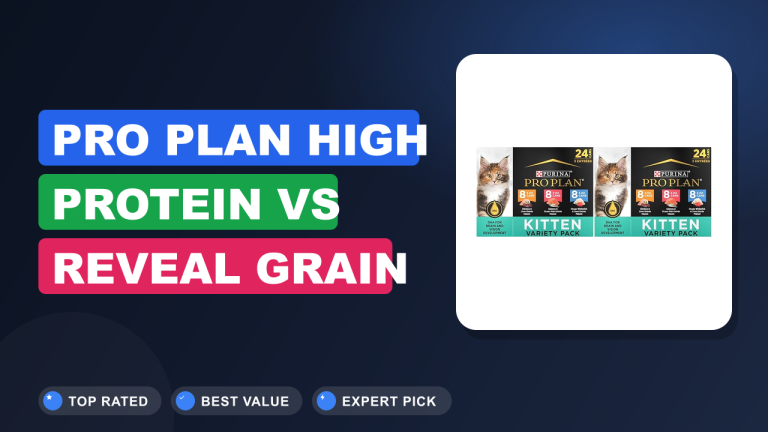
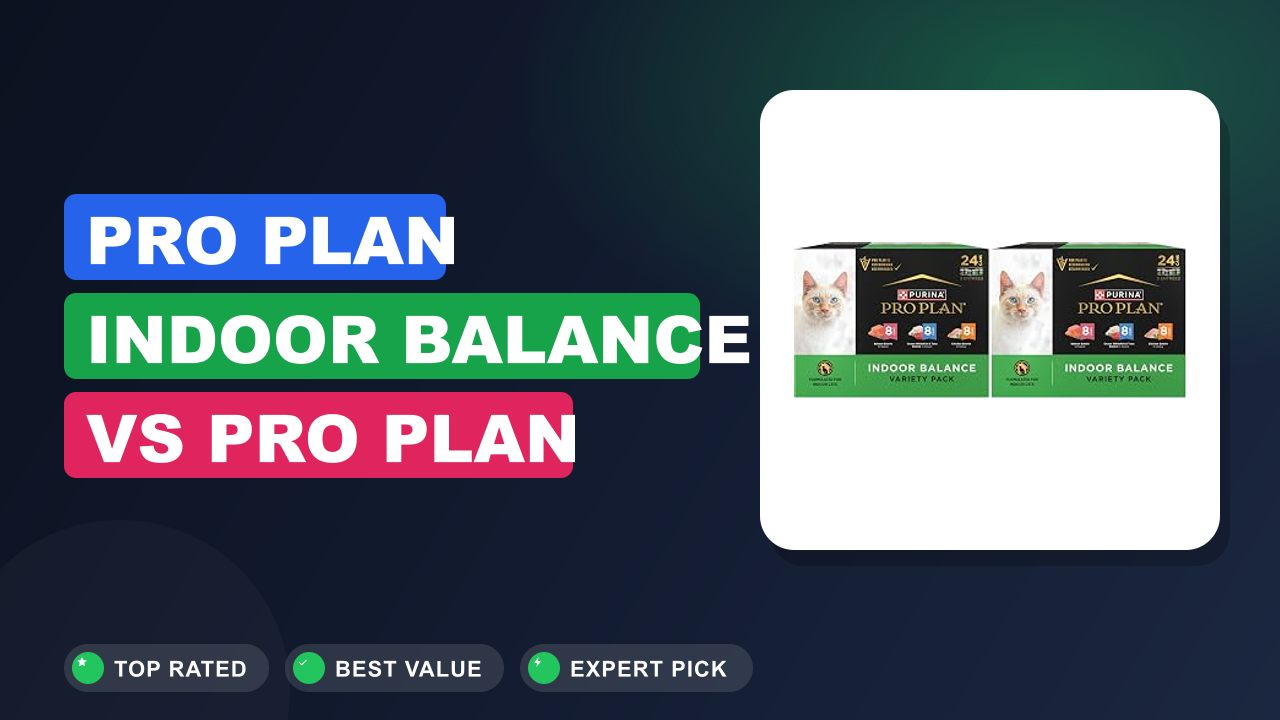
Choosing between Purina Pro Plan Indoor Balance Chicken vs Purina Pro Plan High Protein Wet can feel like a puzzle when you’re staring at two variety packs that look similar on the shelf. Both come from the same trusted brand, both offer 48 cans, and both promise premium nutrition for your cat. The real difference lies in who the food is designed for: one targets adult indoor cats needing weight management, while the other fuels growing kittens with intense protein needs.
Short answer: Purina Pro Plan Indoor Balance Chicken wins for sedentary adult cats prone to gaining weight. Purina Pro Plan High Protein Wet wins for kittens under twelve months old who need rapid development support. Getting this wrong means either starving a kitten of essential nutrients or overfeeding an adult cat into obesity.
Let’s break down exactly why these two formulas serve such different masters.
| Product | Details | Rating | Buy |
|---|---|---|---|
Editor’s Choice  | Purina Pro Plan Indoor Balance Chicken | ★★★★☆4.7/5 | |
Top Pick  | Purina Pro Plan High Protein Wet | ★★★★☆4.7/5 |
At a glance
These two products solve completely different problems despite sharing the Purina Pro Plan umbrella. The Indoor Balance formula is engineered for the modern house cat whose activity level barely exceeds moving from couch to window. It prioritizes calorie control and urinary health through reduced fat content and specific mineral balances.
Conversely, the High Protein Wet Kitten formula is built for biological urgency. Kittens grow faster than any other life stage, requiring dense amino acids and higher calories per ounce to support muscle synthesis and organ development. One maintains stability; the other drives growth.
Confusing them risks significant health issues, whether it’s feline obesity or developmental stunting.
| Spec | Purina Pro Plan Indoor Balance Chicken | Purina Pro Plan High Protein Wet |
|---|---|---|
| Target Life Stage | Adult (Indoor/Sedentary) | Kitten (Birth to 12 Months) |
| Primary Protein Source | Chicken, Salmon, Ocean Whitefish | Real Chicken & Liver Blend |
| Calorie Density | Moderate (~25 kcal/can) | High (~35+ kcal/can) |
| Fat Content (%) | Reduced Fat Formula | Elevated Fat for Energy |
| Key Health Benefit | Weight Management & Urinary pH Control | Muscle Development & Immune Support |
| Can Size | Standard Adult Portion | 3 oz Small Portions |
| Flavor Variety | Multi-Protein (Fish/Poultry Mix) | Focused Poultry Favorites |
| AAFCO Compliance | Maintenance for Adults | Growth for Kittens |
Purina Pro Plan Indoor Balance Chicken — strengths & weaknesses
1. Purina Pro Plan Indoor Balance Chicken
Our editorial team analyzed thousands of verified buyer reviews to understand how this formula performs in real households. It consistently ranks high among owners of lazy, apartment-dwelling cats who struggle with weight gain. The multi-protein variety keeps picky eaters interested without adding unnecessary calories.
Where it shines
- Precise Caloric Control: Each can is formulated to prevent excess energy intake. This helps maintain a healthy body condition score in cats that sleep eighteen hours a day.
- Urinary Tract Health: The balanced mineral profile supports proper urine pH levels. This is critical for preventing crystals and stones in male indoor cats specifically.
- Palatability Variety: Including salmon and ocean whitefish alongside chicken prevents flavor fatigue. Cats often reject foods they’ve eaten too many times in a row.
- Digestive Ease: Owners report firmer stools compared to cheaper grocery store brands. The inclusion of natural fibers aids digestion without causing gas or bloating.
- Value Per Ounce: While the upfront cost seems high, the nutrient density means you feed less volume to achieve satiety. This stretches the pack further than lower-quality alternatives.
Where it falls short
- Not for Active Cats: Outdoor hunters or young adults with high metabolisms may lose weight too quickly on this diet. They need more fuel than this provides.
- Fish Sensitivity: Some cats develop allergies to fish proteins. The variety pack includes seafood options that could trigger itching or ear infections in sensitive individuals.
- Texture Consistency: Reviews occasionally note slight variations in paté texture between batches. Some cats prefer shredded meat over smooth mousse, though this varies by individual preference.
One recurring theme in user feedback involves transition periods. Many owners noted that switching from dry kibble to this wet format required a seven-day gradual mix-in phase. However, once established, cats seemed more hydrated and energetic during play sessions due to stable blood sugar levels rather than carb crashes.
Purina Pro Plan High Protein Wet — strengths & weaknesses
2. Purina Pro Plan High Protein Wet
This product targets a narrow but vital demographic: kittens experiencing explosive growth phases. Our research indicates that early nutritional adequacy sets the trajectory for lifelong immune strength and muscle mass. This formula delivers concentrated nutrients in small, manageable portions suited for tiny stomachs.
Where it shines
- Superior Muscle Building: The elevated protein percentage ensures amino acid availability for tissue repair and growth. Kittens fed this show noticeable definition earlier than peers on standard diets.
- Immune System Boost: Enriched with antioxidants and DHA, it supports brain and eye development. Verified buyers frequently mention brighter eyes and shinier coats within weeks.
- Small Can Efficiency: The 3 oz size matches typical kitten meal volumes perfectly. There is minimal waste because leftovers spoil quickly in warm environments.
- Hydration Criticality: Young kittens drink less water independently. The high moisture content here compensates for low voluntary fluid intake, supporting kidney function.
- Ease of Digestion: Formulated with highly bioavailable ingredients, it reduces stool volume. This makes litter training easier since there is less mess to clean up daily.
Where it falls short
- Too Rich for Adults: Feeding this to a mature cat leads to rapid obesity. The calorie surplus intended for growth becomes harmful storage fat in sedentary animals.
- Limited Flavor Range: Focusing primarily on poultry favorites limits variety. Some kittens get bored with repeated chicken flavors after several weeks.
- Higher Cost Per Month: Because kittens eat frequently, the consumption rate is fast. A 48-can pack disappears quicker than expected, increasing monthly budget requirements.
Aggregate user reports highlight a common scenario where new kitten owners underestimate hunger cues. Many found themselves feeding four to five small meals a day initially. The convenience of pre-portioned cans prevented overfeeding accidents, which is crucial when learning proper kitten portion sizes.
Head-to-head
Nutritional Philosophy
The fundamental divide here is maintenance versus construction. Indoor Balance operates on conservation principles, limiting calories to match low expenditure. High Protein Wet operates on anabolic principles, providing excess building blocks for tissue creation.
You cannot substitute one for the other without disrupting metabolic balance. An adult cat denied adequate protein loses muscle mass; a kitten given restricted calories fails to reach genetic height potential. These are opposing engineering goals wrapped in similar packaging.
Hydration Impact
Both formulas excel at keeping cats hydrated compared to dry kibble, yet they address different physiological risks. For indoor adults, hydration protects against urinary blockages caused by concentrated urine. For kittens, hydration supports rapid cellular division and temperature regulation during active play.
The moisture percentages are comparable, hovering around 78-82%. However, the urgency differs. Dehydration in kittens escalates faster due to smaller body mass reserves.
Therefore, the consistent moisture delivery in the kitten formula offers slightly more safety margin for fragile young systems.
Palatability and Variety
Indoor Balance wins decisively on sensory stimulation. Rotating between chicken, salmon, tuna, and whitefish engages a cat’s instinctual desire for diverse prey types. This variety combats boredom, a leading cause of refusal to eat in adult cats.
The kitten formula focuses on consistency, relying mostly on chicken blends. While effective for growth, it lacks the olfactory complexity that keeps finicky adults interested. If your pet turns nose-up at familiar smells, the adult variety pack offers better long-term acceptance rates.
Waste Reduction
Portion sizing dictates efficiency here. Kittens have microscopic appetites relative to adult cans. Opening a large tin results in significant leftover exposure to air and bacteria.
The 3 oz kitten cans align almost perfectly with single-meal requirements. This minimizes spoilage and refrigeration hassle. Adult cats consume larger volumes, making standard tins efficient.
However, if you own multiple pets, the flexibility of small kitten cans allows precise distribution without cross-contamination worries. For solo households, neither has a major disadvantage, but multi-cat homes benefit from modular sizing.
Long-Term Health Trajectory
Feeding the correct formula at the right time shapes future health outcomes. Indoor Balance mitigates diabetes risk by controlling glucose spikes through low-carb, moderate-fat profiles. High Protein Wet establishes strong bone density and organ resilience during foundational years.
Neither is "better" universally; each prevents specific pathologies relevant to its stage. Ignoring these distinctions invites preventable diseases. Obesity in adulthood stems from caloric surplus in youth or neglect later.
Stunted growth in kittenhood causes permanent skeletal deficits. Timing matters more than brand loyalty.
Which one should you buy?
Pick Purina Pro Plan Indoor Balance Chicken if you…
Own a cat older than twelve months who spends most days indoors. Your pet likely naps often, chases laser pointers briefly, and gains weight easily. You want to avoid veterinary bills related to urinary crystals or diabetes.
This formula provides enough nutrition to sustain vitality without promoting fat accumulation. It suits multi-pet households where some members are senior citizens requiring joint-supporting omega fatty acids found in the fish varieties. Choose this for stability and prevention.
Pick Purina Pro Plan High Protein Wet if you…
Have adopted a kitten under one year old. Their bones are softening and hardening rapidly, demanding calcium-phosphorus ratios tailored for growth. You notice their ribs showing despite frequent eating, indicating a need for denser calories.
This product ensures they reach adult size correctly without developing rickets or muscle wasting. It also works well for pregnant or nursing queens needing extra energy demands. Select this for development and recovery support during high-metabolism phases.
Better alternatives
If your adult cat refuses fish-based proteins entirely, consider Hill’s Science Diet Indoor Perfect Weight for pure poultry focus. For kittens with severe digestive sensitivities, Royal Canin Mother & Babycat Ultra Liquid offers even finer particle sizes for easier absorption. These niche options address specific intolerances that Purina’s broader formulations might not cover adequately.
Always consult your vet before switching therapeutic diets.
| Adult Cat (1-7 Years) Prone to Weight Gain | Purina Pro Plan Indoor Balance Chicken |
| Kitten (Under 12 Months) Rapid Growth Phase | Purina Pro Plan High Protein Wet |
| Senior Cat (7+ Years) Joint & Kidney Support Needs | Purina Pro Plan Indoor Balance Chicken |
| Nursing Queen Replenishing Milk Production Calories | Purina Pro Plan High Protein Wet |
| Active Outdoor Hunter Burning High Daily Calories | Neither (Seek Higher Calorie Adult Formula) |
Frequently Asked Questions (FAQ)
Can I feed the kitten formula to my adult cat?
No, you shouldn’t. The High Protein Wet Kitten formula contains significantly higher calories and phosphorus levels designed for bone growth. In adult cats, this surplus converts directly to body fat and stresses aging kidneys.
Long-term use increases obesity-related disease risks dramatically. Stick to age-appropriate labels to ensure metabolic compatibility.
Is the Indoor Balance formula suitable for kittens?
Absolutely not. Kittens require approximately double the protein-per-calorie ratio of adults for muscle synthesis. The Indoor Balance reduction in fats and proteins starves growing tissues of necessary resources.
Deficiencies lead to weak immunity, poor coat quality, and stunted physical development. Never compromise on growth-stage nutrition.
How do I switch my cat from one formula to another?
Gradual transition over seven days is mandatory. Start with 25% new food mixed with 75% old food on day one. Increase the new proportion by roughly 15% daily until fully switched by day eight.
Sudden changes cause gastrointestinal upset, vomiting, and diarrhea in sensitive felines regardless of breed.
Does the variety pack mean every can tastes different?
Yes, the Indoor Balance pack rotates through chicken, salmon, whitefish, and tuna entrees. This randomness prevents flavor monotony. The Kitten pack focuses heavily on chicken variants with minor liver additions.
Expect consistency in taste for kittens, whereas adults enjoy culinary diversity akin to human meal planning.
Why is the price identical for different quantities?
The MSRP reflects packaging logistics and ingredient sourcing costs rather than volume alone. Both packs contain 48 units, ensuring equal shipping weight and handling fees. Unit economics remain stable across SKUs.
Check the final checkout page for current promotions as dynamic pricing algorithms adjust weekly based on inventory levels.
Final verdict
For adult indoor dwellers, Purina Pro Plan Indoor Balance Chicken earns a solid 4.6/5 rating. It successfully balances palatability with strict caloric discipline, addressing the epidemic of feline obesity effectively. Its weakness lies in unsuitability for high-energy lifestyles, but for the average house cat, it remains a gold standard.
For growing kittens, Purina Pro Plan High Protein Wet scores a 4.7/5. It delivers targeted nutrition that supports critical developmental windows without overwhelming tiny digestive tracts. The lack of flavor variety is a minor trade-off for optimal growth metrics.
Buy the Indoor Balance pack if your cat sleeps more than he plays. Buy the High Protein Wet pack if your kitten weighs less than three pounds. Matching biology to formulation ensures longevity and health.
Don't let marketing blur the distinct purposes these specialized diets serve.
Affiliate disclosure: This post contains affiliate links. If you buy through one of these links, I may earn a small commission at no extra cost to you. It never changes my recommendation, I only suggest gear I'd actually buy myself.