How to Stop Your Cat from Scratching Furniture: Expert Tips
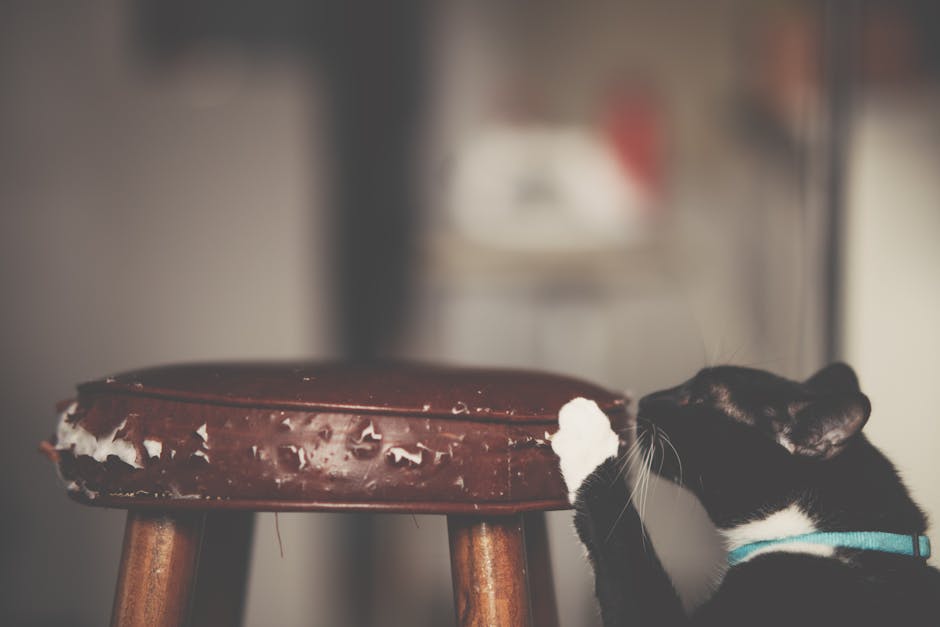
Are you tired of watching your beautiful furniture slowly transform into a feline scratching post? You’re not alone.
Many cat owners struggle with this common issue, feeling frustrated and helpless as their beloved pets turn their living rooms into a battlefield of claw marks. But don’t worry, there’s a solution. Imagine a home where your cat is happy, your furniture remains pristine, and you enjoy peace of mind.
This isn’t just a dream—it’s entirely possible. By understanding your cat’s natural instincts and learning a few simple strategies, you can protect your furniture and keep your cat content. Ready to discover how to create this perfect harmony in your home? Let’s dive in and explore effective ways to stop your cat from scratching furniture once and for all.

Credit: wb-iisg.com
Understanding Cat Scratching Behavior
Understanding why cats scratch is key to protecting your furniture. Cats naturally scratch for several reasons. It is not just a habit. It fulfills essential needs. Let’s delve deeper into this behavior.
Reasons Cats Scratch
Scratching helps cats keep their claws sharp. They remove the outer layer of the claw. It is also a way for them to mark territory. Cats have scent glands in their paws. Scratching leaves both a visible and scent mark.
Another reason is exercise. Scratching stretches their bodies and flexes their feet. It is a form of physical and mental stimulation. Cats feel good and energized after scratching.
Natural Instincts And Needs
Cats have strong natural instincts. Scratching is an innate behavior. They do it even if they have never been outside. It is part of their survival instinct. Scratching helps them stay alert and in control.
Cats also scratch to relieve stress. It is a way to release pent-up energy. It provides comfort in new or changing environments. Understanding these needs helps in managing their behavior.
Choosing The Right Scratching Post
Choosing the right scratching post for your cat is key to preserving your furniture. Cats scratch to mark territory and exercise muscles. So, providing them a dedicated place to scratch keeps them happy and your furniture intact. Let’s dive into the types of scratching posts and how to use them effectively.
Types Of Scratching Posts
Scratching posts come in various shapes, sizes, and materials. Have you ever watched your cat ignore a post? It might not be the right type.
- Vertical Posts:Tall posts mimic tree trunks. They are ideal for cats that love to stretch upwards.
- Horizontal Pads:These are great for cats that prefer scratching carpets.
- Inclined Boards:A mix between vertical and horizontal, they cater to cats with unique scratching styles.
Material matters too. Some cats love the feel of sisal rope, while others prefer cardboard or carpet. Experiment to see what your cat likes best.
Placement And Usage Tips
Where you place the scratching post can determine its success. Have you noticed your cat loves scratching near the couch? Place a post there.
- Position posts near your cat’s favorite spots, like sleeping areas or windows.
- Make sure the post is sturdy. A wobbling post will be ignored.
- Use catnip to attract your cat initially.
Teach your cat to use the post. When you catch them scratching furniture, gently redirect them to the post. Praise them when they use it correctly.
Have you ever considered the post height? Ensure it’s tall enough for a full stretch. This will keep your cat engaged.
What works for your cat? Share your experiences and find what your feline friend truly enjoys. With patience, your furniture can remain scratch-free.
Training Your Cat To Use Scratching Posts
Transform your home by teaching your cat to use scratching posts instead of furniture. Place posts near favorite scratching spots. Encourage your cat with treats and praise to foster the habit.
Training your cat to use scratching posts can protect your furniture. Cats naturally scratch to mark territory and sharpen their claws. Providing a designated area helps them satisfy this instinct. A scratching post attracts your cat away from other surfaces. With the right techniques, your cat will prefer the post over your couch. This training requires patience and dedication.Positive Reinforcement Techniques
Reward your cat when it uses the scratching post. Treats and praise encourage good behavior. Place the post in a location your cat frequents. Show enthusiasm every time your cat interacts with the post. Positive reinforcement builds a strong association between the post and pleasure. This makes your cat more likely to choose the post.Consistency And Patience
Consistency is key when training your cat. Repetition helps your cat understand expectations. Make sure the scratching post is always accessible. Redirect your cat if it scratches furniture. Gently guide it to the post each time. Patience is essential for lasting change. Training takes time, but persistence pays off. Celebrate small victories and continue reinforcing good habits.
Credit: www.wikihow.com
Protecting Your Furniture
Cats love to scratch, but it can harm your furniture. Train your cat with scratching posts. Use deterrent sprays to protect surfaces.
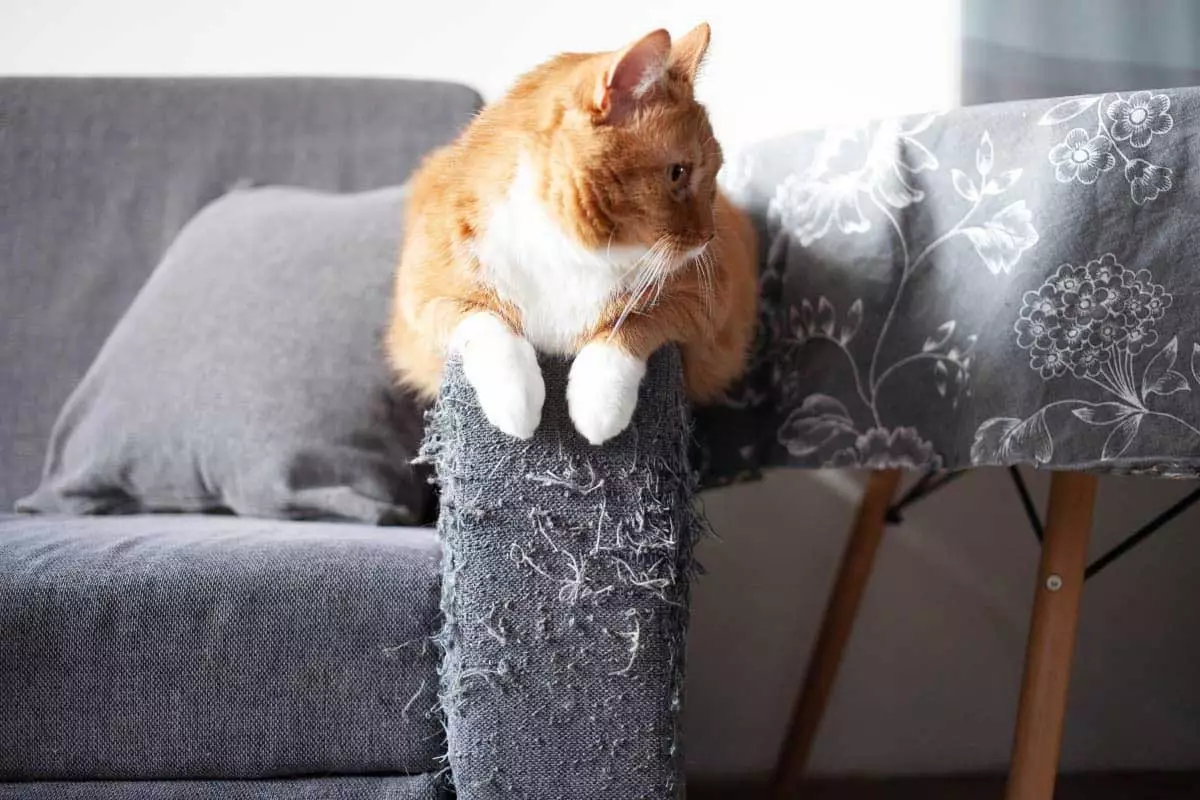
Protecting your furniture from your cat’s sharp claws can seem like an uphill battle. However, with some strategic interventions, you can create a harmonious living space where both your feline friend and your beloved couch coexist peacefully. Understanding why cats scratch is crucial. It’s a natural behavior for them—essential for stretching, marking territory, and keeping their claws sharp. But, how can you channel this instinct away from your furniture? Let’s explore practical solutions.Deterrents And Barriers
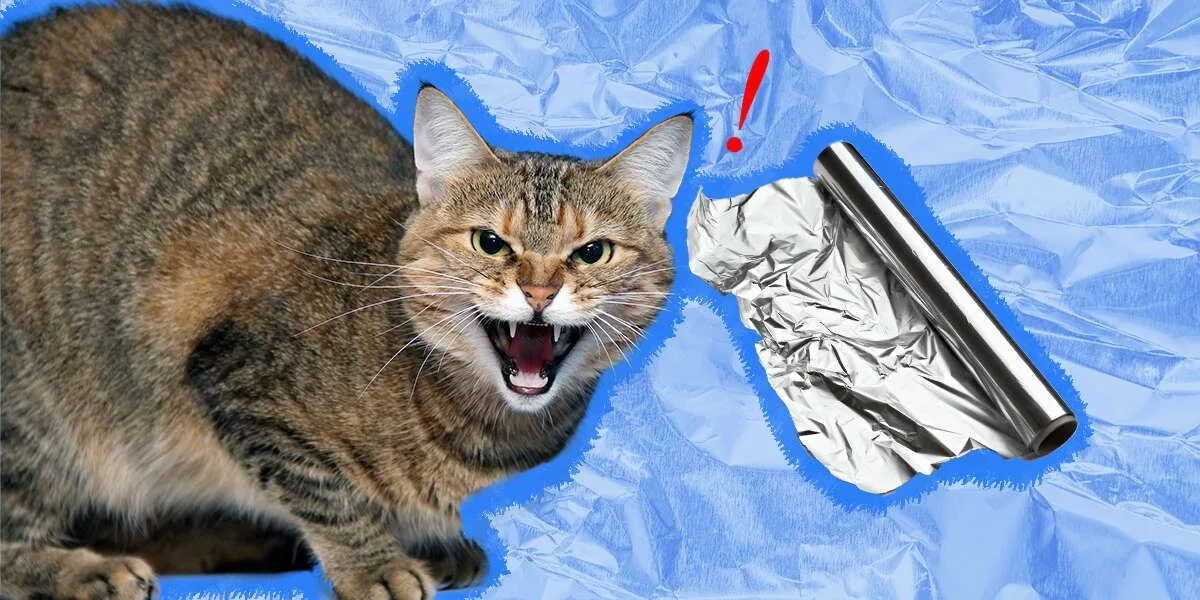
Cats are creatures of habit, but they can be guided toward new behaviors. Using deterrents can be effective. Sprays with citrus scents or commercially available cat deterrent sprays can make furniture less appealing. Cats dislike these smells, and it might just be enough to nudge them away. Have you ever thought about using barriers? Simple solutions like double-sided sticky tape on your furniture can prevent scratching. Cats dislike the sticky sensation, making them think twice about clawing at your sofa. Try placing aluminum foil temporarily on surfaces they frequently scratch. It’s a quick fix that can protect your furniture while you train your cat to use a scratching post instead.Using Covers And Guards
Sometimes, the best defense is a good cover. Furniture covers not only protect against scratches but also against fur and spills. Look for durable, washable materials that fit snugly over your furniture. This way, even if your cat does manage to scratch, the damage is minimal. Furniture guards are another great option. They are clear plastic protectors that adhere to your furniture, providing a barrier against claws. They’re discreet and do not alter the look of your furniture. It’s a solution that keeps aesthetics in mind while offering robust protection. Ultimately, a combination of these methods might be your best bet. Every cat is different, and what works for one may not work for another. Are you ready to try these strategies and see which works best for you and your cat?Alternatives To Declawing
Declawing a cat is often seen as a quick fix. Yet, it can harm your feline friend. Many pet owners seek alternatives to declawing. These options protect furniture while keeping cats happy. Let’s explore these safe alternatives.
Understanding Declawing
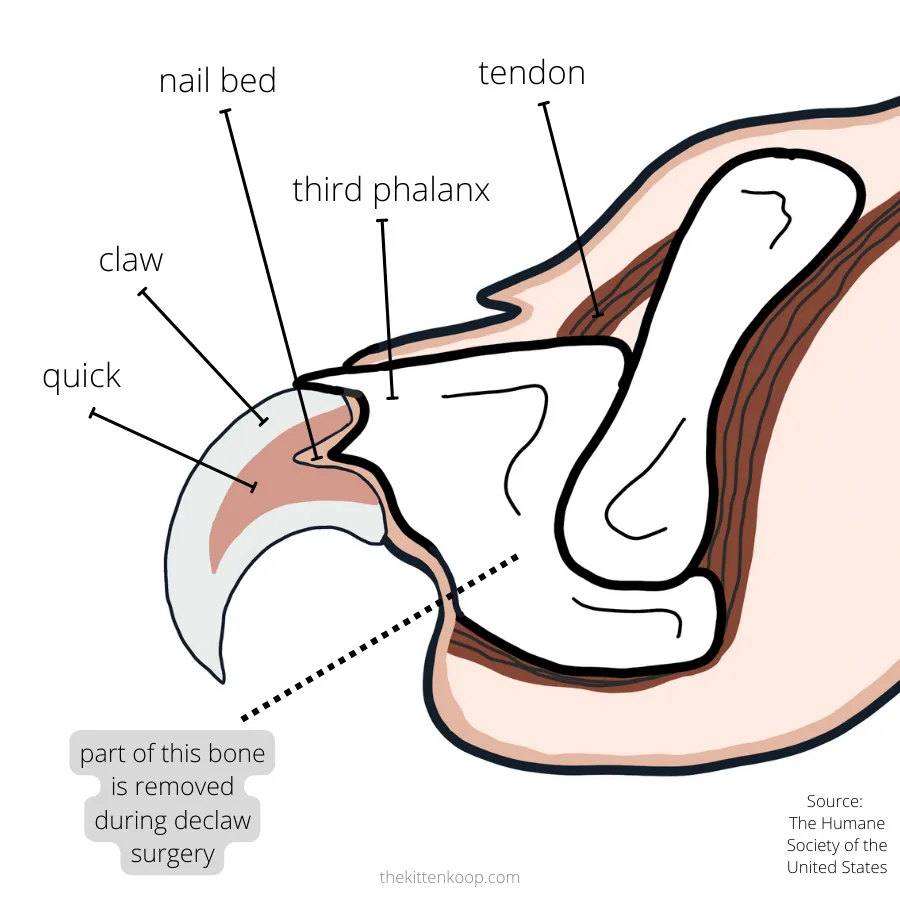
Declawing is not a simple nail trim. It is a surgical procedure. It involves removing the last bone of each toe. This can lead to pain and behavioral changes. Cats may feel defenseless without claws. This procedure can cause lifelong issues.
Safe Alternatives
There are several ways to prevent scratching. Try providing scratching posts. Cats love to scratch. It helps them stretch and mark territory. Scratching posts can redirect this instinct. Make sure they are sturdy and tall.
Consider using claw caps. These are soft plastic covers for your cat’s claws. They are easy to apply and harmless. Claw caps prevent damage without pain. Many cats adapt quickly to them.
Another option is regular nail trimming. Trim your cat’s nails every few weeks. This reduces sharpness and damage potential. Use proper tools and gentle handling. Regular trimming becomes a bonding activity.
Behavioral training also works. Use positive reinforcement to guide your cat. Reward them for using scratching posts. Consistency is key in training. Soon, your cat will prefer posts over furniture.
Incorporating Play And Exercise
Cats scratch furniture out of boredom. Introduce toys and interactive exercises to divert their energy. Use scratching posts to satisfy their natural urge to scratch.
Cats are naturally playful and energetic creatures. By adding play and exercise into their daily routine, you can help redirect their scratching habits away from your precious furniture. When your cat is engaged and satisfied, they are less likely to resort to unwanted behaviors.Importance Of Physical Activity
Physical activity is crucial for your cat’s overall well-being. Just like humans, cats need regular exercise to stay healthy and happy. It helps them burn off excess energy that might otherwise be used to claw at your furniture. A cat that exercises regularly is less likely to be stressed. Stress can often lead to destructive behaviors. By ensuring your cat is physically active, you’re also contributing to their mental health.Interactive Toys And Games
Interactive toys can be a game changer. Think of toys like feather wands or laser pointers. These toys encourage your cat to pounce, chase, and leap, mimicking their natural hunting instincts. Consider setting up a play schedule. Dedicate a few minutes each day to interactive play sessions. This routine can help build a bond between you and your cat while also providing them with the activity they need. Games like hide and seek can also be fun. You can hide treats around your home and let your cat find them. This not only entertains them but also stimulates their mind. Have you ever noticed how a tired cat is a happy cat? By keeping your cat engaged with play and exercise, you’re not just protecting your furniture; you’re also ensuring your furry friend is content and healthy.Consulting A Vet Or Behaviorist
Scratching is a natural behavior for cats. It helps them keep their claws healthy. But when your cat scratches your furniture, it becomes a problem. Consulting a vet or behaviorist can help address this issue. They can provide insights into your cat’s behavior. This can lead to effective solutions.
When To Seek Professional Help
Observe your cat’s scratching patterns. Does it seem excessive? Or is your cat scratching out of stress or anxiety? If the answer is yes, consult a vet. Sometimes, health issues cause unusual scratching. A vet can rule out medical problems. If your cat is healthy, a behaviorist can help. They understand feline behavior deeply.
Behavior Modification Strategies
Behaviorists use various strategies to modify scratching habits. One method is positive reinforcement. Reward your cat for using a scratching post. This encourages desirable behavior. Another strategy is redirection. Distract your cat with toys when they start scratching furniture. Consistency is key in these strategies. Stick to the plan for best results. A professional can guide you through this process.
Credit: blog.homesalive.ca
Frequently Asked Questions
How Do I Get My Cat To Stop Scratching My Furniture?
Provide a scratching post near furniture to redirect your cat’s behavior. Use catnip to attract them. Trim your cat’s nails regularly to reduce damage. Apply double-sided tape or furniture protectors as deterrents. Reward positive behavior with treats when they use the post.
What Scent Keeps Cats From Scratching Furniture?
Cats dislike citrus scents like orange and lemon. Rosemary and lavender also repel them. Use essential oils to deter scratching.
At What Age Do Cats Stop Clawing?
Cats generally claw throughout their lives. Training and providing scratch posts can reduce unwanted clawing behavior.
How Do You Scratch Proof Furniture From Cats?
Use double-sided tape or furniture protectors to deter cats from scratching. Provide scratching posts nearby. Trim your cat’s nails regularly. Use cat deterrent sprays on furniture. Reinforce positive behavior with treats when they use designated scratching areas.
Conclusion
Helping your cat stop scratching furniture is possible with patience. Use scratching posts as alternatives. Reward your cat for using them. Trim your cat’s nails regularly. Consider using cat-safe deterrent sprays on furniture. Cover furniture with protective fabric if needed.
Consistency is key in training. Cats need time to learn new habits. Stay calm and patient throughout the process. Your efforts will pay off with a happy cat. And intact furniture. Enjoy a peaceful home with your feline friend. Remember, every cat is unique.
Find what works best for yours.

Similar Posts