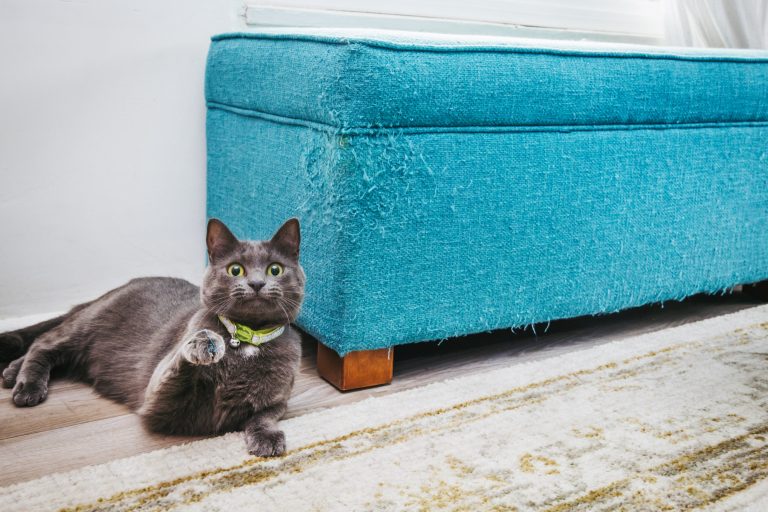
How to Get Cats to Stop Scratching: Proven Solutions
Are you tired of finding your couch shredded to pieces or your favorite chair looking like a cat’s personal scratching post? You’re not alone, and there’s good news: you can reclaim your furniture without resorting to drastic measures.
Imagine a peaceful home where your cat is content, and your furniture remains intact. This isn’t just a dream; it’s entirely possible with the right approach. You’ll discover simple, effective techniques to redirect your cat’s scratching instincts away from your prized possessions.
By understanding what drives your furry friend to scratch, you can create a harmonious living space for both of you. Let’s dive into practical solutions that work, so you can enjoy a happier, scratch-free home.

Credit: propelbikes.com
Understanding Cat Scratching Behavior
Cats are delightful companions, but their scratching can frustrate owners. Understanding why cats scratch helps manage this behavior. Recognizing their natural instincts and needs is key. By understanding their behavior, we can guide them to scratch appropriate items.
Reasons Cats Scratch
Cats scratch for multiple reasons. It’s more than just sharpening claws. Scratching marks their territory. It leaves visual marks and scent from glands in their paws. This behavior communicates their presence to other cats. Scratching also helps remove dead nail layers. Additionally, it provides a great stretch and exercise for their muscles.
Natural Instincts
Scratching is a natural instinct for cats. They inherit this behavior from their wild ancestors. In the wild, cats scratched trees to mark territory and communicate. Domestic cats still carry these instincts. They feel the need to scratch, even in a home environment. Providing outlets for scratching respects their instincts.

Credit: greensafaris.com
Preventive Measures
Cats scratch furniture to mark their territory and sharpen their claws. It’s a natural behavior that can be redirected with the right strategies. Implementing preventive measures can save your furniture and keep your feline friend happy.
Let’s explore how to guide your cat’s scratching habits in a positive direction.
Choosing The Right Scratching Posts
A suitable scratching post can deter furniture damage. Opt for posts that are tall and sturdy. Cats prefer surfaces they can stretch against. Materials like sisal are ideal for scratching. They provide the right texture and durability. Avoid flimsy or unstable posts. They won’t attract your cat’s interest.
Placement For Maximum Use
Position scratching posts where your cat spends most of its time. Near favorite sleeping spots is ideal. Cats love to stretch and scratch after a nap. Place posts near furniture they’ve previously scratched. This helps redirect their behavior. Ensure the post is visible and accessible. Hidden posts are often ignored by cats.
Experiment with different locations until you find the best spot. Your cat’s preferences may vary, so observe their behavior closely.
Training Techniques
Training your cat to stop scratching the furniture can seem like a daunting task. However, with the right techniques, you can guide your feline friend toward better behavior. Cats scratch for various reasons, including marking territory and exercising their claws. Let’s explore effective methods to redirect this natural behavior.
Positive Reinforcement
Rewarding your cat for scratching appropriate surfaces is a powerful technique. Consider using treats or praise whenever your cat uses a scratching post instead of the couch. You might be surprised how quickly they learn to associate the scratching post with positive outcomes. Have you ever noticed how your cat responds to affection or a tasty snack? Use this to your advantage.
Consistency is key. Keep a stash of treats nearby and make it a habit to reward immediately. This reinforces the idea that the scratching post equals rewards. What if you forget the treats one day? Your cat might revert to old habits. Stay consistent to make lasting changes.
Redirecting Scratching
Redirecting your cat’s scratching is another effective strategy. If you catch them clawing the furniture, gently guide them to the scratching post. You can use a toy or a gentle nudge to direct their attention. Have you noticed how cats are drawn to movement? Play with a toy near the scratching post to entice them.
Ensure the scratching post is more appealing than your furniture. Consider placing it near their favorite spots or sprinkling a bit of catnip on it. You might be surprised how quickly your cat gravitates towards the post. What if your cat ignores the post? Try experimenting with different textures or locations.
Remember, patience and understanding are crucial. Every cat is unique, and training takes time. What changes have you noticed in your cat’s behavior so far? Keep observing and adapting your techniques based on their responses. Your furniture can remain intact while your cat stays happy and healthy.

Credit: www.washingtonpost.com
Using Deterrents
Keep cats away from furniture with safe deterrents like double-sided tape or citrus sprays. These methods make surfaces unappealing for scratching. Consistent use helps protect sofas and chairs effectively.
Cats scratching your furniture can be a real headache. But did you know that using deterrents can help reduce this behavior? Deterrents can make your furniture less appealing for scratching, providing a simple solution to preserve your home. Let’s explore some practical methods to keep those claws at bay.Safe Chemical Deterrents
Safe chemical deterrents are a great starting point. These sprays are designed to be unpleasant to cats, encouraging them to stay away from specific areas. They’re non-toxic and safe for both your pets and your furniture. I once tried a citrus-scented spray on my new sofa. The change was instant—my cat seemed uninterested in the couch, opting for her scratching post instead. What scents do your cats dislike? You might find that a simple spray can make a big difference.Physical Barriers
Physical barriers act as a direct obstacle between your cat and your furniture. Items like furniture guards or double-sided tape can be effective. These barriers create a surface that’s uncomfortable for cats to scratch. I used clear plastic protectors on the arms of my favorite chair. It was fascinating to see my cat’s reaction—she pawed at it once and quickly lost interest. This method is not only practical but also affordable. Have you tried any barriers at home? It might just be the solution you’re looking for. Incorporating these deterrents can be a game-changer in your home. They’re easy to apply and can save your furniture from the claws of destruction. So, which deterrent will you try first?Maintaining Claw Health
Preventing furniture scratches by cats involves providing appropriate scratching posts. Regular claw trimming reduces damage. Offering toys and activities keeps cats engaged and away from furniture.
Maintaining claw health is crucial for your cat’s well-being and can significantly reduce furniture scratching. Healthy claws mean fewer urges to scratch excessively. Cats scratch to remove old claw sheaths, stretch, and mark territory. By ensuring your cat’s claws are in good condition, you can help them meet their needs without damaging your home.Regular Claw Trimming
Regular claw trimming is a simple yet effective way to maintain claw health. Trim your cat’s claws every few weeks to prevent them from becoming too sharp or long. This practice reduces the need for your cat to scratch furniture. You don’t need fancy tools; a basic nail clipper or a cat-specific claw trimmer works wonders. Be gentle and patient, ensuring you only trim the sharp tips without cutting into the quick. A friend once shared how she turned claw trimming into a bonding activity with her cat, using treats and gentle strokes. Could this approach work for you too?Alternatives To Declawing
Declawing is a drastic measure with significant consequences for cats. Instead, consider providing scratching posts and pads. These alternatives offer your cat a dedicated place to scratch, preserving your furniture and satisfying their natural instincts. Choose scratching posts with different textures and heights to keep your cat interested. Cardboard, sisal, and carpet-covered posts are popular choices. Additionally, try using claw caps. These small, colorful caps fit over your cat’s claws, preventing damage while allowing natural scratching behavior. They’re easy to apply and often come in fun colors. Next time you’re at the pet store, look for these options. Your cat will thank you, and your furniture will stay intact. Have you considered these alternatives? It might be time to try something new.Creating A Cat-friendly Environment
Stopping cats from scratching furniture involves creating a cat-friendly space. Offer scratching posts to divert their attention. Use double-sided tape on furniture to deter scratching.
Creating a cat-friendly environment can help protect your furniture. Cats need to scratch. It’s a natural behavior. Providing the right setup can redirect their scratching habits. This approach keeps your home harmonious.Engaging Toys
Toys can keep your cat entertained. Interactive toys capture their attention. Wand toys mimic prey. They trigger your cat’s hunting instincts. Puzzle toys challenge their minds. They keep your cat busy for hours. Rotate toys regularly. This keeps things fresh and exciting. Avoid boredom with new experiences.Comfortable Resting Spots
Cats love cozy spots to relax. Provide soft beds in quiet areas. High perches offer safety. They give a view of the room. Window seats are another great option. Cats enjoy watching the world outside. Make these spots inviting. Use soft blankets or cushions. Your cat will choose them over your sofa.Frequently Asked Questions
How Do I Get My Cat To Stop Scratching My Furniture?
Provide a scratching post near your furniture. Use cat deterrent sprays or double-sided tape on surfaces. Trim your cat’s nails regularly. Reward your cat with treats when they use the scratching post. Cover furniture with protective covers temporarily.
At What Age Do Cats Stop Clawing?
Cats typically stop clawing excessively around 1 to 2 years of age. Regular clawing is natural for exercise and marking territory. Provide scratching posts and train them early to minimize unwanted clawing.
How To Punish A Cat For Scratching A Couch?
Redirect your cat’s behavior by using a scratching post. Praise and reward positive behavior. Distract with toys when it starts scratching the couch. Use double-sided tape or deterrent spray on the couch. Avoid physical punishment, as it can harm the relationship with your cat.
What Scent Keeps Cats From Scratching Furniture?
Cats dislike citrus scents like orange, lemon, and lime. Essential oils like lavender and eucalyptus can also deter them. Spraying diluted solutions on furniture helps keep cats from scratching.
Conclusion
Stopping cats from scratching furniture takes patience and smart strategies. Use scratch posts. Offer toys to keep them busy. Make furniture less appealing for claws. Spray deterrents work well. Trim cat nails regularly. Soft paws can be a good option.
Praise them when they scratch the right spot. Consistency is key. Protect your furniture and keep your cat happy. Try different methods to see what works best. Every cat is unique. Find their favorite solution and enjoy a scratch-free home.
Happy cat, happy home.