How to Make Cats Not Scratch Furniture: Effective Tips
Are you tired of finding your beloved furniture covered in scratches? Do you wish there was a way to keep your furry feline from turning your sofa into their personal scratching post?
You’re not alone. Many cat owners face the daily challenge of keeping their furniture safe while ensuring their pets have their needs met. The good news? There’s a solution that doesn’t involve banishing your cat from the living room. Imagine walking into your home and seeing your beautiful furniture scratch-free, with your cat contently playing with their designated toys.
Sounds like a dream, right? You’ll discover simple, effective techniques to redirect your cat’s scratching instincts. You’ll learn why cats scratch and how you can use this knowledge to your advantage. So, if you’re ready to reclaim your home without compromising on your cat’s happiness, keep reading. We’ve got the tips you need to create a harmonious space for both you and your feline friend.

Credit: propelbikes.com
Understanding Cat Behavior
Cats are intriguing creatures with unique behaviors. To prevent furniture scratching, understanding their behavior is crucial. They don’t scratch out of spite. It’s a natural part of their life. Recognizing why they scratch helps in addressing the issue effectively. Let’s dive into the reasons behind this feline habit.
Natural Instincts
Cats have a natural instinct to scratch. It’s an essential part of their lives. Scratching helps them mark territory. It leaves both visual and scent marks. This behavior is a way of communicating with other animals. Cats also scratch to exercise and stretch their bodies. It keeps their claws sharp and healthy. These instincts are hardwired. Understanding them helps in managing their habits.
Reasons For Scratching
Various reasons exist for cat scratching. Stress relief is a major one. Scratching offers them a way to release pent-up energy. Boredom can lead to excessive scratching. Providing toys can help reduce this. Scratching also provides a sense of security. Cats feel more at ease after marking their territory. It’s a fundamental behavior in their daily routine. Recognizing these reasons can guide effective solutions.
Choosing The Right Furniture
Choosing the right furniture plays a crucial role in preventing your cat from scratching. Selecting pieces that resist scratching can save time and money. It also keeps your home looking neat and stylish. Let’s dive into what materials and designs work best for cat owners.
Scratch-resistant Materials
Opt for fabrics like microfiber and leather. Microfiber is tightly woven, making it hard for claws to catch. Leather is tough and smooth, less tempting for a cat’s claws. Avoid materials like linen and velvet. These are easy for cats to damage.
Wood furniture also requires careful consideration. Hardwoods such as oak or maple are more durable. They withstand scratching better than softwoods. A protective finish can also help protect the wood from claw marks.
Design Features To Consider
Choose furniture designs that minimize exposed surfaces. Pieces with metal or wooden legs are less appealing to cats. Avoid furniture with intricate, exposed details. Cats find these inviting to scratch.
Consider pieces with removable and washable covers. This makes cleaning easier if your cat scratches. Look for items with rounded edges. These are less tempting for cats compared to sharp corners.
Investing in sturdy furniture can deter scratching. Flimsy pieces may wobble and invite cats to test them. Solid construction can be less attractive to curious cats.
Providing Alternatives
Cats love to scratch. It’s instinctual and important for their health. But scratched furniture can be frustrating. Providing alternatives can save your furniture. Let’s explore how to offer suitable alternatives.
Types Of Scratching Posts
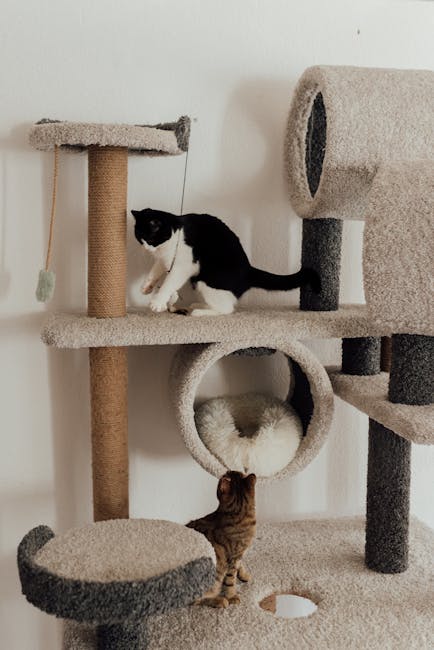
Scratching posts come in many styles. Vertical posts are popular. Cats like to stretch when they scratch. Horizontal scratchers are also available. Some cats prefer them. Cardboard scratchers offer a budget-friendly option. Sisal rope posts are durable and well-liked. Choose a variety to see what your cat prefers.
Placement Strategies
Where you place scratching posts matters. Place them near your cat’s favorite spots. Near a window is a good idea. Cats scratch after waking up. Place a post near their bed. Living rooms are common scratching places. Add a post there too. Experiment with different locations. Find where your cat likes to scratch.
Training Techniques
Training your cat to not scratch furniture requires patience and consistency. Cats naturally scratch to mark territory and sharpen claws. Understanding this behavior can help in training. Techniques focus on encouraging desirable behavior and discouraging unwanted actions. Let’s explore effective methods for teaching cats to keep claws away from your couch.
Positive Reinforcement
Reward your cat when they scratch approved surfaces. Use treats or affection immediately. This reinforces good behavior. Cats respond well to positive reinforcement. It builds trust and encourages repeat actions. Be consistent with rewards to establish patterns. Praise your cat when they use scratching posts. It strengthens the connection between action and reward.
Redirecting Behavior
Guide your cat’s attention to appropriate scratching items. Offer scratching posts near favorite spots. Use toys to draw interest to these areas. Cats often scratch in familiar places. Redirect this habit with enticing alternatives. Provide various textures and heights for scratching posts. Variety attracts cats and reduces furniture damage.
Using Deterrents
Scratching is a natural behavior for cats, but it can be frustrating when your furniture bears the brunt of their claws. You might wonder if there’s a way to keep your sofa safe without resorting to drastic measures. Using deterrents can be an effective strategy to redirect your cat’s scratching habits. Let’s explore some practical approaches.
Safe Repellents
Have you ever considered using safe repellents? These can be sprays or scents that discourage your cat from approaching your furniture. Cats are often deterred by citrus scents, so a spray infused with orange or lemon can be effective.
Place the spray on the areas your cat frequently scratches. Avoid spraying directly on your cat, and opt for natural products to ensure safety. It might take some trial and error to find a scent that your cat dislikes, but persistence pays off.
One cat owner shared that their feline friend hated the smell of lavender. After applying a lavender-based spray on the couch, the cat avoided it like the plague. Could a simple spray be the answer for your furniture?
Protective Covers
Think about using protective covers. These are not just for sofas but can be adapted to fit any piece of furniture. A durable, scratch-resistant cover can act as a barrier between your cat’s claws and the fabric.
Many covers are designed to be aesthetically pleasing and blend seamlessly with your decor. Choose materials that are easy to clean and withstand wear and tear. This way, you protect your furniture without sacrificing style.
One interesting insight came from a reader who used double-sided tape on a cover. The sticky sensation deterred their cat from scratching. Have you tried innovative solutions like this?
In your quest to protect your furniture, combining repellents with protective covers can yield impressive results. Think creatively and adjust based on your cat’s reactions. What deterrent will you try first?

Credit: www.wb-iisg.com
Regular Nail Care
Regular nail care is a crucial step in preventing your cat from using your furniture as a scratching post. It’s an often overlooked aspect of pet care, but it can make all the difference. By keeping your cat’s nails trimmed and well-maintained, you minimize their need to scratch excessively on your beloved sofa or chairs.
Clipping Techniques
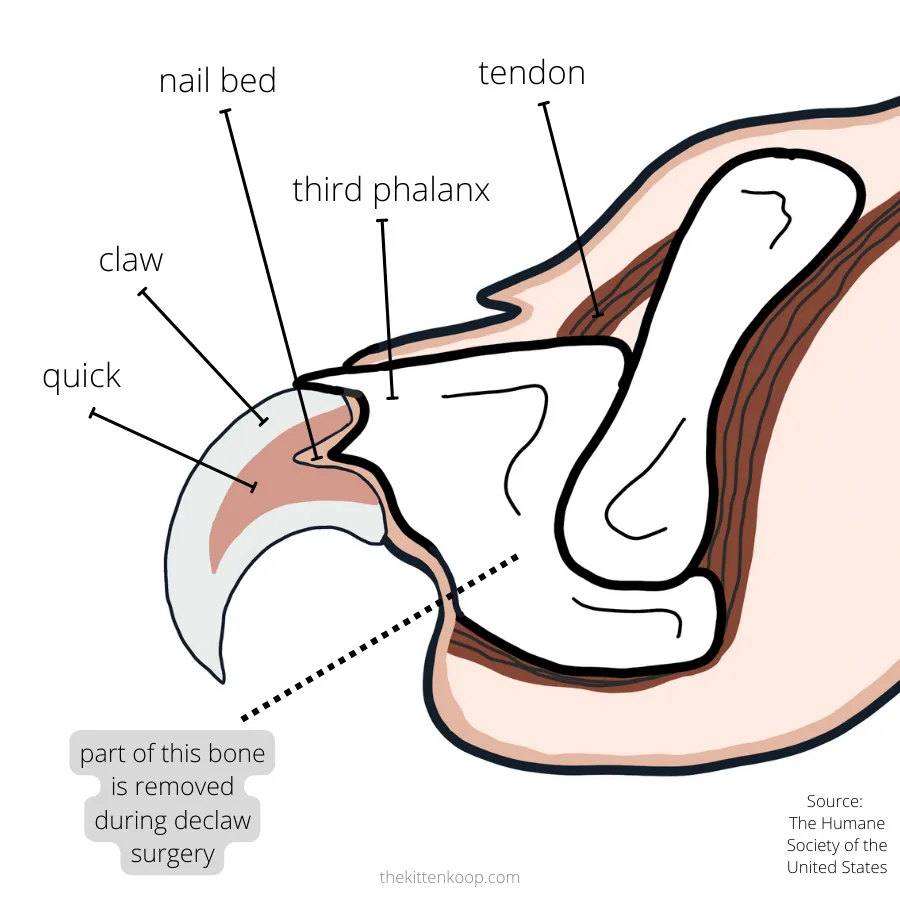
Clipping your cat’s nails might seem daunting, but with the right technique, it can be straightforward. Start by gently holding your cat’s paw and pressing lightly to extend the claws. Use a pet-safe nail clipper, and trim just the sharp tip of the claw, avoiding the quick—a pink area that contains nerves and blood vessels.
Consider doing this task when your cat is relaxed, perhaps after a meal. If your cat struggles, try clipping one or two nails at a time and then take a break. Consistency is key, and with patience, both you and your cat can become more comfortable with this routine.
Benefits Of Nail Caps
Nail caps are small, soft covers that fit over your cat’s claws and can be a great alternative to declawing. They come in various sizes and colors, offering both functional and aesthetic benefits. Once applied, they prevent cats from causing damage when they scratch.
Applying nail caps is a simple process that can be done at home or by a vet. They usually last for four to six weeks, giving you peace of mind without affecting your cat’s natural behavior. Have you tried using nail caps for your cat? They might just be the solution you’re looking for to save your furniture.
Regular nail care can truly transform your home environment. Imagine a world where your cat happily plays without leaving a trail of shredded upholstery. It’s possible with just a bit of effort and attention. Are you ready to embrace the change?
Creating A Cat-friendly Environment
Cats often scratch furniture, but providing scratching posts can help redirect this behavior. Place posts near favorite spots and encourage use with catnip. Cover furniture with protective materials to minimize damage.
Creating a harmonious space for your feline friend reduces furniture scratching. Cats scratch for many reasons. It’s natural for them. They scratch to mark territory, stretch, and maintain their claws. Providing an environment that caters to these needs is crucial. A cat-friendly environment can prevent unwanted scratching.Enrichment Activities
Keep your cat entertained with enrichment activities. Offer toys that mimic prey. Feather wands and laser pointers engage their hunting instincts. Interactive toys stimulate their mind. Rotate toys regularly to maintain interest. Scratching posts are essential. Place them near furniture. Encourage use with catnip or treats. This diverts attention from your couch.Stress Reduction
Stress can lead to destructive behavior. Create a calm atmosphere for your cat. Designate quiet areas in your home. Allow your cat to retreat there. Maintain a consistent routine. Feed and play at the same time daily. Familiarity reduces anxiety. Consider pheromone diffusers. They mimic calming scents. A stress-free cat scratches less.
Credit: www.amazon.com
Frequently Asked Questions
How Do I Get My Cat To Stop Clawing My Furniture?
Train your cat by providing scratching posts near furniture. Use catnip to attract them. Trim their nails regularly. Use deterrent sprays on furniture. Reward them with treats for using the posts.
Can Cats Be Trained Not To Scratch Furniture?
Yes, cats can be trained not to scratch furniture. Use scratching posts and positive reinforcement techniques. Redirect their attention to appropriate surfaces. Consistent training and patience are key. Trim their nails regularly to reduce damage. Offer rewards and praise for using scratching posts.
How Do You Scratch Proof Furniture From Cats?
Protect furniture from cat scratches by using scratch-proof covers. Provide scratching posts nearby. Trim your cat’s nails regularly. Apply deterrent sprays on furniture surfaces. Consider using double-sided tape as a temporary measure.
How To Punish A Cat For Scratching A Couch?
Redirect your cat’s attention with toys or a scratching post. Use a deterrent spray on the couch. Reward your cat for using appropriate scratching surfaces. Keep nails trimmed to reduce damage. Never use physical punishment, as it harms trust and causes stress.
Conclusion
Training cats not to scratch furniture takes patience. Start with positive reinforcement. Offer scratching posts close to favorite spots. Use deterrent sprays on furniture. Trim your cat’s nails regularly. Keep playtime engaging. Redirect scratching behavior gently. Reward good behavior with treats.
Protect furniture with covers if needed. Gradually, habits will change. Stay consistent with these strategies. Your cat will learn new habits. Both you and your furniture will benefit. Enjoy a peaceful home without scratched surfaces. Cats can adapt well with guidance.
Keep encouraging them daily. Happy cats, happy home!

Similar Posts