How to Keep Cats from Scratching Furniture: Proven Tips
Are you tired of finding your furniture in tatters, courtesy of your feline friend? You’re not alone.
Many cat owners face the same challenge. Scratching is a natural behavior for cats, but that doesn’t mean your couch has to suffer. Imagine a home where your beloved pet and your prized furniture coexist peacefully. Sounds like a dream, right?
But it doesn’t have to be. We’ll explore practical and effective strategies to keep your cat from scratching your furniture. By the end of this post, you’ll have the tools you need to protect your home while keeping your cat happy and healthy. Dive in to discover the secrets to a scratch-free home!
Credit: blog.homesalive.ca
Understanding Cat Scratching Behavior
Understanding why cats scratch furniture can help manage this behavior. Scratching is a natural part of a cat’s life. It is not a sign of bad behavior. Let’s explore the reasons behind this habit.
Reasons Cats Scratch
Cats scratch for several reasons. They need to sharpen their claws. It keeps them in top shape. Scratching is also a way to mark their territory. Cats have scent glands in their paws. Scratching leaves their scent on the scratched surface. This behavior makes them feel secure. It signals to other animals that this is their space. Scratching is also a way for cats to stretch their bodies. After a long nap, they need to stretch and scratch. It helps keep them agile and fit.
Natural Instincts
Scratching is a natural instinct for all cats. Wild cats scratch trees and logs. They do this to keep their claws sharp. Domestic cats have the same instincts. Furniture often becomes a target due to its texture. It feels similar to tree bark. Cats are hardwired to scratch. This behavior is part of their survival instinct. It helps them stay prepared for any situation.
Choosing The Right Scratch Alternatives
Cats love to scratch. It helps them stretch and keep their claws sharp. But this behavior can damage furniture. Providing the right alternatives can save your couch and keep your cat happy. Discover how to choose the right scratching alternatives that appeal to your feline friend.
Types Of Scratching Posts
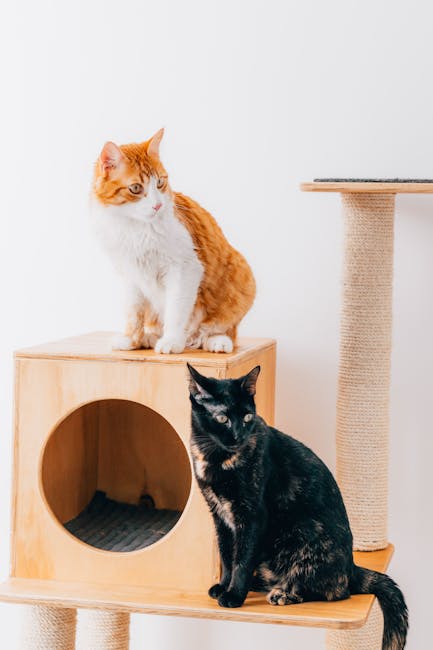
Scratching posts come in various shapes and sizes. Vertical posts mimic tree trunks, which cats love. Horizontal scratchers are great for cats that prefer to scratch carpets. Some posts combine both vertical and horizontal surfaces. Consider multi-level scratching towers. They offer climbing fun and scratching options.
Material Considerations
Material choice matters in scratch post selection. Sisal rope or fabric is durable and satisfying for cats. Cardboard scratchers are inexpensive and disposable. Carpeted scratchers resemble home flooring, attracting cats. Always ensure stability. A wobbly post won’t get much use. Check the texture. It should be rough enough to engage your cat.
Placement Of Scratch Posts
Place scratch posts near your cat’s favorite spots to keep furniture safe. Cats love scratching after waking up or eating. Offer varied textures and heights to satisfy their needs.
Keeping your feline friend from turning your beloved furniture into a scratching post is a common challenge for cat owners. The strategic placement of scratch posts can play a pivotal role in preserving your home while keeping your cat happy. When you place these posts thoughtfully, you ensure that your cat has a designated area to satisfy its scratching instincts without damaging your furniture.Strategic Locations
Choosing the right spot for a scratch post is crucial. Cats often scratch near the areas they spend most of their time, like their sleeping zone or near windows where they enjoy the view. Place scratch posts close to these favorite hangouts. This makes them more appealing to your cat. Consider the traffic flow in your home. High-traffic areas might not be the best choice if your cat prefers quiet spots.Encouraging Usage
Once you’ve placed the scratch post, the next step is encouraging your cat to use it. Sometimes, simply placing the post isn’t enough. You need to make it attractive. Sprinkle some catnip on the post to draw your cat’s attention. This can create an immediate interest. Try rewarding your cat when it uses the post. A small treat can reinforce positive behavior. Move scratch posts temporarily next to the furniture your cat targets. Gradually, your cat may shift its focus from furniture to the scratch post. Remember, your cat’s preferences matter. Pay attention to the feedback your feline gives. If a post remains unused, perhaps the location isn’t right. Have you ever noticed your cat ignoring a post completely? Maybe it’s time to rethink its placement. By understanding your cat’s behavior and adjusting accordingly, you can protect your furniture and keep your cat content.
Credit: www.embassyofpakistanusa.org
Training Techniques For Cats
Stopping cats from scratching furniture involves using training techniques like providing scratching posts. Placing these near favorite spots can redirect their behavior. Rewarding positive actions with treats encourages them to choose the post over your sofa.
Training Techniques for Cats Training your cat to avoid scratching your furniture can be a rewarding challenge. By focusing on positive reinforcement and redirecting behavior, you can help your cat learn where to scratch and where not to. Let’s explore some effective techniques that can turn your home into a more harmonious space.Positive Reinforcement
Cats respond well to positive reinforcement. When your cat scratches a designated scratching post instead of your couch, reward them with a treat or some affection. This encourages them to repeat the behavior. Consistency is key. Make sure to reward your cat immediately after the desired action. It helps them connect the good behavior with the reward. Have you ever noticed your cat responding to your voice? Use verbal praise as an additional reward. A cheerful “Good kitty!” can work wonders.Redirecting Behavior
If your cat starts scratching the furniture, calmly redirect them to the scratching post. Gently pick them up and place them in front of it. Make the scratching post appealing. Sprinkle some catnip on it or dangle a toy to draw their attention. The goal is to make the post more attractive than your sofa. Observe your cat’s scratching habits. Do they prefer certain textures or spots? Use this information to choose the right type of scratching post. Have you tried using deterrent sprays on your furniture? These can make the surface less appealing to your cat, further encouraging them to use the scratching post. What techniques have you found most effective with your cat? Share your experiences in the comments below and let’s learn from each other!Protecting Your Furniture
Cats have an instinct to scratch. It’s how they maintain their claws. Unfortunately, your furniture often bears the brunt. Protecting your furniture is essential. It saves your home from damage while keeping your cat happy. Explore effective strategies to protect your beloved pieces.
Using Covers And Protectors
Covers shield your furniture from scratches. They are easy to use. Slip them over sofas and chairs. Choose heavy-duty materials. Thick fabrics resist sharp claws. Quilted covers add a layer of protection. They also look stylish. Available in various colors, they match your decor.
Furniture protectors offer another solution. Plastic shields fit on edges and corners. They are transparent. Cats find them hard to scratch. They blend seamlessly with your furniture. Ensure protectors are securely attached. Loose fittings may encourage curious cats.
Applying Cat Deterrents
Cat deterrents can stop unwanted scratching. Spray repellents keep cats away. They use scents unpleasant to cats. Apply them to furniture surfaces. Be consistent for best results. Make sure sprays are pet-safe. Avoid harmful chemicals.
Sticky tapes are another option. Cats dislike the feel of adhesive. Place tape on trouble spots. It discourages scratching. Tapes are easy to apply and remove. They don’t damage furniture. Choose clear tapes for a discreet look. Reapply regularly as needed.
Maintaining Cat Health And Happiness
To keep cats from scratching furniture, offer scratching posts or pads. Use materials like sisal or cardboard. Position them near favorite scratching spots to encourage use.
Maintaining Cat Health and Happiness Keeping your feline friend healthy and happy is crucial to prevent them from scratching furniture. A content cat is less likely to engage in destructive behavior. You can achieve this by ensuring they have a stimulating environment and plenty of opportunities for physical activity.Providing Enrichment
Cats need mental stimulation to stay happy. Consider adding scratching posts or interactive toys to their environment. My cat, Whiskers, stopped clawing at my couch after I introduced a scratching post by the window. Place it near areas they frequent. A variety of textures and materials can cater to their preferences. What new toys or items could you try today?Ensuring Physical Activity
Physical activity is vital for a cat’s well-being. Encourage playtime with feather wands or laser pointers. I noticed a significant drop in my cat’s furniture-scratching habits after dedicating ten minutes daily to active play. Cats enjoy chasing and pouncing. Regular play reduces excess energy that may otherwise be directed at your beloved sofa. Are you ready to make playtime a daily ritual with your cat? Investing in your cat’s health and happiness can save your furniture and deepen your bond with your pet. How do you plan to keep your cat entertained and active?When To Seek Professional Advice
Consider professional advice if your cat continues to scratch despite trying various solutions. Persistent scratching might indicate underlying issues. An expert can provide tailored strategies to protect your furniture.
Cats are lovely companions, but their scratching habits can turn your furniture into shreds. Sometimes, despite trying every trick in the book, your cat continues to claw away. It’s important to recognize when it’s time to seek professional advice. Getting expert help could save your furniture and your relationship with your furry friend.Signs Of Persistent Problems
If your cat’s scratching seems relentless, it’s time to take note. You might have tried numerous deterrents and scratching posts, but nothing seems to work. Is your cat damaging multiple pieces of furniture? Are they ignoring the alternatives you’ve provided? These are clear signs that the problem might be more than just habit. Additionally, consider if your cat’s behavior has changed recently. Are they scratching more aggressively or frequently? Changes in behavior can indicate stress or health issues. If these signs sound familiar, it might be time to consult a professional.Consulting A Veterinarian
Visiting a veterinarian can provide insights you might not have considered. They can rule out medical issues that could be causing your cat’s behavior. Sometimes, pain or discomfort leads to increased scratching. A vet can check if there’s an underlying health condition at play. Moreover, they can offer advice on behavioral solutions and may recommend a cat behaviorist if needed. Don’t hesitate to ask questions and share your observations. Have you noticed any other behavior changes? Is your cat eating less or hiding more? Sharing these details can guide the vet to a better understanding of your cat’s needs. Taking these steps can make a significant difference. You might find a solution you hadn’t thought of before, ensuring a happier life for you and your cat.:strip_icc()/keep-cat-from-scratching-carpet-554831_final-a8dcf3bb9e3b4c269259604c244f42d5.png)
Credit: wb-iisg.com
Frequently Asked Questions
How Do I Get My Cat To Stop Scratching The Couch?
Redirect your cat’s attention to a scratching post nearby. Use catnip to make the post appealing. Trim your cat’s claws regularly. Cover the couch with a protective fabric. Reward your cat when it uses the scratching post instead of the couch.
What Scent Will Keep Cats From Scratching?
Citrus scents like orange, lemon, and lime deter cats from scratching. Cats dislike these strong smells. Using essential oils or peels can be effective. Ensure the scent is applied safely, avoiding direct contact with the cat’s skin.
What Is The Best Homemade Spray To Stop Cats From Scratching Furniture?
Create a homemade spray using equal parts water and vinegar. Add a few drops of citrus essential oil. Shake well and spray on furniture. Cats dislike the smell, deterring them from scratching. Always test on a small area first to ensure it won’t damage the fabric.
How Do You Scratch Proof Furniture From Cats?
Protect furniture by using scratch-resistant covers or double-sided tape. Trim cat claws regularly to minimize damage. Offer scratching posts to redirect their behavior. Use deterrent sprays on furniture surfaces to discourage scratching. Maintain consistent training to reinforce positive habits.
Conclusion
Keeping cats from scratching furniture requires patience and consistency. Provide them with scratching posts. Place these near the furniture they scratch. Reward them when they use the posts. Use deterrent sprays to protect your furniture. Trim their nails regularly to reduce damage.
Cover furniture with protective covers if needed. Engage them with toys to distract them. Consistent training and attention make a big difference. Show them love and care. Your efforts will help maintain a happy home. Cats need time to adapt, so stay patient.
A scratch-free home is possible with these simple steps.