How to Deter Cat Scratching Furniture: Proven Strategies
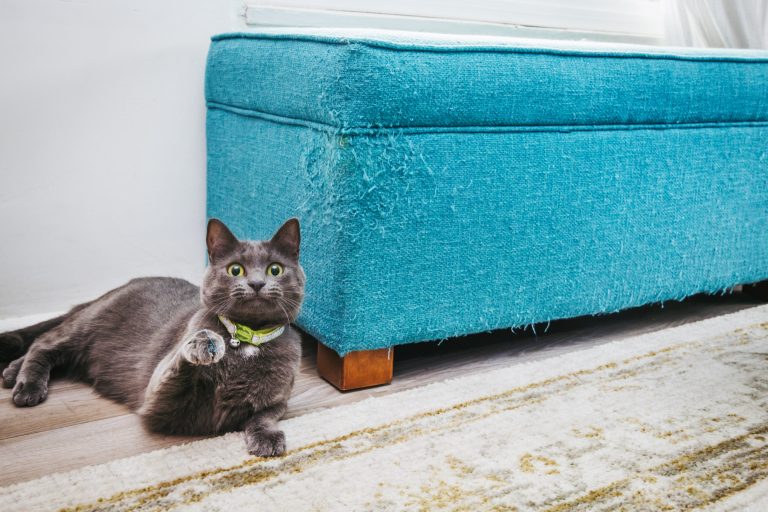
Are you tired of finding your furniture shredded by your cat’s claws? You love your feline friend, but those scratches on your couch are driving you up the wall.
You’re not alone—many cat owners face this dilemma. But here’s the good news: you can protect your furniture and keep your cat happy at the same time. Imagine a world where your sofa remains pristine, and your cat is content and stress-free.
Intrigued? Read on to discover simple, effective strategies to deter cat scratching and preserve your home’s elegance. Your furniture—and your peace of mind—will thank you.

Credit: www.naturesmiracle.com
Understanding Cat Scratching Behavior
Understanding why cats scratch is key to preventing damage to furniture. Cats scratch for several reasons. It’s not just a random act. Knowing these reasons helps in addressing the behavior effectively. Let’s explore the underlying causes and instincts behind cat scratching.
Reasons Cats Scratch
Cats scratch to mark their territory. They have scent glands in their paws. Scratching leaves behind a scent. This communicates ownership to other animals. Scratching also helps to remove dead outer layers of their claws. This keeps their claws healthy and sharp. It provides a form of exercise as well. Stretching their bodies and paws feels good to them.
Natural Instincts And Needs
Scratching is a natural instinct in cats. It is not just a habit. They have an innate need to scratch. This behavior is deeply rooted in their genetics. Scratching allows them to express their emotions. It can be a sign of happiness or stress relief. Cats scratch as part of their daily routine. This fulfills their physical and psychological needs.

Credit: www.amazon.com
Choosing Suitable Scratching Alternatives
Choosing suitable scratching alternatives is essential if you want to preserve your furniture from your cat’s natural urge to scratch. Cats scratch to mark territory, stretch, and maintain their claws. So, providing them with appropriate outlets for this behavior can make all the difference. But how do you pick the right scratching post? And once you’ve found it, where should you place it? Let’s dive into some practical tips that can save your furniture and make your furry friend happy.
Types Of Scratching Posts
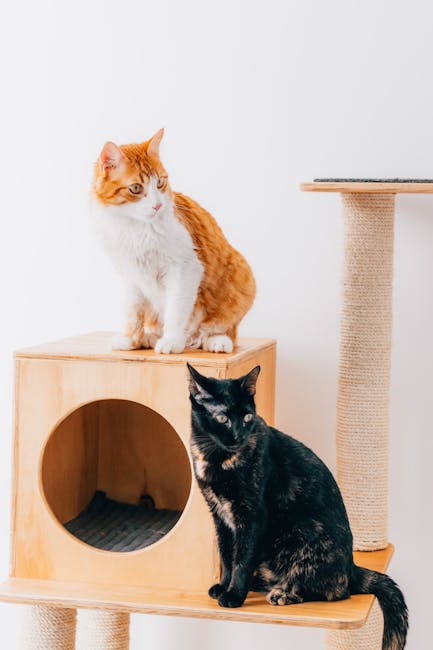
Scratching posts come in various shapes, sizes, and materials. It’s crucial to choose one that your cat will love to use. Consider options like:
- Sisal Rope Posts:Durable and satisfying for a cat’s claws.
- Carpeted Posts:Mimics the texture of your living room carpet.
- Cardboard Scratchers:Economical and often preferred by many cats.
- Vertical Towers:Perfect for cats that love a good stretch.
- Horizontal Boards:Great for older cats or those with joint issues.
Have you noticed your cat scratching the arm of your sofa more than anything else? That’s a clue! Choose a post that mimics the texture they prefer.
Placement Tips
Where you place the scratching post can be as important as the type you choose. You want to make it convenient for your cat.
- Near Favorite Furniture:Place posts next to items your cat already loves to scratch.
- High Traffic Areas:Cats often scratch when they’re excited. Put posts where they frequently pass by.
- Near Sleeping Spots:Cats like to stretch and scratch after napping.
If you’ve ever noticed your cat scratching after a nap, try putting a post near their bed. Make the post a part of their daily routine.
What happens if your cat ignores the new post? Try sprinkling a bit of catnip on it or use a toy to entice them. Placement and type can make a difference, but sometimes a little encouragement goes a long way.
Choosing and placing the right scratching post is a simple yet effective way to protect your furniture. What kind of scratching post does your cat prefer? Have you tried changing its location for better engagement?
Training Your Cat
Training your cat to avoid scratching furniture is a smart move. Cats are naturally inclined to scratch. It’s part of their nature, but it can be redirected. Focus on positive reinforcement and redirecting behavior. These techniques can help guide your cat’s actions.
Positive Reinforcement Techniques
Reward your cat when it uses a scratching post. Praise can work wonders. Treats are a great motivator. Offer a treat when your cat scratches the right spot. Use a gentle voice to encourage them. This builds a positive association with the scratching post.
Consistency is key. Make sure rewards are given promptly. This helps your cat understand the connection. Over time, your cat will prefer scratching the post. Avoid punishing them for scratching furniture. Focus on rewarding the right behavior.
Redirecting Scratching Behavior
Place scratching posts near favorite furniture pieces. This helps redirect your cat’s scratching instincts. If your cat starts scratching the couch, guide them to the post. Use a toy to lead them. Cats love interactive toys. They can distract and redirect their attention.
Try different types of scratching posts. Cats have preferences. Some like vertical posts, others prefer horizontal ones. Experiment to find your cat’s favorite type. Ensure the post is stable. Wobbly posts can discourage use. Make it appealing with catnip or toys.
Patience is essential. Behavior change takes time. Stay committed to training your cat. Your furniture will thank you!
Protecting Furniture
Cats often scratch furniture to mark territory or stretch. Providing scratching posts near furniture can redirect this behavior. Covering furniture with protective materials like slipcovers or double-sided tape may also deter scratching.
Protecting your furniture from cat scratching is a common challenge many pet owners face. It’s not just about preserving the look of your living room; it’s about creating harmony in a home shared with your feline friend. With a few strategic choices, you can keep your furniture looking great without sacrificing your cat’s happiness.Using Furniture Covers
Furniture covers are a practical solution that can save both time and frustration. They come in various materials and styles, allowing you to match them with your home decor. Opt for durable fabrics like denim or canvas that can withstand sharp claws. A friend of mine swears by using quilted covers, noting they’re easy to wash and replace. This makes them not only a shield but also a stylish addition to your home. Consider covers with elastic edges for a snug fit, ensuring your cat doesn’t easily pull them off.Applying Deterrent Sprays
Deterrent sprays can be a game-changer in keeping your furniture scratch-free. These sprays contain scents that cats find unpleasant, like citrus or lavender. Applying them regularly can train your cat to avoid certain spots. I once tested a citrus-scented spray on the corner of my couch. To my surprise, my cat steered clear almost immediately. Be consistent with the application, and over time, your cat will learn where not to scratch. Do you have a particular piece of furniture that’s frequently targeted? Try focusing your efforts there first. With patience and the right approach, you can protect your furniture and maintain a peaceful home for both you and your feline companion.Diy Solutions
Prevent cats from scratching furniture with easy DIY solutions. Use double-sided tape or aluminum foil on furniture surfaces. Offer scratching posts nearby as an alternative.
Are you tired of your cat using your new sofa as a scratching post? You’re not alone! Many pet owners face the challenge of keeping their furniture safe from those sharp claws. The good news is, there are simple DIY solutions that can help you redirect your cat’s scratching behavior. By crafting homemade scratching posts and deterrent barriers, you can protect your furniture and keep your furry friend happy.Creating Homemade Scratching Posts
One of the easiest ways to deter cats from scratching furniture is to offer them a better alternative. Think about what your cat likes—rough surfaces, tall structures, or maybe a horizontal setup. You can create a scratching post that caters to these preferences without spending a fortune. Grab an old piece of wood and wrap it tightly with sisal rope. Cats love the texture and it satisfies their scratching urge. Place it near their favorite scratching spot and watch the magic happen. You can also repurpose old cardboard boxes. Stack them and cut through them vertically, creating a layered texture. Cats find this irresistible, and best of all, it’s eco-friendly!Crafting Deterrent Barriers
Sometimes, creating barriers is all you need to protect your furniture. Have you tried using double-sided tape or aluminum foil? Cats dislike sticky surfaces and shiny textures. Place strips of double-sided tape on the areas of your furniture that your cat loves to scratch. It’s a simple trick that keeps paws away without harming them. Alternatively, lay sheets of aluminum foil over your sofa or chair. The noise and texture deter most cats. You’ll have a sofa free from scratches without a single nail trim! You may wonder, why not just buy these solutions? DIY methods often let you customize based on your cat’s preferences and save money. Plus, there’s a special satisfaction in crafting something yourself. Have you tried these solutions before? Did your cat love the homemade post or cleverly avoid the foil? Share your experiences and see how these tips could make a world of difference for you and your cat!Behavioral Modification Tools
Behavioral modification tools help in reducing unwanted cat scratching. These tools guide cats to adopt better scratching habits. They create a more peaceful home environment.
Using the right tools can make a significant difference. Let’s explore some effective options.
Utilizing Pheromone Diffusers
Pheromone diffusers release calming scents. These scents mimic natural feline pheromones. They help reduce stress in cats.
When cats feel relaxed, they scratch less. Place diffusers near frequently scratched areas. Consistent use can show positive results over time.
Training Aids And Devices
Training aids redirect a cat’s attention. Scratching posts and pads are popular choices. They offer an alternative to furniture.
Use double-sided tape on furniture. Cats dislike the sticky texture. This discourages them from scratching there.
Sound-emitting devices can also help. They produce noises when a cat scratches. This startles the cat and deters unwanted behavior.
Consistency is key with these tools. Over time, cats learn where to scratch.
Long-term Strategies
Training cats to stop scratching furniture requires patience and dedication. Implementing long-term strategies ensures lasting results. Consistency and monitoring play crucial roles in this process. These strategies help maintain your furniture’s appearance and keep your cat content. Let’s delve into effective long-term solutions.
Consistency In Training
Be consistent in your training efforts. Cats need clear boundaries to understand expectations. Use positive reinforcement when they scratch approved surfaces. Praise and reward them immediately. This strengthens positive behavior patterns. Avoid punishing or scolding. It can cause stress and confusion. Instead, redirect their attention to scratch-friendly items. Over time, consistency becomes second nature for both you and your cat.
Monitoring Progress
Regularly check your cat’s scratching habits. Keep track of improvements or setbacks. Adjust strategies if needed. Observe their favorite scratching spots. Ensure these areas have suitable alternatives. This helps reinforce desired behavior. Use tools like scratching posts and pads. Place them near furniture to encourage use. Track changes to stay informed about your cat’s progress. Celebrate milestones and adjust as necessary.

Credit: www.amazon.com
Frequently Asked Questions
How Do You Stop Cats From Clawing Furniture?
Place scratching posts near furniture. Use double-sided tape on furniture edges. Trim your cat’s nails regularly. Provide toys to distract them. Use deterrent sprays on surfaces.
What Scent Will Deter Cats From Scratching Furniture?
Citrus scents like orange, lemon, and lime can deter cats from scratching furniture. Cats dislike the smell of lavender, eucalyptus, and peppermint. Using essential oils or sprays containing these scents can help protect your furniture and keep cats away.
What Is The Best Homemade Spray To Stop Cats From Scratching Furniture?
Mix equal parts of water and apple cider vinegar in a spray bottle. Add a few drops of essential oil, like lavender or lemon. Shake well and spray on furniture to deter cats from scratching. This natural remedy is safe and effective.
How Do You Scratch Proof Furniture From Cats?
Use double-sided tape or aluminum foil on furniture. Place scratching posts nearby. Trim your cat’s nails regularly. Use cat deterrent sprays. Provide toys to distract and engage your cat.
Conclusion
Cats love to scratch. It’s in their nature. Protect furniture by offering alternatives. Scratching posts work well. Choose sturdy ones. Location matters. Place near favorite spots. Reward good behavior. Use treats or praise. Keep claws trimmed. This prevents damage. Try deterrent sprays.
Cats dislike certain smells. Training takes time. Patience is key. Understand your cat’s needs. Provide a happy environment. Your efforts pay off. Furniture stays safe. Cats stay happy. Enjoy a scratch-free home. Keep learning about cat habits. Your home will thank you.