How Do I Stop a Cat from Scratching Furniture: Proven Tips

Imagine this: You come home after a long day, only to find your favorite couch looking like it’s been through a shredder. Your beloved feline friend has been at it again, leaving a trail of claw marks and frayed fabric.
It’s frustrating, isn’t it? You love your cat, but you’re at your wit’s end with the furniture destruction. The good news is, you’re not alone, and there is hope. Understanding why your cat scratches and learning effective strategies to redirect this behavior can save both your furniture and your sanity.
In this guide, you’ll discover practical tips and insights to stop your cat from turning your home into a scratching post. Ready to reclaim your living room? Let’s dive in and transform your space into a peaceful coexistence of style and cat-friendly harmony.

Credit: www.wikihow.com
Understanding Cat Scratching Behavior
Cats naturally scratch. It’s part of their daily routine. Understanding why they scratch helps manage this behavior. Scratching isn’t just a nuisance. It’s crucial for cats’ well-being.
Why Cats Scratch
Scratching maintains claw health. It removes old claw sheaths. It also sharpens new claws. Cats scratch to mark territory. They leave both visual and scent marks. This communicates their presence to other animals.
Natural Instincts
Scratching is instinctive for cats. It’s not a learned behavior. It provides physical benefits. Cats stretch their bodies through scratching. This helps maintain muscle tone. It also relieves stress. Cats find scratching comforting and satisfying.
Preventive Measures
Scratching is a natural behavior for cats. It helps them keep their claws healthy and mark territory. But it can be frustrating when they target your furniture. Preventive measures can help protect your belongings.
Regular Nail Trimming
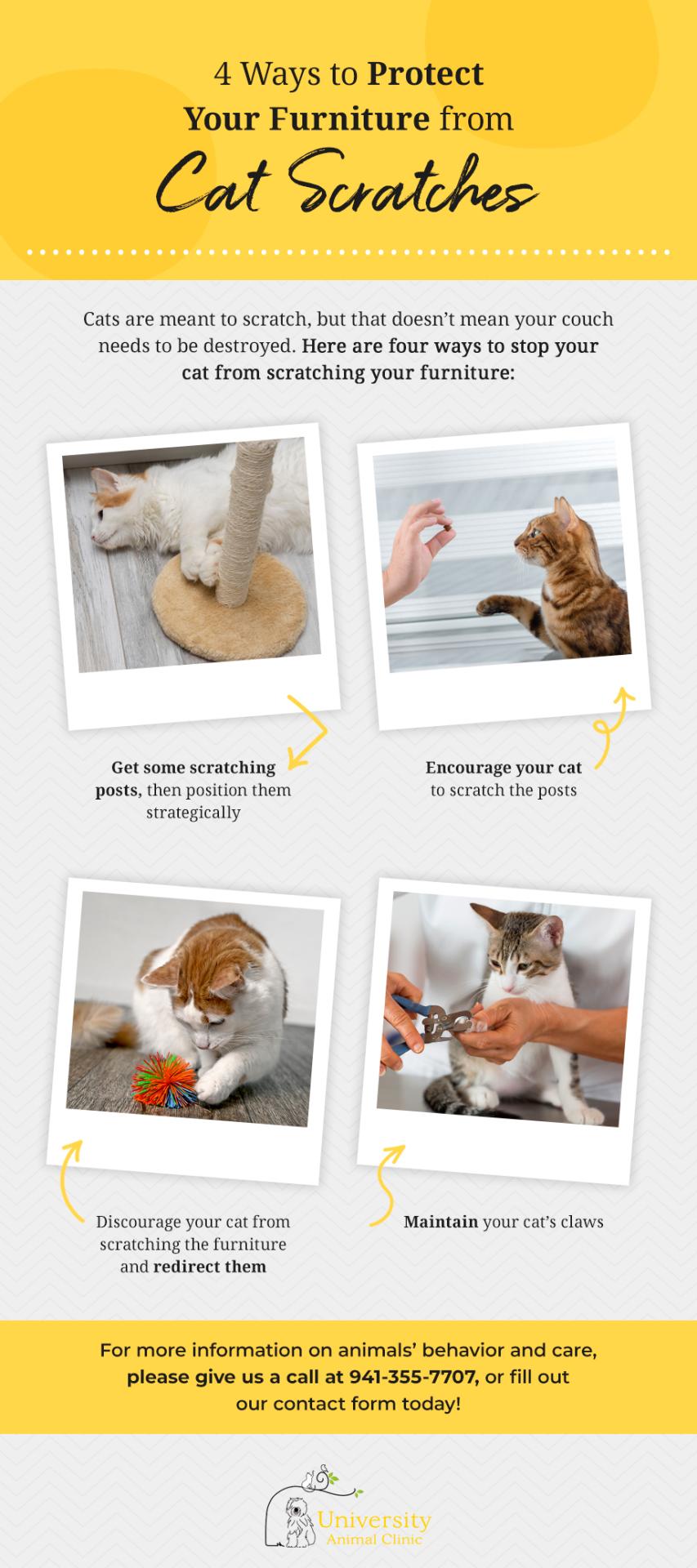
Trim your cat’s nails regularly. Shorter nails cause less damage to furniture. Use a cat nail clipper for safe trimming. Trim once every few weeks. This simple routine reduces the urge to scratch.
Deterrent Sprays
Deterrent sprays can stop cats from scratching furniture. These sprays have scents cats dislike. Spray on areas your cat often scratches. The unpleasant smell keeps them away. Look for sprays that are safe for pets and furniture.
Providing Alternatives
Cats often scratch furniture to mark territory. Provide alternatives like scratching posts to protect your home. Place them near favorite scratching spots and reward your cat for using them.
Cats love to scratch, but when your furniture bears the brunt of their instincts, it can be frustrating. Luckily, there are ways to redirect this behavior. By providing alternatives, you can protect your beloved couch and give your cat a satisfying outlet. This approach not only preserves your furniture but also keeps your feline friend happy and healthy. Let’s delve into some practical options that can help you achieve this balance.Scratching Posts
Scratching posts are a fantastic alternative to your furniture. They come in various sizes and materials, so you can find one that suits your cat’s preference. Consider choosing a sturdy post that won’t tip over easily—cats love stability when scratching. Place the scratching post near the furniture your cat usually targets. This simple act can redirect their attention. Reward your cat with treats and praise when they use the post, reinforcing positive behavior.Cat Trees
Cat trees offer more than just scratching opportunities. They provide a vertical space for climbing, lounging, and playing. This multifunctional furniture can be a game-changer for your cat’s interest in scratching. Choose a cat tree with multiple levels and textures. Cats enjoy exploring different surfaces, so this variety can keep them engaged. Position it in a central location where your cat spends most of their time. Think about whether your cat likes sisal, carpet, or cardboard. Each texture can provide a different scratching experience. How often do you see your cat stretching its claws on the floor or carpet? These observations can guide your choice. Ultimately, the key is consistency. Cats are creatures of habit. By offering appealing alternatives and rewarding them, you can gradually steer their scratching behavior away from your furniture. Are you ready to make your home a cat-friendly haven?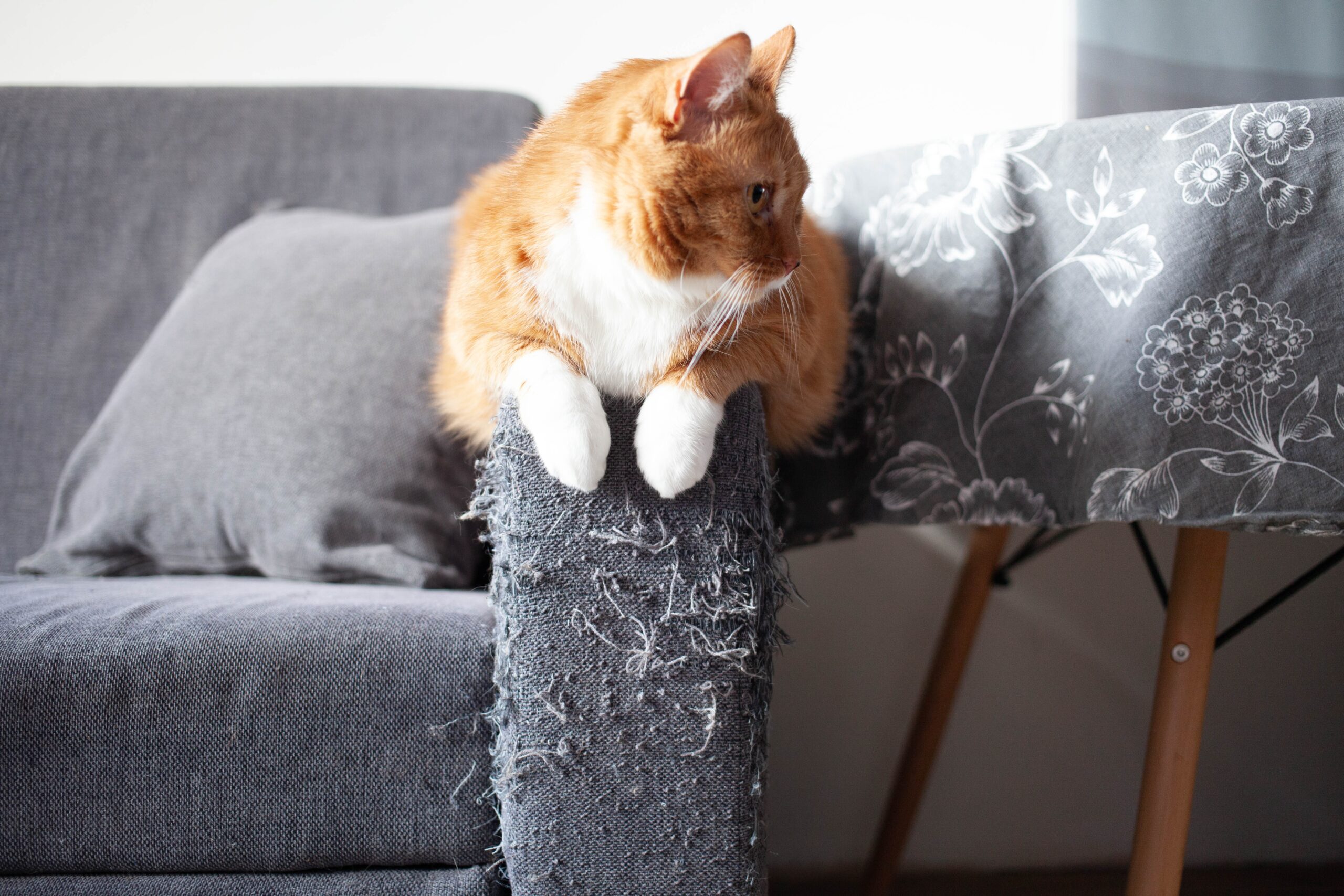
Credit: zoeforpets.com
Training Techniques
Curious about stopping your cat from scratching furniture? Try providing scratching posts as alternatives. Use double-sided tape on furniture to deter scratching. Regularly trim your cat’s nails to minimize damage.
Training your cat to stop scratching furniture can be rewarding. It requires patience and consistency. Understanding the techniques can make the process easier. Cats scratch to mark territory and stretch muscles. Redirecting this behavior is key.Positive Reinforcement
Cats respond well to positive reinforcement. Reward them when they use a scratching post. Use treats or affection as a reward. Each time they scratch the post, give immediate praise. This builds a positive association with the post. It encourages them to scratch there again.Using Commands
Teaching commands helps control scratching behavior. Use simple words like “No” or “Stop.” Say the command firmly but not angrily. When your cat scratches furniture, use the command. Redirect them to the scratching post. With time, they learn the command’s meaning. Consistency is crucial in training.Protecting Furniture
Cats often scratch furniture to mark territory. Offer scratching posts as an alternative. Use double-sided tape on furniture to deter them.
When your feline friend decides to turn your couch into a scratching post, it can be quite frustrating. Protecting furniture from your cat’s claws is a common concern for many pet owners. You want to maintain a harmonious home where your cat feels comfortable while keeping your furniture looking pristine. So, how can you achieve this balance? Let’s explore some practical solutions.Furniture Covers
Furniture covers are a straightforward solution to guard your precious sofas and chairs. They act as a physical barrier, reducing the likelihood of damage. You can find covers in various materials like cotton, polyester, or microfiber that are designed to withstand scratching. Consider using covers that are easy to remove and wash. This ensures your furniture stays clean and protected from not only scratches but also fur and dirt. Covers come in a range of colors and designs, allowing you to match them to your interior décor. Have you ever thought about using double-sided tape on covers? Cats dislike the sticky sensation, which may deter them from scratching. It’s a simple trick that might save your furniture from those tiny claws.Strategic Placement
Where you place your furniture can influence your cat’s scratching habits. Cats often scratch to mark their territory or to stretch after a nap. Position furniture away from your cat’s favorite resting spots to minimize temptation. Try placing scratching posts near areas your cat frequents. If your cat sleeps on a particular chair, a nearby scratching post can redirect their urge to scratch. Observe your cat’s behavior to identify patterns. Does your cat scratch near windows or doors? Adjust your furniture placement accordingly. By strategically positioning furniture, you can protect it while accommodating your cat’s natural instincts. Have you ever moved a chair to test if your cat would stop scratching it? Sometimes, a simple change in location can make all the difference.Behavior Modification
Scratching is a natural behavior for cats. They scratch to mark territory, sharpen claws, and stretch muscles. Stopping this behavior requires understanding and patience. Behavior modification can help guide your cat’s actions. This process involves positive reinforcement and environmental changes.
With consistent effort, you can protect your furniture. Let’s explore effective strategies to modify your cat’s scratching habits.
Redirecting Attention
Provide scratching posts to redirect your cat’s attention. Place them near favorite scratching spots. Encourage your cat to use them with toys or treats. Praise or reward your cat for using the post. This positive reinforcement strengthens the desired behavior.
Regularly engage your cat with interactive toys. Keep your cat entertained and reduce the urge to scratch furniture.
Creating A Cat-friendly Environment
Design a space that caters to your cat’s needs. Include multiple scratching options like posts and boards. Use materials your cat prefers, such as sisal or cardboard. Place scratching items near resting areas or windows.
Ensure your cat has places to climb and explore. Cat trees or shelves provide vertical space and satisfy your cat’s natural instincts. A stimulating environment reduces stress and unwanted behaviors.
Credit: www.theuniversityanimalclinic.com
Frequently Asked Questions
What Is The Best Thing To Stop Cats From Scratching Furniture?
Use double-sided tape on furniture to deter cats from scratching. Provide a scratching post nearby as an alternative.
What Scent Keeps Cats From Scratching Furniture?
Cats dislike citrus scents like lemon, orange, and lime. These odors can deter them from scratching furniture. Using essential oils or sprays with these fragrances can help protect your furniture. Always ensure scents are safe and non-toxic for pets.
At What Age Do Cats Stop Clawing?
Cats usually stop clawing excessively by the age of 1-2 years. Training and providing scratching posts help. Regular nail trimming can also reduce clawing behavior.
How To Punish A Cat For Scratching A Couch?
Redirect your cat to a scratching post. Reward it with treats when it uses the post. Use deterrent sprays on the couch. Cover the scratched area with a protective cover temporarily. Avoid physical punishment as it can lead to fear and stress.
Conclusion
Stopping your cat from scratching furniture takes patience. Try redirecting their energy. Use scratching posts or mats. Keep them accessible and appealing. Trim your cat’s nails regularly. Soft paws can also help. Reward positive behavior with treats. Avoid yelling; it stresses cats.
Be consistent with your training. This builds good habits over time. Your cat can learn new ways to scratch. Just ensure they feel secure. Happy cats scratch less destructively. Keep your furniture safe and your cat content. It’s a win-win for everyone.

Similar Posts