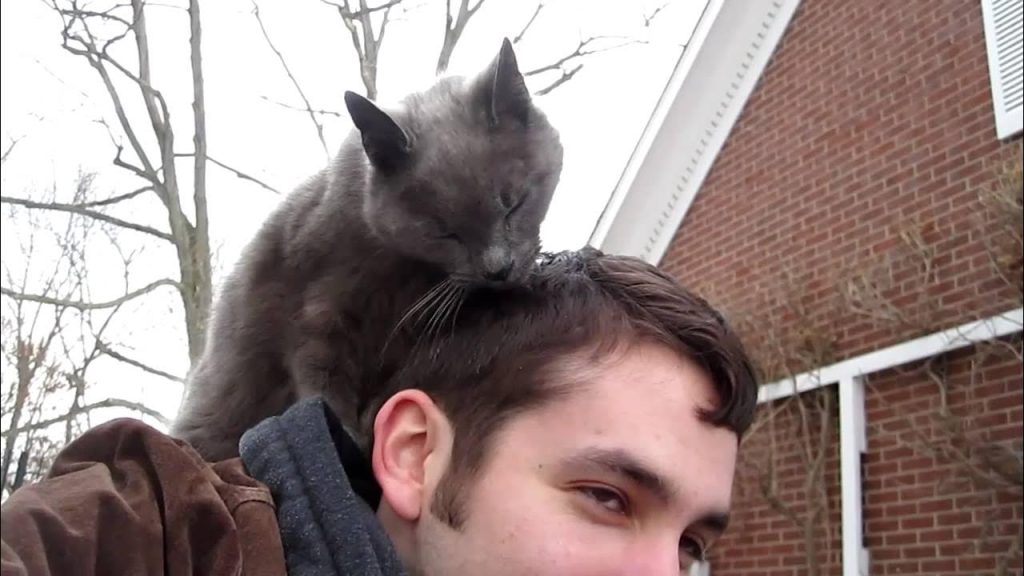
Ever wondered why your cat seems to have a sudden fascination with your hair? You’re not alone.
Many cat owners find themselves puzzled, and maybe even amused, when their feline friend starts grooming them. This quirky behavior can leave you curious and a bit confused. But don’t worry, there’s no need to panic. By understanding the reasons behind your cat’s actions, you can strengthen the bond with your furry companion.
This article will unravel the mystery of why your cat licks your hair, offering insights that might surprise you. Stick around to discover the surprising reasons behind this endearing habit and what it means for your relationship with your cat.
Credit: www.rover.com
Feline Grooming Habits
Cats are known for their meticulous grooming habits. Licking is a natural behavior that serves many purposes. It helps them stay clean, regulate temperature, and bond with others. Sometimes, this grooming extends to their human companions. Ever wondered why your cat licks your hair? Let’s explore this intriguing behavior through the lens of feline grooming habits.
Why Cats Groom Themselves
Cats groom themselves to maintain cleanliness and remove dirt from their fur. This behavior is instinctual, helping them stay free from parasites. It also aids in distributing natural oils across their skin, keeping it healthy. Self-grooming is a calming activity for cats, reducing stress.
Social Grooming: A Sign Of Affection
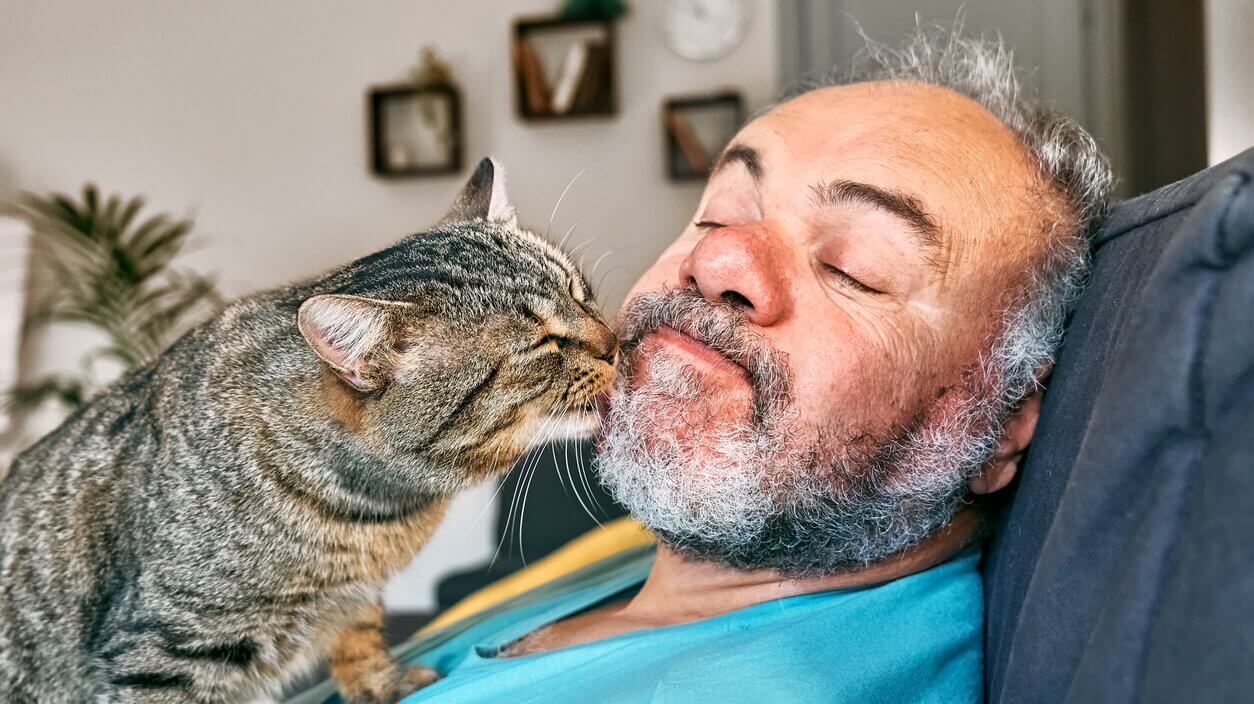
Cats also engage in social grooming with their peers. This action strengthens bonds within their social group. When a cat licks your hair, it may be expressing affection. You are a part of its family. Social grooming is a cat’s way of showing love and trust.
Your Hair: A Familiar Scent
Your hair carries your unique scent, which your cat recognizes. Licking your hair may help your cat feel closer to you. This behavior can provide comfort to your feline friend. It associates your scent with safety and security.
Cats have scent glands in their mouths. By licking your hair, they may be marking you as theirs. This action is a territorial behavior. It signals ownership and affection towards you. Your cat sees you as part of its territory.
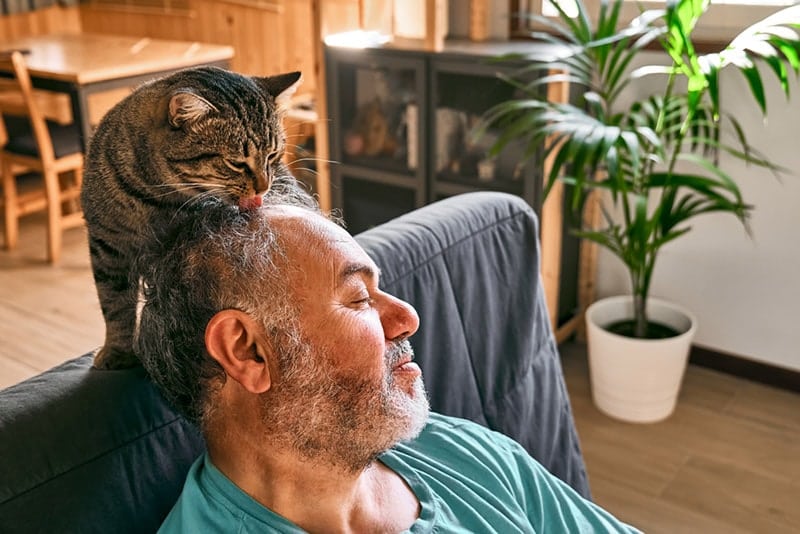
Your cat might lick your hair to gain your attention. This behavior often occurs when they want interaction or playtime. Cats are social animals and enjoy engaging with their humans. Licking your hair can be a playful invitation for attention.
Credit: www.catster.com
Social Bonding Behavior
Have you ever wondered why your cat licks your hair? It might seem odd, but this behavior is often linked to social bonding. Cats have unique ways of expressing affection, and licking is one of them. This seemingly strange act can actually strengthen the bond between you and your feline friend.
Social Bonding Through Grooming
Grooming is a natural behavior in cats. They groom themselves and each other as a way to bond. When your cat licks your hair, it might be treating you like one of its own. It’s a sign of trust and closeness. This behavior shows your cat considers you part of its family.
Sharing Scent For Connection
Cats rely heavily on scent for communication. By licking your hair, your cat is sharing its scent with you. This creates a shared smell that strengthens your connection. It’s similar to how cats rub against each other to exchange scents. This act can help your cat feel secure and bonded to you.
Affectionate Attention
Ever noticed how your cat licks your hair more when you’re relaxed? Cats often lick as a form of affectionate attention. It’s their way of showing love and seeking interaction. This behavior might be your cat’s method of saying, “I care about you.” How does your cat seek your attention?
Comfort And Security
Your cat might lick your hair when it seeks comfort. Cats often engage in grooming behaviors to self-soothe. This can be their way of feeling safe and secure in your presence. Your hair might remind them of their mother or siblings, adding a layer of comfort.
Understanding why your cat licks your hair can deepen your bond. It’s not just quirky behavior—it’s a sign of trust and affection. Next time your cat licks your hair, consider it an expression of love. How do you return this affection?
Marking Territory
Ever wondered why your cat licks your hair? Cats have unique ways to express themselves. One of them is marking territory. This behavior might seem odd, but it’s quite common. It shows a deep bond and trust. Let’s delve into this feline habit.
Understanding Cat Behavior
Cats are territorial creatures. They mark their space in various ways. Licking is one such method. It transfers their scent to you. This makes you part of their safe space. It’s their way of saying you belong to them.
Scent Marking Explained
When a cat licks your hair, it leaves its scent. Cats have scent glands around their mouths. These glands release pheromones. The scent marks you as part of their territory. It’s a comforting action for them.
Feeling Safe And Secure
Licking is more than marking. It’s a sign of security. Cats lick what they love. They feel safe around you. This behavior strengthens your bond. It’s their way to show affection.
Instinctive Behavior
Cats inherit territorial instincts from wild ancestors. They claim what they love. Licking is an instinctive trait. It helps them feel in control. Even domesticated cats display these behaviors.
Seeking Attention
Ever wondered why your cat licks your hair? Cats often show affection this way. It’s their unique bonding gesture. They might also be marking you with their scent, claiming you as part of their family. This behavior signals trust and love, making you feel special in their eyes.
Cats are curious creatures with many quirks, one of which is their peculiar habit of licking your hair. If you’ve ever wondered why your feline friend seems so interested in your locks, it might be their way of seeking attention. Cats are masters of communication, and licking is just one of the many ways they can express their need for interaction and affection.Understanding Cat Behavior
Cats are social animals, even though they often have an aloof reputation. Licking your hair can be their way of saying, “Hey, pay attention to me!” Just like when they nuzzle or purr, it’s a sign they value your companionship.How Cats Seek Attention
A cat might lick your hair to get your attention when they feel neglected. Maybe you’ve been busy or distracted, and this is their way of reminding you they’re around. It’s a gentle nudge for you to engage with them.Personal Experience With Hair Licking
I remember my own cat, Whiskers, who would lick my hair whenever I was engrossed in a book. At first, I found it odd, but soon realized it was his way of diverting my attention from the pages to him. It worked! Whiskers knew that his unique behavior would break my concentration and get him the attention he craved.What To Do About It
If you find your cat licking your hair too often, consider if they might be feeling left out. Spend a few extra minutes each day playing or cuddling with them. You might also introduce new toys or activities to keep them entertained and feel valued.Is Hair Licking A Problem?
While it’s mostly harmless, excessive licking might indicate a deeper issue. It could be a sign of anxiety or boredom. If your cat starts doing it frequently, observe other behaviors for clues.Engage With Your Cat
Have you tried different ways to engage your cat? Consider interactive toys or puzzle feeders that challenge their minds. These can be great tools to divert their attention and reduce the need to lick your hair. Understanding your cat’s behavior can strengthen your bond. Next time your cat licks your hair, think about what they might be trying to tell you. Are they simply seeking attention, or is there something more? Addressing their needs can lead to a happier and healthier relationship for both of you.Satisfying Curiosity
Ever caught your cat licking your hair and wondered why? Cats are curious creatures. They often explore their surroundings in unique ways. Licking is one of them. When a cat licks your hair, it’s driven by curiosity. This behavior can seem odd, but it has interesting reasons behind it.
Exploration Through Taste
Cats use taste to explore. Your hair might have a scent or texture that intrigues them. This exploration is a natural part of their behavior. They use their tongue to gather information. It helps them understand their environment better.
Bonding With You
Licking can be a sign of affection. Cats groom each other to show care. When your cat licks your hair, it could be bonding with you. This act strengthens your relationship. It shows trust and friendship between you and your cat.
Inherit Animal Instincts
Cats have instincts inherited from their wild ancestors. Grooming is one such instinct. Licking your hair might be an extension of their grooming habits. This behavior links them to their natural roots. They feel secure and calm while doing it.
Attention-seeking Behavior
Sometimes, cats lick to seek attention. They may want your focus on them. It’s their way of communicating their needs. This behavior could mean they want playtime or food. Responding positively can reinforce good habits.
Response To Stress
Licking can be a stress response. If a cat feels anxious, it might lick objects or people. Your hair might be a source of comfort. This behavior helps them calm down. Understanding this can aid in addressing your cat’s needs.
Signs Of Stress Or Anxiety
Cats might lick your hair to soothe themselves when stressed or anxious. This behavior can signal their need for comfort. Observing your cat’s grooming habits may reveal signs of underlying stress.
Cats have unique ways of expressing themselves. Licking your hair could mean various things. One reason might be stress or anxiety. Cats can feel stressed due to changes in their environment. This can lead to unusual behavior. Understanding these signs is crucial for your cat’s well-being.What Causes Stress In Cats?
Cats are sensitive creatures. A new pet or person can stress them. Loud noises or changes in routine may also upset them. Even something as simple as moving furniture can cause stress. Recognizing these triggers can help you reduce your cat’s anxiety.How To Spot Anxiety In Your Cat
Anxiety in cats shows in different ways. Some may hide more often. Others might become overly attached or needy. A change in their grooming habits can also be a sign. Licking your hair might be one of these changes. Paying attention to these behaviors is important.Behavioral Changes To Look Out For
Watch for sudden changes in your cat’s behavior. Increased aggression or withdrawal can indicate stress. Your cat might also eat less or more than usual. Changes in litter box habits can also be a clue. These signs should prompt you to consider your cat’s mental health.Ways To Help Your Stressed Cat
Creating a calm environment can help. Provide a quiet space for your cat to relax. Regular playtime can reduce stress and anxiety. Ensure they have enough stimulation to keep boredom at bay. Consult a vet if you notice severe signs of stress.Health Implications
Cats licking your hair might seem odd, but it often signifies affection. This grooming behavior can also help relieve stress. However, excessive licking may indicate anxiety or health issues. Monitoring your cat’s behavior ensures their well-being and maintains a healthy human-pet relationship.
Cats licking your hair might seem like a quirky behavior, but it’s essential to consider the potential health implications for both you and your feline friend. This behavior can be more than just a peculiar habit; it might indicate underlying health issues or emotional needs. Understanding these implications can help you ensure your cat’s well-being and maintain a healthy relationship with your pet.Potential Allergies
When your cat licks your hair, they might be transferring allergens. If you notice an itchy scalp or hives after your cat’s grooming session, it could be a sign of an allergic reaction. Consider consulting with a dermatologist to identify any specific allergens and manage your symptoms effectively.Transmission Of Parasites
Cats can carry parasites like fleas and ticks, which might be transferred to your hair during licking. This can pose a health risk to you, especially if you have open cuts or scratches on your scalp. Regularly check your cat for parasites and use preventive treatments to minimize this risk.Cat’s Oral Hygiene
A cat’s mouth contains bacteria that could potentially cause infections if transferred to your skin. While it might be rare, keeping your cat’s dental health in check is crucial. Ensure regular vet check-ups and consider dental treats to maintain their oral hygiene.Behavioral Concerns
Excessive licking can sometimes indicate anxiety or stress in your cat. If your pet seems unusually focused on licking your hair, they might be trying to soothe themselves. Observing other behaviors can help you determine if they need more mental stimulation or if there’s an underlying issue that needs attention.Skin Sensitivity
Repeated licking might lead to skin irritation or sensitivity. If you notice redness or discomfort, it’s worth exploring alternative bonding activities with your cat. Engage them in play or grooming sessions that don’t involve direct contact with your hair. Have you ever wondered if your cat’s grooming habits are signaling something more? By paying attention to these health implications, you can better understand your furry friend’s needs and maintain a harmonious living environment. It’s always fascinating to learn how these small behaviors can offer insights into our pet’s health and happiness.How To Manage Licking
Cats might lick your hair to show affection or mark their territory. Managing this involves gently redirecting their attention with toys or treats. Regular grooming can also help reduce the urge by keeping your hair clean and less enticing to your feline friend.
Managing a cat’s habit of licking your hair can be a curious challenge. While some may find it endearing, others might be puzzled or even slightly irritated by the constant grooming. Whether your cat’s licking feels like a bonding ritual or an amusing quirk, understanding and managing this behavior can enhance your relationship with your feline friend.Understanding The Behavior
Cats often lick to show affection. It’s their way of bonding and marking you as part of their family. However, it could also be a sign of stress or boredom. Recognize the context in which your cat licks your hair. Is it during a quiet evening? Or after a playful session? This insight helps tailor your approach.Redirecting The Habit
If you prefer your cat to ease off the hair licking, try redirecting their attention. Offer toys or engage them in interactive play. A laser pointer or feather wand can be excellent distractions. This not only shifts their focus but also strengthens your bond through shared activities.Providing Alternatives
Introduce alternative grooming outlets for your cat. You can offer a soft blanket or a plush toy. These can serve as substitutes for your hair. Spritzing a bit of catnip on these items might make them more appealing. Your cat can satisfy their licking urge without involving your locks.Ensuring Comfort
Consider whether your cat feels secure and comfortable in their environment. Cats are sensitive to changes in surroundings. Ensure they have cozy spots to retreat to and enough stimulation to keep them occupied. A content cat is less likely to exhibit excessive licking behaviors.Consulting A Vet
If your cat’s licking becomes obsessive or seems compulsive, consulting a vet might be necessary. They can rule out any underlying health issues or stress factors. Professional advice can be invaluable, offering peace of mind and tailored solutions for your specific situation.Encouraging Positive Behavior
Reward your cat when they engage in behaviors you prefer. A simple treat or extra affection goes a long way. Positive reinforcement encourages them to repeat these actions. It’s a win-win: your cat gets a treat, and you get less hair licking. Do you know someone whose cat has a quirky habit? Share this article with them! Sometimes, the simplest adjustments can make the biggest difference in understanding our furry companions.When To Seek Veterinary Advice
Curious why your cat licks your hair? This behavior can signal affection, grooming habits, or anxiety. If excessive licking persists, it’s wise to consult a vet to ensure your cat’s health and well-being. Understanding this behavior helps maintain a happy relationship with your feline friend.
When your cat develops a habit of licking your hair, it can be endearing and perplexing at the same time. While this behavior is often harmless, there are times when it may signal underlying issues. Knowing when to seek veterinary advice can help ensure your feline friend remains healthy and content.Unusual Frequency And Intensity
If your cat suddenly increases how often and intensely it licks your hair, this might indicate stress or anxiety. Cats often use grooming to soothe themselves. Frequent licking beyond the usual could mean your cat is dealing with something more serious. Consider what might have changed in your home environment. New pets, visitors, or changes in routine can upset your cat. If nothing obvious stands out, a vet visit can help uncover hidden stressors.Signs Of Obsessive Grooming
Obsessive grooming, where your cat licks not just your hair but also its own body excessively, can be a sign of a problem. This might be due to skin irritation, allergies, or even pain. Watch for bald patches or irritated skin on your cat. If you notice these symptoms, it’s time to contact your vet. They can provide treatments and advice to address the underlying cause.Presence Of Other Symptoms
Pay close attention if your cat’s hair-licking behavior is accompanied by other symptoms. This could include vomiting, diarrhea, or changes in appetite. Such symptoms can indicate digestive issues or illness. A vet can perform necessary tests to diagnose the problem. Early intervention can prevent more serious health issues down the road.Consulting A Veterinarian
Your vet is your best resource when something seems amiss. They can offer insights that might not be immediately obvious to you. Even if your cat seems fine, a vet visit can provide peace of mind. Remember, it’s better to err on the side of caution when it comes to your pet’s health. What steps will you take next time your cat’s behavior changes unexpectedly?
Credit: www.reddit.com
Frequently Asked Questions
What Does It Mean When A Cat Licks Your Hair?
A cat licking your hair shows affection, mimicking grooming behavior. It indicates trust and bonding. Cats may also be drawn to the scent of your shampoo. This behavior strengthens their connection with you, offering comfort and companionship. Always ensure your cat feels safe and loved during these moments.
Why Are Cats Obsessed With My Hair?
Cats are attracted to hair due to its scent, texture, and movement. Your hair holds familiar smells, making it comforting. Cats also enjoy playing with strands, simulating prey. Grooming instincts may drive them to nibble or lick your hair, showing affection and bonding.
Why Does My Cat Knead And Lick My Hair?
Cats knead and lick hair to show affection and comfort. This behavior mimics nursing from their mother. It helps them relax and bond with their owners. This is a normal and endearing feline activity.
Why Does My Cat Brush My Hair With His Paws?
Cats may brush your hair with their paws to show affection or mimic grooming behavior. This action signifies trust and bonding. It can also be a playful gesture or a way to seek attention. Your cat’s behavior is a sign of love and comfort with you.
Conclusion
Cats licking your hair can be puzzling. It may show affection. Sometimes, it’s a grooming instinct. Cats bond with you through this behavior. Or perhaps, they like your shampoo’s scent. Understanding this helps you connect with your pet. Observe your cat’s body language.
It reveals more about their feelings. Hair licking is mostly harmless. Yet, ensure your cat is healthy and happy. If concerned, consult a vet. Embrace this quirky cat behavior. It strengthens your unique bond.