How to Stop a Cat from Scratching Furniture: Proven Tips
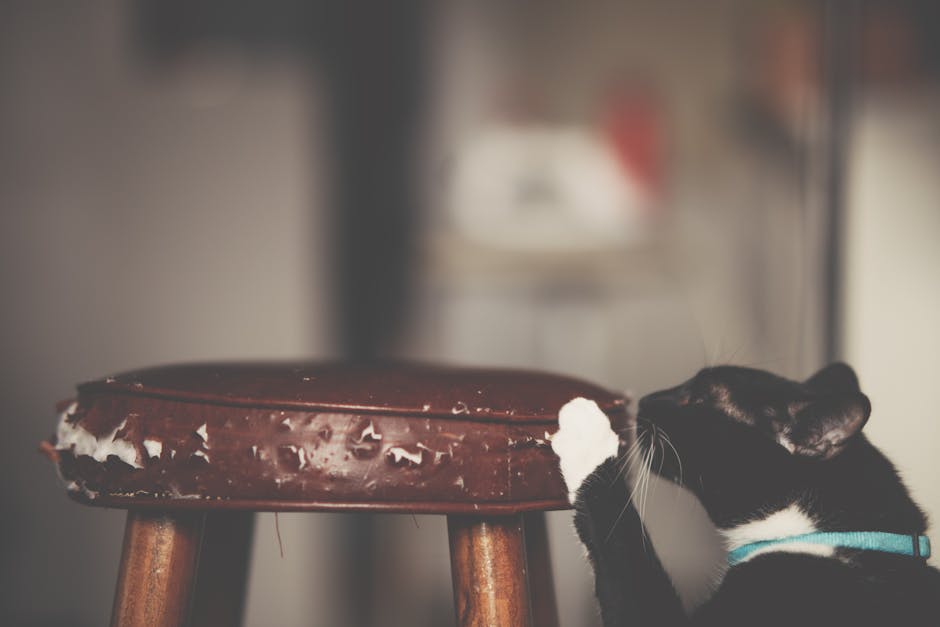
Is your beloved feline turning your furniture into a personal scratching post? If so, you’re not alone.
Many cat owners face the frustrating challenge of protecting their sofas, chairs, and tables from those sharp little claws. But here’s the good news: you don’t have to choose between your furry friend and your favorite couch. In this guide, you’ll discover simple yet effective strategies to stop your cat from scratching furniture.
Imagine living in a home where your cat can scratch to their heart’s content without damaging your belongings. Keep reading to uncover the secrets that can transform your living space into a harmonious haven for both you and your pet.

Credit: www.wikihow.com
Understanding Cat Behavior
Cats scratch furniture to mark territory and keep claws sharp. Redirect this behavior with scratching posts nearby. Use deterrents like double-sided tape or furniture covers to discourage scratching.
Understanding why your cat scratches furniture can make it easier for you to address the problem effectively. Cats are mysterious yet fascinating creatures. Their behavior, though sometimes perplexing, is driven by natural instincts and needs. By delving into the reasons behind their scratching habits, you can find solutions that work for both you and your feline friend.Why Cats Scratch
Scratching is a normal part of a cat’s life. It’s not just about sharpening their claws. Scratching allows them to mark territory, stretching their bodies, and relieve stress. It’s much like how you might stretch after sitting for too long. Cats also scratch to communicate with other cats. The marks and scents left behind are messages to others. This behavior is deeply embedded in their nature. Have you ever noticed your cat scratching more when you’re not home? This could be their way of dealing with separation anxiety. Understanding these reasons can help you empathize with your pet and address their needs.Natural Instincts
Cats have strong natural instincts that guide their daily activities. Scratching is one of these instincts. It’s as instinctual as a bird flying south for the winter. When a cat scratches, they’re not just being destructive. They’re fulfilling their natural urges. This is why punishing them rarely works. Instead, focus on redirecting these instincts to more appropriate outlets. Providing scratching posts or pads can satisfy their need to scratch. Place these near your cat’s favorite scratching spots for the best results. Remember the time you tried to stop a bad habit? It wasn’t easy, was it? Your cat faces the same challenge. By understanding and working with their instincts, you can help guide them to better behaviors. Have you considered why your cat might choose one piece of furniture over another? It could be the texture or the location. Paying attention to these preferences can help you choose the right alternatives. In what other ways can you make your home more cat-friendly? Recognizing your cat’s behavior is the first step to creating a harmonious living space.Preventive Measures
Cats love to scratch. It’s a natural behavior. But scratched furniture isn’t fun. Preventing this starts with understanding their needs. Cats scratch to mark territory. They also stretch their muscles. So, provide alternatives to protect your furniture. Let’s explore some preventive measures.
Choosing The Right Scratching Post
A scratching post is essential for cats. But not all posts are the same. Choose one tall enough for a full stretch. Sturdy posts won’t wobble or tip over. Material matters too. Cats prefer sisal or cardboard. Avoid carpet, it can confuse them. Make sure it’s enticing. A sprinkle of catnip can help.
Location Matters
Where you place the scratching post matters. Put it near your cat’s favorite spots. Close to sleeping areas is ideal. Cats often scratch after naps. Near furniture your cat loves to scratch is smart too. This provides an alternative. Experiment with different locations. Find what your cat likes best.
Training Techniques
Cats can be trained to stop scratching furniture by providing scratching posts as alternatives. Rewarding them when they use these posts helps reinforce positive behavior. Consistency in redirection and rewards is key to successful training.
Cats scratching furniture can be frustrating. Training techniques help guide your cat’s behavior. Using gentle methods builds trust and improves interactions. Let’s explore some effective techniques.Positive Reinforcement
Reward your cat for good behavior. Treats work well for training. Praise your cat with kind words. Cats enjoy attention. Use toys to show approval. Your cat will learn quickly. Consistent rewards encourage repeat actions. Cats respond best to positive reinforcement. Keep sessions short and fun.Redirecting Scratching
Provide scratching posts near furniture. Cats love to scratch sturdy materials. Offer various textures and heights. Show your cat the new post. Encourage scratching on the post. Use catnip to attract them. Praise your cat when they use it. Move posts to areas your cat frequents. This diverts them from furniture. Gradually, they will prefer the post.Protective Solutions
Cats love to scratch. It’s natural behavior. Unfortunately, furniture often becomes their target. Protecting your furniture requires effective solutions. This section explores protective measures that help prevent damage. Simple methods can safeguard your favorite couch or chair.
Furniture Covers
Furniture covers shield your furniture from claws. These covers are easy to use. Just drape them over your sofa or chair. Many options exist, from stylish to simple. Choose a durable material. Fabric that resists scratches works best. Covers not only protect, they can enhance your room’s look. Consider your home’s style when selecting a cover.
Anti-scratch Sprays
Anti-scratch sprays deter cats from scratching. These sprays are pet-friendly. They do not harm your cat. Apply to furniture surfaces. The smell discourages scratching. Sprays are a quick solution. They are easy to apply, saving time. Consistent use increases effectiveness. Always follow instructions for best results.
Alternative Options
Cats love scratching. It’s natural for them. But it can damage your furniture. There are alternative options to manage this behavior. Let’s explore some solutions. These are simple and effective. They will help maintain peace at home.
Claw Caps
Claw caps are small plastic covers. They fit over your cat’s claws. They prevent damage to furniture. They are safe and comfortable. Your cat can still extend and retract its claws. These caps last four to six weeks. They come in various sizes. You can apply them at home. This keeps your furniture scratch-free.
Nail Trimming
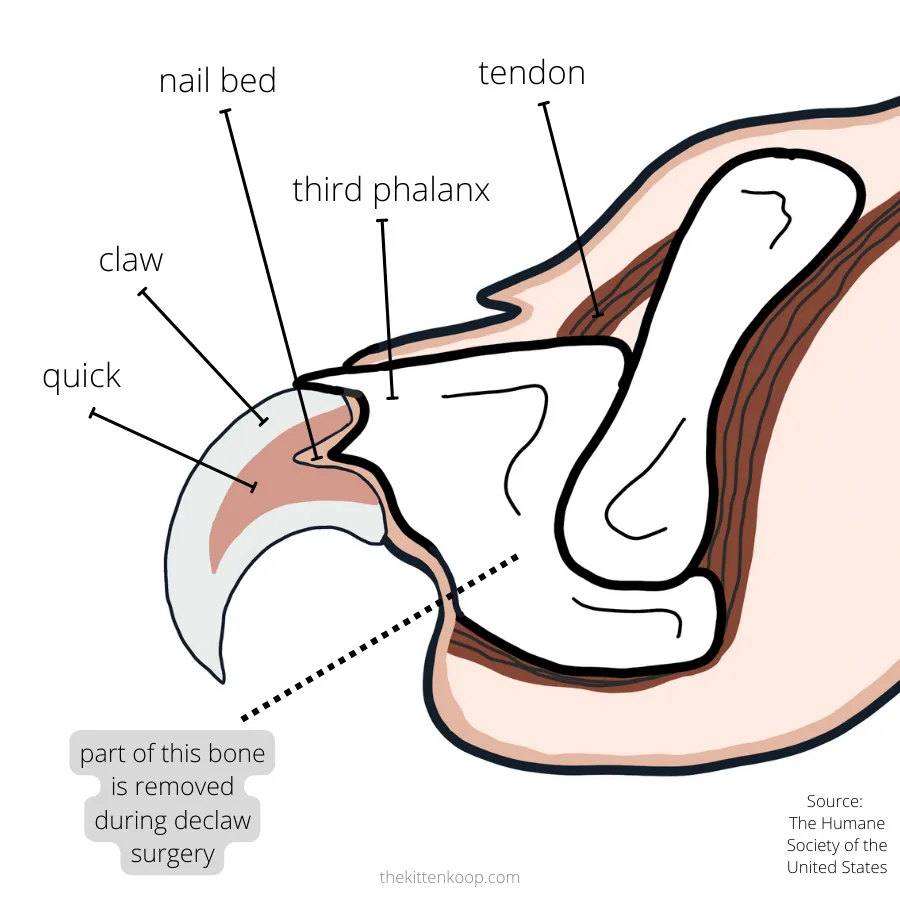
Regular nail trimming is another solution. It reduces the sharpness of the claws. Use a cat nail clipper. Trim only the tips. Avoid the quick, which is pink. It contains nerves and blood vessels. Trimming keeps your cat’s claws healthy. It also minimizes damage to furniture. Make it a routine task. Your cat will get used to it.

Credit: www.washingtonpost.com
Environmental Enrichment
Cats scratch furniture to express natural instincts. Offer varied textures and toys to divert their attention. Place scratching posts near favorite furniture spots to encourage use.
Cats scratch to express emotions, mark territory, and stretch muscles. To stop furniture scratching, enrich your cat’s environment. It keeps them engaged and reduces unwanted behaviors.Interactive Toys
Interactive toys keep your cat mentally stimulated. They mimic hunting behaviors. Toys with feathers or bells are great choices. Puzzle toys challenge their problem-solving skills. Rotate toys to maintain interest. Playtime strengthens your bond with your cat. It also diverts energy from scratching furniture.Climbing Structures
Cats love to climb. Climbing structures offer them a safe place to explore. Cat trees and shelves can satisfy this need. They provide elevated views and resting spots. Cats enjoy perching on high surfaces. This reduces the urge to scratch furniture. Ensure structures are sturdy and safe.Consulting A Veterinarian
If your cat scratches furniture, consulting a veterinarian can help. They offer insights into your cat’s behavior and health. Understanding these aspects is crucial. It helps identify underlying issues causing the behavior.
Veterinarians provide expert advice on managing your cat’s scratching habits. This approach ensures a well-rounded solution. Let’s explore some key areas where a vet’s guidance can be beneficial.
Behavioral Issues
Cats may scratch due to behavioral issues. Stress or anxiety often triggers this behavior. A veterinarian can pinpoint these triggers. They suggest strategies to reduce stress in your cat’s environment.
Enrichment activities and interactive toys may be recommended. These keep your cat engaged and happy. A content cat scratches less on furniture.
Health Concerns
Health problems can lead to excessive scratching. Skin conditions or allergies may irritate your cat. A veterinarian examines your cat for any health issues.
They prescribe treatments if necessary. Addressing health concerns reduces your cat’s discomfort. This, in turn, lessens their need to scratch your furniture.

Credit: wb-iisg.com
Frequently Asked Questions
How Do I Get My Cat To Stop Scratching The Couch?
Provide a scratching post near the couch to redirect your cat’s attention. Use deterrent sprays on the couch fabric. Trim your cat’s nails regularly to minimize damage. Reward your cat with treats when they use the scratching post. Protect the couch with furniture covers or double-sided tape.
What Scent Will Keep Cats From Scratching?
Cats dislike citrus scents like lemon, orange, and lime. Essential oils such as eucalyptus, lavender, and peppermint can deter them. Vinegar is another effective option. Use these scents to discourage scratching and protect your furniture. Always ensure the scents are safe and not too strong for your cat.
How Do You Scratch Proof Furniture From Cats?
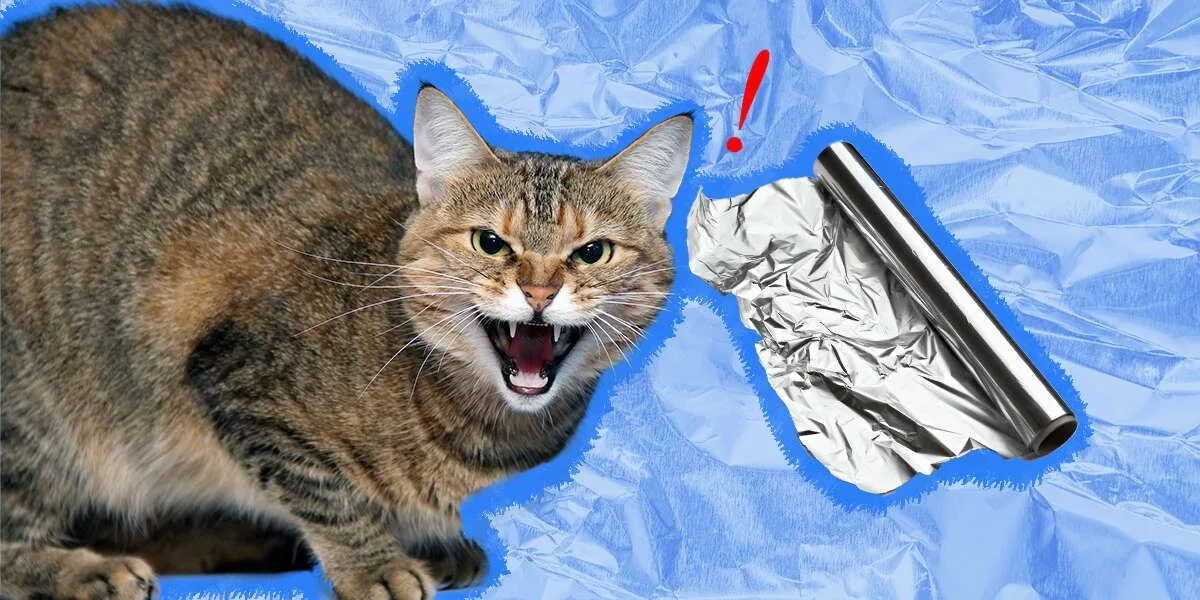
Use double-sided tape or aluminum foil on furniture to deter cats. Provide scratching posts nearby. Regularly trim your cat’s nails. Apply cat deterrent sprays on furniture surfaces. Consider using furniture covers or protectors for added protection.
At What Age Do Cats Stop Clawing?
Cats typically stop excessive clawing around 1-2 years old. Training and providing scratching posts can help. Each cat is unique, so some may continue clawing longer. Regular nail trimming reduces potential damage.
Conclusion
Stopping your cat from scratching furniture takes patience and understanding. Use scratching posts to redirect their energy. Trim their claws regularly to minimize damage. Positive reinforcement helps teach good habits. Protect furniture with covers or special sprays. Engage your cat with toys to keep them active.
Understand their needs and offer solutions they enjoy. Consistency is key in helping your cat adapt. With these tips, your home stays beautiful and your cat stays happy. Remember, every cat is different. Finding what works best is part of the journey.
Keep experimenting and stay patient.

Similar Posts