How to Keep Your Cat from Scratching Your Furniture: Proven Tips

Are you tired of finding your beloved furniture covered in scratch marks? You’re not alone.
Many cat owners face the same struggle, watching their elegant couches and chairs transform into feline scratching posts. But don’t worry, there’s hope. Imagine a home where your furniture remains pristine, and your cat is happy and stress-free. This isn’t just a dream; it’s entirely possible with a few simple strategies.
You’ll discover effective tips to keep your cat from scratching your furniture, while ensuring they stay content and healthy. Dive in, and let’s transform your living space into a harmonious haven for both you and your furry friend.
Reasons Cats Scratch Furniture
Cats scratch furniture to mark territory, exercise muscles, and keep claws sharp. Offer scratch posts and pads to redirect behavior. Use deterrent sprays and cover furniture to protect it from scratches.
Understanding the reasons why cats scratch furniture can help you address this common issue effectively. Cats don’t scratch out of spite or mischief; they do it for several instinctual reasons. By understanding these motives, you can create a more harmonious environment for both you and your feline friend.Marking Territory
Cats are territorial creatures. Scratching is one way they mark their territory. They have scent glands in their paws that release pheromones when they scratch, leaving a personal scent behind. This behavior is a natural instinct to claim their space.Maintaining Claw Health
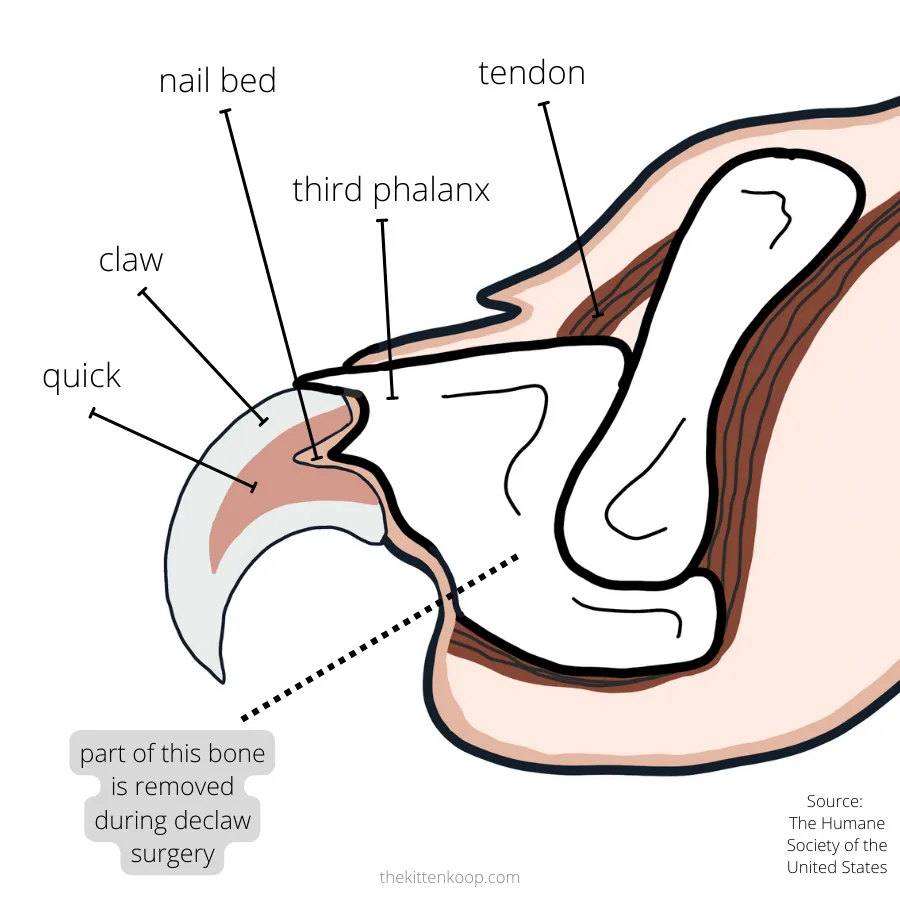
Scratching helps cats keep their claws healthy. It’s a natural way for them to remove the outer layer of their claws. It helps in preventing overgrowth and potential infections. If you’ve ever tried clipping your cat’s nails, you know they prefer to handle it themselves!Stretching And Flexing
Cats scratch to stretch their bodies and flex their feet and claws. This stretching is essential for maintaining muscle health and flexibility. Imagine your morning stretch routine—it’s much the same for them. It keeps them limber and ready for their next pounce or climb.Relieving Stress And Boredom
Scratching can be a way for cats to relieve stress or combat boredom. If your cat is left alone for long periods, they might resort to scratching more frequently. Providing interactive toys or a scratching post can be a great way to redirect this energy.Exercise And Play
Scratching is also a form of exercise and play for cats. It’s how they practice their hunting skills and get some physical activity. If your cat is particularly energetic, consider creating a play routine to keep them engaged and less focused on your furniture. Understanding these reasons can help you find the right solutions. Have you tried using different types of scratching posts or pads? Observing your cat’s behavior can give you clues about what they need. Addressing these instincts can significantly reduce the wear and tear on your beloved furniture.
Credit: wb-iisg.com
Understanding Cat Behavior
Understanding why cats scratch can help protect your furniture. Provide a scratching post as a suitable alternative. Regular nail trimming and using deterrent sprays can also reduce unwanted scratching.
Understanding your cat’s behavior is crucial to solving the problem of furniture scratching. Cats have natural instincts that drive their actions, and scratching is a fundamental part of their routine. It’s not a sign of disobedience, but rather a way for them to express themselves and fulfill their needs.Why Do Cats Scratch?
Cats scratch for various reasons, primarily to maintain their claws. Scratching helps remove the outer layer of their claws, keeping them sharp and healthy. It’s also a form of exercise, allowing them to stretch and flex their muscles. If you observe your cat, you’ll notice they often scratch after waking up from a nap.Territorial Marking
Scratching is also a way for cats to mark their territory. They have scent glands in their paws, and when they scratch, they leave both a visual mark and a scent. This behavior is instinctive, and while it may seem annoying when your favorite couch is involved, it’s their way of claiming space in the home.Stress Relief
Consider this: could your cat be scratching out of stress or anxiety? Changes in environment or routine can lead to unwanted scratching behaviors. Cats may scratch more when they feel nervous or threatened, using it as a coping mechanism. It’s important to create a calm environment for them to reduce stress-related scratching.Play And Exploration
Cats are naturally curious and playful. Scratching can be part of their playtime or exploration. When my cat, Luna, started scratching the armchair, I realized she was just trying to engage with her surroundings. Providing alternate scratching options, like toys or posts, can redirect this playful energy.Understanding these behaviors allows you to address the scratching issue effectively. Have you considered what specific need your cat might be fulfilling through scratching? Recognizing the underlying cause can guide you in finding the right solution and ultimately protect your furniture.
Choosing The Right Scratching Post
Choosing the right scratching post for your cat is crucial. It helps protect your furniture from unwanted scratches. Cats have a natural urge to scratch. A good scratching post satisfies this need. It keeps your cat happy and your furniture safe.
Material Selection
The material of the scratching post matters. Cats prefer rough surfaces. Sisal rope is a popular choice. It is durable and provides a good scratching surface. Other materials include carpet or wood. Each cat may have different preferences. Observe what your cat likes to scratch. Choose a post with similar material.
Height And Stability
Height is important in a scratching post. Cats enjoy stretching their bodies. A tall post allows full body extension. Stability is equally crucial. The post should not wobble or fall over. A sturdy base ensures it stays upright. Your cat will feel safe using it. Check the post’s weight and base before buying.
Training Your Cat
Prevent furniture scratching by giving your cat a dedicated scratching post. Use positive reinforcement to encourage use. Regularly trim their claws to minimize damage.
Training your cat to prevent furniture scratching might seem like a daunting task, but with patience and the right techniques, it can be a rewarding experience. Imagine coming home to a living room where your cat happily uses their scratching post instead of your new sofa. It’s possible, and it starts with understanding your cat’s needs and encouraging positive behavior. Here’s how you can guide your feline friend to become a furniture-friendly companion.Positive Reinforcement
Cats respond well to positive reinforcement. Reward good behavior with treats or affection. When your cat uses the scratching post, offer them a tasty treat or a gentle pet. Consistency is key. Make sure you always praise their good behavior immediately. This helps them associate the scratching post with positive outcomes. Engage with your cat actively. Observe their actions closely and be ready to reward them each time they make the right choice. Does your cat seem more motivated by treats or affection? Tailor your rewards to fit their preferences.Redirecting Scratching
Redirecting scratching is about offering alternatives. Place scratching posts or pads near the furniture your cat tends to scratch. If your cat loves scratching the side of the couch, position a scratching post right there. Introduce a variety of scratching surfaces. Some cats prefer sisal, while others might lean towards cardboard or carpet. Having options increases the chances of your cat choosing a post over your furniture. Use toys to entice your cat to explore the new scratching post. A dangling toy or catnip can make the post more appealing. Sometimes, a little playtime around the post can shift their focus from furniture to the new target. What’s your cat’s favorite spot in the house? Consider placing a scratching post nearby. Cats often scratch where they spend the most time. Meeting them in their space makes redirection easier. Training your cat is not only about stopping unwanted behavior but also about strengthening your bond. How does it feel to watch your cat happily scratch away at a designated post? It’s a small victory that brings peace to both you and your home.Using Deterrents Effectively
Scratching is natural for cats. They mark territory and keep claws sharp. Protecting furniture becomes a priority for many cat owners. Using deterrents can be effective. They help redirect this behavior. Let’s explore safe home remedies and commercial products.
Safe Home Remedies
Homemade solutions can deter scratching. Citrus scents are often disliked by cats. Spraying lemon or orange oil on furniture can help. Vinegar is another option. Its strong smell keeps cats away. You can mix vinegar with water and spray on surfaces. Double-sided tape can be useful too. Cats dislike sticky surfaces. Placing it on furniture edges can discourage scratching.
Commercial Products
Many products are available to deter cats. Spray repellents can protect furniture. They emit smells cats find unpleasant. Check labels for non-toxic options. Furniture covers can be effective. They protect surfaces from claw marks. Scratch pads are popular. Place them near favorite scratching spots. Cats prefer them over furniture. Consider pheromone diffusers. They calm cats and reduce stress-related scratching.

Credit: www.washingtonpost.com
Protecting Furniture
Cats love scratching, but furniture can stay safe with simple tricks. Use scratching posts near favorite spots to divert attention. Protect surfaces with covers or sprays that deter scratching.
Protecting your furniture from your cat’s claws can be a challenge. However, with a few smart strategies, you can preserve your home decor while keeping your feline friend happy. Let’s dive into practical ways you can protect your furniture from cat scratches.Covers And Guards
Using covers and guards is a practical and easy way to shield your furniture. These products are designed to blend in with your home decor while offering a layer of protection. You can find them in various styles, from clear plastic guards to fabric covers that complement your furniture’s look. Have you ever noticed how cats seem to love the texture of your favorite chair? Adding covers can deter them while maintaining your furniture’s appeal. You can use slipcovers for sofas and adhesive guards for chair legs or corners. These items are available in pet stores or online, making them a convenient choice.Strategic Placement
Consider rearranging your furniture to protect it from curious claws. Place less valuable items in areas where your cat likes to scratch. This might mean moving your prized armchair away from the window where the sun tempts your cat to stretch and scratch. Think about setting up a designated scratching zone for your cat. Place a scratching post or pad near your cat’s favorite furniture. This will give them an appealing alternative to your couch, redirecting their attention to a more appropriate scratching surface. Have you tried using double-sided tape on furniture corners? Cats dislike the sticky sensation, which can discourage scratching in those areas. Pairing this technique with strategic furniture placement can save your beloved pieces from further damage. By using covers and guards alongside strategic placement, you can protect your furniture effectively. What new strategy will you try to keep your cat from scratching your cherished pieces?Maintaining Consistent Habits
Cats often scratch furniture to mark their territory. Provide scratching posts as alternatives to protect your furniture. Consistency in training helps redirect their scratching habits effectively.
Maintaining Consistent Habits When it comes to stopping your cat from scratching your furniture, consistency is key. Cats are creatures of habit, and they thrive on routine. By maintaining consistent habits, you can help your cat adjust to new behaviors and reduce unwanted scratching.Routine Adjustments
Adjusting your cat’s daily routine can go a long way in curbing their furniture scratching habits. Start by observing when your cat is most likely to scratch. Is it right after a nap or a meal? Once you’ve identified these times, make sure to redirect their attention to a scratching post or pad. Keep these scratching alternatives in accessible locations. Reward your cat with treats or affection when they use the post instead of your furniture. Consistency in these actions will reinforce good behavior over time.Long-term Strategies
Long-term strategies are essential for maintaining a scratch-free home. Consider investing in high-quality scratching posts that match your cat’s preferences. Some cats love vertical posts, while others prefer horizontal surfaces. Regularly trim your cat’s nails to minimize damage from scratching. Use a soft voice and gentle handling to make this a positive experience. You might wonder if this effort is worth it. Imagine the relief of not worrying about your sofa’s fate every time you leave the house. Isn’t it worth the small amount of time and effort to create peace in your home? By maintaining consistent habits, you’re not just protecting your furniture. You’re also creating a harmonious environment for you and your feline friend.
Credit: wb-iisg.com
Frequently Asked Questions
How Do I Get My Cat To Stop Scratching My Couch?
Use a scratching post to redirect your cat’s behavior. Place it near the couch. Reward with treats when they use it. Trim their nails regularly to reduce damage. Consider using double-sided tape or a pet-safe deterrent spray on furniture.
What Scent Keeps Cats From Scratching Furniture?
Cats dislike citrus scents like lemon, orange, and lime. These can deter them from scratching furniture. Additionally, using essential oils such as lavender, eucalyptus, or peppermint can also be effective. Apply these scents on or near furniture to keep cats away.
At What Age Do Cats Stop Clawing?
Cats typically continue clawing throughout their lives. Training and providing scratching posts can reduce clawing behavior. Young cats may claw more frequently due to energy and exploration. Consistent guidance helps manage this natural instinct.
How Do You Scratch Proof Furniture From Cats?
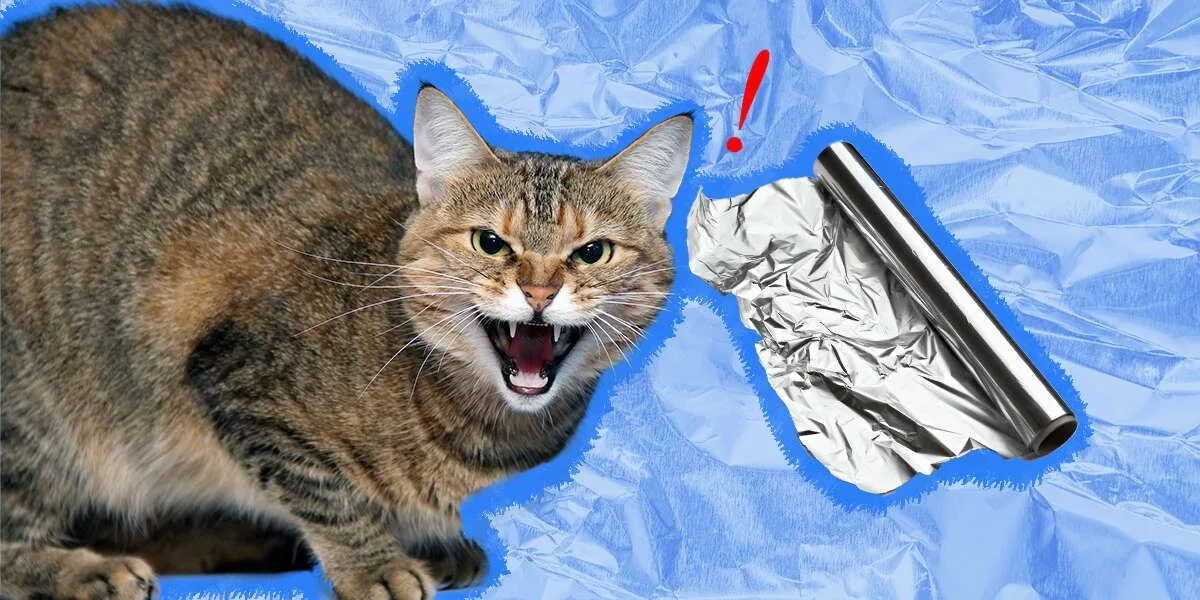
Use furniture covers or throw blankets to protect surfaces. Place scratching posts near favorite spots. Apply double-sided tape or foil on furniture edges. Trim your cat’s nails regularly. Use cat deterrent sprays on vulnerable areas.
Conclusion
Keeping your cat from scratching furniture takes patience and understanding. Offer alternatives like scratching posts. Use deterrents wisely to protect your home. Consistency is key. Train your cat gently with positive reinforcement. Regularly trim their claws for safety. Creating a cat-friendly environment helps too.
Engage them with toys and interactive play. Remember, a happy cat scratches less. Your efforts will lead to a harmonious home. Both you and your cat will benefit. Enjoy a scratch-free living space. Feel proud of your success. Your cat will thank you.

Similar Posts