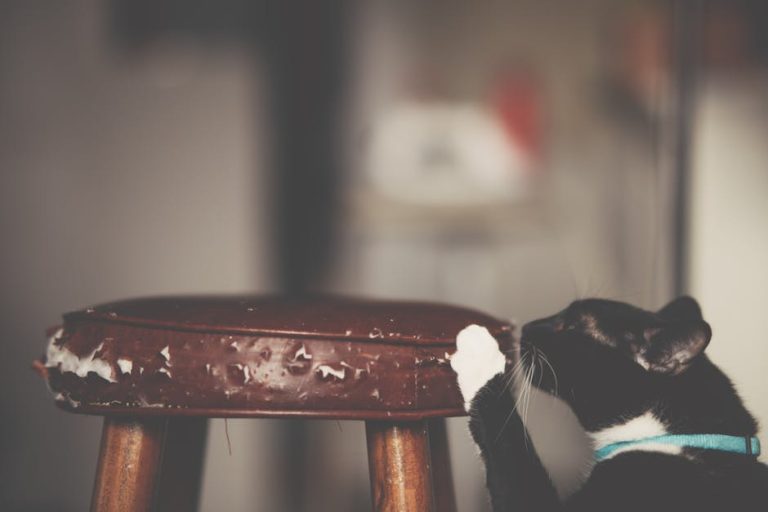
How to Keep Your Cat from Clawing Your Furniture: Proven Tips
Are you tired of finding your favorite couch covered in claw marks? You’re not alone.
Many cat owners face the daily frustration of trying to protect their furniture from their feline friends. But what if there was a way to keep your cat happy and your furniture intact? Imagine a home where you can enjoy the company of your cat without the constant worry of clawed-up cushions and shredded curtains.
You’ll discover practical tips and tricks that not only save your beloved furniture but also keep your cat content and stress-free. Dive in to learn how to create a harmonious environment for both you and your furry companion.
Understanding Cat Behavior
Understanding cat behavior is key to keeping your furniture safe. Cats scratch for several reasons, and knowing why helps in managing this habit. It’s not just about stopping the behavior but addressing their needs too. By understanding their instincts, you can provide better alternatives and maintain a happy home environment.
Why Cats Scratch
Cats scratch to mark their territory. Their paws have scent glands. These glands leave a unique scent on objects. This marks their space and shows ownership. Scratching also sharpens their claws. It removes old nail sheaths. This keeps their claws healthy and sharp.
Natural Instincts And Needs
Scratching is a natural cat behavior. It fulfills several needs. Cats need to stretch their bodies. Scratching helps them do this. It also relieves stress and frustration. Cats scratch when they are excited or anxious. Providing scratching posts meets these instincts. Place them near their favorite spots. This encourages cats to use the posts instead of furniture.
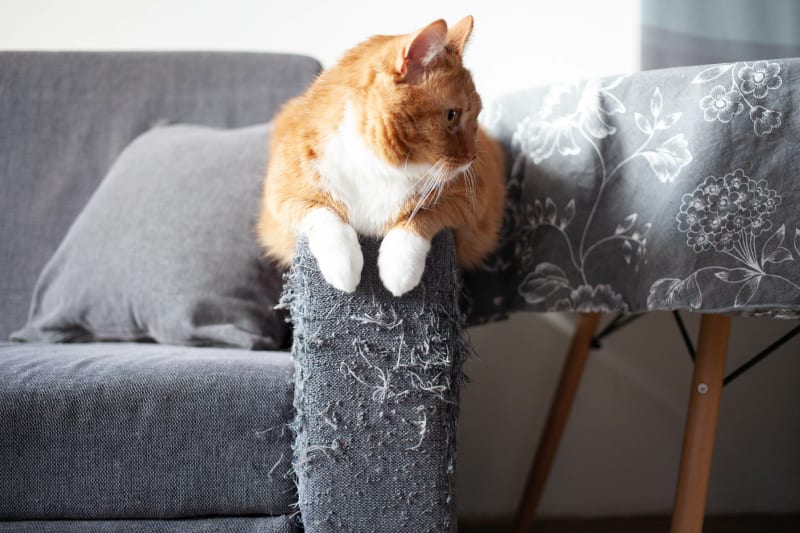
Credit: www.greensboroncvet.com
Effective Deterrents
Protect your furniture from cat claws with effective deterrents. Try double-sided tape or provide scratching posts as alternatives. These simple solutions help redirect your cat’s natural scratching behavior.
Dealing with your cat’s scratching behavior can be a challenge, especially when your furniture becomes their target. But don’t worry; there are effective deterrents to help you protect your beloved couch while keeping your feline friend happy. With a few practical strategies, you can guide your cat away from your furniture and toward more appropriate scratching options.Using Double-sided Tape
Double-sided tape can work wonders in discouraging your cat from clawing your furniture. Cats dislike the sticky sensation on their paws, and this simple trick can be enough to deter them. Apply strips of double-sided tape to the areas where your cat loves to scratch. I once tried this with my own couch, and the results were almost immediate. My cat, Luna, avoided the taped areas altogether and soon lost interest in scratching the sofa. By redirecting your cat’s attention, you’ll be able to protect your furniture more effectively.Sprays And Repellents
Sprays and repellents offer another layer of defense against unwanted scratching. These products often have scents that cats find unpleasant, which helps to deter them from specific areas. A friend of mine had great success using a citrus-scented spray. Her cat, known for its furniture-clawing antics, quickly learned to stay away from the treated areas. Before using a spray, test it on a small area to ensure it doesn’t damage your furniture. Wouldn’t it be great to enjoy a scratch-free sofa without sacrificing your cat’s happiness?Providing Alternatives
Discourage clawing by offering enticing alternatives like scratching posts or mats. Position them near favorite furniture to redirect attention. Regular nail trimming also helps minimize damage and keeps your cat comfortable.
Providing alternatives is crucial to protect your furniture from cat claws. Cats scratch instinctively; it helps them stretch, mark territory, and keep their claws sharp. Offering suitable alternatives can redirect this natural behavior effectively, keeping both your cat and furniture happy.Choosing The Right Scratching Post
Select a scratching post with a sturdy base. Cats need stability while scratching. Choose materials like sisal, carpet, or cardboard. These textures appeal to cats. Ensure the post is tall enough for a full stretch. A variety of shapes and sizes can be beneficial. Some cats prefer vertical posts, others horizontal scratchers. Observe your cat’s preference and adjust accordingly.Placement Of Scratching Posts
Position the scratching post near your cat’s favorite spots. Place one near sleeping areas. Cats often stretch and scratch upon waking. Another good spot is by the entrance. Cats like to mark territory at entry points. Avoid hidden corners. Visible placements attract cats more. This strategy encourages them to use the post frequently.Training Techniques
Prevent your cat from clawing furniture by providing scratching posts. Redirect their attention gently when they scratch. Reward them with treats for using the posts.
Training your cat to avoid clawing your furniture is not just about discipline; it’s about understanding their natural instincts. Cats scratch to mark their territory, stretch their muscles, and keep their claws sharp. Instead of seeing it as a nuisance, view it as an opportunity to bond with your pet while guiding them to more appropriate behavior.Positive Reinforcement
Positive reinforcement is a powerful tool in shaping your cat’s behavior. Reward your cat with treats, affection, or playtime when they choose to scratch on designated areas like scratching posts. Consistency is key. Imagine your cat using a scratching post for the first time and receiving a tasty treat right after. This immediate reward can create a strong association in their mind that scratching the right objects leads to good things. Instead of scolding them for mistakes, focus on praising the right actions. Cats respond better to positive cues than to negative ones, so make sure your praise is timely and genuine.Redirecting Scratching Behavior
Sometimes, it’s all about providing alternatives. Place scratching posts near areas where your cat tends to scratch the furniture. This simple change can guide them to the right spot without confusion. If your couch is a frequent target, try using double-sided tape or a furniture cover temporarily. Cats dislike sticky surfaces and will naturally turn to more appealing options like a nearby post. Ever noticed how your cat loves to scratch right after waking up? Use this to your advantage by placing a scratching post next to their favorite nap spot. This way, they can stretch and scratch right where you want them to.Have you ever wondered why your cat prefers one spot over another? Observe their preferences and adjust your strategies accordingly. By understanding and respecting your cat’s natural behaviors, you can keep both your furniture and your feline friend happy.
Protective Measures
Cats love to scratch. It’s in their nature. But it can be hard on your furniture. Protective measures can help. They keep your couch and chairs safe. These tips can reduce damage. They make your home cat-friendly and stylish.
Furniture Covers And Shields
Furniture covers protect from scratches. They create a barrier between the cat and the couch. Special shields are available. They attach to the sides of furniture. This stops your cat from digging in. Choose materials that cats dislike. Sticky or smooth surfaces can deter them. This keeps both your furniture and your cat happy.
Trimming Your Cat’s Claws
Regular claw trimming is essential. It reduces the sharpness of the claws. This makes scratching less harmful. Use a special cat nail trimmer. Trim only the sharp tips. Be careful of the quick. It’s the pink part in the nail. Cutting the quick can hurt your cat. If unsure, ask a vet or groomer. They can show you the right way. This simple act can save your furniture.
Credit: www.skaggsinc.com
When To Seek Professional Help
Consider seeking professional help if your cat persistently claws furniture despite trying multiple solutions. A vet can identify behavioral issues or health concerns. Consulting an animal behaviorist might provide effective strategies tailored to your cat’s needs.
Sometimes, your cat’s clawing might need expert intervention. Not all behaviors can be managed at home. If your furniture keeps getting destroyed, seek professional help. It’s important to understand when to consult a veterinarian or a behavioral specialist. Both can provide guidance tailored to your cat’s needs.Consulting A Veterinarian
A veterinarian can rule out medical issues. Cats may claw due to health problems. Pain or discomfort can lead to unusual behavior. A vet will perform a thorough checkup. They might suggest tests to find hidden problems. Sometimes, clawing links to stress or anxiety. A vet can recommend treatments to ease these issues. Medications or supplements might help your cat relax.Behavioral Specialists
Behavioral specialists focus on understanding your cat’s mind. They can identify triggers for clawing. Specialists offer strategies to change unwanted behavior. They can create a plan specific to your cat. Training sessions might be part of their approach. Specialists guide you on how to implement changes at home. This professional guidance can make a big difference. `
Credit: www.washingtonpost.com
Frequently Asked Questions
At What Age Do Cats Stop Clawing?
Cats never completely stop clawing, as it’s a natural behavior. They may claw less often with age. Provide scratching posts to manage this behavior effectively. Regular nail trimming can also help reduce unwanted scratching.
How Do You Scratch Proof Furniture From Cats?
Use furniture covers or slipcovers to shield surfaces. Place scratching posts nearby. Apply double-sided tape or pet-safe sprays to deter cats. Trim cat nails regularly. Provide cat-friendly furniture alternatives like scratching boards.
What Can I Spray On My Furniture To Keep Cats From Scratching?
Use a cat deterrent spray like citrus, lavender, or eucalyptus oil mixed with water. Vinegar also works well. These scents deter cats and are safe for furniture. Regularly reapply to maintain effectiveness.
Does Trimming Cat Nails Prevent Scratching?
Trimming cat nails reduces scratching damage. It blunts sharp claws, making them less likely to cause harm. Regular nail care helps keep your cat comfortable and protects your furniture. Cats may still scratch, but trimmed nails lessen the impact.
Conclusion
Keeping your cat from clawing furniture takes patience and simple strategies. Offer alternatives like scratching posts to save your couch. Regularly trim your cat’s nails for added protection. Praise your cat when it uses the right scratching spots. Understand your cat’s needs and adjust your approach.
Consistency is key. Use deterrents wisely to discourage bad habits. Your cat will learn over time. Maintain a peaceful home environment for both of you. Enjoy a scratch-free home with these easy steps. Your furniture and your cat will thank you!