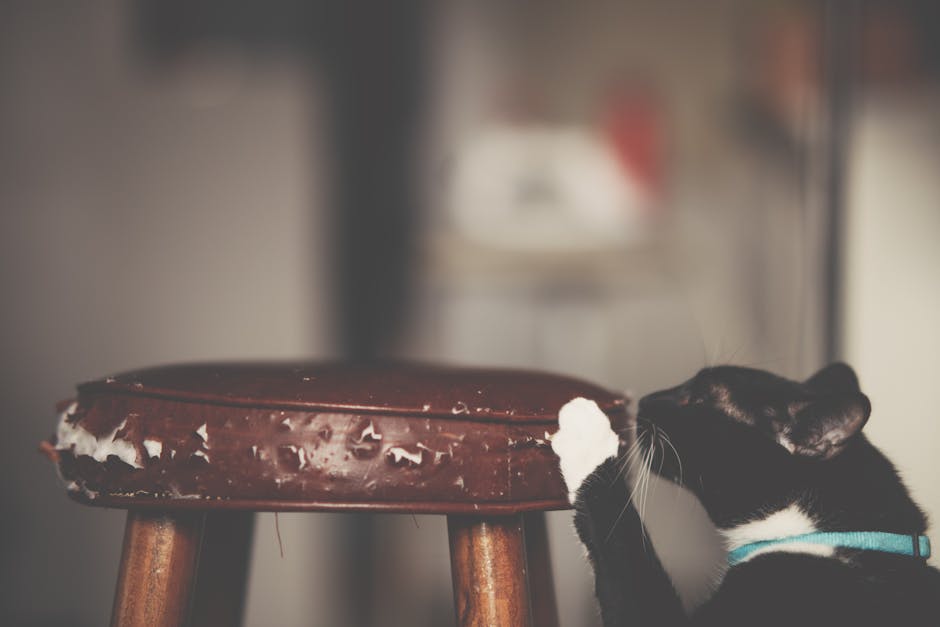
How to Keep My Cat from Scratching Furniture: Proven Tips
Is your feline friend turning your elegant sofa into a personal scratching post? You’re not alone.
Many cat owners find themselves in this furry dilemma, balancing the love for their pets with the love for their furniture. But don’t worry—there’s hope! Imagine a home where your cat is happy, your furniture remains scratch-free, and peace reigns supreme.
You’ll discover simple, effective strategies to keep your cat’s claws away from your beloved pieces. These tips are not only easy to follow but are also backed by insights into your cat’s natural behavior, making them more likely to work. So, if you’re ready to transform your home into a haven for both you and your cat, keep reading. Your furniture will thank you!
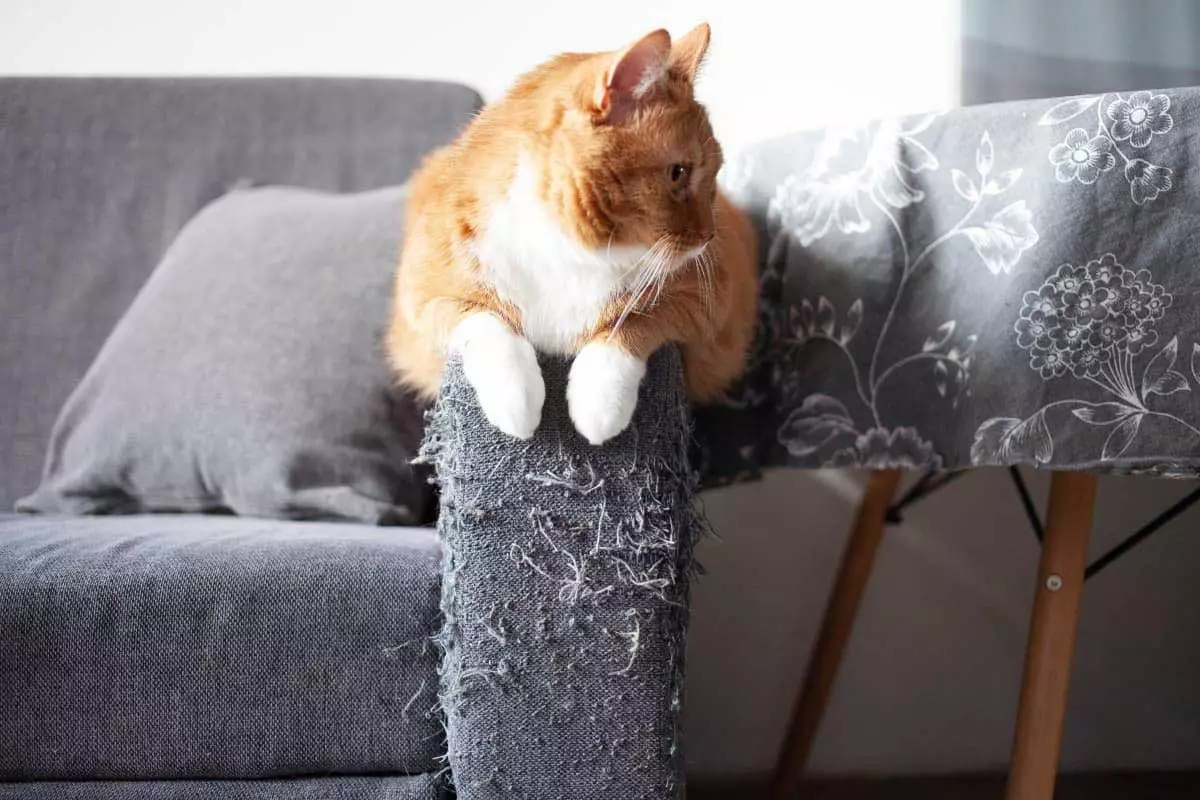
Credit: blog.homesalive.ca
Understanding Cat Scratching Behavior
Cats scratch to sharpen claws and mark territory. Provide scratch posts and pads to protect furniture. Ensure scratching areas are appealing with toys and catnip.
Understanding why cats scratch is crucial to managing this behavior. Cats don’t scratch furniture out of spite; it’s a natural and instinctive behavior. By learning the reasons behind their actions, you can create a more harmonious living space for both you and your feline friend.Why Do Cats Scratch?
Cats scratch for several reasons. It’s a way for them to mark their territory, as scratching leaves both a visual mark and a scent from glands in their paws. Scratching also helps cats stretch their bodies and flex their feet and claws.The Importance Of Scratching For Cats
Scratching is vital for your cat’s well-being. It helps them shed the outer layer of their claws, keeping them healthy. Consider how you feel after a good stretch—cats experience a similar satisfaction and relief.Recognizing Your Cat’s Scratching Triggers
Pay attention to when and where your cat scratches. Is it when they’re excited or stressed? Do they favor a specific piece of furniture? Understanding these triggers can help you redirect the behavior effectively.Can You Train Your Cat Not To Scratch Furniture?
Training a cat might sound challenging, but it’s entirely possible. Start by providing alternative scratching surfaces, like scratching posts or boards. Encourage your cat to use them by placing them near their favorite scratching spots.Personal Insight: My Journey With Scratching Solutions
I once struggled with my cat constantly scratching our new couch. After observing her behavior, I noticed she scratched more when she was bored. Introducing interactive toys and multiple scratching posts made a world of difference. Have you noticed a pattern with your cat’s scratching habits? Observing these nuances can lead to solutions that respect both your furniture and your cat’s needs. Understanding your cat’s natural instincts is the first step to a scratch-free home. Rather than viewing scratching as a problem, see it as an opportunity to enrich your cat’s life with suitable alternatives. Are you ready to meet this challenge head-on? With patience and understanding, you can guide your cat to more appropriate scratching habits.Choosing Scratch-friendly Alternatives
Protect your furniture by offering scratch-friendly alternatives. Provide scratching posts or mats to divert your cat’s attention. Use materials that appeal to their natural instincts, ensuring they stay away from your couch and chairs.
Choosing scratch-friendly alternatives is a smart strategy to keep your cat from damaging your furniture. Cats have an innate need to scratch, which is crucial for their physical health and mental well-being. Rather than trying to curb this natural behavior, providing appropriate items for your cat to scratch can save your furniture and keep your feline friend happy.Scratch Posts And Pads
Scratch posts and pads are essential for any cat owner. They come in various shapes, sizes, and materials, allowing you to find the perfect match for your cat’s preferences. Look for sturdy posts that won’t tip over easily. If your cat likes a softer texture, consider getting a cardboard or carpet pad. Place these items in areas your cat frequents. Remember, cats often scratch after waking up, so positioning a scratch post near their sleeping area can be effective.Cat Trees And Towers
Cat trees and towers offer a multi-functional space for your cat to play, climb, and scratch. These structures often feature multiple levels, encouraging your cat to explore and exercise. Choose a tree with various scratching surfaces, like sisal rope or carpet. Watch your cat’s reaction to different materials and adjust accordingly. Not only do these towers provide scratching outlets, but they also give your cat a vantage point to observe their surroundings. Wouldn’t it be great if your cat had a personal playground that also kept your couch safe? When selecting scratch-friendly alternatives, consider your cat’s unique personality and habits. What works for one cat might not work for another. By paying attention to your cat’s preferences, you can create an environment that satisfies their instincts while preserving your furniture.Training Techniques For Cats
Training your cat not to scratch the furniture requires patience and clever techniques. Understanding how cats think and behave can transform your approach from frustration to success. Let’s dive into effective training techniques that can help protect your furniture.
Positive Reinforcement
Cats respond well to encouragement. Reward your cat with treats when they scratch designated areas like a scratching post. This makes them associate the post with a positive experience. Over time, they’ll prefer the post over your couch.
Consistency is key. Make sure you reward them immediately, so they understand what action earned the treat. Consider using a specific sound, like a clicker, to reinforce the behavior.
Ask yourself, how can you make scratching posts more appealing? Adding catnip can make them irresistible. Experiment to find what works best for your feline friend.
Redirection Strategies
If your cat starts scratching the sofa, gently redirect them to a scratching post. Using toys can lure them away from your furniture. Wiggle a feather toy near a post to catch their attention and let curiosity lead them.
Position scratching posts strategically. Place them near the furniture they prefer scratching. This gives them a convenient alternative right in their favorite spot.
Consider the texture. Cats love variety. Providing different types of scratching surfaces, like carpet, sisal, or cardboard, can keep them engaged.
Think about your own experience. Have you noticed your cat’s favorite scratching spot? Use that insight to guide your redirection efforts.
Training your cat not to scratch furniture is about understanding their needs and providing alternatives. By using these techniques, you can create a harmonious environment for both you and your feline friend.
Protective Measures For Furniture
Cats bring joy and companionship to many homes. But their scratching can damage furniture. Protecting your furniture is essential to maintain its beauty. Here are practical measures to keep your furniture safe from sharp claws. These strategies offer effective solutions without causing stress to your cat.
Using Covers And Shields
Couch covers are practical and affordable. They protect your furniture from scratches. Choose heavy-duty materials for best results. Furniture shields are another option. They are transparent and blend well with decor. Shields guard against scratches while keeping the furniture’s look intact. Easy to install, they offer a barrier between claws and fabric.
Applying Deterrent Sprays
Deterrent sprays keep cats away from furniture. These sprays have scents cats dislike. But they are pleasant to humans. Spray them on areas where your cat scratches. Consistent use helps deter unwanted behavior. Always choose pet-safe sprays. They ensure your cat remains healthy and happy. Using deterrent sprays is an easy and effective solution.
Creating A Cat-friendly Environment
Crafting a cat-friendly space involves protecting furniture from scratches. Offer scratching posts to divert your cat’s attention. Place them near favorite furniture to encourage use.
Creating a cat-friendly environment is the key to preventing your furry friend from turning your furniture into a scratching post. Cats scratch to mark their territory, stretch, or simply because it feels good. By understanding their needs and offering alternatives, you can protect your beloved sofa and keep your cat happy. Let’s dive into how you can create a space that satisfies your cat’s natural instincts and keeps your home intact.Engaging Toys And Activities
Cats are curious creatures, always on the lookout for fun. Providing engaging toys and activities can keep them distracted from your furniture. Think of interactive toys like feather wands or laser pointers. These not only entertain but also promote exercise. Puzzle toys can stimulate their minds and keep them occupied for hours. Rotate toys regularly to maintain their interest. Remember, a bored cat is more likely to scratch where they shouldn’t.Comfortable Resting Areas
Cats love cozy spots to relax. Offer comfortable resting areas to reduce their need to scratch furniture for comfort. A soft cat bed or a plush cushion placed in a quiet corner can be ideal. Consider window perches where your cat can enjoy the view outside. Cats are drawn to sunlight, so place their bed near a sunny spot to make it more inviting. Have you noticed your cat preferring certain areas? Place their bed or blanket there. Creating designated resting zones can deter them from scratching your couch or chairs. What other ways have you tried to make your home cat-friendly? Share your insights in the comments below!
Credit: www.greensafaris.com
Maintaining Regular Claw Care
Regular claw care keeps your cat’s claws healthy and protects your furniture. Trim nails often to reduce scratching. Provide a scratching post to divert attention from couches and chairs.
Maintaining regular claw care is crucial for cat owners. It helps keep cats happy and furniture safe. Scratching is a natural behavior for cats. But it can lead to damaged furniture. Regular claw care can minimize this issue. It involves two main practices: nail trimming and using claw caps.Nail Trimming Tips
Trimming your cat’s nails is essential. It reduces the risk of scratches on furniture. Use a proper nail clipper designed for cats. Ensure your cat feels calm and relaxed before trimming. Gently press on the paw to extend the claw. Clip only the sharp tip. Avoid cutting the quick, the pink part of the nail. This area has nerves and blood vessels. Cutting it can cause pain and bleeding. Trim your cat’s nails every few weeks. This routine helps keep them dull and less likely to damage items.Claw Caps And Alternatives
Claw caps are small plastic covers for cat claws. They are a safe way to protect furniture. These caps prevent claws from damaging surfaces. Many pet stores sell them in various colors and sizes. They are easy to apply. Simply glue them onto your cat’s nails. They fall off naturally as nails grow. Claw caps are temporary and need replacing every 4 to 6 weeks. Some cats may not like claw caps. In such cases, consider alternatives like scratch posts. Provide different textures and sizes. Cats enjoy variety in their scratching surfaces. This keeps them engaged and away from your furniture.Assessing Cat Health And Stress Levels
Understanding your cat’s health and stress levels can help reduce furniture scratching. Cats often scratch when they’re anxious or unwell. Identifying these issues early can prevent unwanted behavior. Start by observing your cat’s daily habits and demeanor. This can offer clues to their physical and emotional well-being.
Signs Of Stress In Cats
Stress can make cats scratch furniture more. Look for changes in eating habits. A stressed cat might eat less or more than usual. Watch for increased hiding. This behavior often signals anxiety. Lethargy or excessive grooming can also be signs of stress. Paying attention to these behaviors helps identify if stress is the problem.
Consulting A Veterinarian
Visit a veterinarian if you suspect health issues. A vet can perform a thorough check-up. They will assess your cat’s physical condition. This can rule out medical problems causing the scratching. They may also provide tips for reducing stress. A professional evaluation ensures your cat receives proper care.

Credit: www.washingtonpost.com
Frequently Asked Questions
How Do I Get My Cat To Stop Clawing My Furniture?
Use a scratching post to redirect your cat’s clawing. Reward them with treats when they use it. Cover furniture with protective material like double-sided tape or aluminum foil. Trim your cat’s nails regularly to reduce damage. Provide toys to keep your cat engaged and distracted from furniture.
What Scent Keeps Cats From Scratching Furniture?
Citrus scents like lemon, orange, and lime deter cats from scratching furniture. Cats dislike the smell of lavender, eucalyptus, and peppermint. Use essential oils diluted in water to create a spray. Apply to furniture regularly to keep cats away.
At What Age Do Cats Stop Clawing?
Cats usually stop clawing as much by age 4 or 5. They may still scratch occasionally. Regular nail trimming and providing scratch posts help manage this behavior effectively.
How Do You Scratch Proof Furniture From Cats?
Protect furniture from cat scratches with slipcovers, use double-sided tape, and apply pet-friendly deterrent sprays. Provide scratching posts nearby to redirect behavior. Trim cat nails regularly to minimize damage.
Conclusion
Helping your cat avoid scratching furniture is possible. Use the tips shared here. Provide scratching posts and toys. Keep your cat’s nails trimmed regularly. Use cat-friendly deterrents on your furniture. Teach your cat gentle habits through positive reinforcement. Stay patient and consistent in your approach.
Remember, cats scratch to express themselves. They need outlets for their natural instincts. Protect your furniture while keeping your cat happy. A little effort can make a big difference. Enjoy a peaceful home with fewer scratches. Your cat will thank you.
And your furniture will stay safe.