How to Keep a Cat from Clawing Your Furniture: Proven Tips
Are you tired of finding scratch marks on your beautiful furniture? Does it feel like your cat has declared war on your couch?
You’re not alone. Many cat owners face the same challenge, and while it may seem like an uphill battle, there are effective ways to keep your cat’s claws away from your beloved pieces. Imagine walking into your living room and seeing your furniture as pristine as the day you bought it, free from unsightly scratches.
This isn’t just a dream; it’s entirely possible with a few simple strategies. Let’s explore how you can transform your home into a peaceful haven where both you and your furry friend can coexist happily, without sacrificing your stylish décor. Stick around to discover the secrets that will save your furniture and keep your cat content.
Understanding Cat Behavior
Cats are curious creatures with fascinating behaviors. To keep them from clawing furniture, understanding their behavior is key. Cats have unique ways of expressing themselves. Observing their actions helps us find solutions.
Cats claw furniture for several reasons. It’s crucial to delve deeper into these instincts. Learning why cats behave the way they do can assist in finding effective strategies.
Why Cats Claw Furniture
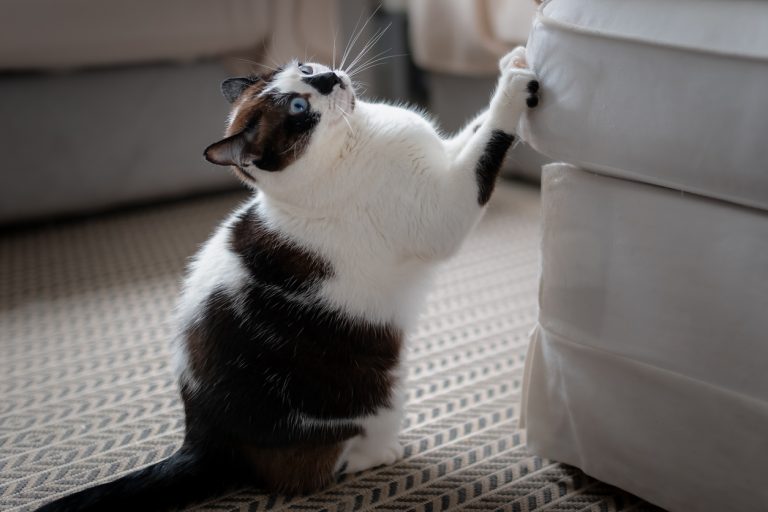
Clawing is a natural part of a cat’s life. It helps them stretch muscles and keep claws sharp. Clawing is also a form of marking territory. Cats leave their scent and visual marks on objects. This behavior is instinctive and not intended to harm.
Furniture often becomes a target due to its accessibility. Cats find the texture appealing for scratching. It’s an outlet for their energy and curiosity. Understanding this can guide us in redirecting their actions.
Natural Instincts
Cats are born with instincts that drive their behavior. Clawing is one such instinct. It mirrors their need for survival and communication. Clawing allows them to express themselves and fulfill natural urges.
These instincts are deeply ingrained. They provide security and comfort to cats. This understanding is vital in managing their clawing habits. Creating an environment that respects these instincts is crucial.
:max_bytes(150000):strip_icc()/__opt__aboutcom__coeus__resources__content_migration__mnn__images__2017__05__cat_shredded_couch-504b59c8e9c241b7a52b8d7cb65f148f.jpg)
Credit: www.treehugger.com
Preventive Measures
Keep your cat from clawing furniture by providing scratching posts. Use deterrent sprays to protect surfaces. Trim your cat’s nails regularly for added protection.
Keeping your cat from clawing at your furniture can seem like a daunting task, but preventive measures can make a world of difference. By understanding your cat’s natural instincts and providing suitable alternatives, you can protect your beloved couch and chairs. Let’s dive into practical steps to keep your home scratch-free and your cat content.Providing Scratching Alternatives
Cats have an innate need to scratch. It helps them stretch, mark territory, and keep their claws sharp. To prevent them from choosing your furniture, offer them better options. Place scratching posts or pads in areas your cat frequents. Consider their favorite lounging spots or near the furniture they’re tempted to scratch. The goal is to make these alternatives more appealing than your couch. Cats can be picky. Experiment with different textures and materials for scratching posts. Some prefer sisal rope, while others might enjoy cardboard or carpeted surfaces.Choosing The Right Scratching Post
Not all scratching posts are created equal. Choosing the right one can significantly influence your cat’s interest in it. Height is essential. Ensure the post is tall enough for your cat to fully stretch. A stable base is crucial to prevent wobbling, which could deter your cat from using it. Observe your cat’s scratching style. Do they prefer vertical or horizontal surfaces? Some cats love upright posts, while others might favor flat scratching pads. Tailoring the post to their preference increases the likelihood they’ll use it. Add variety by having multiple scratching stations. My cat, Luna, ignored her first post until I introduced a horizontal pad. The change made all the difference, and my couch was spared. Could your cat benefit from a similar tweak? Remember, the key to keeping your furniture safe is to make scratching posts irresistible. Regularly sprinkle catnip or hang toys to catch your cat’s attention. By doing so, you’re not only protecting your belongings but also enriching your cat’s environment.Training Techniques
Preventing cats from clawing furniture involves training them to use scratching posts. Offer enticing alternatives to your cat, like sisal-covered posts or cardboard scratchers. Reward their use with treats and praise to encourage positive behavior.
Training your cat to stop clawing furniture can be challenging. Cats instinctively scratch for various reasons, including marking territory and maintaining nail health. Fortunately, specific techniques can guide them towards better habits. Training is about patience and consistency. With the right methods, you can protect your furniture without compromising your cat’s well-being.Positive Reinforcement
Use treats to encourage good behavior. Reward your cat when it uses a scratching post. Praise them verbally to reinforce the positive action. Cats respond well to affection and rewards. Consistency matters. Regularly offer positive reinforcement after desired actions. This builds a habit. Your cat learns scratching posts are beneficial. Patience is key. Change takes time.Using Deterrents
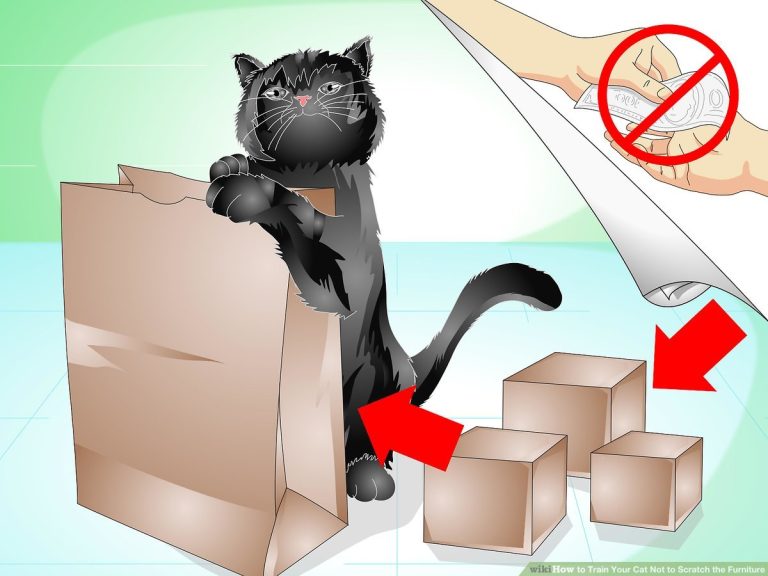
Deterrents can prevent furniture scratching. Use sprays designed to repel cats. Cats dislike certain scents like citrus. Apply these to furniture to discourage scratching. Sticky tape is another effective deterrent. Cats avoid sticky surfaces. Place tape on areas prone to scratching. This creates an unpleasant experience. They will seek alternatives. Protect furniture while training your cat to use scratching posts.:strip_icc()/keep-cat-from-scratching-carpet-554831_final-a8dcf3bb9e3b4c269259604c244f42d5.png)
Credit: www.thesprucepets.com
Environmental Adjustments
Prevent furniture damage by providing a cat scratching post near their favorite clawing spots. Entice cats with catnip or toys to redirect their scratching behavior. Regularly trim your cat’s nails to minimize damage to household items.
Cats are wonderful companions, but they can be quite the challenge when it comes to keeping your furniture intact. One effective way to deter your feline friend from clawing your cherished sofa is by making environmental adjustments in your home. By creating a space that meets your cat’s needs, you can protect your furniture while keeping your pet happy and healthy. Here’s how you can make your home more cat-friendly and reduce stress factors that may lead to unwanted scratching.Creating A Cat-friendly Space
Cats love to scratch. It’s in their nature. But why not channel that instinct into something beneficial for both of you? Add scratching posts and pads in areas your cat frequents. Consider placing one near your couch as a decoy. Different materials appeal to different cats. My tabby, Max, ignored the carpeted post until I switched to a sisal rope one. Suddenly, it became his favorite spot. Have you tried varying textures to see what your cat prefers? Vertical spaces are also a hit with cats. Shelves or cat trees provide great exercise and a sense of safety. A high perch can divert attention from your furniture. What if your cat had a special view from a high spot, would they still choose your sofa?Reducing Stress Factors
Stress can cause your cat to scratch more than usual. Identifying stressors in their environment is key. Are there new pets or changes in your routine that might be affecting your cat? Create a calm environment to reduce anxiety. Soft music or pheromone diffusers can help. When I introduced a new kitten, my older cat became restless. A calming diffuser made a noticeable difference. Ensure your cat has enough mental and physical stimulation. Boredom can lead to destructive behavior. Interactive toys, puzzle feeders, or even a simple cardboard box can work wonders. What new game can you introduce to keep your cat’s mind engaged? Address these environmental factors and you’ll likely see a reduction in unwanted scratching. Your furniture—and your cat—will thank you. What steps will you take today to create a more harmonious home for you and your feline friend?Maintenance Tips
Keeping your cat from clawing your furniture can seem like an uphill battle. But with the right maintenance tips, you can protect your beloved couch and chairs from those sharp claws. Let’s dive into some practical strategies that will help you maintain your furniture and keep your furry friend happy.
Regular Nail Trimming
Have you ever noticed how much calmer your cat is after a nail trim? Trimming your cat’s nails regularly is a simple yet effective way to reduce furniture clawing. Shorter nails mean less damage. You don’t have to be a professional groomer to do this.
Begin by familiarizing your cat with the sound and feel of nail clippers. This can be achieved by gently holding their paws and letting them sniff the clippers. Aim to trim their nails every couple of weeks. If you’re unsure, consult your vet for a quick tutorial. It’s worth asking yourself: How much easier would life be if your cat’s claws were a little less sharp?
Protective Covers
Protective covers can be a game changer. They’re like a shield for your furniture. Whether you opt for slipcovers, blankets, or specialized furniture protectors, they offer a layer of defense against scratches.
Choose materials that are durable and easy to clean. Many pet owners find success with microfiber or denim fabric. These covers can be stylish and practical. Think about mixing different textures and colors to add a cozy touch to your living space while safeguarding your furniture.
Imagine the peace of mind when you find your cat lounging on a cover instead of clawing at your couch. Protective covers not only protect your furniture but also allow your cat to enjoy their favorite spots without causing damage.
Incorporating these maintenance tips into your routine can make a noticeable difference. It might even transform your relationship with your cat. How will you feel knowing your furniture—and your cat—are safe and happy?
Credit: www.skaggsinc.com
Professional Help
Dealing with a cat scratching furniture can be frustrating. If you’ve tried everything and nothing works, professional help might be the answer. Experts can offer solutions tailored to your cat’s specific behavior. They can provide insights you might not have considered. Let’s explore two avenues for professional help.
Consulting A Veterinarian
A veterinarian can identify any medical reasons for scratching. Cats may scratch due to stress or health issues. A vet visit can help rule out these concerns. They can suggest calming products or treatments. These can reduce your cat’s urge to scratch.
Vets can also advise on dietary changes. Sometimes, nutritional deficiencies affect a cat’s behavior. They may recommend supplements for better health. This could reduce destructive scratching.
Behavioral Specialists
Behavioral specialists focus on understanding your cat’s actions. They assess why your cat claws furniture. Then, they develop a behavior plan for your pet. This plan might include training techniques.
Specialists often use positive reinforcement methods. Rewarding good behavior can change habits. They might suggest toys or scratching posts. These alternatives can divert your cat’s attention from furniture.
Engaging a behavioral specialist offers personalized advice. Their insights can transform your home environment. This can create a happier space for you and your cat.
Frequently Asked Questions
What Scent Keeps Cats From Scratching Furniture?
Cats dislike citrus scents like orange, lemon, and lime. Use these scents to deter them from scratching furniture. Essential oils or sprays can be applied to surfaces to keep cats away. Always ensure the products are safe for pets before use.
How Do You Scratch Proof Furniture From Cats?
Use scratch-resistant covers or furniture protectors. Provide scratching posts to divert your cat’s attention. Trim your cat’s nails regularly. Apply double-sided tape or citrus sprays to deter scratching. Train your cat with positive reinforcement techniques.
At What Age Do Cats Stop Clawing?
Cats never fully stop clawing as it’s a natural behavior. Clawing helps them stretch, mark territory, and maintain claw health. Providing scratching posts can reduce unwanted scratching on furniture. Training and regular nail trims can also help manage their clawing habits effectively.
How To Punish A Cat For Scratching A Couch?
Redirect your cat’s scratching with a scratching post near the couch. Use a deterrent spray on the couch. Reward positive behavior with treats. Offer toys to engage your cat’s attention away from furniture. Ensure nails are trimmed regularly to reduce damage.
Conclusion
Helping your cat avoid furniture damage takes patience and smart strategies. Focus on understanding your cat’s needs. Provide scratching posts and toys. Keep their claws trimmed regularly. Use deterrents like tape or sprays on furniture. Redirect their attention consistently. Reward good behavior and keep interactions positive.
Every cat is unique. Discover what works best for yours. With time, your furniture stays safe, and your cat stays happy. Building a harmonious home is possible. You just need to balance your cat’s natural instincts with smart solutions. Keep experimenting.
You’ll find the perfect approach soon!