How to Brush Your Cat’S Teeth: Simple Steps & Tips
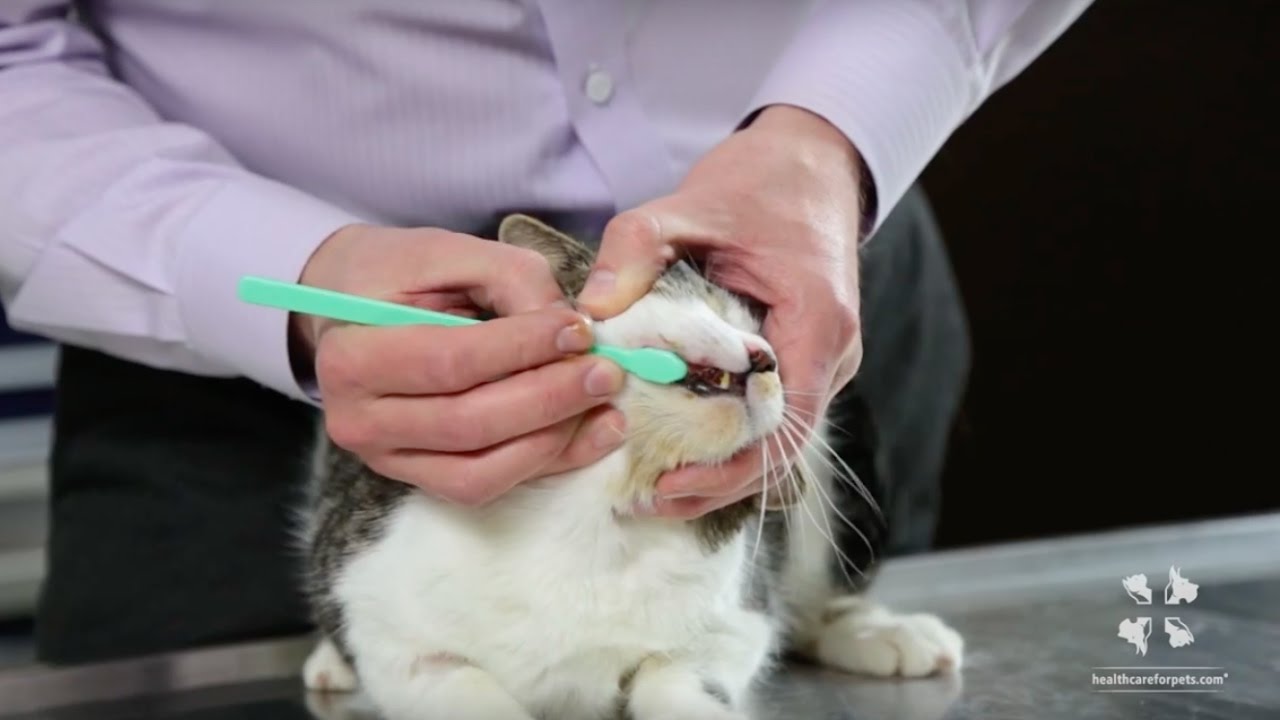
Do you know that brushing your cat’s teeth is as important as feeding them? Picture this: a healthier, happier cat with sparkling teeth and a smile that says “thank you.”
You’re not just maintaining their oral hygiene; you’re boosting their overall well-being. Imagine the peace of mind knowing your furry friend is free from painful dental issues. You’ll discover simple steps to transform your cat’s dental care routine. You may be thinking, “How can I do this without a struggle?
” Don’t worry. We’ve got you covered with tips and tricks to make this an enjoyable experience for both you and your cat. Dive in to unlock the secret to a healthier, more joyful kitty!
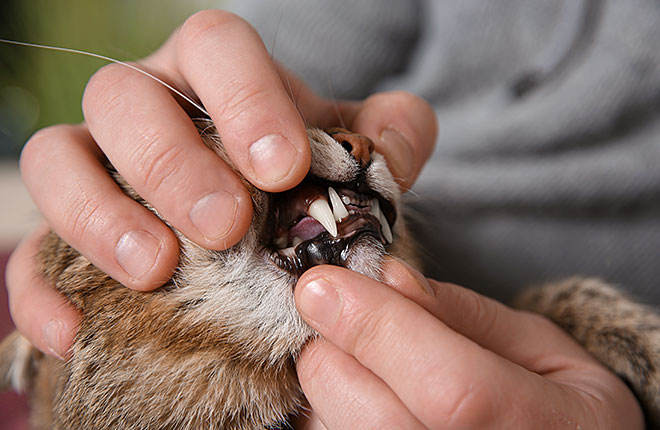
Credit: www.zoetispetcare.com
Importance Of Cat Dental Care
Caring for your cat’s dental health is crucial. Dental issues can cause severe discomfort and health problems. Regular brushing helps prevent plaque buildup and gum disease. It also ensures your cat’s overall well-being.
Why Cat Dental Care Matters
Cats often hide their pain. Dental problems might go unnoticed. Untreated dental issues can lead to infections. These infections can affect vital organs. Regular dental care is essential for prevention.
Signs Of Dental Problems In Cats
Bad breath is a common sign. Look for drooling or pawing at the mouth. Notice if your cat avoids eating. These signs may indicate dental pain.
Benefits Of Regular Teeth Brushing
Brushing removes plaque and food particles. It prevents tartar build-up. Clean teeth reduce the risk of gum disease. It also keeps your cat’s breath fresh.
Long-term Health Benefits
Good dental care extends your cat’s life. It prevents painful dental diseases. Healthy teeth support better nutrition. Your cat stays happy and active.
Professional Dental Check-ups
Regular vet visits are important. Vets can spot hidden dental issues. They provide professional cleanings if needed. This keeps your cat’s mouth healthy.
Choosing The Right Tools
Brushing your cat’s teeth is important for their health. The right tools make the task easier. You need a good toothbrush and toothpaste. Let’s explore your options.
Cat Toothbrush Options
Choose a toothbrush designed for cats. They have soft bristles and a small head. Finger brushes are another option. They fit over your finger for better control. Some cats prefer this type. Both are good choices.
Selecting Cat-friendly Toothpaste
Use toothpaste made for cats. Human toothpaste can be harmful. Cat toothpaste comes in flavors like chicken or fish. These flavors make brushing more pleasant for your cat. Always check the ingredients. Ensure they are safe for pets.
Preparing Your Cat
Brushing your cat’s teeth can seem daunting. But preparation is key. A calm and familiar setting helps. Your cat needs to feel safe. This makes the process smoother.
Getting Your Cat Comfortable
Start by handling your cat’s mouth gently. Do this daily. Touch their lips and gums softly. Use a finger first. This builds trust. Gradually introduce a toothbrush. Let them sniff and examine it. Familiarity reduces anxiety.
Creating A Calm Environment
Choose a quiet room with few distractions. Close doors and windows. Soft music can help relax your cat. Speak in a gentle voice. Your calmness reassures them. Always be patient. Rushing causes stress.
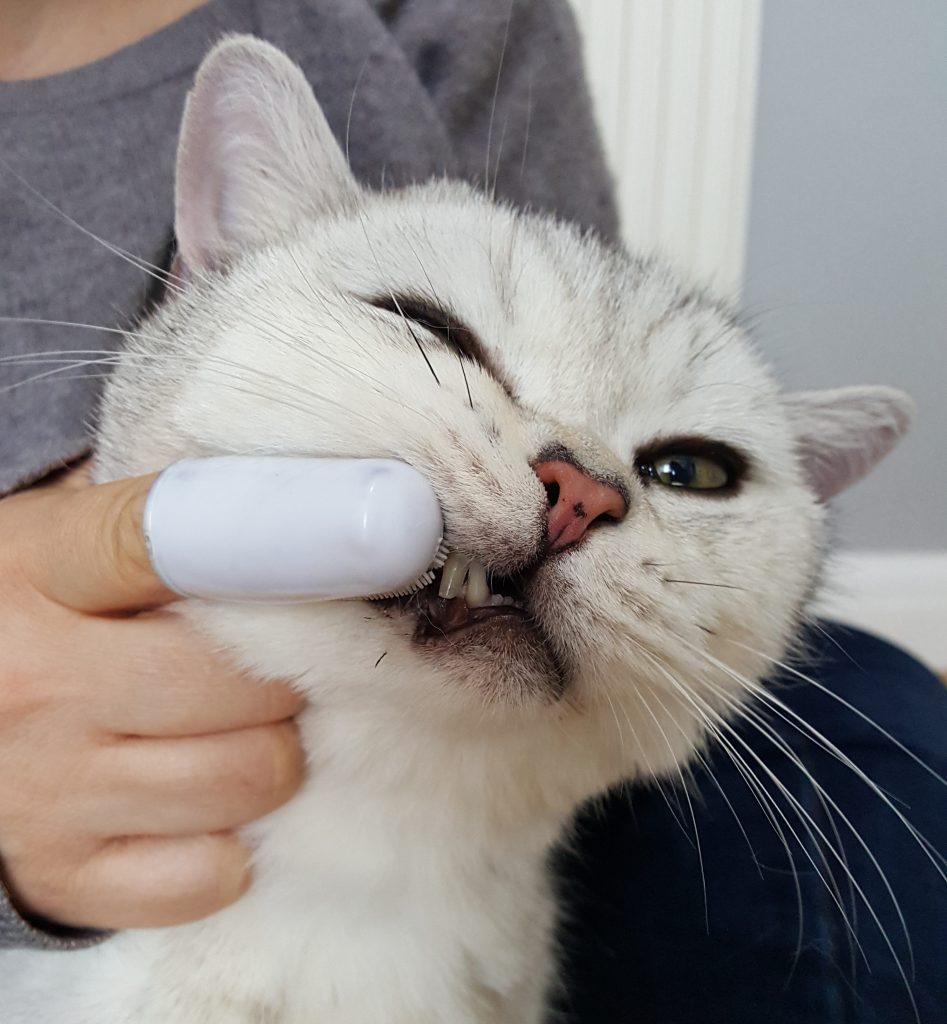
Credit: thecatdoctor.co.uk
Step-by-step Brushing Guide
Keeping your cat’s teeth clean can be a daunting task, but it’s crucial for their overall health. Cats, like humans, can suffer from dental issues if their teeth aren’t properly cared for. This step-by-step guide will walk you through the process of brushing your cat’s teeth, ensuring it’s as stress-free as possible for both you and your feline friend. Let’s dive into the steps you need to make this a pleasant experience for your cat.
Introducing The Toothbrush
Start by choosing a toothbrush specifically designed for cats. These brushes are usually smaller and softer, making them suitable for your cat’s delicate gums. Introduce the toothbrush slowly by letting your cat sniff and inspect it. You can rub a little of your cat’s favorite treat on the brush to create a positive association.
Don’t rush this process. Allow your cat to get comfortable with the toothbrush over a few days. Patience is key here; your cat needs time to trust this new tool.
Proper Brushing Technique
When your cat seems comfortable with the toothbrush, it’s time to start brushing. Use a pet-safe toothpaste; human toothpaste can be harmful to cats. Apply a small amount of toothpaste on the brush.
Gently lift your cat’s lip and brush in small circular motions. Focus on the outer surfaces of the teeth, as cats don’t usually let you brush the inside. Keep sessions short—around a minute or two—to avoid stressing your cat.
Rewarding Your Cat
After brushing, reward your cat with a treat or affection. This positive reinforcement helps them associate brushing with good things. You can also play with them or give them a favorite toy.
Consistency is crucial; try to brush your cat’s teeth regularly. Gradually, your cat will learn to tolerate, if not enjoy, the experience. What reward works best for your cat? Experiment to find what they love most.
Brushing your cat’s teeth might seem like an unusual task, but with patience and the right approach, it can become a normal part of your routine. Have you tried any specific techniques that helped your cat feel more comfortable with brushing?
Common Challenges And Solutions
Brushing your cat’s teeth might seem daunting. Many cat owners face challenges. Understanding these can make the process smoother. Learn effective solutions for common issues.
Dealing With Resistance
Most cats resist tooth brushing. They dislike the sensation. Try using a finger toothbrush. It feels less intrusive. Introduce it slowly. Let your cat sniff it first. Reward them with treats. Positive reinforcement helps build trust. Gradually increase brushing time. Patience is key.
Handling Nervous Cats
Nervous cats need extra care. Start with short sessions. Comfort them with gentle words. Stroke their fur softly. Use a calm voice. Ensure a quiet environment. Remove distractions. A relaxed setting eases tension. Consider calming sprays. They soothe anxious felines. Over time, brushing becomes routine.
Maintaining A Routine
Establish a routine to brush your cat’s teeth for healthy gums and fresh breath. Use a cat-friendly toothbrush and toothpaste. Gently clean in small circles. Make it a calm, daily ritual to prevent dental issues.
Maintaining a routine is crucial for your cat’s dental health. Regular brushing helps prevent dental issues. Cats are creatures of habit. They thrive on consistency. Establishing a brushing routine ensures your cat remains comfortable. It also makes the process easier for you.Setting A Schedule
Set a consistent brushing schedule for your cat. Choose a time when your cat is relaxed. Evening or after meals can be ideal. Begin with short sessions. Gradually extend the time as your cat adapts. Consistency helps your cat anticipate the routine. It reduces stress and makes brushing smoother. Keep the environment calm and quiet. This encourages a positive experience.Monitoring Dental Health
Regular brushing helps you monitor your cat’s dental health. Check for signs like red gums or bad breath. These can indicate dental issues. Early detection prevents severe problems. Observe your cat’s behavior during brushing. Reluctance or discomfort might signal pain. Contact a veterinarian if you notice anything unusual. Maintaining a routine aids in keeping track of changes. It’s a proactive approach to your cat’s oral care.Additional Tips For Success
Brushing your cat’s teeth can be challenging. But with patience and the right techniques, you can make it a positive experience. Here are additional tips for success. These will help keep your cat’s teeth healthy and clean.
Using Dental Treats
Dental treats can support your cat’s oral health. They come in various flavors and textures. Choose treats designed to reduce plaque and tartar. These treats can supplement regular brushing. They are not a complete replacement, though. Always read the label. Ensure the treats are safe and suitable for your cat.
Consulting A Veterinarian
Your veterinarian can offer valuable advice. They know your cat’s dental history. Discuss any concerns about your cat’s teeth. The vet can recommend appropriate toothbrushes and toothpaste. They may also suggest professional cleanings. Regular check-ups are crucial for spotting dental issues early. Trust your vet’s expertise to guide you.
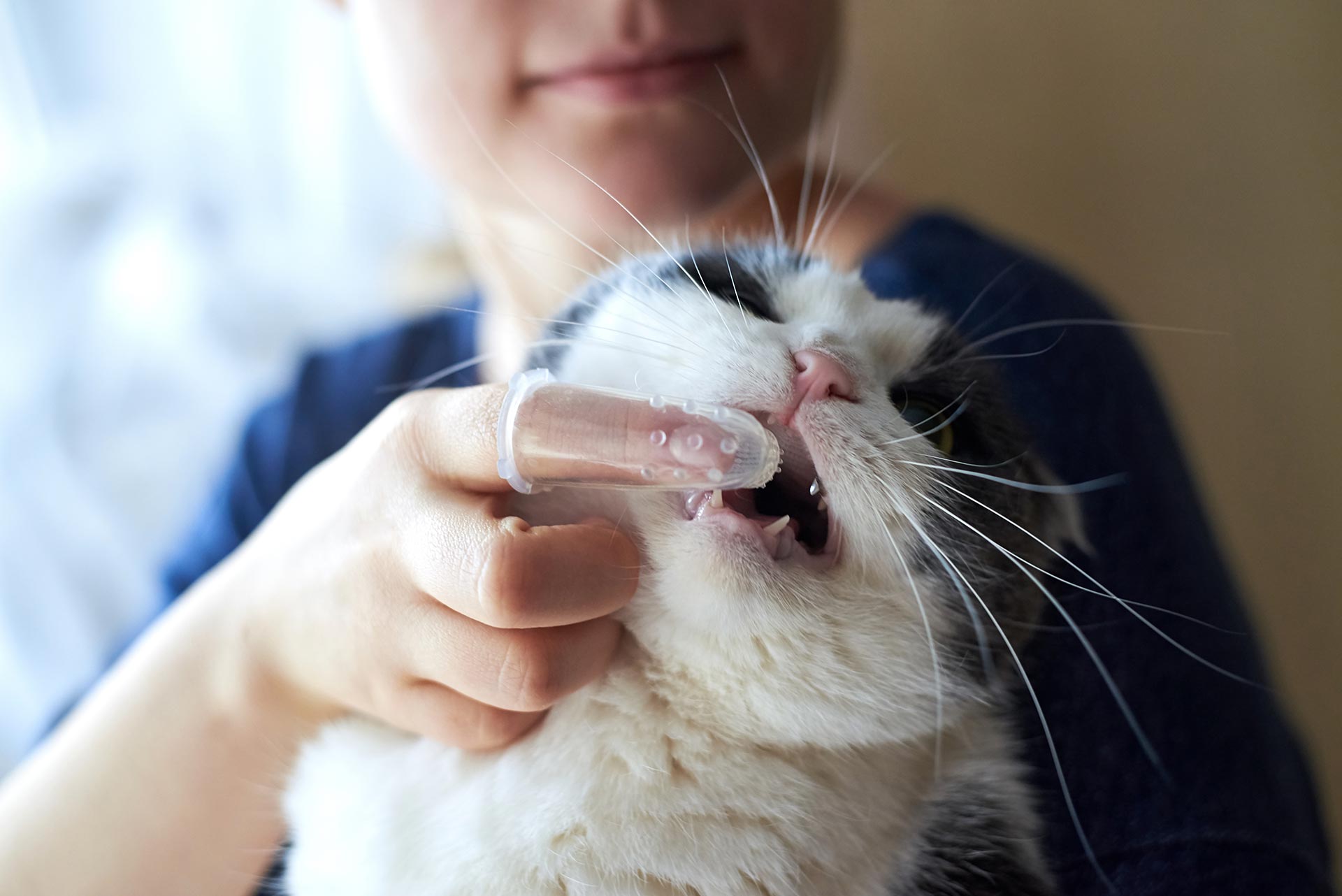
Credit: stpaulpet.com
Frequently Asked Questions
Are You Supposed To Brush Your Cat’s Teeth?
Yes, brushing your cat’s teeth is recommended. It helps prevent dental issues and improves overall health. Use a cat-specific toothbrush and toothpaste for best results. Start slowly to get your cat comfortable with the process. Regular dental care can extend your cat’s life and improve their quality of living.
What To Do If A Cat Won’t Let You Brush Your Teeth?
Use positive reinforcement with treats and patience. Gradually introduce the toothbrush and paste. Try using flavored toothpaste or finger brushes. Distract with toys or gentle petting. Consult a vet for alternative dental care methods if needed.
How To Brush Cat’s Teeth By Yourself?
Use a cat-safe toothbrush and toothpaste. Gently lift the cat’s lip and brush in circular motions. Start with a few teeth and gradually increase. Reward your cat with treats or playtime to create a positive experience. Regular brushing helps maintain your cat’s dental health.
Can I Use Toothpaste On My Cat?
Using toothpaste for humans on cats is unsafe. Cats may ingest harmful substances, risking health issues. Opt for cat-specific toothpaste.
Conclusion
Brushing your cat’s teeth is crucial for their health. Start gently, using a cat-friendly toothbrush and toothpaste. Gradually, your cat will get used to the routine. Consistency is key. A few minutes a day can prevent dental issues. Monitor your cat for any signs of discomfort.
If needed, consult your vet for advice. Remember, a healthy mouth leads to a happy cat. With patience, you can make tooth brushing a bonding time. Your furry friend will thank you with purrs and cuddles. Keep their smile bright and their breath fresh.

Similar Posts