How to Brush My Cat Teeth: Easy Step-by-Step Guide
Do you know that brushing your cat’s teeth can significantly improve their health? It’s true!
Just like humans, cats need proper oral care to prevent diseases and discomfort. You might be thinking, “How on earth do I even begin to brush my cat’s teeth? ” Don’t worry; you’re not alone. Many cat owners find this task daunting at first.
But imagine being able to give your furry friend a healthier, happier life with just a few simple steps. You have the power to make this a reality. We’ll guide you through the process of brushing your cat’s teeth, making it straightforward and stress-free. You’ll learn tips and tricks to ensure your cat’s dental hygiene is up to scratch, and why it’s crucial for their overall well-being. Let’s dive in and discover how you can be the hero your cat needs!
Why Cat Dental Care Matters
Proper dental care is crucial for your cat’s overall health. Neglecting it can lead to serious problems. Cats can’t tell us they have a toothache. Regular brushing prevents issues before they start. Healthy teeth mean a healthier cat.
Dental diseases are common in cats. Many cats over age three have some form of dental disease. This can cause pain and lead to eating problems. Dental care helps prevent these issues. A little effort can save your cat from pain.
Why Healthy Teeth Are Important
Healthy teeth help your cat eat properly. Chewing is the first step in digestion. If a cat’s teeth hurt, they may avoid eating. This can lead to weight loss and other health issues. Brushing keeps teeth strong and pain-free.
The Risks Of Poor Dental Hygiene
Poor dental hygiene can lead to gum disease. Gum disease can cause tooth loss. It can also spread bacteria to other parts of the body. This can affect the heart and kidneys. Regular brushing helps prevent these serious risks.
Signs Your Cat Needs Dental Care
Watch for signs of dental issues. Bad breath is often the first sign. Difficulty eating or losing weight can indicate a problem. Pawing at the mouth can mean discomfort. If you notice these signs, it’s time for a dental check-up.
How Brushing Can Help
Brushing removes plaque and prevents tartar buildup. It keeps gums healthy and teeth strong. Regular brushing reduces the risk of dental disease. It’s a simple way to keep your cat healthy and happy.
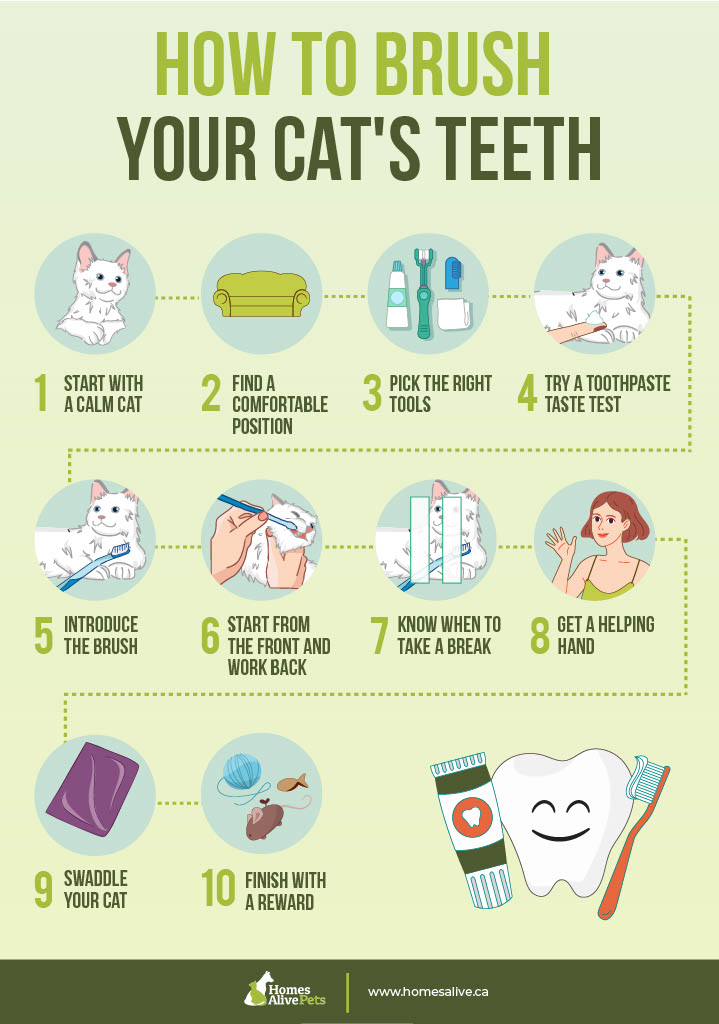
Credit: info.homesalive.ca
Choosing The Right Supplies
Selecting the right supplies is crucial for brushing your cat’s teeth effectively. Choose a cat-specific toothbrush and toothpaste. Ensure the brush has soft bristles to avoid harming their gums.
Choosing the right supplies for brushing your cat’s teeth can make the process much smoother and more effective. Without the right tools, both you and your cat might find the task daunting. But with the correct toothbrush and toothpaste, you can turn this routine into a pleasant bonding experience. Let’s dive into the essentials you need to make this a success.Types Of Cat Toothbrushes
When picking a toothbrush for your cat, consider their comfort and your ease of use. Finger brushes are popular because they allow for more control and are less intimidating for your feline friend. You simply slip it onto your finger and gently rub your cat’s teeth. For cats more accustomed to brushing, a dual-headed toothbrush may be a great option. These have small and large brush heads, catering to cats of different sizes. Some pet owners prefer angled brushes as they help reach those tricky spots in the back of the mouth. It’s crucial to choose a brush that won’t irritate your cat’s gums. Soft bristles are always recommended. Have you ever tried brushing your cat’s teeth with a toothbrush designed for dogs or humans? The size and texture can be off-putting for cats, so always opt for a cat-specific option.Selecting Cat-friendly Toothpaste
Regular human toothpaste can be harmful to cats. It contains ingredients that are not meant to be swallowed, and your cat won’t spit it out like we do. Instead, look for toothpaste formulated especially for cats. Cat toothpastes often come in flavors that appeal to feline tastes, such as chicken or tuna. This can make the brushing experience more enjoyable for them. If your cat is hesitant, try letting them taste a little of the toothpaste on your finger first. Reading the labels is important. Ensure the toothpaste is enzymatic, which helps break down plaque and tartar more effectively. Have you thought about involving your vet in the selection process? They can recommend brands that are safe and effective for your pet. By choosing the right supplies, you set the foundation for a successful tooth-brushing routine. What supplies have you found make the task easier and more enjoyable for both you and your cat?Getting Your Cat Comfortable
Brushing your cat’s teeth keeps them healthy and strong. Use a small brush with cat-safe toothpaste. Gently lift their lip and brush in small circles.
Getting your cat comfortable with tooth brushing can be a game changer for their dental health. This might seem daunting at first, but with a little patience and the right approach, you can make it a positive experience for both you and your furry friend. Let’s dive into some practical steps to help your cat feel at ease with this new routine.Acclimating To Toothbrush
Start by introducing the toothbrush slowly. Choose a brush specifically designed for cats, as they are smaller and softer, making them less intimidating. Let your cat sniff and play with the toothbrush. This allows them to get used to its presence without any pressure. You can even try gently rubbing the toothbrush against their cheek without toothpaste. This simple act can help them associate the toothbrush with something non-threatening. Do this for a few days to build familiarity. Consider using a finger brush initially. It’s less formal and can feel like an extension of your hand, which your cat is already comfortable with. This familiarity can help ease their anxiety.Familiarizing With Toothpaste Flavor
Cat toothpaste comes in a variety of flavors, like chicken or fish. Choose a flavor you think your cat will enjoy. You can experiment with a small amount on your finger, letting your cat lick it off. Observe their reaction to the flavor. If they seem to like it, incorporate it into your toothbrushing routine. If not, try a different flavor until you find one they love. Think about the texture too. Some cats prefer smoother textures, while others might enjoy a paste with a bit of grit. Finding the right combination can make a big difference. Is your cat more interested in the toothpaste or the toothbrush? Understanding their preferences can be key to a successful brushing routine. Remember, the goal is to make this a positive experience. With time and patience, brushing your cat’s teeth can become a simple and effective part of your pet care routine.Step-by-step Brushing Process
Brushing your cat’s teeth might seem like a daunting task, but breaking it down into simple steps can make the process smoother and more effective. A step-by-step approach ensures that you cover all important aspects, from getting your cat into the right position to focusing on those tricky problem areas. With patience and practice, you can turn this routine into a bonding experience for you and your furry friend. Let’s dive into how you can make this task easier and more enjoyable for both you and your cat.
Positioning Your Cat
Start by choosing a quiet spot where your cat feels comfortable. You might find that sitting on the floor works best. Hold your cat gently, ensuring they are relaxed. If your cat is a bit squirmy, try wrapping them in a towel with just their head exposed. This gentle restraint can help keep them calm. Have you ever noticed how a soothing voice can ease them? Speak softly to reassure your cat.
Applying Toothpaste To Brush
Use a cat-specific toothpaste, as human toothpaste can be harmful. Squeeze a small amount onto a cat toothbrush or a finger brush. What flavors does your cat prefer? Opt for a toothpaste with a flavor they enjoy, like chicken or tuna. Let them sniff the toothpaste first. This can spark their curiosity and make them more willing to let you proceed.
Proper Brushing Technique
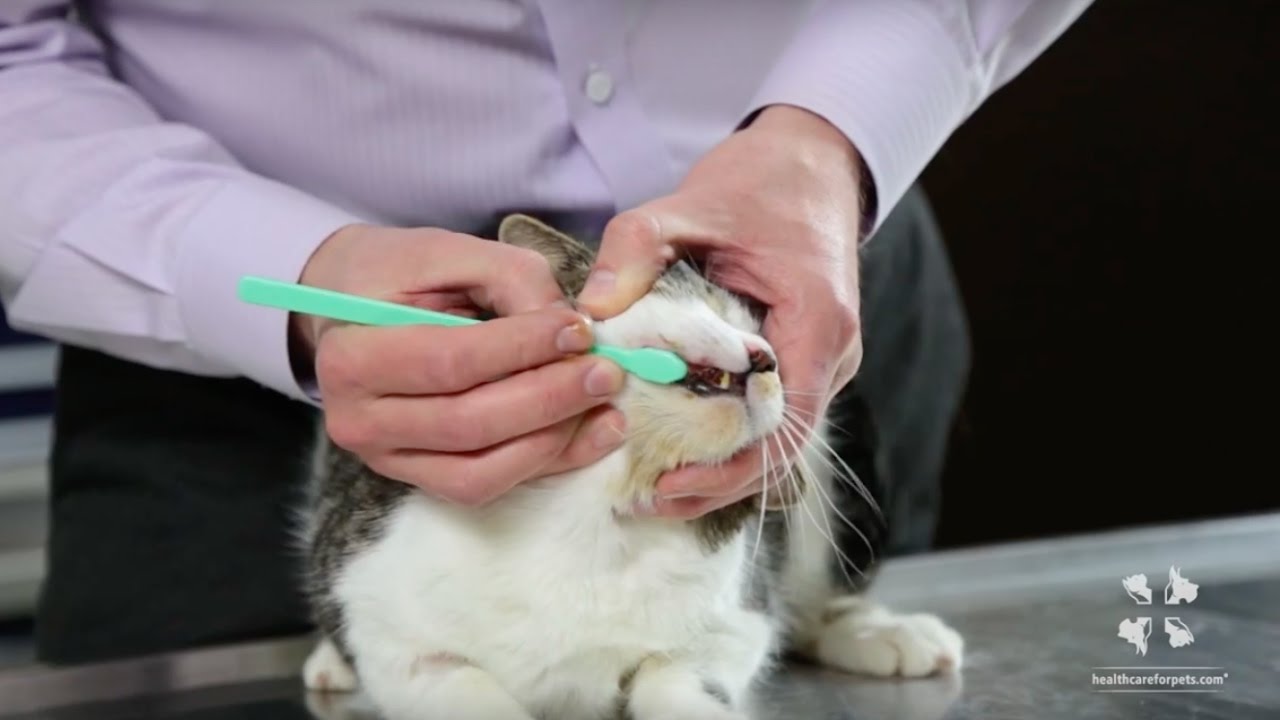
Begin by gently lifting your cat’s lip to expose their teeth. Start brushing the outer surfaces with gentle circular motions. Use short strokes and focus on one section at a time. Have you considered the pressure you’re applying? Ensure you’re not brushing too hard, as this can cause discomfort. Keep sessions short, gradually increasing the duration as your cat gets used to the routine.
Focusing On Problem Areas
Pay special attention to the back teeth and gum line, where plaque tends to build up. These areas might be harder to reach, but they are crucial for maintaining dental health. Is there a spot your vet has advised you to focus on? Use a little extra time and care there. If you spot any redness or swelling, consult your vet for further guidance. Regular brushing can prevent dental issues before they start.
Creating a positive experience for your cat during brushing can lead to better results and a healthier smile. Remember, consistency is key. Take it one step at a time, and soon enough, you’ll both look forward to this daily routine.
Post-brushing Care
Brushing your cat’s teeth is crucial for their health. After brushing, offer a dental treat to reward them. Ensure their gums look healthy and free from redness or swelling.
After you’ve successfully brushed your cat’s teeth, it’s crucial to focus on post-brushing care. This step ensures that the brushing session ends on a positive note and sets the stage for future dental care. It also helps maintain the tools you used, making the next session smoother and more hygienic.Rewarding Your Cat
Celebrate your cat’s cooperation with a treat or some extra petting. Positive reinforcement is key to making the tooth brushing routine enjoyable for your feline friend. Did your cat tolerate the brushing session better than expected? Give them their favorite snack or engage in a play session. This reinforces good behavior and builds a positive association with the activity. Imagine if every dental visit ended with a reward—wouldn’t you look forward to it more? Consistent rewards can also help reduce your cat’s anxiety over time. This makes future sessions easier and less stressful for both of you. Remember, patience is your ally here.Cleaning The Brush
Once the brushing session is over, it’s time to clean the tools you used. Rinse the toothbrush thoroughly under warm water to remove any leftover toothpaste or debris. This prevents bacteria buildup and keeps the brush ready for next time. Have you noticed if the bristles are wearing out? Consider replacing the toothbrush every few months to ensure effective cleaning. Storing the brush properly is just as important. Keep it in a dry place to avoid mold and bacteria. A clean brush means a clean mouth for your cat, enhancing their overall health. By focusing on these post-brushing care steps, you can create a positive dental care routine that benefits both you and your cat. What strategies have you found most effective in maintaining your cat’s dental hygiene?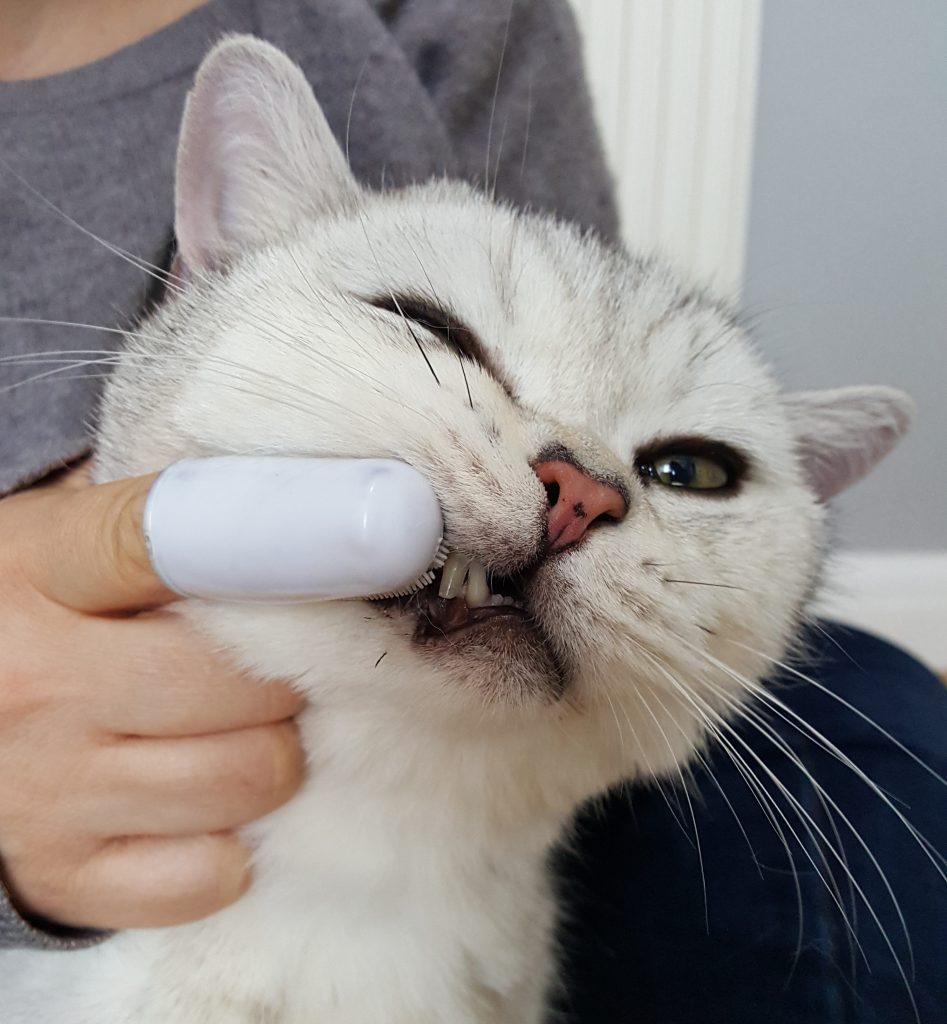
Credit: thecatdoctor.co.uk
Troubleshooting Common Issues
Brushing your cat’s teeth can be tricky, but patience helps. Use a cat-friendly toothbrush and toothpaste. Gently hold your cat’s head and brush in small circles.
Troubleshooting Common Issues Brushing your cat’s teeth can be a challenging task, but it’s crucial for their dental health. You might face resistance or notice unpleasant odors during this process. Understanding how to troubleshoot these common issues can make the experience smoother for both you and your feline friend.Dealing With Resistance
It’s normal for cats to resist having their teeth brushed. Start by letting your cat get used to the toothbrush. Let them sniff and play with it. Use treats as a reward system to create positive associations. If your cat pulls away or becomes agitated, pause and try again later. Patience is key. Try brushing at a time when your cat is most relaxed. This could be after a meal or a nap. Have you tried using flavored cat toothpaste? Some cats find it enticing and may be more cooperative.Addressing Bad Breath
Bad breath in cats can be a sign of dental problems. Regular brushing can help, but sometimes it’s not enough. Check your cat’s diet and ensure they’re eating high-quality food that promotes dental health. Incorporate dental treats designed to reduce tartar and freshen breath. If the bad breath persists, it might be time for a vet check-up. Could there be an underlying health issue? Remember, a healthy mouth contributes to your cat’s overall well-being. Are you noticing improvements after making these changes? Share your observations and keep track of what works best for your cat.Maintaining A Regular Routine
Establishing a routine can make brushing your cat’s teeth easier. Gently introduce the toothbrush and toothpaste. Consistency helps your cat get comfortable, reducing stress for both of you.
Creating a regular routine for brushing your cat’s teeth not only ensures their dental health but also strengthens the bond between you and your furry friend. Just like you, your cat needs consistent oral care to prevent tartar build-up and gum disease. Establishing this routine might seem challenging at first, but with patience and some creativity, it becomes a rewarding experience for both you and your cat.Frequency Of Brushing
How often should you brush your cat’s teeth? Ideally, daily brushing is the gold standard. However, if this isn’t possible, aim for at least three times a week. Consistency is key. Cats, much like humans, thrive on routine. Choose a time when your cat is relaxed, maybe after their meal or playtime. Remember, the goal is to make this a positive experience. If your cat resists, don’t force it. Gradually increase the frequency as your cat becomes more comfortable.Incorporating Dental Treats
Dental treats can be a fantastic addition to your cat’s oral care routine. They are not just tasty but also formulated to help reduce plaque and tartar. Select treats specifically designed for dental health. Look for the Veterinary Oral Health Council (VOHC) seal of approval to ensure their effectiveness. Use these treats as rewards post-brushing. This not only reinforces positive behavior but also makes the whole process more enjoyable for your cat. Have you ever thought about the impact of neglecting your cat’s dental health? By maintaining a regular brushing routine and incorporating dental treats, you can avoid unnecessary vet visits and costly dental procedures. Embrace this simple habit and give your cat the care they deserve.When To Seek Professional Help
Taking care of your cat’s dental health is vital. Regular brushing helps prevent problems. Sometimes, professional help is needed. Knowing when to consult a vet is key.
Signs Of Dental Problems
Watch for signs that your cat might have dental issues. Bad breath is often the first sign. Drooling or pawing at the mouth may indicate pain. Discolored teeth or swollen gums need attention. Difficulty eating or chewing might also suggest a problem. These signs should not be ignored.
Consulting A Veterinarian
When dental problems arise, consult a veterinarian. They can assess your cat’s dental health. A professional cleaning might be required. They offer advice on maintaining healthy teeth. Regular check-ups ensure issues don’t worsen. Your vet can recommend the best toothbrush and toothpaste. Seeking professional help keeps your cat healthy and happy.
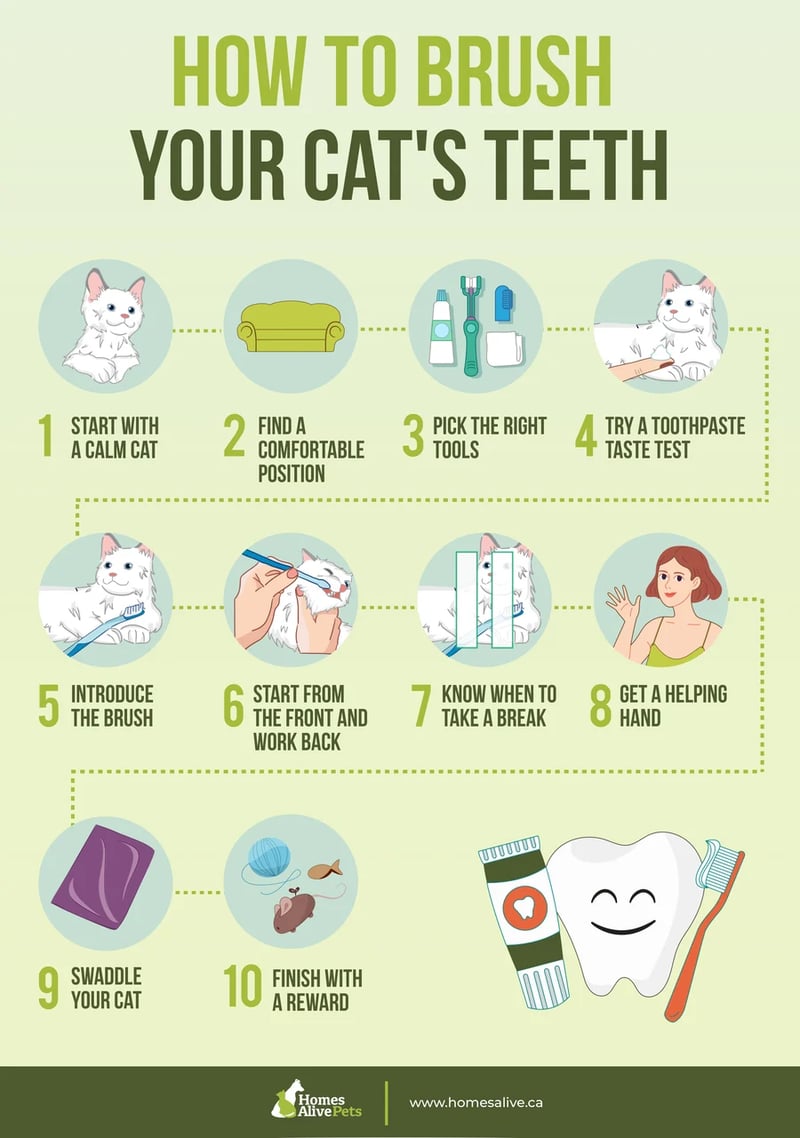
Credit: blog.homesalive.ca
Frequently Asked Questions
Am I Supposed To Brush My Cat’s Teeth?
Yes, you should brush your cat’s teeth regularly. Dental hygiene prevents plaque, tartar, and gum disease. Use a cat-specific toothbrush and toothpaste. Start slowly to help your cat get comfortable with the process. Regular brushing supports overall health and reduces vet visits.
What To Do If A Cat Won’t Let You Brush Your Teeth?
Try using a finger brush or gauze for gentle teeth cleaning. Introduce it slowly with treats and patience. Offer dental chews or toys to help maintain oral hygiene. Consult a vet for professional advice on managing dental care for your cat.
Is Toothpaste Safe For Cats?
Toothpaste for humans is not safe for cats. It contains ingredients harmful to them, like fluoride and xylitol. Use cat-specific toothpaste for their dental care. Always consult your veterinarian before trying new products on your pet. Prioritize your cat’s health with appropriate dental hygiene products.
What Is The Best Way To Clean Your Cat’s Teeth?
Brush your cat’s teeth daily using a cat-specific toothbrush and toothpaste. Regular dental check-ups are essential. Offer dental treats to help reduce plaque buildup. Ensure your cat is comfortable during the process for effective cleaning.
Conclusion
Brushing your cat’s teeth keeps their mouth healthy and clean. Start slowly, using treats to reward good behavior. Patience is essential. Consistent brushing prevents plaque and tartar buildup. Choose a cat-friendly toothbrush and toothpaste. Regular vet check-ups ensure your cat’s dental health.
Practice makes perfect. Keep sessions short and positive. Your cat will adjust over time. Enjoy the bonding experience. Your furry friend will appreciate it. A little effort goes a long way. Happy brushing!

Similar Posts