How Often Should You Brush Your Cat Teeth: Expert Tips
You want the best for your furry friend, and that includes their dental health. But how often should you actually be brushing your cat’s teeth?
It’s a question that many cat owners ask, and the answer isn’t always straightforward. Understanding the importance of regular dental care for your cat is crucial, not just for their oral health but for their overall well-being. Neglecting it could lead to bigger problems, like gum disease or tooth loss, which can be painful and costly to treat.
So, if you’re curious about the best practices to keep your cat’s teeth clean and healthy, you’ve come to the right place. This article is designed to give you the insights you need to ensure your cat’s smile stays bright and their health stays on track. Keep reading, because what you learn might just save you—and your cat—a lot of trouble down the line.
Importance Of Cat Dental Health
Many cat owners overlook the importance of their pet’s dental health. Just like humans, cats need regular dental care to stay healthy. Poor dental hygiene can lead to serious health issues. These include gum disease and tooth loss. Regular brushing helps prevent these problems. It also keeps your cat’s breath fresh.
Why Cat Dental Health Matters
Healthy teeth and gums are crucial for a cat’s overall well-being. Dental problems can cause pain and discomfort. Cats often hide their pain, making it hard to detect issues early. Regular dental check-ups and brushing can catch problems before they worsen. This proactive approach can save your cat from unnecessary suffering.
Watch for signs of dental issues in your cat. Bad breath is a common indicator. Other signs include drooling, pawing at the mouth, and difficulty eating. If your cat shows these symptoms, consult a vet. Early intervention can prevent more serious health problems.
Benefits Of Regular Brushing
Brushing your cat’s teeth regularly has many benefits. It helps remove plaque and prevent tartar buildup. This reduces the risk of gum disease and tooth decay. Regular brushing also strengthens the bond between you and your cat. It shows them you care about their health.
How To Start Brushing Your Cat’s Teeth
Introduce tooth brushing slowly to your cat. Begin by letting them taste the toothpaste. Use a toothbrush made for cats. Brush gently and reward them after each session. With patience, your cat will get used to this routine.
Consulting Your Veterinarian
Your vet is a valuable resource for cat dental health. They can recommend the best products and techniques. Regular vet visits help maintain your cat’s oral health. Vets can clean your cat’s teeth and address any dental issues.
Signs Of Dental Problems In Cats
Understanding the signs of dental problems in your cat is crucial for maintaining their overall health. Cats, like humans, are prone to dental issues that can lead to discomfort and health complications if not addressed. Regular dental care, including brushing your cat’s teeth, can help prevent these problems. But how do you know if your cat is experiencing dental issues?
Common Symptoms To Watch For
One of the most noticeable signs of dental problems in cats is bad breath. A little odor is normal, but a persistent foul smell might indicate a problem. Another symptom is difficulty eating or a decreased appetite. Your cat might also start to drool more than usual.
Visible Signs In The Mouth
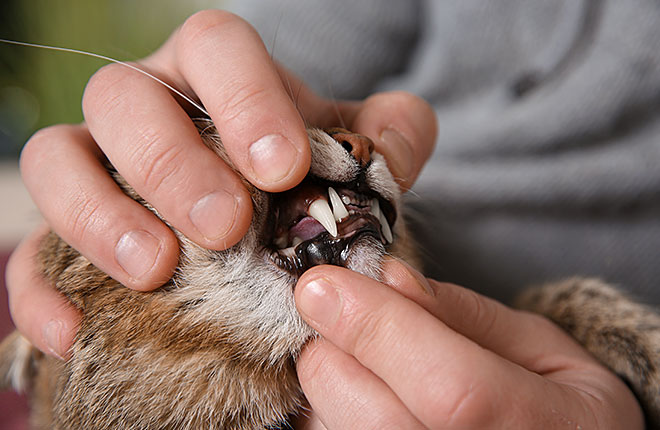
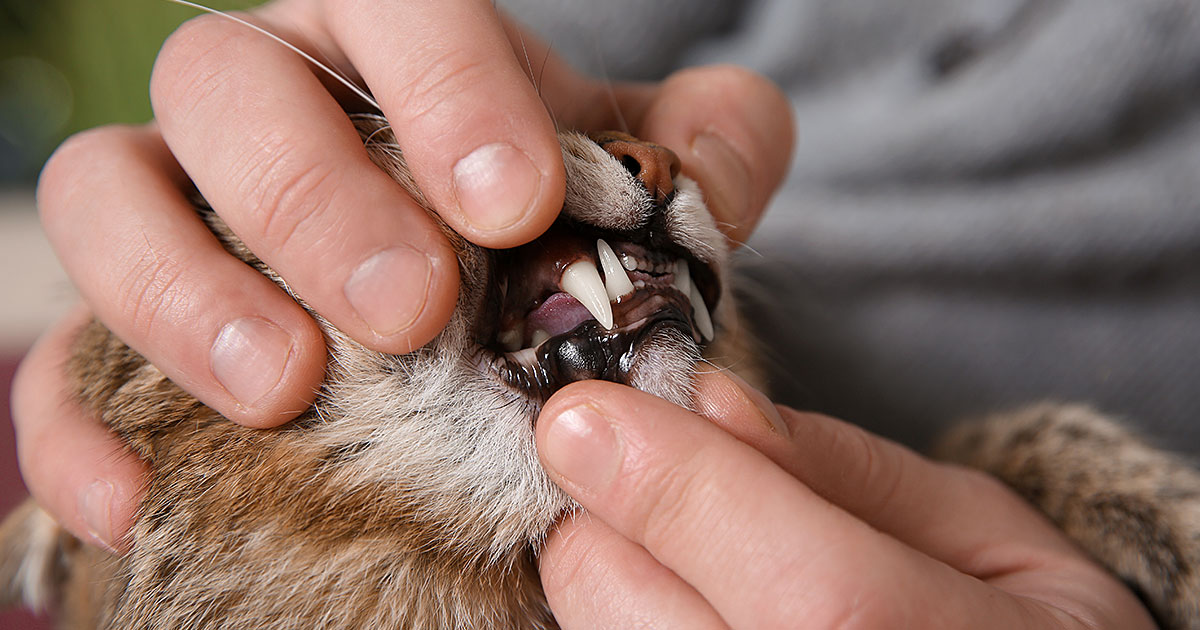
Take a quick look inside your cat’s mouth. Do you notice red or swollen gums? This could be a sign of gingivitis. Look for any broken or loose teeth, which can cause significant pain for your cat. Also, check for any yellowing or brown spots on their teeth, as this could indicate tartar buildup.
Behavioral Changes
Is your cat acting differently? Cats often hide their discomfort, but changes in behavior can be a clue. If your cat is more irritable or avoids being touched around the mouth, it might be time for a dental checkup. Some cats might also start pawing at their mouth or face.
Unexpected Insights From Experience
Once, my cat suddenly stopped playing with her favorite toys. After a vet visit, we discovered she had a painful tooth abscess. This taught me the importance of observing small changes in behavior. Have you noticed any subtle shifts in your cat’s routine?
Recognizing these signs early can save your cat from unnecessary pain and complications. Consider scheduling regular vet checkups to catch any dental issues before they become severe. Remember, prevention is key, and regular brushing can make a big difference in your cat’s dental health.
Recommended Brushing Frequency
Brushing your cat’s teeth is crucial for their dental health. But how often should you do it? Many pet owners are unsure about the right frequency. Too infrequent brushing can lead to plaque buildup. Regular brushing keeps your cat’s teeth clean and healthy. Let’s dive into the recommended brushing frequency for your feline friend.
Understanding Your Cat’s Dental Needs
Every cat has unique dental requirements. Some may need more frequent brushing. Others might need less. Factors like age, diet, and health affect their needs. Regular vet check-ups help determine the best routine. Always tailor brushing habits to your cat’s specific needs.
Daily Brushing Benefits
Daily brushing offers the best results. It prevents tartar buildup and reduces bad breath. It also helps in early detection of dental issues. A short daily routine strengthens your bond with your pet. It might seem daunting, but the benefits outweigh the effort.
Starting With A Few Times A Week
If daily brushing feels overwhelming, start with a few times a week. Gradually increase the frequency as your cat gets used to it. Consistency is key. Regular brushing, even a few times a week, is better than none.
Consult Your Veterinarian
Veterinarians provide expert advice on your cat’s dental care. They can suggest the ideal brushing frequency based on your cat’s needs. Always seek professional guidance if unsure. Regular consultations ensure you follow the best dental care routine.
Using The Right Tools
Choosing the right toothbrush and toothpaste is essential. Cat-specific products are safe and effective. Human toothpaste can harm your cat. Ensure you use products designed for feline dental care.
Choosing The Right Dental Tools
Brushing your cat’s teeth regularly is crucial for their dental health. Aim for brushing at least two to three times a week. Use cat-specific toothbrushes and toothpaste to ensure safety and effectiveness. Regular dental care helps prevent plaque buildup and keeps your furry friend’s mouth healthy.
Choosing the right dental tools for your cat is crucial to their oral health. Not only does it make the brushing process smoother, but it also ensures effectiveness in keeping their teeth clean. It’s a step that many pet owners overlook, yet it holds the key to a happier and healthier cat.Understanding The Basics Of Cat Dental Care
Before you dive into shopping for dental tools, it’s essential to understand what your cat’s dental needs are. Cats have different dental structures than humans, which means using human toothbrushes or toothpaste can be harmful. Consider the size of your cat’s mouth and the positioning of their teeth. Are they easy to access, or do they require specialized tools?Finding The Perfect Toothbrush
Look for toothbrushes specifically designed for cats. These are usually smaller and have softer bristles, making it easier to maneuver in your cat’s mouth. Some pet owners find finger brushes more comfortable to use. They allow you to feel your cat’s teeth and gums better, giving you more control. Would your cat prefer a brush with a handle, or is a finger brush more suitable?Choosing Cat-safe Toothpaste
Never use human toothpaste for your cat. It contains fluoride, which is toxic to cats. Instead, opt for toothpaste formulated specifically for pets. These toothpastes often come in flavors like chicken or fish, making the brushing experience more enjoyable for your feline friend. Does your cat have a favorite flavor that might make brushing less stressful?Additional Dental Care Tools
Dental wipes can be a great alternative if your cat refuses a toothbrush. They are easy to use and can effectively remove plaque. Dental gels are another option that can be applied directly to the teeth and gums. They help in reducing bacteria and freshening breath. Is there a tool your cat seems more comfortable with?Personal Experience: Trial And Error
When I first started brushing my cat’s teeth, I tried several tools before finding the right fit. My cat, Whiskers, preferred the finger brush over the traditional handle brush. It took a few attempts, but the chicken-flavored toothpaste was a game-changer for us. It transformed a dreaded task into a bonding experience. What challenges have you faced in finding the right dental tools for your cat?Choosing the right dental tools is not just about ease; it’s about ensuring your cat’s dental health is maintained without stress. Remember, patience and persistence will pay off with a healthier smile for your furry companion.
Steps For Effective Brushing
Brushing your cat’s teeth regularly keeps them healthy. Ideally, aim for at least three times a week. Consistent care helps prevent dental issues and bad breath.
To keep your cat’s teeth healthy, regular brushing is essential. Many cat owners wonder how often to brush their cat’s teeth. The key lies in an effective brushing routine. This involves not just the act of brushing but also preparing your cat and rewarding them. Here’s a step-by-step guide to make brushing your cat’s teeth easier and more effective.Preparing Your Cat
Start by getting your cat comfortable with the process. Choose a quiet time for this routine. Gently handle your cat’s mouth and teeth. Use your fingers first, then introduce a cat toothbrush. This helps your cat adjust gradually. Patience is important here.Brushing Technique
Use a cat-specific toothpaste for safety. Human toothpaste isn’t safe for cats. Place a small amount on the toothbrush. Gently lift your cat’s lips and start brushing. Use circular motions on the outer surfaces of their teeth. Focus on the back teeth where plaque builds up. Be gentle and calm.Rewarding Your Cat
After brushing, offer a reward. A tasty treat or extra playtime works well. This positive reinforcement encourages your cat to cooperate. They’ll associate brushing with something they enjoy. Over time, this makes the routine smoother. Brushing your cat’s teeth doesn’t have to be a struggle. With these steps, it becomes a manageable task. Your cat’s dental health will improve, and so will their overall well-being.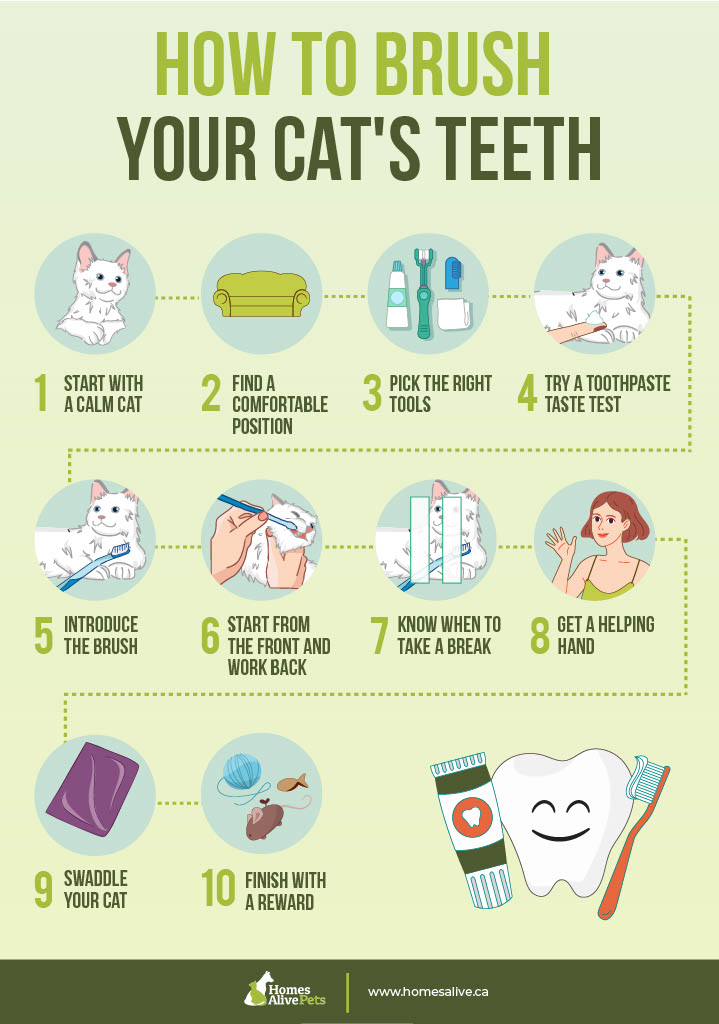
Credit: www.consolata.org
Alternative Dental Care Options
Caring for your cat’s teeth goes beyond brushing. Many cat owners explore alternative dental care options. These options ensure your feline friend maintains healthy teeth and gums. Regular dental care can prevent issues like plaque buildup and gum disease. Let’s explore some effective methods to support your cat’s dental health.
Dental Treats
Dental treats can help clean your cat’s teeth while they chew. These treats are designed to reduce plaque and tartar. They often contain ingredients that freshen breath. Cats enjoy the taste, making it an easy addition to their routine. Always choose treats specifically formulated for dental health.
Professional Cleanings
Professional cleanings offer a thorough solution for your cat’s oral health. Veterinarians use specialized tools to clean above and below the gum line. This procedure can remove tartar that brushing and treats might miss. Regular cleanings can prevent serious dental issues. Discuss with your vet to determine the best schedule for your cat.
Tips For Making Brushing Easier
Brushing your cat’s teeth daily can prevent plaque buildup and maintain oral health. Introduce brushing gradually to make it a positive experience. Use cat-friendly toothpaste and a small brush for comfort.
Brushing your cat’s teeth might seem like a daunting task, but with the right approach, it can become a manageable routine. Just like humans, cats need regular dental care to prevent problems like plaque buildup and gum disease. If you’ve ever struggled with getting your feline friend to cooperate, you’re not alone. Let’s dive into some practical tips that can make this process easier for both you and your cat.Start Slow And Be Patient
Begin by getting your cat used to the idea of having their mouth touched. Gently lift their lips and touch their teeth with your finger. Do this a few times a week. Gradually increase the time you spend doing this. Patience is key. Cats are creatures of habit, and they need time to adjust to new routines.Choose The Right Tools
Invest in a cat-specific toothbrush and toothpaste. Human toothpaste can be harmful to cats, so ensure you use one that’s safe for them. These products often come in flavors cats enjoy, like chicken or fish. The right tools can make the experience more pleasant for your pet.Create A Positive Experience
Make brushing a positive experience by rewarding your cat. Offer treats or extra cuddles after each session. This will help them associate brushing with positive outcomes. Over time, your cat may even look forward to these sessions.Find The Right Time
Choose a time when your cat is calm and relaxed. Avoid brushing when they’re agitated or stressed. After a meal or playtime can be ideal. A relaxed cat is more likely to cooperate.Be Consistent
Consistency is crucial for success. Aim to brush your cat’s teeth several times a week. Regular brushing helps maintain their dental health. Establishing a routine can make the process smoother over time.Seek Professional Guidance
If you’re unsure about how to proceed, consult your veterinarian. They can provide demonstrations and tips tailored to your cat’s needs. Professional advice can help you feel more confident in your approach. Consider these tips as stepping stones to better dental care for your cat. Have you tried any of these methods, or do you have your own tips to share? Engage with fellow cat owners in the comments and share your experiences.Common Mistakes To Avoid
Keeping your cat’s teeth healthy is crucial for their overall well-being. Many cat owners make mistakes in their dental care routine. These errors can lead to dental issues for your feline friend. Understanding these mistakes can help you avoid them.
1. Using Human Toothpaste
Human toothpaste is not safe for cats. It contains fluoride, which is harmful to them. Always choose a toothpaste made for cats. These are safe and effective for feline dental care.
2. Brushing Too Infrequently
Some owners brush their cat’s teeth once a month. This is too infrequent. Aim to brush your cat’s teeth at least twice a week. Regular brushing helps prevent tartar buildup and gum disease.
3. Ignoring Signs Of Dental Problems
Many cat owners overlook signs of dental issues. Bad breath, drooling, or pawing at the mouth could indicate problems. Consult your vet if you notice these signs. Early detection can prevent serious dental issues.
4. Using The Wrong Toothbrush
Some people use a human toothbrush for their cats. This can be uncomfortable for your pet. Use a toothbrush designed for cats. It will be soft and appropriately sized for their mouth.
5. Skipping Veterinary Dental Checkups
Regular dental checkups are essential for your cat’s health. Some owners skip these visits. Vets can spot issues you might miss. Schedule annual dental exams for your cat.
Consulting A Veterinarian
Many cat owners wonder about the best way to maintain their feline friend’s dental health. Consulting a veterinarian is a crucial step in understanding how often you should brush your cat’s teeth. A vet can provide personalized advice based on your cat’s specific needs, age, and dental health status.
How Veterinarians Assess Your Cat’s Dental Health
During a dental check-up, a vet will examine your cat’s teeth and gums for signs of tartar, plaque, or any underlying issues. This assessment helps in determining if your cat needs more frequent brushing or additional care like professional cleaning.
Vets often use tools to check for loose teeth or gum disease, offering insights into your cat’s oral hygiene routine. A professional opinion is invaluable as it targets potential problems early, saving your cat from discomfort or pain.
Personalized Brushing Schedule
Once a veterinarian evaluates your cat, they can suggest a brushing schedule that aligns with your pet’s needs. Some cats might need daily brushing, while others may only require a few times a week.
This tailored approach not only prevents dental diseases but also enhances the quality of your cat’s life. Imagine your cat enjoying their meals pain-free, thanks to a well-maintained oral hygiene routine.
Understanding The Tools And Techniques
Vets can also guide you on the best toothbrushes and toothpastes for cats, ensuring you use products that are safe and effective. They might recommend specific brands based on your cat’s tolerance and preference.
Learning from a vet about proper brushing techniques can make the process smoother and less stressful for both you and your cat. They can demonstrate methods to gently clean your cat’s teeth without causing anxiety.
Addressing Common Concerns
Are you worried about your cat resisting tooth brushing? You’re not alone. Many cats initially resist this new routine. Vets can offer strategies to gradually acclimate your pet to brushing.
By tackling these concerns with professional guidance, you can transform tooth brushing into a manageable, even enjoyable part of your cat’s daily life. Wouldn’t it be great to see your cat purring contentedly as you care for their teeth?
Regular Check-ups: A Preventative Measure
Scheduling regular dental check-ups with your vet helps in maintaining your cat’s oral health in the long run. It’s a proactive approach to ensure any emerging issues are caught early.
Think of these visits as a safety net, catching potential problems before they escalate into more serious conditions. As a responsible pet owner, your vigilance can safeguard your cat’s health.
When was the last time your cat had a dental check-up? If it’s been a while, perhaps now is the perfect time to schedule one. Your cat’s smile will thank you!

Credit: petsonbroadway.com
Credit: www.zoetispetcare.com
Frequently Asked Questions
Is It Okay To Brush My Cat’s Teeth Daily?
Yes, brushing your cat’s teeth daily is beneficial. It helps prevent dental issues and maintains oral health. Use a cat-specific toothbrush and toothpaste. Regular brushing can reduce plaque buildup and keep your cat’s breath fresh. Always ensure your cat is comfortable with the process.
What Happens If I Don’t Brush My Cat’s Teeth?
Neglecting to brush your cat’s teeth can lead to plaque buildup, gum disease, and bad breath. These issues might cause pain, tooth loss, or infections. Regular dental care is essential for their overall health.
Is It Too Late To Start Brushing Cat Teeth?
It’s never too late to start brushing your cat’s teeth. Begin gradually, using a cat-friendly toothbrush and toothpaste. Consistent brushing can improve dental health and prevent issues. Even older cats can benefit from regular oral care. Always consult your vet for the best advice tailored to your cat’s needs.
How Often Should I Clean My Cat’s Teeth?
Clean your cat’s teeth daily to prevent plaque buildup. Regular brushing maintains oral health and freshens breath. Use a cat-specific toothbrush and toothpaste for best results. Regular dental check-ups with a veterinarian are also recommended to ensure comprehensive dental care for your cat.
Conclusion
Brushing your cat’s teeth is crucial for their health. Aim for regular brushing. Daily is best, but a few times a week helps too. Consistency matters more than perfection. Use cat-friendly toothpaste. Make it a pleasant routine. Your cat’s dental health affects their overall well-being.
Healthy teeth can lead to a happier cat. Start slowly if your cat is new to brushing. Patience pays off. Keep an eye on their mouth for any issues. Consult a vet if you notice problems. A little effort goes a long way in keeping your cat healthy.

Similar Posts