Do Cats Scratch Furniture: Proven Ways to Prevent It
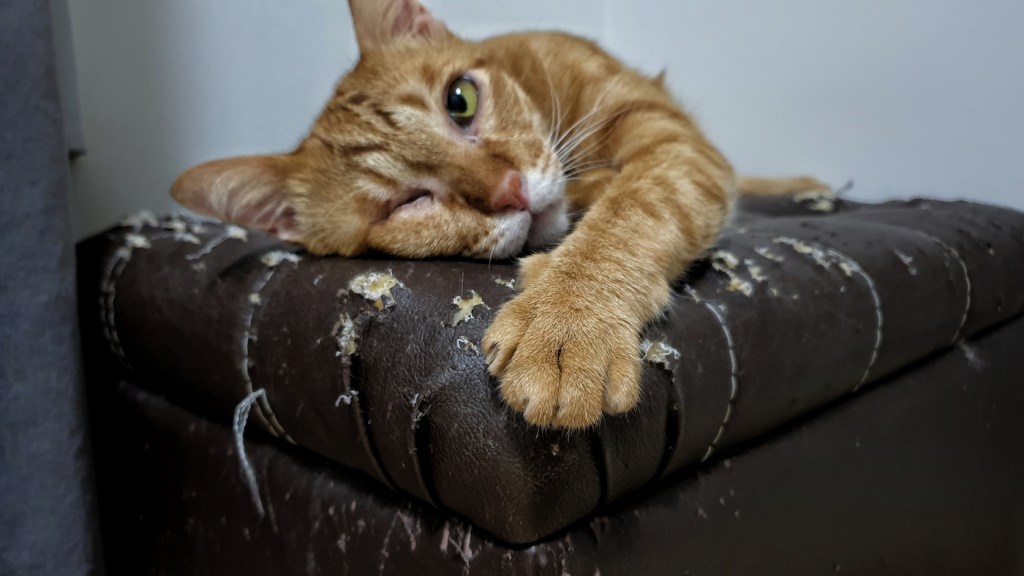
Have you ever come home to find your favorite couch shredded by your feline friend? You’re not alone.
Cats have a natural instinct to scratch, which can leave your furniture looking like it’s been through a battle. But why do they do it, and is there a way to stop it? If you’ve been scratching your head over this furry dilemma, you’re in the right place.
We’ll uncover the reasons behind your cat’s scratching behavior, and more importantly, how you can protect your furniture without declawing or causing stress to your pet. Stick around to discover simple tips and tricks that can keep both your cat happy and your home intact.
Reasons Cats Scratch Furniture
Cats scratch furniture to keep their claws sharp and healthy. It helps them mark territory with scent and visual signs. Scratching also provides exercise and stress relief for cats.
Cats have a natural instinct to scratch. This behavior often puzzles cat owners. Understanding why cats scratch furniture can help manage it better. Scratching is not just a random act. It serves several important purposes for cats. Let’s explore some of these reasons.Territorial Marking
Cats are territorial creatures. Scratching helps them mark their territory. When they scratch, they leave visual marks. They also leave scent marks from glands in their paws. This tells other animals that the area belongs to them. It’s a natural way for cats to feel secure in their environment.Exercise And Stretching
Scratching offers cats a great way to stretch. It helps them flex their bodies. Cats enjoy stretching their back and shoulder muscles. This activity also provides essential exercise. It keeps them agile and healthy. Stretching through scratching is vital for their physical well-being.Claw Maintenance
Scratching helps cats maintain their claws. It removes the outer layer of their claws. This keeps their claws sharp and healthy. Claw maintenance is crucial for their hunting instincts. It also prevents their claws from becoming overgrown or uncomfortable. Proper claw care is essential for a cat’s comfort.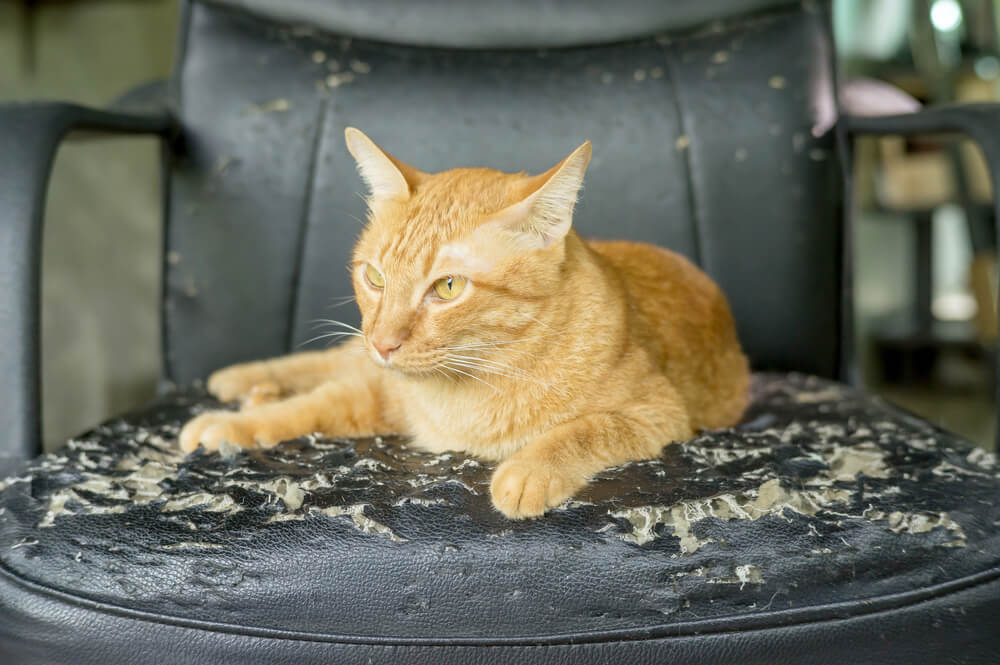
Credit: us.feliway.com
Impacts Of Scratching On Furniture
Cats often scratch furniture to mark their territory, sharpen claws, and stretch muscles. This habit can lead to visible damage. Scratches may appear as torn fabric or gouged wood, diminishing the furniture’s appearance.
Cats have a notorious reputation for scratching furniture, and the impacts of this behavior can be more than just a minor inconvenience. If you’ve ever come home to find your new couch marred by fresh claw marks, you know the frustration this can cause. But understanding the impacts, both visual and structural, can help you address this common feline behavior effectively.Visual Damage
The most immediate impact of scratching is the visual damage. Your pristine leather sofa or elegant wooden table can quickly become an eyesore. Claw marks, frayed fabric, and exposed wood not only ruin the aesthetics but can also affect the resale value of your furniture. A friend of mine once had a beautiful velvet armchair that became her cat’s favorite scratching post. The chair, once a centerpiece of her living room, turned into a shabby piece that she eventually had to replace. This visual damage is a constant reminder of the need to find a solution for your cat’s scratching habits.Structural Weakness
Beyond the surface, scratching can lead to structural weaknesses in your furniture. Over time, repeated clawing can loosen joints and weaken the frame. A sturdy chair could become wobbly, or a couch might start sagging in certain areas. These structural issues not only compromise the integrity of your furniture but can also pose safety risks. Imagine sitting down on a chair that suddenly collapses because its legs have been weakened by constant scratching. It’s crucial to consider these potential impacts when dealing with a cat’s scratching behavior. Have you noticed any signs of damage in your home? Addressing these impacts early can save you time and money in the long run.Behavioral Solutions
Cats scratching furniture can be frustrating for pet owners. Understanding their behavior helps find solutions. Behavioral solutions focus on encouraging positive habits. They aim to redirect scratching to appropriate surfaces. This approach can protect your furniture while keeping your cat happy.
Positive Reinforcement
Rewarding good behavior encourages cats to repeat it. When your cat scratches a scratching post, give them a treat. Praise them with loving words. This builds a connection between the action and the reward. Consistency is key. Always reward them when they use the scratching post. Over time, they will prefer it over the furniture.
Redirecting Scratching
Guide your cat to suitable scratching areas. Place scratching posts near their favorite furniture. This gives them a clear alternative. Use different textures to attract them. Cats enjoy variety. Cardboard, sisal, and carpet are great options. If they start scratching furniture, gently move them to the post. Show them where to scratch. This helps them learn new habits.
Environmental Modifications
Cats often scratch furniture. It’s a natural behavior that can be managed. Environmental modifications can help protect your beloved sofas and chairs. Simple changes can redirect scratching habits to more suitable objects.
Providing Scratching Posts
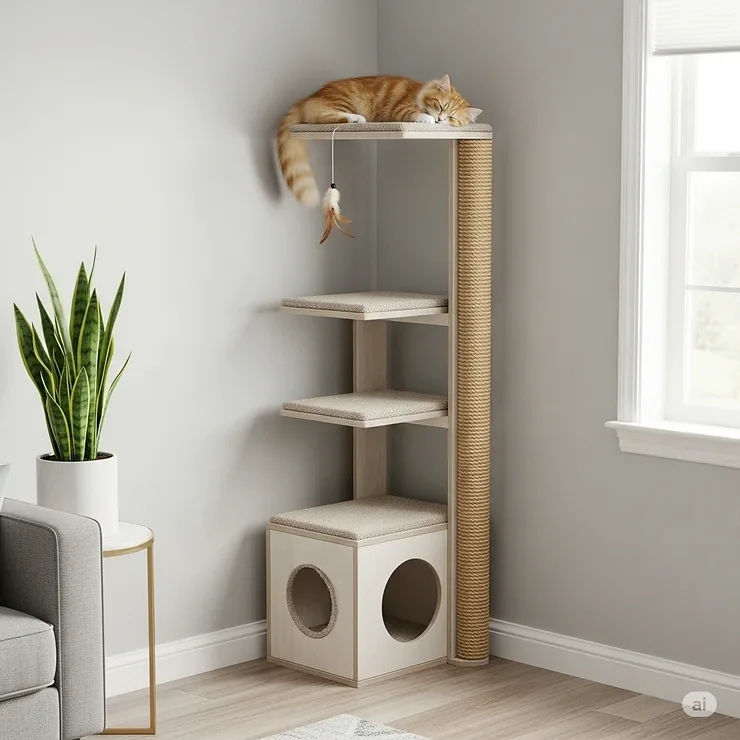
Cats need to scratch. It helps keep their claws sharp and healthy. Providing scratching posts can save your furniture. Place these posts near your cat’s favorite scratching spots. Choose sturdy posts with different textures. Cats love variety. Sisal rope, carpet, or cardboard are great options. Encourage your cat to use them by placing treats nearby.
Using Scratch Deterrents
Deterrents can discourage cats from scratching furniture. Sticky tape works well. Cats dislike the texture. Apply it to the edges of furniture. Spray deterrents are another option. They have scents that cats avoid. Use them sparingly to avoid overwhelming your pet. Consistent use makes them effective. Combine deterrents with scratching posts for the best results.
Product Recommendations
Cats often scratch furniture as a natural behavior to mark territory and sharpen their claws. Providing scratching posts or pads can redirect this instinct, helping to preserve your furniture. Choose durable materials like sisal or cardboard to satisfy your cat’s need to scratch and keep your home intact.
Cats scratching your furniture can be frustrating, but you can redirect their instincts with the right products. Let’s explore some effective solutions that can save your couch and maintain your cat’s happiness.Best Scratching Posts
A great scratching post is essential for any cat owner. Look for one that’s tall enough for your cat to stretch fully. Cats love to extend their bodies while scratching. A sturdy base is crucial to prevent the post from toppling over. Materials matter, too. Sisal fabric is a top choice because it withstands repeated use. Have you ever seen your cat show interest in vertical surfaces? Opt for a wall-mounted scratching post to satisfy that urge.Effective Deterrents
Deterrents can help protect your furniture when your cat ignores the post. Try double-sided tape on areas they scratch. Cats dislike the sticky sensation, and this can encourage them to seek other surfaces. Have you thought about using scent? Citrus or menthol sprays can repel cats without harming them. These scents are unpleasant to cats but fine for humans. You can also consider furniture guards. Transparent shields can protect your upholstery while your cat adjusts to new habits. Choosing the right products can make your home harmonious again. What steps will you take to keep your cat happy and your furniture intact?
Credit: www.treehugger.com
Training Techniques
Cats scratching furniture is a common issue for many pet owners. Training your cat can help manage this behavior. Effective training techniques make a big difference. These methods focus on communication and positive reinforcement.
Teaching Commands
Start with simple commands like “no” or “stop.” Use a firm but gentle voice. Consistency is key in teaching commands. Always use the same words and tone. This helps your cat understand and remember.
Show your cat where they can scratch. Direct them to a scratching post. Praise them when they use it. Redirect their behavior with patience and repetition.
Reward Systems
Rewards motivate cats to learn. Use treats or toys as rewards. Give a reward every time your cat scratches the right place. This reinforces positive behavior.
Praise works well too. A gentle pet or a kind word can be a reward. Cats respond well to love and attention. Make sure rewards are immediate for best results.
Veterinary Advice
Cats often scratch furniture to mark territory and sharpen claws. This behavior can be managed with scratching posts and training.
Cats scratching furniture is a common issue many pet owners face. It can be frustrating to see your beautiful couch turn into a scratching post, but there’s more beneath the surface. Understanding the reasons behind this behavior is crucial, and veterinary advice can be a game changer.Health Checkups
Regular health checkups for your cat can help identify underlying issues. Sometimes, cats scratch because they are experiencing discomfort, like itchy skin or nail problems. A vet visit can rule out any health concerns, ensuring your feline friend is comfortable and healthy. During one of my visits to the vet, I discovered my cat had a minor skin allergy. After treating it, the excessive scratching reduced significantly. It taught me that health can directly impact behavior.Behavioral Consultation
A behavioral consultation with your vet can provide insights into your cat’s scratching habits. Are they stressed, bored, or simply trying to mark their territory? Understanding the motivation can lead to effective solutions. Your vet might suggest environmental enrichment, like interactive toys or scratching posts, to redirect your cat’s energy. My vet recommended placing a scratching post near my cat’s favorite furniture. It worked wonders as she now prefers her designated scratching area. Have you considered what your cat is trying to communicate through their scratching? Sometimes, a simple shift in their environment can make a world of difference. Seeking veterinary advice can offer practical, tailored strategies to manage and reduce unwanted scratching.
Credit: merrimacvalley.com
Frequently Asked Questions
How Common Is It For Cats To Scratch Furniture?
Cats frequently scratch furniture to mark territory and maintain claws. It’s a common behavior for most cats. Providing scratching posts can help redirect this instinct. Training and positive reinforcement are effective strategies to protect furniture. Regular nail trimming also reduces the likelihood of furniture damage.
What Kind Of Furniture Will Cats Not Scratch?
Cats are less likely to scratch furniture made of metal, glass, or tightly woven fabrics. Choose microfiber or leather materials for durability. Providing scratching posts can help redirect their behavior. Regular nail trimming also reduces the urge to scratch furniture.
Can Cats Be Trained Not To Scratch Furniture?
Yes, cats can be trained to avoid scratching furniture. Offer scratching posts and use positive reinforcement. Regularly trim their nails and apply deterrent sprays on furniture. Consistent training and patience are key to success.
How Do I Get My Cat To Stop Clawing My Furniture?
Train your cat to use a scratching post by placing it near the furniture. Reward them for using it. Cover furniture with protective materials or use deterrent sprays. Keep their claws trimmed regularly. Provide toys and engage in interactive play to reduce stress and boredom.
Conclusion
Cats naturally scratch furniture. It’s not unusual behavior. They scratch to mark territory. To sharpen their claws. To stretch their muscles. It’s a part of being a cat. But you can guide their scratching. Train them to use scratching posts.
Offer alternatives like cardboard scratchers. Protect furniture with covers. Trim their nails regularly. Use deterrents like sprays or tape. This minimizes damage. Keeps your home cat-friendly. Understanding why cats scratch helps. It leads to better solutions. Happier cats. Happier furniture.
Your cat’s natural instincts can coexist with your home. Just need the right approach.

Similar Posts