Can Cats Eat Rice: Benefits and Risks Explained
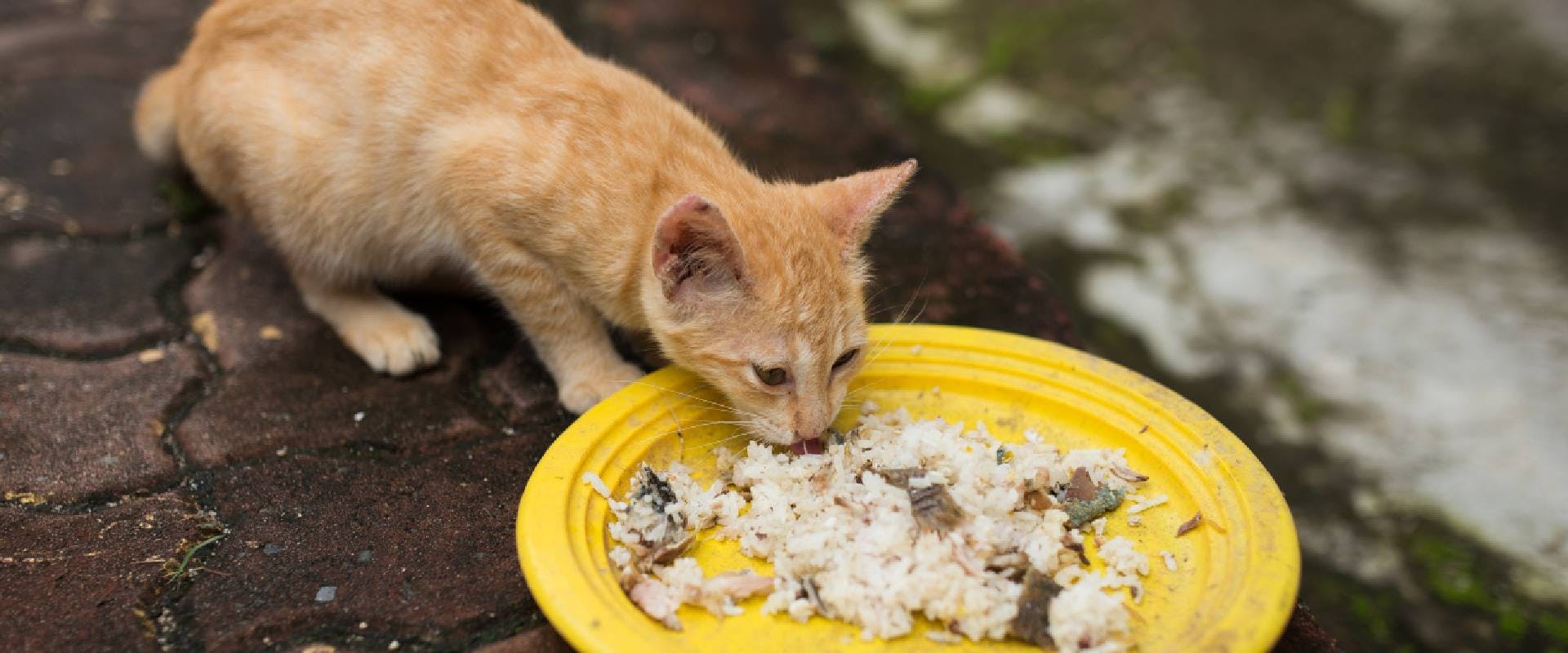
Imagine this: you’re sitting at the dinner table, enjoying a warm bowl of rice, and suddenly, your feline friend is at your feet, eyes wide with curiosity. You might wonder, “Can my cat eat rice?”
It’s a question many cat owners like you have pondered. You want the best for your furry companion, and understanding what foods are safe is crucial. We’ll uncover whether rice is a suitable treat for your cat and explore how it can impact their health.
Stick around, because the answer might surprise you and could change the way you think about your cat’s diet.
Nutritional Value Of Rice For Cats
Have you ever wondered if rice could be a part of your cat’s diet? Rice is a staple in many human diets, but it’s crucial to understand its nutritional value for cats. Cats are obligate carnivores, meaning their primary nutrition comes from meat. However, rice can sometimes be included in their diet for specific reasons. Let’s break down what rice offers nutritionally to your feline friend.
What Nutrients Does Rice Offer?
Rice is primarily composed of carbohydrates, which can provide energy. While cats mainly get their energy from proteins, a small amount of carbohydrates can be beneficial. Rice also contains a minimal amount of vitamins and minerals like magnesium and B vitamins.
Can Rice Benefit Your Cat’s Digestion?
Rice is known for its blandness and can be easily digested. If your cat has an upset stomach, a small amount of cooked rice might help soothe it. However, ensure the rice is plain and well-cooked, as seasoning can harm your cat.
Feeding too much rice can lead to nutritional imbalance. Cats need protein-rich diets, and excessive rice can dilute their necessary protein intake. Always prioritize meat-based cat food and use rice sparingly.
Practical Tips For Including Rice In Your Cat’s Diet
If you decide to add rice, do so in moderation. Mix a small amount with your cat’s regular food and monitor their reaction. Consult your vet if you’re unsure how much rice is safe for your cat.
Have you ever tried feeding rice to your cat? Did it seem to help with any digestive issues? Consider these points and remember to keep your cat’s health a priority. Could rice be the missing piece to a balanced meal for your cat, or is it better left out? It’s up to you to decide based on your cat’s needs.
:max_bytes(150000):strip_icc()/can-cats-eat-rice-180212809-2000-dc412e87c56440d69b6695400aefd677.jpg)
Credit: www.dailypaws.com
Potential Benefits Of Rice In A Cat’s Diet
Many cat owners wonder about the benefits of rice in a cat’s diet. Rice can be a useful addition to a balanced feline diet. It can support various aspects of a cat’s health. Let’s explore some potential benefits of rice for your cat.
Digestive Health
Rice is easy to digest for cats. It can help soothe upset stomachs. When cats have diarrhea, rice can firm up their stool. It acts as a gentle binder. The fiber in rice aids in regular bowel movements. This can promote overall digestive health for your cat.
Energy Source
Rice provides a quick energy boost. It contains carbohydrates that cats can use for energy. Active cats may benefit from this energy source. It helps them stay lively and playful. Including rice in their diet can keep their energy levels balanced.
Weight Management
Rice can aid in weight management for cats. It is low in fat and calories. This makes it a good choice for overweight cats. Rice can help them feel full without extra calories. Controlled portions of rice can support a healthy weight.
Risks Of Feeding Rice To Cats
Feeding rice to cats might seem harmless, but it carries potential risks. Although rice is not toxic, it can cause several health issues. Understanding these risks is crucial for your cat’s well-being.
Allergic Reactions
Some cats can be allergic to rice. Allergies may lead to itching and skin irritation. Watch for signs like excessive scratching or licking. If your cat shows these symptoms, consult a vet.
Digestive Issues
Rice can upset a cat’s digestive system. Cats have a low tolerance for carbohydrates. Eating rice can result in diarrhea or vomiting. Monitor your cat for any changes after eating rice.
Nutritional Imbalance
Cats require a diet rich in proteins. Rice lacks essential nutrients for their growth and health. Feeding too much rice can lead to a nutritional imbalance. Ensure your cat’s diet is primarily protein-based.
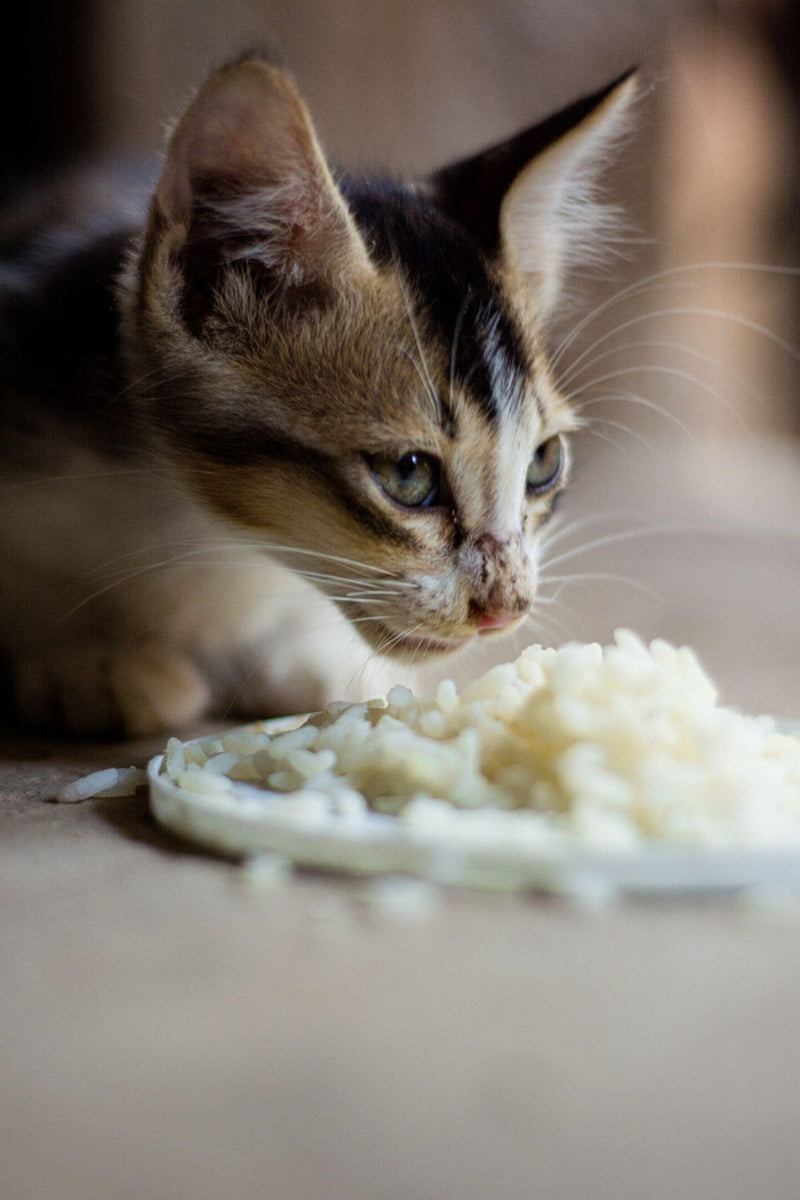
Credit: untamed.com
Types Of Rice Suitable For Cats
When considering if cats can eat rice, it’s important to know which types are suitable for your furry friend. While cats are primarily carnivores, rice can be a gentle addition to their diet under certain conditions. But what kind of rice should you offer? Let’s break down the different types and how they can affect your cat’s health.
White Rice
White rice is often used in cat food and can be an easy-to-digest option for cats. It’s bland and can help soothe a cat’s upset stomach. I remember when my cat was recovering from a tummy issue; white rice mixed with boiled chicken did wonders. It’s a quick energy source, perfect for when your cat needs a little boost. Have you ever considered white rice for your cat’s diet?
Brown Rice
Brown rice is rich in fiber and nutrients but can be harder to digest. It’s less processed than white rice, offering more health benefits if your cat can handle it. My friend tried brown rice for her cat, and it improved her pet’s digestive health. However, some cats may find it challenging to chew or digest. Would your cat benefit from the extra fiber in brown rice?
Cooked Vs. Raw Rice
Always serve rice cooked. Raw rice can be tough on a cat’s stomach and may cause digestive issues. Cooking softens the grains, making them easier for your cat to eat and digest. You wouldn’t eat raw rice, would you? Ensure it’s well-cooked and plain, without any added spices or salt. It’s essential to keep your cat’s diet as natural as possible.
Rice can be a helpful addition when your cat needs dietary support. But remember, moderation is key. Have you tried incorporating rice into your cat’s meals? Share your experiences and insights below!
Safe Preparation Methods
Rice can be a healthy addition to your cat’s diet. It provides energy and is easy to digest. Safe preparation is crucial to ensure its nutritional benefits. Proper cooking and avoiding additives are key aspects.
Proper Cooking Techniques
Cook rice until soft for easy digestion. Use plain water without salt. Soft rice is gentle on a cat’s stomach. Overcooked rice is better than undercooked. Ensure rice is cool before serving.
Avoiding Additives
Avoid spices and seasoning when preparing rice for cats. These can upset their stomach. Do not add butter or oils. Keep rice plain to prevent health issues. Plain rice is safest for cats.

Credit: geniuslitter.com
Signs Of Adverse Reactions
Cats eating rice might show adverse reactions like vomiting or diarrhea. Watch for signs like decreased appetite or lethargy. Consult a vet if symptoms appear after rice consumption.
Cats can sometimes have adverse reactions to certain foods. Rice is generally safe for cats, but some may experience negative symptoms. Monitoring your cat’s reaction after eating rice is important. Below are signs of adverse reactions that may occur.Vomiting
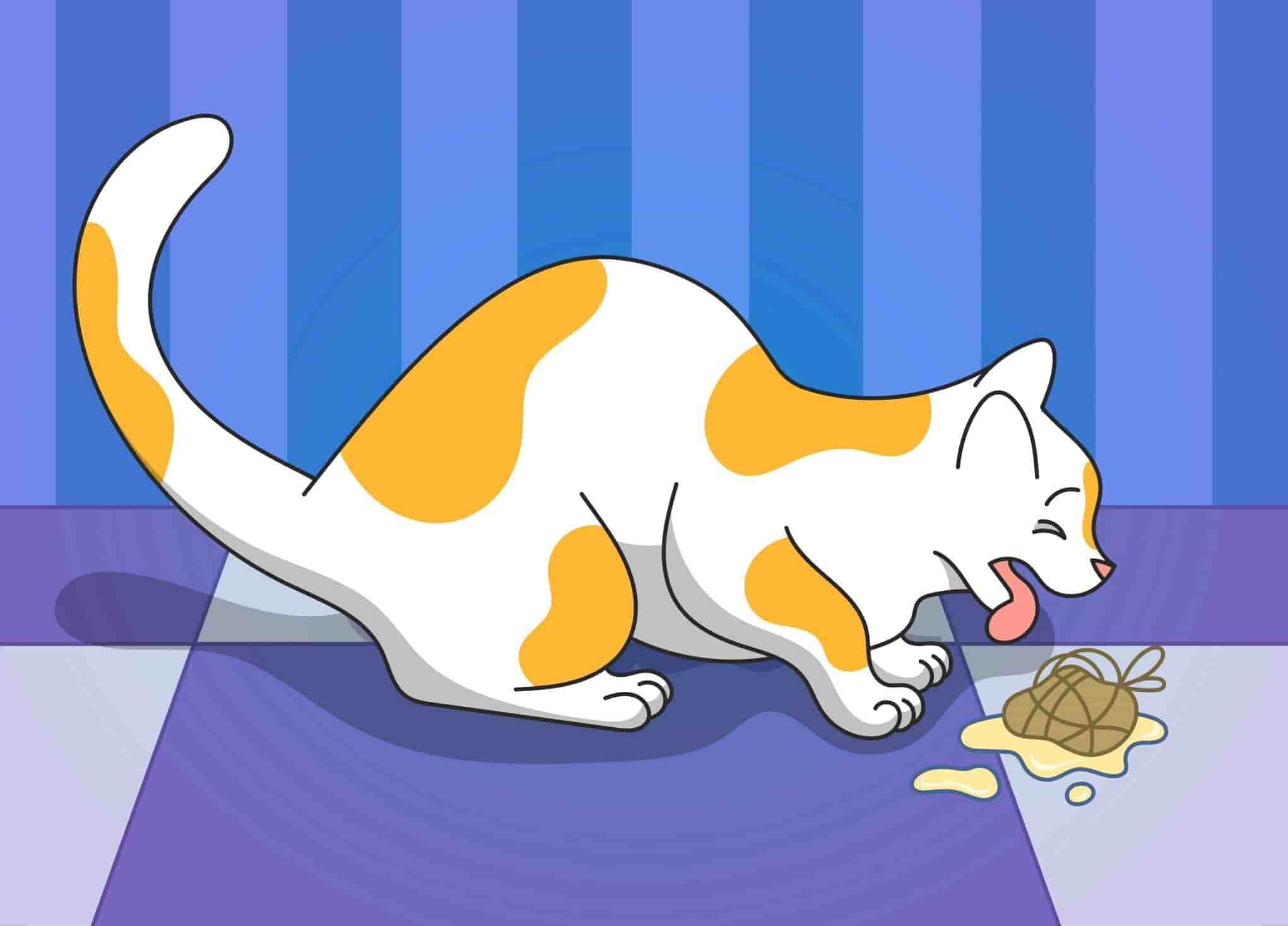
Vomiting can signal a reaction to rice. Watch your cat closely. If vomiting occurs, it could be the rice causing distress. This might happen soon after eating. Repeated vomiting can lead to dehydration. Contact a vet if it persists.Diarrhea
Diarrhea is another sign of a possible adverse reaction. This can result in frequent trips to the litter box. The stool may be loose or watery. Dehydration can occur if diarrhea continues. Consulting a vet is recommended if it does not stop.Lethargy
Lethargy may indicate your cat is not feeling well. It means less energy or unusual tiredness. This could be linked to digestive issues. Observe your cat for changes in behavior. Persistent lethargy requires veterinary attention. These signs help identify if rice is unsuitable for your cat. Always introduce new foods slowly and watch for these symptoms.Alternatives To Rice For Cats
Cats can eat rice in small amounts. But rice isn’t essential for them. Cats are obligate carnivores. They thrive on meat-based diets. Rice and other grains don’t provide needed nutrients. Consider alternatives to rice for your cat’s meals.
Other Grains
Other grains can be better for cats. Oats are a good choice. They are rich in protein and fiber. Cook them well before serving. Barley is another option. It contains vitamins and minerals. Ensure it’s fully cooked and soft. Quinoa is a superfood for humans. It can be safe for cats too. Rinse and cook it thoroughly.
Specialized Cat Foods
Specialized cat foods meet nutritional needs. These foods often contain grains and proteins. They are balanced for feline health. Many brands offer grain-free options. These cater to cats with grain sensitivities. Look for high-quality ingredients. Check for proteins like chicken or fish. Avoid fillers and artificial additives.
Frequently Asked Questions
How Much Rice Can I Give To My Cat?
Feed your cat rice occasionally. Limit to one tablespoon as a treat. Ensure rice is plain and cooked. Always consult a vet for dietary advice. Avoid making rice a staple in their diet. Balance rice with protein-rich cat food for optimal health.
Can I Feed My Cat Chicken And Rice?
Yes, you can feed your cat chicken and rice. Ensure it’s cooked, plain, and unsalted. This meal can be a temporary diet for digestive issues. Always consult your vet for long-term dietary changes. Cats need a balanced diet with essential nutrients from high-quality cat food.
Is Rice Inflammatory For Cats?
Rice is not inflammatory for cats in small amounts. It can be a part of a balanced diet. Always consult a vet before introducing new foods to ensure they suit your cat’s dietary needs.
Can Cats Safely Eat Rice?
Yes, cats can eat rice in small amounts. Rice isn’t toxic for cats, but it doesn’t provide essential nutrients. It’s primarily a filler and should not replace their regular diet. Always consult your vet before adding new foods to your cat’s meals.
Conclusion
Cats can eat rice in moderation. Rice is not harmful. It provides carbohydrates and some nutrients. Mix rice with their regular food. It should not replace their main diet. Ensure rice is cooked properly. Raw rice can upset their stomach.
Watch for allergic reactions. Every cat is unique. Consult your vet if unsure. Balance is key for a healthy cat diet. Keep their meals varied and nutritious. Happy, healthy cats make for joyful companions. Understanding your cat’s needs helps build a strong bond.
Enjoy the moments with your furry friend!

Similar Posts