If your beloved cat is suddenly urinating outside the litter box or seems to be in pain, it might be dealing with a urinary tract infection (UTI). These infections are not just uncomfortable for your feline friend but can also lead to more serious health issues if left untreated.
You might feel worried and unsure of what steps to take next. Don’t worry—you’re not alone. This guide is here to help you understand how to treat your cat with a UTI effectively. We’ll walk you through the signs to watch for, the treatments available, and how you can make your furry companion comfortable again.
Stick around to discover actionable steps you can take today to ensure your cat’s speedy recovery and peace of mind for you.
Credit: vetic.in
Recognizing Symptoms Of Uti In Cats
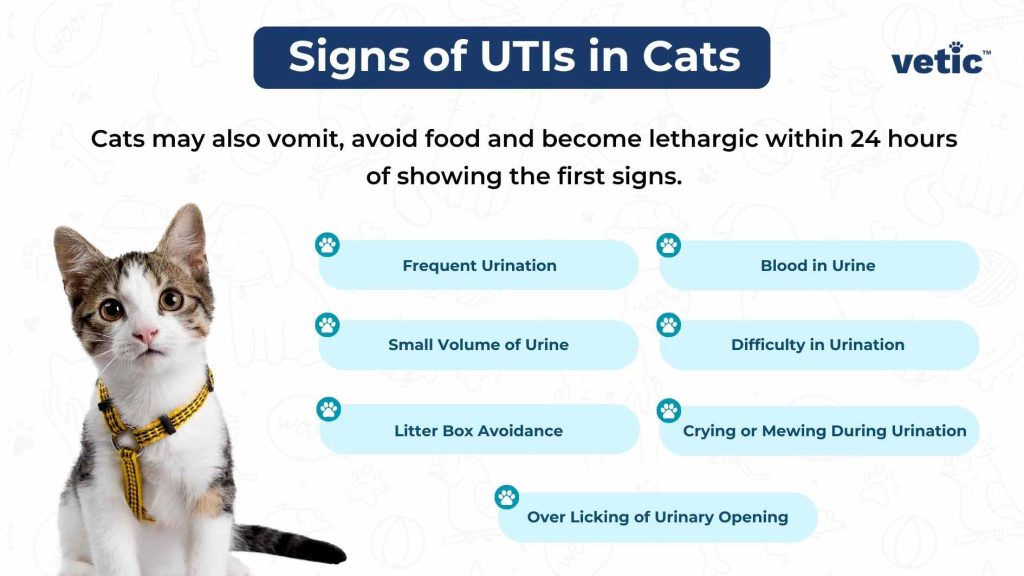
Recognizing symptoms of a urinary tract infection (UTI) in your cat is crucial for timely treatment. Cats are masters at hiding their discomfort, making it vital for you to notice subtle changes. Understanding these symptoms can prevent complications and ensure your feline friend stays healthy.
Common Behavioral Changes
Is your cat suddenly avoiding the litter box? This could be a sign of discomfort or pain associated with a UTI. Cats might also start urinating in unusual places, like on your bed or sofa. Increased agitation and restlessness are common behavioral changes.
Have you noticed your cat grooming excessively? Cats often lick their genital area more when they have a UTI. This behavior indicates irritation and a need to soothe themselves.
Physical Signs To Watch For
Check for signs like frequent urination in small amounts. This is a classic symptom of UTI in cats. If your cat strains to urinate, it may be suffering from a blockage or infection.
Look out for blood in the urine. This could be an alarming indicator of a UTI. Also, if your cat’s urine has a strong or unusual smell, it’s time to consult your vet.
Have you ever noticed your cat drinking more water than usual? Increased thirst can be a subtle sign of UTI, as your cat tries to flush out the infection. Frequent vomiting or a lack of appetite might accompany these symptoms.
What do you do when you suspect your cat has a UTI? Acting fast can make a difference in your pet’s recovery. Monitoring these signs closely and consulting a veterinarian promptly can ensure your cat gets the care it needs.

Credit: heartstringspethospice.com
Diagnosing Uti In Cats
Diagnosing a UTI in cats involves observing signs like frequent urination and discomfort. Treatment often includes antibiotics and increased water intake. Consulting a vet ensures proper care and recovery.
Diagnosing UTI in Cats Cats, much like humans, can suffer from urinary tract infections (UTIs), and catching the signs early is crucial. You might notice your cat urinating outside the litter box or straining during urination. Recognizing these behaviors can be the first step towards getting your feline friend the help they need.Veterinary Examination
A trip to the vet is essential if you suspect your cat has a UTI. Your veterinarian will start with a thorough physical examination. They will check for signs of discomfort, tenderness, or abnormalities in your cat’s abdomen and urinary tract. During this visit, the vet might ask about any changes in your cat’s behavior. Have you seen your cat going to the litter box more often? Is there any blood in the urine? These observations are important for an accurate diagnosis.Laboratory Tests
To confirm a UTI, your vet will likely recommend laboratory tests. One common test is a urinalysis, which checks for bacteria, blood, crystals, or other abnormalities in the urine. This test can help pinpoint the cause of your cat’s symptoms. In some cases, a urine culture may be performed. This involves growing bacteria from a urine sample to determine the most effective antibiotic treatment. It’s like finding the right key for a lock, ensuring your cat gets the best care possible. Diagnosing a UTI in your cat can feel overwhelming, but understanding the process makes it less daunting. Have you ever had an experience that taught you the importance of early diagnosis? The steps you take today can make all the difference in your cat’s recovery.Medical Treatments For Cat Uti
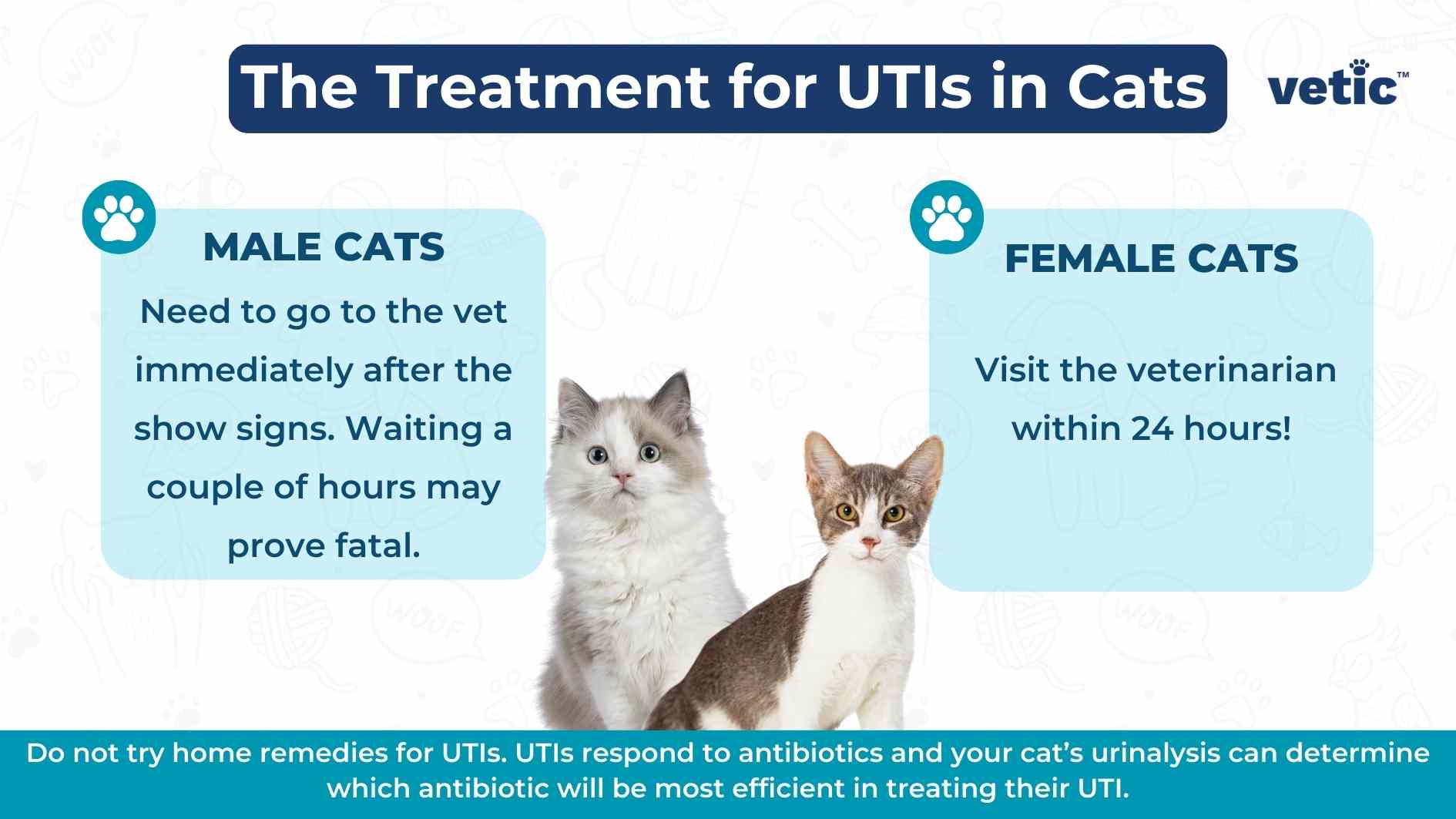
Treating a cat with a urinary tract infection involves timely veterinary care and medication. Antibiotics are commonly prescribed to fight bacteria causing the infection. Providing fresh water and urinary health cat food can help in recovery and prevention.
Medical Treatments for Cat UTI Urinary tract infections (UTIs) in cats need prompt care. They cause discomfort and can lead to serious health issues. Medical treatments aim to clear the infection and ease the cat’s pain. Consulting a veterinarian ensures proper diagnosis and effective treatment. Let’s explore the main medical treatments available.Antibiotic Therapies
Antibiotics fight the bacteria causing the UTI. A vet prescribes the right type after testing. Completing the full course is crucial. It prevents the infection from returning. Skipping doses can lead to resistant bacteria. Always follow the vet’s instructions carefully.Pain Management Options
UTIs cause pain and discomfort in cats. Pain management helps them feel better. Vets often prescribe pain relievers. They reduce inflammation and ease symptoms. Some cats may need anti-inflammatory medications. These drugs improve the cat’s quality of life during treatment. Always give medications as advised by the vet.Home Care For Cats With Uti
Home care for cats with UTI is crucial. It can speed up recovery and comfort your feline friend. Understanding the basics helps you provide the best care. Cats with UTI need special attention. Simple changes make a big difference in their healing process.
Hydration And Diet Adjustments
Keep your cat hydrated. Fresh water is essential for their health. Offer it in multiple places around the home. Wet food can boost their water intake. It helps flush out the urinary tract. Choose foods with low magnesium. It can reduce the risk of crystals forming. A balanced diet supports their immune system.
Creating A Stress-free Environment
Stress can worsen UTI symptoms. Provide a calm, quiet space for your cat. Avoid loud noises and sudden changes. Cats appreciate a predictable routine. Regular feeding times can help. Play with your cat gently. It relieves stress and keeps them active. Create cozy spots for resting. A comfortable bed can make a big difference.
Preventing Future Uti In Cats
Treating a cat with UTI involves proper hydration and a balanced diet. Ensure clean litter boxes and regular vet check-ups. Prevent future occurrences by monitoring urinary health and reducing stress in their environment.
Preventing Future UTI in Cats Every cat owner knows the worry that comes with a urinary tract infection (UTI) in their furry friend. While treating a UTI is crucial, preventing future occurrences is equally important. Imagine the relief you and your cat would feel if UTIs were a thing of the past. A proactive approach to your cat’s health can make a world of difference. Let’s explore some practical steps you can take to keep those pesky infections at bay.Regular Veterinary Check-ups
Regular veterinary check-ups are essential for your cat’s overall health. These visits can catch potential health issues before they become serious problems. A vet can provide tailored advice based on your cat’s specific needs. They might suggest urine tests to monitor your cat’s urinary health. Have you considered how these routine visits could save your cat from discomfort? Plus, staying informed about your cat’s health helps you make better care decisions.Dietary Recommendations
Diet plays a crucial role in preventing UTIs in cats. Proper nutrition supports a healthy urinary tract. Consider adding more wet food to your cat’s diet. Wet food has higher moisture content, which can help keep your cat hydrated and reduce the risk of UTIs. Are you providing enough water for your cat? Fresh water availability encourages your cat to drink more, flushing out harmful bacteria from their system. Engage with your vet about the best food options for your cat. They can suggest specific brands or ingredients that promote urinary health. Keeping UTIs at bay involves simple yet effective measures. What steps will you take today to ensure your cat stays healthy and happy?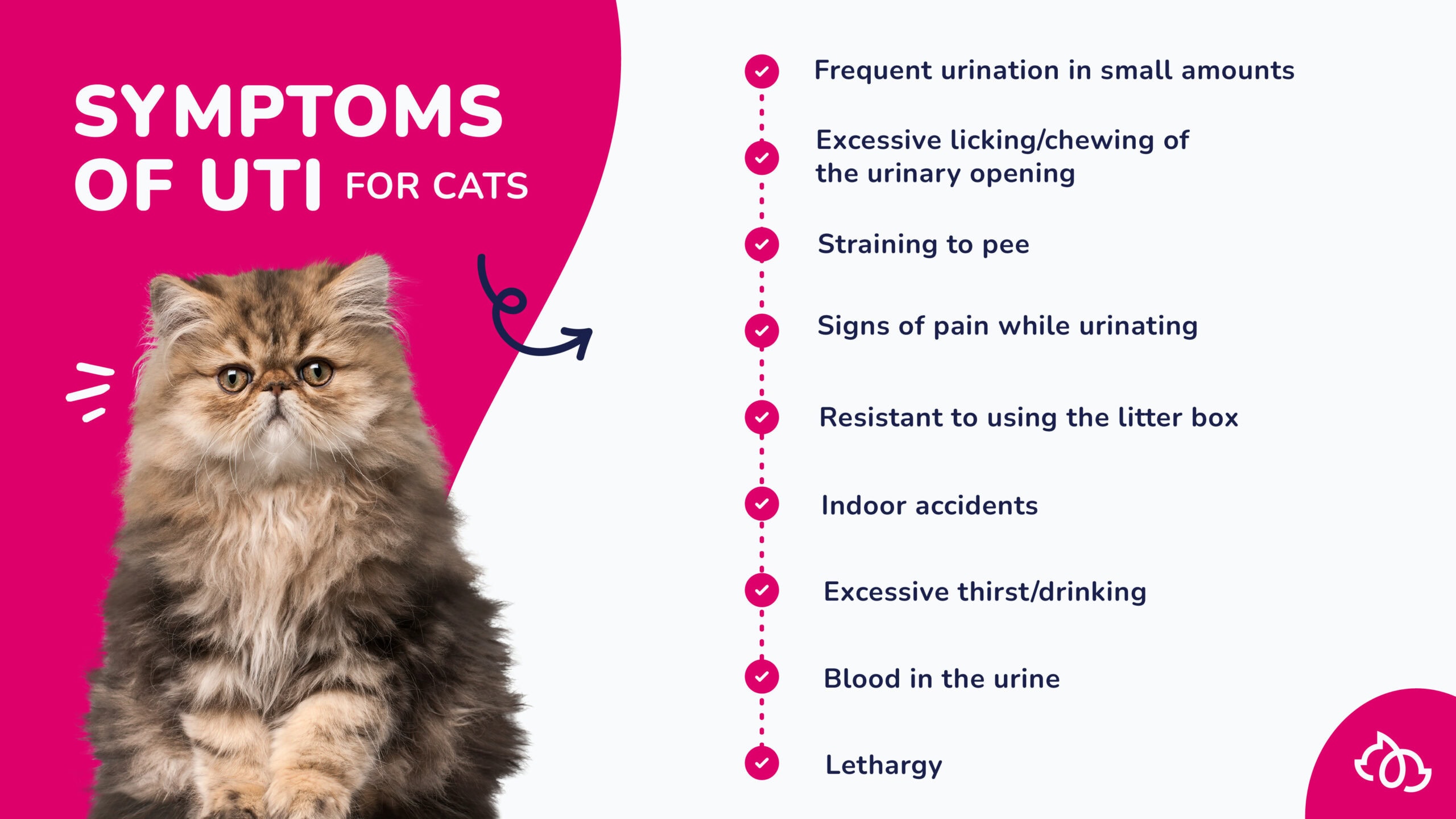
Credit: thevets.com
When To Seek Immediate Veterinary Help
Seek immediate veterinary attention if your cat shows signs of urinary tract infection. Symptoms include frequent urination, straining, or blood in urine. Quick action can prevent complications and ensure your pet’s well-being.
When your cat has a urinary tract infection (UTI), it may need immediate help. Cats can mask their pain, making it hard to know when to act. Quick action can save your cat from severe complications. Understanding when to seek veterinary help can make all the difference.Recognizing Emergency Symptoms
Look for signs that show your cat is in distress. Blood in urine is a red flag. Straining to urinate is another sign. Loud meowing while urinating can indicate pain. If your cat avoids the litter box, take note. A sudden halt in urination needs immediate attention. A swollen abdomen can signal a blockage. Lethargy or vomiting are also concerning symptoms.Urgent Care Procedures
Veterinary care is crucial if your cat shows these symptoms. The vet will first assess your cat’s condition. A urine sample helps confirm a UTI. Blood tests can check for other issues. The vet may perform an ultrasound. This checks for blockages or stones. In some cases, a catheter might be needed. This helps relieve a blocked bladder. Your cat might get fluids to prevent dehydration. Medications like antibiotics help fight the infection. Pain relief is also important for your cat’s comfort.Frequently Asked Questions
How Can I Treat My Cat’s Uti At Home?
Ensure your cat drinks plenty of water to flush the urinary tract. Provide a balanced diet with wet food. Monitor symptoms closely. Consult a vet if symptoms persist or worsen, as professional treatment may be necessary. Avoid home remedies without veterinary guidance to prevent potential harm.
Can A Cat’s Uti Heal On Its Own?
A cat’s UTI typically requires veterinary treatment to heal. Delaying care can lead to complications. Always consult a vet for proper diagnosis and treatment. Prompt care ensures your cat’s health and comfort.
How Can You Tell If A Cat Has A Uti?
A cat with a UTI may urinate frequently, strain to urinate, or have blood in urine. It might show signs of discomfort or urinate outside the litter box. A strong ammonia smell can also indicate a UTI. Consult a vet for accurate diagnosis and treatment.
What Are The Symptoms Of A Cat Uti?
Symptoms of a cat UTI include frequent urination, blood in urine, and pain while urinating. Cats might also lick their genital area excessively. You may notice them urinating outside the litter box. If these symptoms appear, consult a veterinarian for a proper diagnosis and treatment plan.
Conclusion
Treating a cat with UTI requires timely care and attention. Keep an eye on symptoms. Visit the vet if signs worsen. Follow prescribed treatments closely. Ensure your cat’s diet supports urinary health. Fresh water is essential. Clean the litter box regularly.
Reduce stress in your cat’s environment. Monitor changes in behavior. Stay informed about preventive measures. Regular vet check-ups can help. Your cat depends on you for care. Keep them healthy and happy. A proactive approach makes a difference. Always prioritize your cat’s well-being.
They deserve comfort and love.