How to Remove Ear Mites in Cats: Effective Solutions
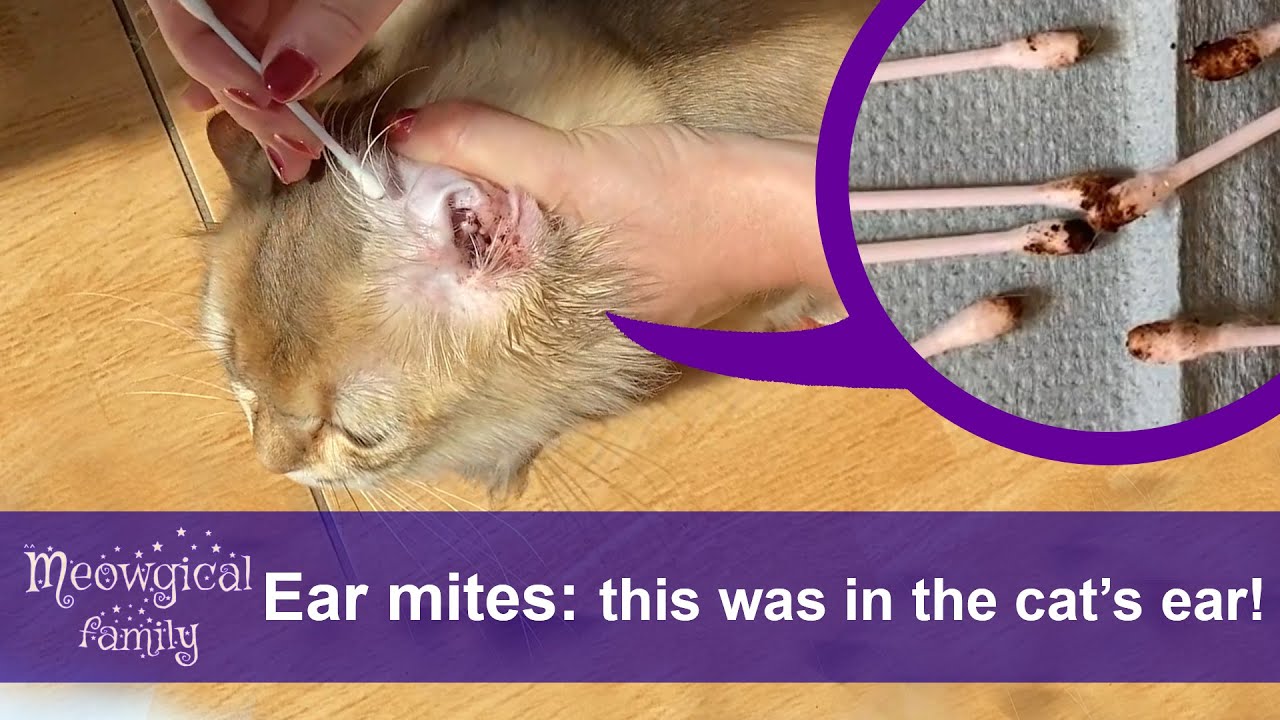
You love your cat and want to make sure they’re healthy and happy. But when ear mites invade, they can cause discomfort and even lead to bigger health problems.
You’re not alone if you’re feeling frustrated or worried about how to tackle these tiny pests. Imagine your cat finally being free from the constant itching and irritation. Picture them relaxed and content, snuggled up on your lap. In this guide, you’ll discover simple and effective ways to remove ear mites from your cat’s ears.
We’ll show you step-by-step methods to banish these pesky invaders and give your furry friend the relief they deserve. Stay with us, and learn how you can transform your cat’s health and happiness starting today.

Credit: www.youtube.com
Identifying Ear Mite Infestation
Ear mites are tiny parasites that can cause discomfort for cats. These pests live in the ear canal and feed on wax and oils. Identifying an ear mite infestation early can prevent complications. Understanding the signs and causes helps in timely treatment.
Common Symptoms
Cats with ear mites often scratch their ears excessively. You may notice head shaking too. The ears might appear red or inflamed. Dark ear discharge resembling coffee grounds is another sign. Cats might become irritable or withdrawn due to discomfort.
Causes And Transmission
Ear mites are highly contagious among pets. They spread through direct contact with infected animals. Cats can also get mites from contaminated environments. Bedding, grooming tools, and other surfaces can harbor these parasites. Outdoor cats are more prone to infestations.
Consulting A Veterinarian
Consulting a veterinarian is crucial for safely removing ear mites in cats. They provide guidance on effective treatments and proper application methods. Regular check-ups ensure your cat’s ears stay healthy and free from mites.
Consulting a veterinarian is a crucial step in effectively removing ear mites in cats. While home remedies might seem tempting, professional advice ensures your feline friend receives the best care possible. A veterinarian can offer a precise diagnosis and tailor a treatment plan to suit your cat’s specific needs.Importance Of Professional Diagnosis
A professional diagnosis is essential for several reasons. Ear mites can be mistaken for other ear issues, such as infections or allergies. Misdiagnosis might lead you to use incorrect treatments, which could worsen your cat’s condition. Veterinarians have the tools and expertise to accurately identify ear mites. They use an otoscope to look inside your cat’s ears and take samples for closer examination. This ensures your cat receives the correct treatment from the start. Moreover, ear mites can cause significant discomfort and health problems if left untreated. By consulting a veterinarian, you can prevent complications and ensure your cat’s well-being.What To Expect During The Visit
During the veterinary visit, your cat’s ears will be thoroughly examined. The vet will likely use an otoscope to inspect the ear canal for mites or signs of infection. If ear mites are present, they will discuss treatment options with you. Expect the veterinarian to clean your cat’s ears. This helps remove debris and makes the treatment more effective. They may also prescribe medication, such as ear drops, which you will need to apply at home. The vet will provide instructions on how to administer the medication. They might demonstrate the process and offer tips to make it easier for both you and your cat. Have you ever struggled with giving your cat medication? Your vet can be a valuable resource for advice. Lastly, follow-up appointments may be necessary. These ensure the treatment is working and your cat’s ears are healing properly. Regular check-ups can also help prevent future ear mite infestations. Taking your cat to a veterinarian not only resolves the current issue but also builds a foundation for their long-term health. Are you ready to make that appointment? Your cat’s comfort and health depend on it.Home Remedies For Ear Mites
Ear mites can be a pesky problem for cats. They cause discomfort and itching. Many cat owners prefer home remedies for treating ear mites. These solutions are natural and gentle. They are often safer for pets. Below are some effective home remedies. They help tackle ear mites in cats. Try these methods to bring relief to your furry friend.
Natural Oils And Solutions
Natural oils can soothe irritated ears. Olive oil is a popular choice. It helps soften and remove debris. Apply a few drops in the ear. Let it sit for a few minutes. Use a cotton ball to gently wipe clean.
Another option is coconut oil. It has antimicrobial properties. It helps reduce mite populations. Warm the oil slightly. Place a few drops in the ear canal. This helps kill mites and soothe the skin.
Apple cider vinegar is another solution. Mix it with water in equal parts. Use a cotton ball to apply. It helps balance the ear’s pH. This creates an unfriendly environment for mites.
Cleaning Techniques
Proper cleaning is crucial for ear mite removal. Start by inspecting your cat’s ears. Look for debris and dirt. Use a soft cloth to gently wipe the outer ear.
Saline solution can be useful. It helps rinse out mites and dirt. Mix salt with warm water. Apply with a syringe or dropper. Gently flush the ear canal. Ensure your cat is calm during this process.
A warm compress can also be effective. Dip a cloth in warm water. Apply it to the outer ear. This loosens debris and soothes irritation. Repeat these steps regularly for best results.
Remember, patience is key. Cats may resist ear cleaning. Be gentle and reassuring throughout the process.
Over-the-counter Treatments
Finding ear mites in your cat can be stressful. You want quick relief for your feline friend. Over-the-counter treatments can help. These options are convenient and effective. They allow you to treat your cat’s ear mites at home.
Topical Medications
Topical medications are easy to apply. They usually come as creams or ointments. These are applied directly to the ear. They work by killing mites on contact. Always read the instructions before use. Ensure your cat does not lick the treated area. This keeps the medication effective and your cat safe.
Ear Drops And Sprays
Ear drops and sprays are another option. They are simple to administer. Just apply them directly into the ear canal. These treatments reach deep inside the ear. This helps eliminate mites hiding in hard-to-reach areas. Ensure to follow dosing instructions carefully. Overuse can harm your cat’s sensitive ears. Regular application can help keep mites away.
Prescription Treatments
Ear mites can cause discomfort for cats. Prescription treatments offer effective solutions. These treatments are often recommended by veterinarians. They target the root cause and provide relief.
Prescription treatments ensure the mites are eliminated. These methods are safe and specifically designed for cats. Let’s explore some common prescription treatments.
Antiparasitic Medications
Antiparasitic medications are crucial in treating ear mites. They work by killing the mites quickly. These medications are available in drops or topical forms. They are applied directly to the affected area.
Veterinarians usually prescribe these treatments. Follow their instructions carefully for best results. Antiparasitic medications often show results within a few days. This makes them highly effective for rapid relief.
Follow-up Care
Follow-up care is essential after treatment. It ensures the mites are completely gone. Regular check-ups with the vet are advised. This helps monitor your cat’s recovery.
Keep the ears clean to prevent reinfection. Use vet-recommended cleaning solutions. Follow-up care supports your cat’s overall ear health. It maintains a mite-free environment.
Observing your cat’s behavior is important. If symptoms persist, contact your vet. Proper follow-up care guarantees long-term relief.
Preventing Future Infestations
Preventing future infestations of ear mites in cats involves regular cleaning of their ears. Keep their environment tidy and vacuum often. Use vet-approved treatments and ensure your cat’s bedding is clean to reduce the risk of mites.
Preventing future infestations of ear mites in your cat is crucial for their health and comfort. After dealing with an infestation, the last thing you want is a repeat episode. By implementing a few simple practices, you can keep those pesky mites at bay and ensure your cat enjoys a happy, itch-free life. But how can you effectively prevent these tiny invaders from making a comeback?Regular Cleaning Routine
A regular cleaning routine is your first line of defense against ear mites. Make it a habit to check your cat’s ears weekly. Use a damp cotton ball to gently clean the outer ear, removing any dirt or wax buildup. Always use products specifically designed for cats. Human products can be harmful to their sensitive skin. I learned this lesson the hard way when my cat, Whiskers, had a reaction to a generic cleaning solution. Consistency is key. Establish a routine that you can stick to. This not only helps prevent mites but also strengthens your bond with your feline friend.Environmental Control
Your cat’s environment plays a significant role in preventing mite infestations. Keep their bedding clean and wash it regularly. Vacuum areas where your cat frequently lounges to reduce the risk of mites lurking in the environment. Consider using flea treatments that also target mites. These can be a great preventative measure. Consult with your vet for the best options suitable for your cat’s needs. Is your home a safe haven for your cat? Ensuring a clean and safe environment can make all the difference in keeping those mites away. By following these practical steps, you’re not just protecting your cat from ear mites but enhancing their overall wellbeing. Remember, a happy cat means a happy owner!When To Seek Further Medical Help
Most ear mite infections in cats clear up with home treatment. Yet, some situations require extra care from a veterinarian. Knowing when to seek further medical help ensures your cat’s health remains optimal. Let’s explore signs that indicate professional intervention.
Persistent Symptoms
Watch for signs lasting more than two weeks. If itching or redness persists, consult a vet. Your cat might continue shaking its head. Excessive scratching can also indicate a deeper issue. These persistent symptoms suggest that ear mites are still present. Seek medical advice to prevent further discomfort.
Complications To Watch For
Ear mites can lead to other problems. Look for signs of infection like swelling or discharge. Bad odor from the ears is another red flag. Complications can cause hearing loss if untreated. Cats may show signs of pain or discomfort. A vet can diagnose and treat these complications effectively.
:strip_icc()/about-ear-mites-dogs-and-cats-3384667_final-8dbaa8f5eb53452da5516085dee7c5d2.png)
Credit: www.thesprucepets.com

Credit: www.oxyfresh.com
Frequently Asked Questions
What Kills Ear Mites In Cats Fast?
Use a vet-prescribed ear mite treatment for fast results. Clean your cat’s ears before applying medication. Pyrethrin-based solutions work effectively. Consult a vet for the best product. Ensure you treat all pets to prevent reinfestation.
What Are Ear Mites In Cats?
Ear mites are tiny parasites that infest a cat’s ear canal. They cause itching, inflammation, and discomfort. These mites are contagious and can spread to other pets. Regular cleaning and vet visits can help manage and prevent infestations.
How Do Cats Get Ear Mites?
Cats usually get ear mites from close contact with infected animals. The mites can easily transfer between pets. Outdoor cats are more prone to getting mites. Keeping your cat indoors and checking them regularly can help prevent infestations.
What Are The Symptoms Of Ear Mites?
Symptoms include excessive scratching, head shaking, and a dark discharge from the ears. Cats may also show signs of irritation or inflammation in the ear area. A vet visit is crucial for accurate diagnosis and treatment.
Conclusion
Removing ear mites in cats is vital for their health. Regular checks help spot issues early. Clean your cat’s ears gently. Use vet-approved treatments for best results. Always consult your vet for guidance. Your cat’s comfort and health matter. Consistent care prevents future problems.
Ear mites can cause discomfort. Don’t ignore the signs. A healthy cat is a happy cat. Keep an eye on your pet’s behavior. Notice any changes? Act promptly. Protect your furry friend with love and attention. Simple steps ensure their well-being.
Your cat deserves the best care.

Similar Posts