How Old is a 2 Year Old Cat: Unveiling Their True Age
Have you ever found yourself wondering how old your 2-year-old cat really is in human years? If you’re nodding along, you’re not alone.
Many cat owners are curious about this unique aspect of feline life. Understanding your cat’s age in human terms can help you connect with your furry friend on a deeper level. It can also guide you in providing the best care possible.
We’ll unravel the mystery of cat years versus human years, shedding light on what your cat’s age truly means. Prepare to be surprised by just how mature your 2-year-old feline friend really is. Stay with us, and discover fascinating insights about your cat’s life stage and what it means for you as a pet parent.
Cat Years Vs. Human Years
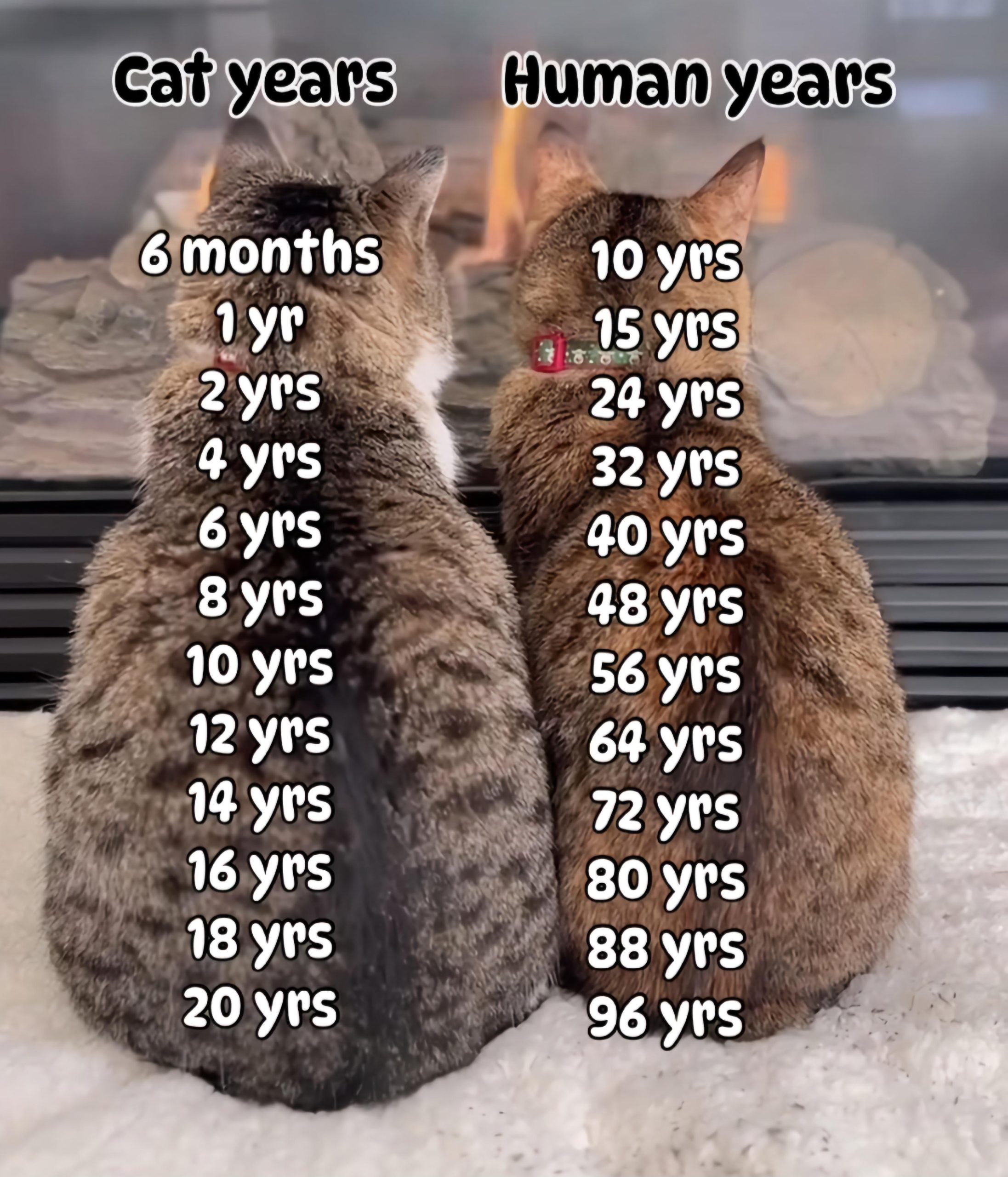
A 2-year-old cat roughly equals a 24-year-old human, reflecting their rapid maturity. Cats age faster in their early years. Understanding this helps in better care and companionship.
Understanding the age of your cat is more complex than counting its years. Cats age differently than humans, and their development stages can be fascinating to explore. This concept of cat years vs. human years can help you better understand your feline friend’s behavior and needs.What Are Cat Years?
Cats age rapidly in their early years. A 2-year-old cat is roughly equivalent to a 24-year-old human. It’s a surprising fact, right? During these initial years, cats experience significant physical and mental development.How Do Cat Years Compare To Human Years?
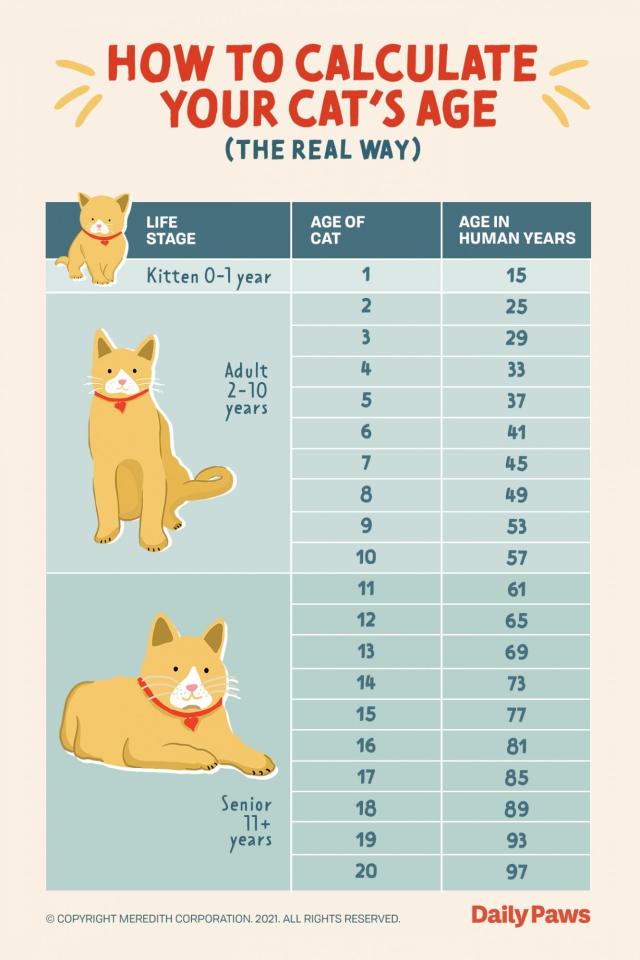
The first year of a cat’s life is like a whirlwind. In human terms, it equates to about 15 years. By the time your cat reaches two, it has matured to the equivalent of 24 human years. Cats then age approximately four human years for each additional year they live.Why Do Cats Age Differently?
Cats have shorter lifespans than humans, hence their accelerated aging process. Their bodies develop and mature quickly to prepare them for survival. This rapid growth is crucial for their hunting and survival instincts.What Does This Mean For Your Cat’s Care?
Knowing how cat years translate to human years can guide you in providing the right care. A 2-year-old cat, like a young adult, needs mental stimulation and physical exercise. Think of it as taking care of a young human adult, who requires a balance of independence and guidance.Can You Influence Your Cat’s Aging?
Absolutely! A healthy diet and regular vet visits can slow down the aging process. Ensure your cat gets plenty of exercise and mental engagement. You can add interactive toys to their environment or spend time playing with them.Why Is This Knowledge Important?
It helps you understand your cat’s behavior and needs. You might notice changes in energy levels or social habits. Understanding your cat’s life stage can help you adjust your care and attention accordingly.What’s Next?
Think about your cat’s current age in human years. Does their behavior match the typical traits of that age? Use this insight to enhance your bond and provide tailored care. Do you feel prepared to meet the needs of your 2-year-old cat? Embrace the journey of understanding and caring for your feline friend.Developmental Milestones
Understanding a cat’s age in human years can be intriguing. A 2-year-old cat is roughly equivalent to a 24-year-old human. Cats grow rapidly in their first years, reaching maturity quickly.
Developmental Milestones Understanding how your two-year-old cat has grown can deepen your bond and help you cater to its needs better. At this stage, cats are transitioning from adolescence to adulthood, marking significant changes in their development. These milestones can be fascinating to observe and can offer insights into your cat’s personality and health.Physical Growth
By the time your cat reaches two years old, it has likely completed most of its physical growth. At this age, their muscles are fully developed, giving them a sleek and toned appearance. You might notice your cat has become more agile, jumping higher and landing more gracefully. Weight stabilization is another key milestone. Your cat’s weight should remain fairly consistent, reflecting its adult size. A balanced diet and regular vet check-ups ensure they maintain a healthy weight. Are you noticing those sharp claws and teeth? They’ve reached their adult form, so regular grooming is crucial. Keeping those claws trimmed can save your furniture and your skin!Behavioral Changes
Behaviorally, two-year-old cats are fascinating to watch as they mature. They often show a more defined personality, whether they’re a playful companion or a more relaxed observer. You might see them exhibiting more independence, yet still seeking affection and playtime. Social interactions can become more pronounced. Your cat is likely more comfortable and confident in its environment, showing less skittishness around strangers. If your cat is more sociable, it may enjoy engaging more with you and other pets. Training and setting boundaries can be particularly effective at this stage. Cats are clever and respond well to positive reinforcement. Have you tried teaching your cat a new trick recently? They can surprise you with how quickly they learn. In observing these milestones, you not only ensure your cat’s well-being but also enrich your own experience as a pet owner. What new milestones have you noticed in your feline friend today?Factors Influencing Cat Aging
A 2-year-old cat is about 24 in human years. Breed, diet, and health impact a cat’s aging process. Indoor cats generally live longer than outdoor ones.
Cats age differently than humans. Factors like breed, genetics, lifestyle, and diet play a role. Understanding these helps gauge a cat’s age. Let’s explore these factors.Breed And Genetics
A cat’s breed affects its aging process. Some breeds live longer. For instance, Siamese cats often live past 15 years. Genetics also play a part. Cats with healthy parents may live longer. Regular vet visits can help monitor a cat’s genetic health.Lifestyle And Environment
An indoor cat usually lives longer than an outdoor cat. Indoor cats face fewer risks from traffic or predators. Stressful environments can age a cat faster. A calm, safe home promotes longevity. Regular playtime keeps cats active and healthy.Diet And Nutrition
A balanced diet is vital for cat health. Quality cat food supports strong bones and teeth. Overfeeding can lead to obesity and health issues. Fresh water is essential for hydration. Nutrient-rich meals help a cat thrive and age gracefully.Comparing Life Stages
Have you ever wondered how the age of your furry friend compares to human years? Understanding the life stages of a cat can offer fascinating insights into their behavior and development. While your two-year-old cat may seem youthful, their life journey is quite different from ours. Let’s break down their life stages to understand how your two-year-old cat is progressing through their unique life cycle.
Kittenhood
During kittenhood, your cat is in its most adorable and playful phase. This stage lasts up to around six months. It’s similar to infancy in humans, where exploration and learning are key. These little bundles of fur are busy developing their senses and motor skills. Have you ever noticed how a kitten chases a toy or explores every nook of your home? Their curiosity is endless. This stage is crucial for socialization, so interacting with your kitten can shape their personality.
Adolescence
As your cat moves into adolescence, their independence begins to shine. This phase spans from six months to two years. It’s akin to the teenage years in humans. Your cat might test boundaries, display rebellious behaviors, or develop their hunting instincts. Have you ever caught your cat trying to sneak a treat or scale the curtains? They are learning about their strengths and limitations. This stage is all about finding their identity and asserting their independence.
Adulthood
When your cat reaches two years old, they enter adulthood. This stage is marked by maturity and stability. Unlike humans who take decades to reach adulthood, cats get there much faster. Your two-year-old cat is equivalent to a 24-year-old human. They have settled into their routines and personality traits. Have you noticed how your cat has favorite spots or specific meal times? This stage is about comfort and consistency. It’s a great time to strengthen your bond with them by understanding their preferences and needs.
Reflect on your cat’s journey through these stages. How has their behavior changed? What have they taught you about adaptability and growth? Understanding these stages not only helps you appreciate your cat’s unique life journey but also enhances your relationship with them. Share your observations in the comments below!
Signs Of Maturity In Cats
Understanding the maturity of a 2-year-old cat offers insights into their growth. Cats at this age begin to show clear signs of adulthood. Observing these signs helps in understanding their needs and behavior. Below are key indicators of maturity in cats.
Physical Characteristics
A 2-year-old cat often reaches its full size. The fur may become shinier and thicker. Muscles appear more defined, showing strength. Eyes are clear and bright, reflecting health. Teeth are strong, with minimal plaque build-up. Claws are sharp, suited for climbing and hunting.
Behavioral Traits
Behavioral changes are significant at this age. Cats become more independent, exploring their surroundings. They may show less interest in play. Instead, they prefer lounging or observing from a distance. Social interactions with humans can be more selective. Some cats may exhibit territorial behavior, marking their space. Understanding these traits helps in catering to their needs.

Credit: vethelpdirect.com
Common Health Concerns
Understanding the common health concerns for a 2-year-old cat is important. At this age, cats are usually healthy and active. Yet, there are specific health areas to watch closely. Paying attention to their dental health, weight, and activity levels is crucial. This ensures your cat remains happy and healthy.
Dental Health
Dental health is a major concern for 2-year-old cats. Plaque and tartar can build up quickly. This leads to gum disease and bad breath. Regular brushing can help prevent these issues. Use cat-friendly toothpaste and brushes. Schedule a vet check-up for professional cleaning. This reduces the risk of dental problems.
Weight Management
Weight management is essential for a cat’s well-being. A 2-year-old cat should have a balanced diet. Overfeeding can lead to obesity. Obesity causes various health issues. Monitor your cat’s weight and adjust food portions as needed. Consult your vet for a suitable diet plan. This helps maintain a healthy weight.
Activity Levels
Activity levels can affect your cat’s health. A 2-year-old cat needs regular exercise. Playtime keeps them active and engaged. Use toys to encourage movement. Laser pointers and feather wands work well. Daily exercise helps prevent weight gain. It also reduces stress and boredom. Keeping your cat active is key to their health.
Tips For Caring For A 2-year-old Cat
A 2-year-old cat is like a young adult in human years, full of energy and curiosity. Providing a balanced diet and regular playtime keeps them healthy and happy. Regular vet visits ensure they stay in top shape, preventing health issues.
Caring for a 2-year-old cat requires understanding and attention. This age marks a mature phase in their life. They are active and curious, needing proper care. Following these tips ensures your cat stays healthy and happy.Proper Nutrition
A balanced diet is crucial for a cat’s health. At two years old, they need a diet rich in proteins. Choose high-quality cat food with essential nutrients. Monitor their weight to avoid obesity. Fresh water should always be available.Regular Veterinary Check-ups
Routine vet visits are important. Schedule check-ups at least once a year. These visits help detect health issues early. Vaccinations and parasite control should be up to date. Discuss your cat’s diet and behavior with the vet.Exercise And Enrichment
Cats need physical activity to stay fit. Provide toys that stimulate their hunting instincts. Interactive play sessions strengthen your bond. Create spaces where they can climb and explore. Enrichment keeps their mind sharp and engaged. `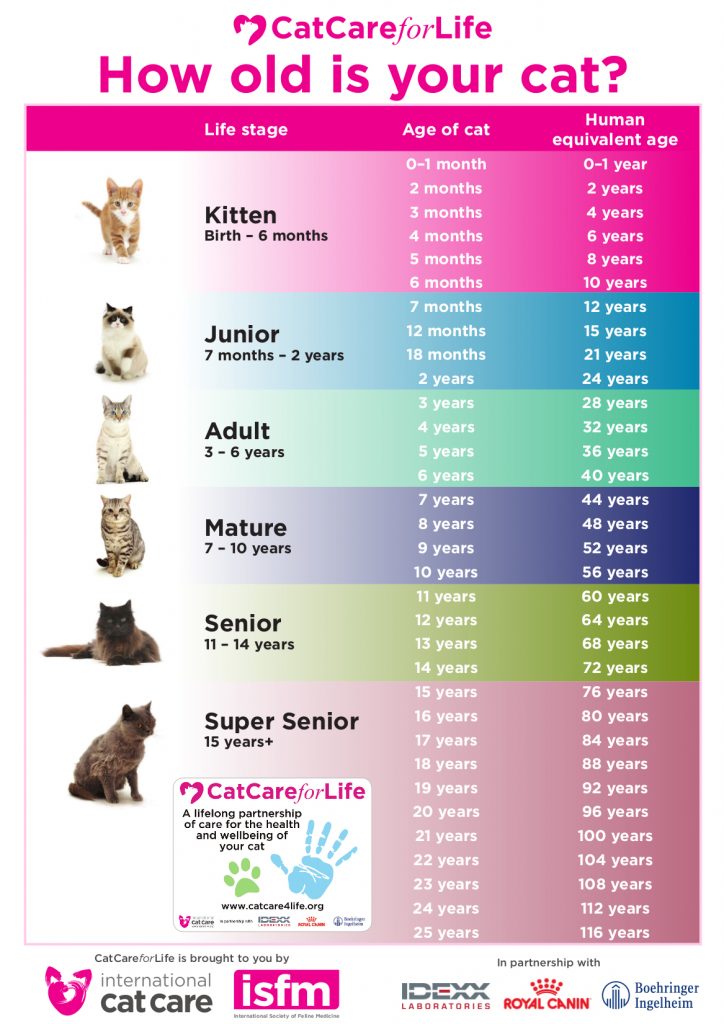
Credit: thecatdoctor.co.uk
Credit: greensafaris.com
Frequently Asked Questions
Is A 2 Year Old Cat Still Considered A Kitten?
A 2-year-old cat is generally considered an adult, not a kitten. Cats mature around 12 months. They may still exhibit playful behaviors, similar to kittens, but their development is complete. Regular veterinary care and proper nutrition are essential for maintaining their health as adult cats.
What Is The 3-3-3 Rule For Cats?
The 3-3-3 rule for cats refers to their adjustment period in a new home. Cats usually take 3 days to decompress, 3 weeks to start settling in, and 3 months to fully adjust and feel comfortable in their new environment.
This timeline helps in managing expectations during the adoption process.
How Old Is A 2 Year Old Cat In Human Years?
A 2-year-old cat is roughly equivalent to a 24-year-old human. Cats age rapidly in their first two years. After this, they mature at a slower pace. Monitoring their health and activities can help ensure a long, happy life. Regular vet visits are crucial for maintaining their well-being.
What Life Stage Is A 2 Year Old Cat?
A 2-year-old cat is in the young adult life stage. Cats at this age are energetic and active. They have reached full size and exhibit playful behavior. This stage is ideal for training and bonding with your cat. It’s important to maintain regular veterinary check-ups and a balanced diet.
Conclusion
Understanding your cat’s age helps in caring for their needs. A two-year-old cat is about 24 human years. This stage marks young adulthood for cats. They are energetic and curious. Offer them play and exploration opportunities. Maintain a balanced diet for good health.
Regular vet check-ups ensure they stay healthy. Knowing their age helps you bond better. Cats develop unique personalities. Appreciate their quirks and enjoy their company. They love routine and comfort. Provide a stable environment. Your cat will thrive with care and attention.
Enjoy your journey together.

Similar Posts