How Often Should I Brush My Cat Teeth: Expert Advice

You care about your cat’s health, right? But when it comes to dental care, are you doing enough?
You might wonder, “How often should I brush my cat’s teeth? ” This question is crucial because good oral hygiene can prevent painful dental diseases and improve your cat’s overall well-being. Imagine your cat living a happier, healthier life with fewer trips to the vet.
Sounds great, doesn’t it? You’ll discover the best practices for keeping your cat’s teeth clean, ensuring they have a purr-fect smile. Keep reading to learn how you can make a big difference in your feline friend’s life with just a few simple steps!
Importance Of Dental Care For Cats
Cats need dental care just like humans. Healthy teeth are crucial for their well-being. Poor dental hygiene can lead to serious health issues. Regular brushing helps maintain their oral health. It prevents plaque and tartar buildup. This keeps your feline friend happy and healthy.
Why Dental Care Is Vital For Cats
Dental care impacts more than just their mouth. It affects their overall health. Bacteria from the mouth can enter the bloodstream. This can lead to heart and kidney diseases. Regular dental care helps prevent these issues.
Signs Your Cat Needs Dental Attention
Watch for bad breath, it signals dental problems. Drooling or difficulty eating also indicates issues. Swollen or bleeding gums are warning signs. If your cat paws at their mouth, check their teeth. Early detection is key to effective treatment.
Benefits Of Regular Tooth Brushing
Brushing reduces plaque and tartar. It also prevents gum disease. Regular brushing leads to fewer vet visits. Your cat will enjoy a pain-free mouth. This improves their quality of life and longevity.
Understanding Common Dental Issues In Cats
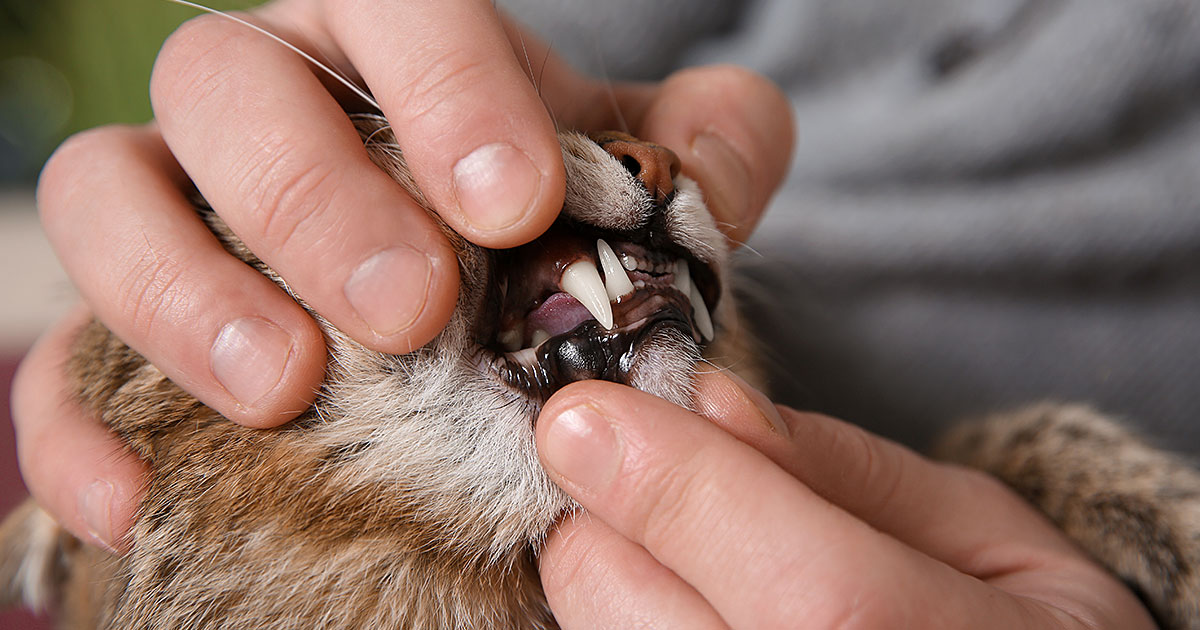
Cats can suffer from gingivitis. This is inflammation of the gums. Another issue is periodontitis, a severe gum infection. Tooth resorption is also common. This is the breakdown of the tooth structure. Regular brushing helps prevent these conditions.
Credit: www.zoetispetcare.com
Signs Of Dental Issues In Cats
Cats can show dental issues with bad breath, swollen gums, or difficulty eating. Brushing their teeth often helps prevent these problems. Regular brushing, ideally a few times weekly, keeps their mouth healthy.
Understanding the signs of dental issues in your cat is crucial for their overall health. While many cat owners focus on grooming and feeding, dental care often takes a backseat. However, just like humans, cats can suffer from dental problems that can affect their quality of life. Regularly checking for signs of dental issues can help you address any problems early and keep your feline friend healthy and happy.Bad Breath
If your cat’s breath smells unusually foul, it might not just be “cat breath.” Persistent bad breath can indicate underlying dental problems like gum disease or tooth decay. Next time you’re cuddling with your cat, pay attention to their breath. If it’s consistently unpleasant, it’s time to check with your vet.Difficulty Eating
Does your cat seem to struggle while eating or show a lack of interest in food? Difficulty eating can be a sign of dental discomfort. Cats may chew on one side of their mouth or drop food while eating. Observing your cat during mealtime can provide important clues about their dental health.Red Or Bleeding Gums
Gently lift your cat’s lip and take a peek at their gums. Healthy gums should be pink. Red or bleeding gums can indicate gingivitis or other dental issues. Regularly inspecting your cat’s gums can help catch these issues early before they worsen.Excessive Drooling
Is your kitty drooling more than usual? While some drooling can be normal, especially if your cat is relaxed, excessive drooling may be a sign of dental pain. If you notice a constant stream of drool, it could be time for a dental check-up.Pawing At The Mouth
Cats often paw at their mouths if something is bothering them. This behavior can suggest dental pain or irritation. If you see your cat pawing frequently at their mouth, it’s essential to investigate further or consult your veterinarian.Visible Tartar Or Plaque
Take a look at your cat’s teeth. If you see a yellow or brown buildup, this is tartar or plaque. These deposits can lead to more serious dental issues if not addressed. A visual inspection can reveal a lot about the state of your cat’s dental hygiene.Weight Loss
Unexpected weight loss can sometimes be linked to dental issues. If your cat finds it painful to eat, they may avoid food altogether, leading to weight loss. Monitoring your cat’s weight can be a useful indicator of their dental health. Being proactive about your cat’s dental care can prevent bigger problems down the road. When was the last time you checked your cat’s teeth? Regular observation and timely veterinary visits can make all the difference in your furry companion’s health.Recommended Brushing Frequency
Caring for your cat’s dental health is vital. Brushing their teeth regularly keeps their mouth healthy and odor-free. But how often should you brush your cat’s teeth? The recommended frequency varies based on your cat’s needs.
Understanding Your Cat’s Dental Needs
Every cat is different. Some may need brushing more often. Others may need less frequent care. Factors like diet and age affect their dental health.
Weekly Brushing
Brushing your cat’s teeth once a week is a good start. It helps remove plaque and prevent tartar buildup. Weekly brushing is manageable for most cat owners.
Daily Brushing For Better Health
Daily brushing is ideal for optimal dental health. It prevents plaque from turning into tartar. Daily care keeps your cat’s mouth cleaner.
Consulting Your Veterinarian
Your vet can guide you on the best schedule. They understand your cat’s unique dental health. Your vet may suggest more frequent brushing based on your cat’s condition.
Signs Your Cat Needs More Frequent Brushing
Bad breath or gum issues signal the need for more brushing. Red or swollen gums are a sign of dental issues. Regular brushing helps avoid these problems.
Balancing Brushing With Other Dental Care
Combine brushing with dental treats and toys. These help maintain oral health. Dental wipes are another option for cats that resist brushing.
Choosing The Right Tools
Selecting the best tools makes brushing your cat’s teeth more effective. Aim to brush their teeth two to three times a week. This habit helps prevent dental issues and keeps their mouth healthy.
Brushing your cat’s teeth is a crucial part of their health routine, but have you ever wondered what tools you need to make this task easier? Choosing the right tools can transform a daunting chore into a simple, manageable practice. Let’s dive into the essentials that will help you and your feline friend breeze through this process.Cat-friendly Toothbrushes
It’s not just about grabbing any toothbrush. Your cat needs something specifically designed for their tiny mouths and delicate gums. Look for toothbrushes with soft bristles to avoid irritating their gums. Some cat toothbrushes come with angled heads to reach those tricky areas in the back. Consider finger brushes as well. They slip over your finger, giving you more control and making it easier to navigate around your cat’s teeth.Safe Toothpaste Options
Human toothpaste is a no-go for cats. It contains ingredients that could be harmful to your pet. Instead, opt for cat-specific toothpaste. These are formulated to be safe and often come in flavors cats love, like poultry or fish. It’s essential to check the label for natural ingredients. This ensures it won’t upset their tummy and maintains their oral hygiene effectively. Have you ever tried brushing your cat’s teeth and found it impossible because they hate the taste? Switching to a flavored toothpaste can be a game-changer. Consider these tools as investments in your cat’s health. What tools have you tried, and how have they impacted your cat’s dental routine?Step-by-step Brushing Guide
Brushing your cat’s teeth is essential for their health. Regular brushing prevents dental issues. It keeps their breath fresh. Many cat owners wonder how to begin. Follow this step-by-step guide for success. Make it a positive experience for your cat.
Preparing Your Cat
Start by choosing the right tools. Use a cat-specific toothbrush. Pick a cat-friendly toothpaste. Never use human toothpaste. It can harm your cat. Find a quiet and comfortable spot. Make sure your cat feels relaxed. Begin by gently handling their mouth. Let them get used to the sensation. Reward them with treats for cooperation. Patience is key here.
Effective Brushing Techniques
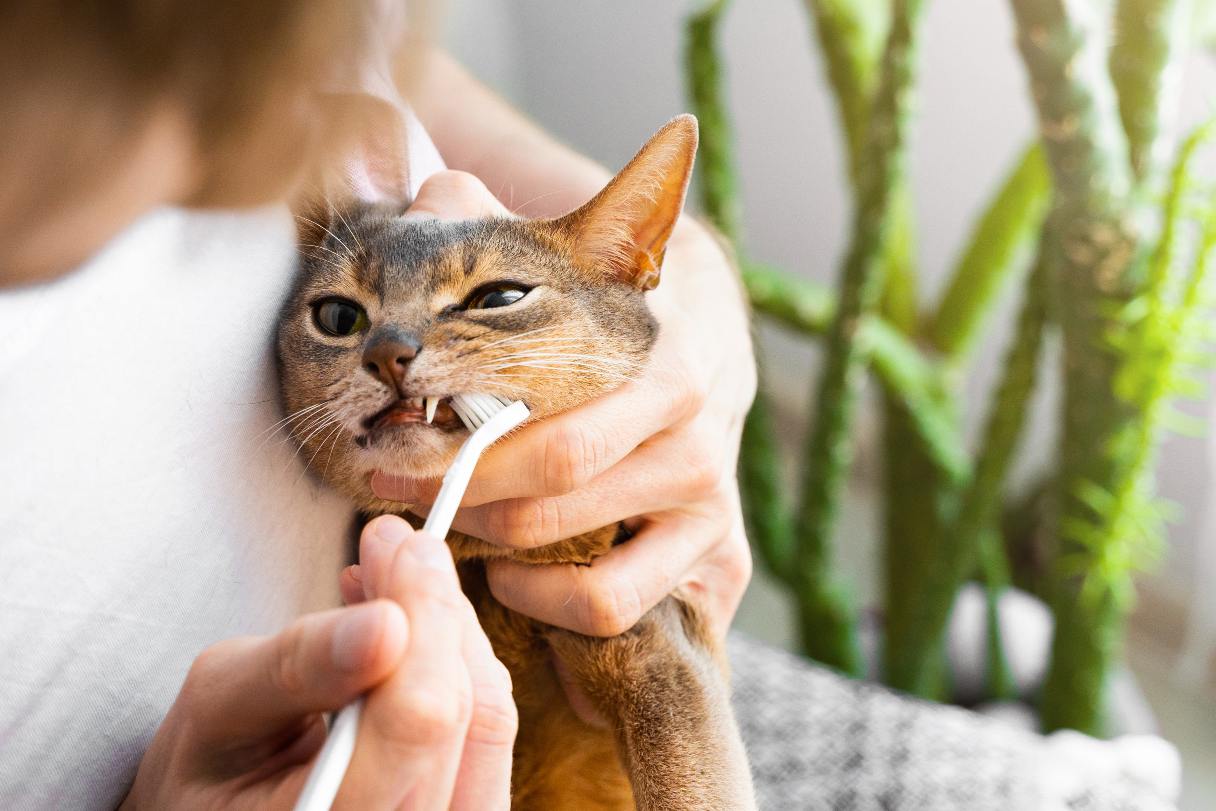
Hold the toothbrush at a 45-degree angle. Focus on the gum line. Use gentle, circular motions. Be gentle to avoid hurting your cat. Start with short sessions. Gradually increase the duration. Cover all teeth, if possible. Stay calm and speak softly. Reassure your cat throughout the process. Consistency is crucial for success.
Post-brushing Care
Offer a treat after brushing. This reinforces positive behavior. Clean the toothbrush thoroughly. Store it in a hygienic place. Monitor your cat’s reaction. Look for signs of discomfort. If issues arise, consult a vet. Regular check-ups ensure oral health. Maintain a routine for optimal results.
Credit: www.carecredit.com
Alternatives To Brushing
Brushing your cat’s teeth is essential. But not always possible. Some cats resist, making it a challenging task. Fortunately, there are alternatives to brushing. These methods can help maintain your feline’s dental health. Let’s explore some effective options.
Dental Treats And Chews
Dental treats can be a tasty option for cats. They help reduce plaque and tartar. Many treats are designed to clean teeth. Chewing on these treats can mimic brushing. It’s a simple way to support oral hygiene. Always choose veterinarian-approved treats. This ensures they are safe and beneficial.
Professional Cleanings
Professional cleanings offer thorough dental care. Veterinarians use specialized tools. These tools clean areas brushing can’t reach. Regular cleanings help prevent severe dental issues. It’s advisable to schedule these cleanings yearly. Your vet can recommend the best frequency. This depends on your cat’s specific needs.
Expert Tips For Success
Brushing your cat’s teeth two to three times a week helps maintain their oral health. Regular dental care prevents plaque buildup and keeps gums healthy. Make it a part of your routine for a happy, healthy cat.
Keeping your cat’s teeth clean is crucial for their overall health. Yet, brushing a cat’s teeth can be a daunting task for many pet owners. Expert tips can pave the way for success, making the process smoother and more effective. Let’s dive into creating a routine and handling your cat’s resistance.Building A Routine
Establishing a regular brushing routine is essential. Begin by selecting a time of day when your cat is calm, perhaps after a meal or play session. Consistency is key; aim to brush your cat’s teeth at least a few times a week. Utilize rewards to reinforce positive behavior. Use treats or extra cuddles to make the experience pleasant. Over time, your cat will associate tooth brushing with positive outcomes. Remember, patience is your ally. Gradually increase the duration and frequency of brushing sessions. Have you noticed how cats love predictability? A set routine can reduce stress for both you and your feline friend.Handling Resistance
Resistance is common, especially at the beginning. If your cat wriggles or tries to escape, try wrapping them gently in a towel. This can prevent sudden movements and make them feel secure. Introduce the toothbrush slowly. Allow your cat to sniff and explore the brush before using it. This can lessen their fear and curiosity about the new object. If your cat still resists, consider using cat-friendly dental wipes as an alternative. They can be a less invasive option while still maintaining oral health. Have you ever tried using a different flavor of cat toothpaste? Sometimes a new taste can intrigue your cat and ease the process. By integrating these expert tips into your routine, you can make tooth brushing a manageable task. Your dedication today can lead to a happier, healthier tomorrow for your furry companion.
Credit: www.youtube.com
Benefits Of Regular Dental Care
Regular dental care for your cat holds many benefits. It plays a vital role in keeping your cat healthy and happy. With consistent brushing, you help prevent dental diseases. A clean mouth means less bacteria and fresher breath. Your cat will enjoy better health overall. Let’s explore these benefits further.
Reduced Risk Of Gum Disease
Gum disease can be painful for cats. Regular brushing keeps gums healthy. It removes plaque and tartar buildup. This helps avoid infections and discomfort. Healthy gums mean a happier cat.
Improved Breath
Bad breath in cats often signals dental issues. Regular brushing combats this problem. It removes food particles and bacteria. Your cat’s breath will smell fresher. It’s more pleasant for both you and your cat.
Better Overall Health
Dental care affects more than just the mouth. Bacteria from the mouth can reach other organs. It can lead to serious health problems. Regular brushing helps prevent this. It contributes to a healthier, longer life for your cat.
Enhanced Eating Habits
Painful teeth can affect eating. Cats may avoid their food if it hurts. Regular brushing prevents toothaches. It ensures your cat eats comfortably. Your cat will enjoy their meals more.
Strengthened Bond With Your Cat
Brushing your cat’s teeth can be a bonding activity. It shows your care and attention. Cats feel comforted by routine and love. This can strengthen your relationship with your pet.
Frequently Asked Questions
Is It Okay If I Don’t Brush My Cat’s Teeth?
Neglecting to brush your cat’s teeth can lead to dental issues. Regular brushing prevents plaque buildup and gum disease. Cats may resist at first, but persistence improves oral health. Dental treats and toys also help maintain their teeth. Consult your vet for guidance on oral care routines for your cat.
How Frequently Should You Brush Your Cat’s Teeth?
Brush your cat’s teeth daily to prevent plaque buildup and maintain oral health. Regular brushing reduces the risk of dental disease. Use a cat-specific toothbrush and toothpaste. If daily brushing isn’t possible, aim for at least several times a week to ensure proper dental care for your feline friend.
Do Vets Recommend Brushing Cats’ Teeth?
Yes, vets recommend brushing cats’ teeth to maintain oral health. Regular brushing prevents plaque buildup and dental issues. Use a soft-bristled toothbrush and cat-friendly toothpaste. Begin slowly to help your cat adjust. Regular dental care ensures your cat’s overall well-being and reduces the risk of periodontal disease.
Is It Ever Too Late To Start Brushing Your Cat’s Teeth?
It’s never too late to start brushing your cat’s teeth. Begin gently to make it a positive experience. Regular brushing helps prevent dental issues and promotes overall health. Use cat-specific toothpaste and a soft brush for the best results.
Conclusion
Brushing your cat’s teeth is crucial for their health. Regular brushing prevents plaque buildup and dental issues. Aim for brushing a few times a week. Consistency helps maintain oral hygiene. Start slowly to get your cat used to the routine.
Use pet-safe toothpaste and a soft brush. Check with your vet for advice specific to your cat’s needs. Healthy teeth lead to a happy cat. Make it part of your care routine. Your cat’s smile will thank you! Keep it simple and effective.
Your efforts contribute to their overall well-being.

Similar Posts